Pumpkin Soup Recipe: Creamy, Roasted, and Simply Brilliant
- The Sunday Roast Pumpkin Soup: A Deep Dive into Comfort
- Achieving Ultimate Texture and Depth of Flavor
- Essential Ingredients for the Best Homemade Pumpkin Soup
- Mastering the Method: Step-by-Step Recipe Instructions
- Expert Tips and Troubleshooting Your Pumpkin Soup
- Making Ahead: Storage, Freezing, and Reheating Guide
- Complete Your Meal: What to Serve with Classic Pumpkin Soup
- Recipe FAQs
- 📝 Recipe Card
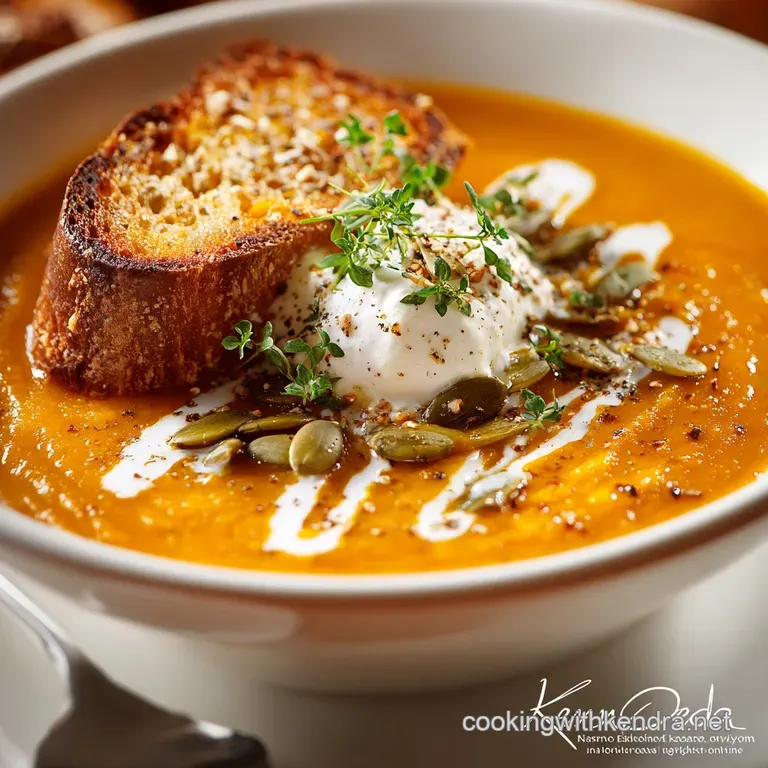
The Sunday Roast Pumpkin Soup: A Deep Dive into Comfort
When the air gets crisp and the leaves start turning rusty orange, this is truly the only thing I crave. The deep, intoxicating aroma of roasted pumpkin, ginger, and nutmeg swirling through the kitchen is pure magic, honestly.
It’s like wrapping yourself up in the warmest flannel blanket, but this blanket is totally edible.
Look, we’ve all suffered through thin, watery pumpkin purees that taste vaguely of sadness and canned vegetables. But this is the proper stuff: hearty, incredibly creamy, and bursting with deep autumn flavour.
While we do insist on roasting the pumpkin (trust me, the passive cooking time is totally worth it), the active chopping and stirring is lightning fast.
I’ve messed up pumpkin soup a thousand times in my life (once I accidentally made something that tasted exactly like sweet, bland baby food). But I finally cracked the code, and it all comes down to two specific, non-negotiable steps.
Are you ready to master the Best Pumpkin Soup recipe you will ever make? Let’s crack on.
Achieving Ultimate Texture and Depth of Flavor
Ditching the Bland: Why Roasting the Pumpkin is Non-Negotiable
This is where flavor is born, period. Many recipes skip straight to boiling the raw pumpkin, which is just a mistake, friends. Boiling gives you a thin, one-dimensional sweetness. Roasting caramelizes the pumpkin’s natural sugars.
When the pumpkin hits that high heat, those sugars brown beautifully, giving the soup an underlying toasted, nutty complexity. You get that deep, rich colour that transforms the entire depth of the dish.
The Secret Weapon: Brown Butter Sage Oil Garnish
Soup needs texture, even if it is a silky smooth one. If you just serve plain cream soup, it’s nice, but it feels a little boring, right?
The brown butter sage oil is pure genius because it hits three notes at once. You get the nutty depth from the toasted butter, the crisp texture from the fried sage leaves, and a lovely aromatic boost that screams "autumn." It takes five minutes, and it makes every bowl feel instantly restaurant worthy.
Prep Time and Difficulty Level Overview
I classify this recipe as easy, even though the total time clocks in around 75 minutes. That’s mostly hands off time while your oven does the heavy lifting.
The active prep chopping the onion, pumpkin, and garlic takes maybe 20 minutes tops. If you can handle an immersion blender, you can absolutely nail this pumpkin soup recipe on a weeknight.
Caramelization Chemistry: Unlocking Pumpkin's Natural Sugars
Think about what happens when you toast marshmallows or bake biscuits until they’re golden brown. That browning is the Maillard reaction, and it’s flavour magic.
By roasting the pumpkin at 400°F (200°C), we concentrate the flavour and create hundreds of new savory compounds. This process ensures your final soup tastes less like sweet squash and more like a rich, deeply satisfying Baked Pumpkin Soup .
Building the Silky Foundation: Broth Ratios and Blending Technique
A great pumpkin soup shouldn't be thin, but it shouldn't feel like dense paste either. Our ratio of roasted pumpkin to stock is carefully calibrated to ensure maximum viscosity without being heavy.
We use the simmering step not just to cook things, but to let the aromatics and spices truly infuse the liquid before blending. Blend it until it is perfectly, absolutely velvety smooth.
The Warming Spices Profile for a Truly Autumnal Taste
Forget aggressive, heavy handed spicing; we’re aiming for warmth and subtlety here. A hint of nutmeg and cinnamon pairs perfectly with pumpkin, enhancing its natural sweetness without taking over.
I add a tiny teaspoon of fresh grated ginger don't skip this, I beg you! It cuts through the sweetness and adds a beautiful, subtle spicy warmth that elevates this above every boring pumpkin spice soup recipe you’ve ever tried.
Essential Ingredients for the Best Homemade Pumpkin Soup
Choosing the Right Variety: Butternut vs. Sugar Pie Pumpkin
When making pumpkin soup with fresh pumpkin , you need one that is dense and not too stringy. Sugar Pie pumpkins are perfect for their flavor and low water content.
Butternut squash works just as brilliantly, or even better, because it’s usually easier to peel! If you can find Kabocha squash, grab it it offers an almost identical, creamy result.
| Ingredient to Substitute | Recommended Substitution | Notes |
|---|---|---|
| Sugar Pumpkin / Butternut Squash | Kabocha Squash or Sweet Potato (Kumara) | Sweet potato works in a pinch, but the flavor will be noticeably sweeter. |
The Role of Heavy Cream and dairy-free Alternatives
The finishing cream adds necessary richness and a smooth mouthfeel. I always use heavy cream (double cream), but full fat crème fraîche is a gorgeous option if you want a slight tang.
If you are going dairy-free, full fat canned coconut milk is your best friend here. It provides the necessary fat and richness, and the subtle coconut note actually complements the spices beautifully. Oat cream also works great and is more neutral.
Selecting Your Stock Base: Vegetable vs. Chicken Broth
I prefer vegetable stock for this specific recipe, as it allows the pure pumpkin flavour to shine through. However, if you want a slightly richer, more savory base, use low-sodium chicken stock instead.
If your pantry is bare, don’t stress. Water mixed with a tablespoon of white miso paste is a powerhouse substitute. Miso adds a deep savory umami note that provides complexity, making the soup taste like it simmered all day.
Detailed Notes on Fresh Herbs and Spices
We rely on fresh thyme and fresh grated ginger. If you absolutely must use dried herbs, remember the ratio rule: use ⅓ the amount of dried as you would fresh.
The nutmeg must be ground fresh, if possible. Once nutmeg is pre-ground and sits in a jar, it loses about 80% of its intoxicating aroma. A small microplane makes all the difference here.
Mastering the Method: step-by-step Recipe Instructions
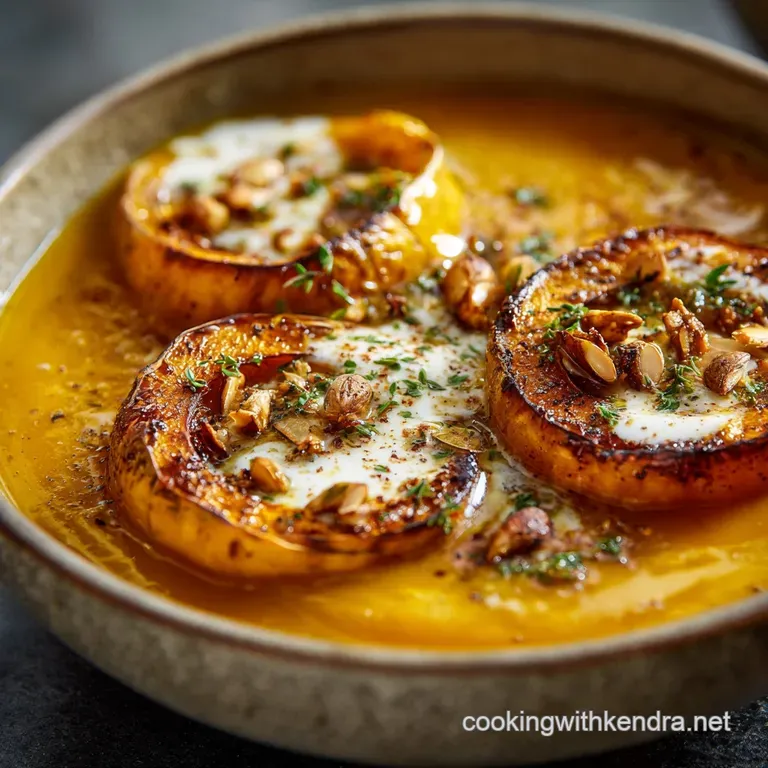
Preparing the Pumpkin: The Perfect Roast and Peel
- Prep the Oven: Preheat your oven to a blazing 400°F (200°C). Line a large baking sheet with parchment paper for easy cleanup.
- Chop and Season: Peel your pumpkin and scoop out the seeds (save them for the garnish!). Cut the flesh into uniform 1 inch (2.5 cm) cubes. Toss them with 2 Tbsp of olive oil, salt, and pepper.
- Roast for Depth: Spread the cubes in a single layer and roast for 30– 35 minutes. They are done when they are fork tender and the edges have turned a lovely, deep golden brown. Don’t pull them out early!
Building the Base: Sautéing Aromatics and Simmering
- Sweat the Vegetables: In a large stockpot, melt the butter over medium heat. Add the diced onion and carrot. Cook gently for 8– 10 minutes, stirring often, until they are very soft and translucent. You want them sweating, not browning, so keep the heat low.
- Bloom the Spices: Stir in the minced garlic, grated ginger, thyme, nutmeg, and cinnamon. Cook for just 1 minute until you smell that beautiful, fragrant burst.
- Marry the Flavors: Add the roasted pumpkin cubes to the pot along with the vegetable stock. Bring the mixture to a gentle simmer, reduce the heat, and cook for 5– 10 minutes. This allows the spices and roasted notes to fully marry with the liquid.
Chef's Note: If you want a ridiculously hearty meal, this base is where you could add a couple of peeled and diced potatoes for extra starch and body. I often do this when making a creamy soup, similar to my method for Potato Cauliflower Soup: Silky Smooth, Naturally Creamy Comfort .
The Final Blend: Achieving a Velvety Smooth Finish
- Blend Carefully: Remove the pot from the heat. Purée the soup until completely smooth. If you are using a standard stand blender, please, please be careful hot liquids expand! Only fill the blender halfway, secure the lid, and vent the top, covering the vent with a thick towel to prevent a hot soup explosion.
- Finish the Seasoning: Return the smooth soup to the pot over low heat. Stir in the heavy cream and that crucial teaspoon of lemon juice. Taste it immediately. Adjust the salt, pepper, and add a little extra acid if the sweetness feels overwhelming.
Crafting the Decadent Brown Butter Sage Topping
- Melt and Brown: In a small skillet, melt the remaining butter over medium heat. It will foam, and then the foam will subside. Watch it closely!
- Toast and Crisp: Add the whole sage leaves. Continue cooking until the milk solids settle at the bottom and turn a nutty, rich brown colour. The sage leaves will crisp up beautifully. Remove from heat the instant it smells nutty and caramelized.
- Serve: Ladle the hot soup into bowls. Drizzle the brown butter over each serving, scatter with the crispy sage leaves, and top with toasted pumpkin seeds (pepitas).
Expert Tips and Troubleshooting Your Pumpkin Soup
How to Fix a Thin or Watery Pumpkin Soup
This usually happens if you used a stock that was too watery or if you used an overly moist pumpkin variety. Don't panic; the fix is easy.
Simply remove the lid and gently simmer the soup over low heat for 10– 15 minutes. This allows excess water to evaporate, naturally reducing and thickening the soup.
You could also mix 1 Tbsp of cornstarch with 2 Tbsp of cold water and stir it into the simmering soup, thickening it quickly, but reduction is always better for flavor concentration.
Adjusting Acidity: Salt, Sweetness, and Acid Balance
Pumpkin is inherently sweet, and sweetness needs contrast to really shine. If your soup tastes heavy, dull, or just "flat," you need acid.
The lemon juice we added is mandatory, but if it still needs a kick, add another dash of lemon or maybe a tiny splash of white wine vinegar or sherry vinegar. Acid is what makes all the savory elements pop!
Immersion Blender vs. High Speed Blender Results
I love an immersion blender because it means one less dish to wash, but be warned: it introduces air and sometimes doesn't get things quite as fine.
A high speed stand blender (like a Vitamix or Ninja) yields an incredibly fine, velvety texture that is hard to beat. If you are aiming for truly professional level smoothness, use the stand blender (but remember the safety warning!).
Making Ahead: Storage, Freezing, and Reheating Guide
Refrigerating Pumpkin Soup: Best Practices
This soup is fantastic the next day! It keeps wonderfully in an airtight container in the refrigerator for about 4 days.
The flavours continue to deepen overnight, making it even better for lunch. Just make sure the soup is completely cooled before you put it in the fridge; otherwise, it traps steam and encourages bacteria growth.
Freezing Pumpkin Soup (With Cream vs. Cream Added Later)
But does it freeze well? You bet! This is a perfect batch cooking recipe.
Crucial freezing tip: Freeze the base before you add the heavy cream. Dairy products, especially those high in fat, often separate or turn grainy when thawed from frozen.
Freeze the base for up to 3 months, then thaw overnight, reheat gently, and stir in the heavy cream just before serving.
Reviving the Flavor: Tips for Reheating Without Splitting
Always reheat soup gently over low heat, stirring frequently. If you blast it in the microwave or bring it to a rolling boil on the stove, you risk splitting the cream (if the cream was already added).
If the soup seems too thick after thawing, simply add a splash of stock or water during reheating. Taste and re-season with salt and pepper flavors dull slightly after freezing.
Complete Your Meal: What to Serve with Classic Pumpkin Soup
This creamy, satisfying soup is substantial enough for a light main course, but it truly shines when paired with something savory and crisp.
The Classic Sandwich
You can’t go wrong with the ultimate classic pairing: soup and a sandwich. I like to serve this alongside a toasted sourdough grilled cheese (a cheese toastie, if you're feeling British!) using strong, sharp cheddar. The crunch and the salty cheese are the perfect foils for the creamy sweetness of the pumpkin.
If you’re looking for other rich, stick-to-your ribs comfort food, you might also love my Loaded Baked Potato Soup: Ultimate Decadent Creamy Pub Classic .
Crisp Salad
Pairing a rich soup with a sharp, bitter salad creates beautiful balance. Toss some peppery rocket (arugula) with a simple vinaigrette made of olive oil, red wine vinegar, and a pinch of flaky salt. The acidity cuts right through the soup’s richness.

Recipe FAQs
Why is roasting the pumpkin so crucial for this particular recipe?
Roasting is the foundational step that gives this soup its deep flavour complexity. The high heat caramelizes the natural sugars in the pumpkin, creating Maillard reactions that result in a nutty, intense flavour base impossible to achieve through boiling or steaming alone.
Skipping this step results in a watery, comparatively bland final product.
My soup is too thick after blending. How can I adjust the consistency?
If the soup is denser than you prefer, simply add more warm liquid (broth, water, or even milk) a quarter cup at a time. Whisk vigorously after each addition until the desired pourable, creamy consistency is achieved. Taste and adjust the seasoning after thinning, as adding liquid can dilute the salt balance.
How can I adapt this recipe to be completely vegan or dairy-free?
To make this soup vegan, substitute the heavy cream with full fat canned coconut milk or a rich oat cream for maximum creaminess. Ensure you are using vegetable broth instead of chicken broth, and replace the butter in the brown butter sage garnish with high-quality olive oil or plant based butter.
Which type of pumpkin or squash yields the best flavour and texture for this soup?
Sugar pumpkins (or pie pumpkins) are the superior choice, as they have a lower water content and a sweeter flavour than carving pumpkins, resulting in a more concentrated soup base. Butternut squash is also an excellent and widely available alternative, providing similar sweetness and a velvety smooth texture.
The finished soup tastes a little flat. How can I enhance the overall depth and spice?
Blandness in soup usually indicates a need for balancing agents. Add a squeeze of lemon juice or a splash of apple cider vinegar right at the end of cooking to introduce necessary acidity and brighten the flavours.
Ensure you have also seasoned adequately with salt, as this is critical for amplifying the sweet and spicy notes.
What is the best way to store leftovers, and can I freeze this soup?
Store cooled leftovers in an airtight container in the refrigerator for up to 4 days. This soup freezes exceptionally well; ensure it is cooled completely before transferring it to freezer safe containers, leaving about an inch of headspace for expansion. It will maintain quality in the freezer for up to three months.
What is the safest way to blend the hot soup without creating a mess?
If using a standard countertop blender, only fill the carafe halfway, as hot steam expands rapidly. Crucially, remove the small plastic cap from the lid and cover the opening with a folded kitchen towel while blending on a low speed, which allows steam to escape while preventing splatters.
Roasted Creamy Pumpkin Soup Recipe
Ingredients:
Instructions:
Nutrition Facts:
| Calories | 290 kcal |
|---|---|
| Fat | 20 g |
| Fiber | 6 g |
