Roasted Garlic Red Skin Mashed Potatoes
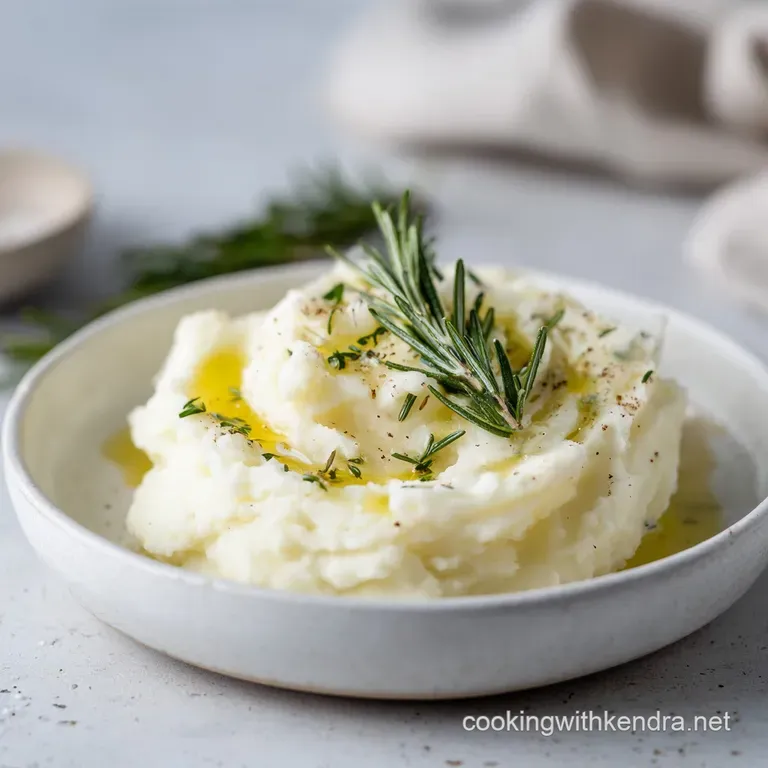
- Time: Active 10 minutes, Passive 15 minutes, Total 25 minutes
- Flavor/Texture Hook: Silky, garlic infused texture with the earthy "snap" of red skins.
- Perfect for: Busy weeknight dinners or a comforting Sunday roast centerpiece.
- Simple Steps for the Best Creamy Mashed Potatoes
- Why Most Recipes Get This Wrong
- Understanding the Components of Perfect Texture
- Essential Tools for a Silky Mash
- Detailed Walkthrough for Flawless Results
- Fixing Texture Issues and Common Errors
- Innovative Ideas for Leftover Mashed Potatoes
- Debunking Common Potato Myths
- Keeping Your Potatoes Fresh and Tasty
- Making Your Side Dish Look Professional
- Recipe FAQs
- 📝 Recipe Card
Simple Steps for the Best Creamy Mashed Potatoes
Picture this: It's a rainy Tuesday, the kids are hovering around the kitchen island asking when dinner will be ready, and you've got a roast chicken in the oven that smells like heaven. The only thing missing is that big, steaming bowl of comfort that ties everything together.
I remember one specific Thanksgiving where I was so rushed I just threw cold milk into my hot potatoes. The result? A lukewarm, gummy mess that sat untouched. It was a total kitchen heartbreak, but it taught me the most important lesson about Mashed Potatoes: temperature and moisture control are everything.
We are going for that specific rustic vibe today using red skin potatoes. There is something so satisfying about the way the red peels provide a little color and texture against the velvety white mash. You don't need a fancy ricer or a million expensive gadgets to make this happen.
We're keeping it practical, budget friendly, and most importantly, family approved. This isn't about some "culinary journey" or "elevating" a side dish; it's about making sure that when you sit down after a long day, that first forkful actually tastes like home.
This method works because we treat the potatoes with a little respect. Instead of just boiling them to death and hoping for the best, we are going to infuse our dairy with garlic and rosemary while the potatoes simmer.
It’s a small extra step that happens while you're already waiting, so it adds zero time to your schedule but a massive amount of flavor to the final bowl. Let's get into why this actually works so you can nail it every single time.
Why Most Recipes Get This Wrong
The Steam Dry Secret: After draining, we return the potatoes to the hot pot for 60 seconds. This evaporates the lingering water that causes a "drippy" or soupy mash, leaving space for the butter and cream to actually soak into the starch.
Thermal Harmony: Adding cold dairy to hot potatoes shocks the starch, which can lead to a gluey, unappetizing texture. By simmering the butter and cream together first, we keep the potato cells relaxed and ready to absorb all that richness.
Aromatic Infusion: Rather than tossing in raw garlic or dried herbs at the end, we simmer smashed garlic and rosemary sprigs in the dairy. This creates a rounded, mellow flavor that tastes like it took hours to develop, even though it only took 15 minutes.
Skin On Structural Integrity: Leaving the skins on red potatoes doesn't just save time on peeling; it provides a rustic texture that holds up better against heavy gravies or hearty stews.
| Method | Total Time | Texture | Best For |
|---|---|---|---|
| Traditional Boiled | 30 minutes | Smooth but can be watery | Standard weekday sides |
| The Infused Steam Dry | 25 minutes | Velvety with rustic bites | Sunday roasts & holidays |
| Microwave Express | 15 minutes | Denser, slightly uneven | Solo meals or true emergencies |
Choosing the right method depends on how much you care about that final bite. While the microwave is fast, the steam dry method ensures you aren't serving a puddle of potato water on your plate. If you find yourself making these often, they are the perfect base for a Classic Shepherds Pie later in the week.
Understanding the Components of Perfect Texture
When you're shopping on a budget, red skin potatoes are often a fantastic deal because they are sold in bulk bags and require zero peeling. They have a lower starch content than Russets, which means they hold their shape better and offer a "creamy" rather than "fluffy" result.
In my house, we call these "honest potatoes" because they don't hide behind a perfectly smooth facade.
| Component | Science Role | Pro Secret |
|---|---|---|
| Red Skin Potatoes | Waxy texture that holds up | Cut them into exactly 1 inch cubes for even cooking. |
| Heavy Cream | High fat for mouthfeel | Never boil it hard; a gentle simmer prevents curdling. |
| Unsalted Butter | Controlled salt and richness | Add it to the cream so it melts evenly before hitting the pot. |
| Fresh Rosemary | Volatile oil infusion | Bruise the leaves slightly before dropping the sprig in. |
The heavy cream is the one area where I suggest not cutting corners. You might be tempted to use milk to save a few pennies, but the fat in the cream is what prevents the potatoes from feeling "grainy." If you're looking for a different spin on this texture, you might enjoy comparing this to a Pure de Papa which often uses different fat ratios for a different style of silkiness.
Essential Tools for a Silky Mash
You don't need a cabinet full of professional gear to get this right. Honestly, some of the best Mashed Potatoes I've ever made were smashed with a sturdy fork in a college dorm. However, for the family dinner table, a few basic items make the job much easier. A large, heavy bottomed pot is your best friend here.
It holds heat better, which is crucial during that "steam dry" step where we want to kick off the excess moisture.
A simple hand masher is all you need for red skins. Since we want that rustic look, a ricer is actually overkill and might make the skins look a bit messy. I also highly recommend a silicone spatula for the final folding step.
It allows you to scrape the bottom of the pot and incorporate the cream without overworking the starch. If you over mix with a whisk or a hand mixer, you risk turning your beautiful side dish into something resembling wallpaper paste.
Chef Tip: If you don't have a masher, a sturdy whisk can work in a pinch, but "tamp" the potatoes rather than stirring them. We want to break the cells, not whip them into a frenzy!
Detailed Walkthrough for Flawless Results
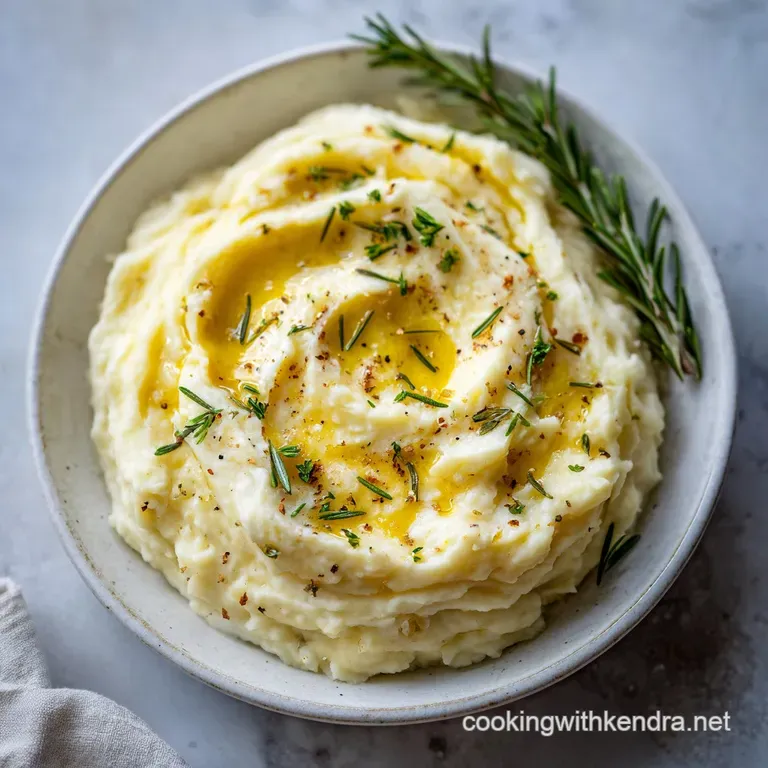
- Scrub the 3 lbs red skin potatoes thoroughly to remove any dirt, then cut them into uniform 1 inch cubes. Note: Keeping the size consistent ensures they all finish cooking at the exact same time.
- Place potatoes in a large pot and cover them with cold water by at least an inch. Add the 1 tablespoon of sea salt now. Wait for a rolling boil, then drop the heat to a simmer.
- Simmer for 12–15 minutes until the chunks are fork tender. Test by piercing a large cube; it should slide off the fork with zero resistance.
- Prepare the infusion while the potatoes boil. In a small saucepan, combine 1/2 cup unsalted butter, 1 cup heavy cream, 4 smashed garlic cloves, and 2 rosemary sprigs over low heat.
- Drain the potatoes thoroughly in a colander. Don't let them sit there too long; we need them hot for the next step.
- Return potatoes to the hot pot over low heat for 60 seconds. Shake the pot constantly until a thin white film forms on the bottom. Note: This is the steam escaping, which is exactly what we want.
- Strain the dairy mixture to remove the garlic and rosemary. Discard the aromatics or save the garlic for spreading on bread later.
- Begin mashing the dry potatoes while they are still steaming hot. Do this before adding any liquid to ensure there are no large lumps.
- Slowly fold in the warm dairy using your spatula. Stop as soon as the liquid is absorbed to keep the texture velvety and light.
- Finish the dish with a 1/2 teaspoon of freshly cracked black pepper, a 1 teaspoon drizzle of olive oil, and a 1/2 teaspoon sprinkle of flaky sea salt.
Fixing Texture Issues and Common Errors
Even the most seasoned home cook can have an "off" day. Maybe the phone rang and you left the potatoes boiling five minutes too long, or perhaps you realized too late that you ran out of heavy cream. Most Mashed Potatoes "disasters" are actually fixable if you catch them early enough.
The most common issue is a gummy texture, which usually happens from over handling or using a food processor (never do that!).
Why Your Mash Is Gummy
If your potatoes feel stretchy or like glue, the starch molecules have been broken too aggressively. Once this happens, you can't "un glue" them, but you can save the meal. Spread the potatoes in a baking dish, top with extra cheese and breadcrumbs, and bake until bubbly.
The crispy topping distracts from the texture of the mash.
Why Your Mash Is Watery
This usually happens because the potatoes weren't drained well or the "steam dry" step was skipped. If you find yourself with a soupier mash than you intended, put the pot back on very low heat and stir gently.
Some of the moisture will evaporate, though you have to be careful not to scorch the dairy now that it's already mixed in.
| Problem | Root Cause | Solution |
|---|---|---|
| Lumpy Texture | Underboiled or cold potatoes | Mash more vigorously before adding liquid; use a fork for stubborn bits. |
| Bland Flavor | Not enough salt in water | Add a pinch of salt at the very end and a splash of lemon juice to brighten. |
| Cold Centers | Adding cold cream/butter | Always heat your dairy components together before mixing. |
Common Mistakes Checklist
- ✓ Don't start with hot water: Always start potatoes in cold water so the outside doesn't turn to mush before the inside is cooked.
- ✓ Never use a blender: The high speed shears the starch, creating a literal paste. Stick to a hand masher.
- ✓ Salt the water heavily: This is your only chance to season the inside of the potato.
- ✓ Check for "Fork Tender": If there's any crunch left, your mash will be grainy.
- ✓ Don't skip the rest: Letting the potatoes sit for just 2 minutes after mashing helps the flavors meld.
Innovative Ideas for Leftover Mashed Potatoes
When it comes to scaling this recipe, Mashed Potatoes are very forgiving. If you're cooking for a huge crowd, you can easily double the 3 lbs of potatoes to 6 lbs. Just remember that you don't necessarily need to double the rosemary; 3 sprigs are usually enough for a double batch to avoid it tasting like a pine tree.
Scaling Down for Two
If you only need a couple of servings, use 1 lb of potatoes. Reduce the salt in the water to a teaspoon. For the dairy, you'll still want to use about 1/3 cup of cream and 2 tablespoons of butter to maintain that richness. Use a smaller pot so the water doesn't evaporate too quickly during the boil.
Scaling Up for a Crowd
When doubling or tripling, the biggest challenge is the boiling time. A massive pot of water takes a long time to reach a boil, so start it earlier than you think. You might also need to mash in batches if your pot isn't wide enough to get a good leverage with the masher.
| Servings | Potato Weight | Butter Amount | Cream Amount |
|---|---|---|---|
| 2 People | 1 lb | 2.5 tbsp | 1/3 cup |
| 6 People | 3 lbs | 1/2 cup | 1 cup |
| 12 People | 6 lbs | 1 cup | 1.75 cups |
If you have leftovers, please don't just microwave them and call it a day. Leftover mash is the "secret weapon" of the budget cook. You can mix in an egg and some flour to make potato pancakes, or use them as a thickener for a corn chowder.
My favorite trick is to use them as a topping for a quick shepherd's pie using leftover pot roast.
Debunking Common Potato Myths
There's a lot of "old wives' tale" advice floating around about potatoes. One of the biggest myths is that you have to peel potatoes to get a "good" mash. Honestly, for red skins, the peel is where a lot of the flavor and vitamins live.
As long as you scrub them well, the skins add a beautiful rustic look that screams "homemade" rather than "instant flakes from a box."
Another myth is that adding oil to the boiling water prevents sticking. Potatoes aren't pasta! They won't stick together in the water. Save your olive oil for the very end where you can actually taste it. I also hear people say you should "soak" potatoes for hours to remove starch.
While this helps with French fries, it's unnecessary for Mashed Potatoes. We want some of that starch to help bind the butter and cream into a cohesive sauce.
Keeping Your Potatoes Fresh and Tasty
If you have leftovers (lucky you!), you can store them in an airtight container in the fridge for up to 4 days. When you go to reheat them, they will likely have firmed up quite a bit. Don't just zap them in the microwave, or they'll get oily.
Add a splash of milk or a tiny knob of butter before heating to bring back that velvety texture.
For zero waste cooking, if you do decide to peel your potatoes for a different recipe, save those skins! Toss them with a little oil and salt and bake them at 400°F (200°C) until crispy. They make a fantastic snack that tastes like a thick cut potato chip.
Also, that rosemary garlic infused cream? If you have extra, it's incredible stirred into a white gravy or used as a base for a creamy pasta sauce the next day.
Freezing Tip: You actually can freeze Mashed Potatoes! Because this recipe has a high fat content from the butter and cream, they hold up well in the freezer. Store them in a freezer bag, flattened out, for up to 2 months.
To reheat, let them thaw in the fridge overnight and then warm them slowly on the stovetop.
Making Your Side Dish Look Professional
Presentation is the final step that turns a "side dish" into a "showstopper." I like to use a wide, shallow bowl rather than a deep one. This gives you more surface area for toppings. Use the back of a large spoon to create "swooshes" and "wells" in the top of the mash.
This isn't just for looks those little valleys act as reservoirs for the olive oil and melted butter.
Finish with the flaky sea salt right before serving. It provides a tiny "crunch" that contrasts beautifully with the soft potato. If you have some extra rosemary, finely mince a few leaves and scatter them over the top for a pop of green. It tells your guests exactly what flavors to expect before they even take a bite.
Serving these alongside something with a deep sauce, like a beef stew or a roast with gravy, makes for the ultimate comfort meal. Trust me, once you start using the steam dry method and the infused cream, you'll never go back to the basic way again. Your family will definitely notice the difference.

Recipe FAQs
What is the secret to really good mashed potatoes?
The secret is moisture control and proper seasoning. You must drain the potatoes and return them to the hot pot for 60 seconds, shaking constantly to evaporate excess steam before adding your dairy; this ensures they absorb the butter and cream perfectly rather than becoming watery.
How do you make the perfect mashed potatoes?
Start by scrubbing your red skin potatoes and cutting them into uniform 1 inch cubes. Boil them in cold, heavily salted water for 12 15 minutes until fork tender, then fold in your warm garlic and rosemary infused cream and butter mixture using a silicone spatula to maintain a light, fluffy
texture.
Are mashed potatoes good for upset stomach?
Yes, they are generally considered a gentle, easy-to-digest food. Because potatoes are starchy and low in fiber, they are soothing, though you may want to reduce the amount of heavy cream and butter if you are currently experiencing significant digestive sensitivity.
How long should I boil my potatoes for mashed potatoes?
Simmer them for 12 15 minutes after the water reaches a boil. Always check for doneness by piercing a cube with a fork; if there is any resistance or crunch in the center, they need more time to prevent a grainy final texture.
Is it true I must use a blender to get them smooth?
No, this is a common misconception. Using a blender or food processor shears the potato starch, which turns your mash into a gluey, gummy paste; stick to a manual hand masher to keep the texture light and appetizing.
Should I start with boiling water to save time?
No, this is a common mistake. You must always start your potatoes in cold water so that the exterior and interior cook at an even rate; otherwise, the outside becomes mushy and waterlogged before the center is fully tender.
Can I prepare this dish ahead of time for a large meal?
Yes, you can hold them warm, but keep the prep simple. If you enjoyed learning the comfort food classics approach to one-pot cooking, you will find that keeping these potatoes warm in a low-heat environment for a short time after mashing allows the rosemary and garlic flavors to deepen further.
Roasted Garlic Red Skin Mashed Potatoes
Ingredients:
Instructions:
Nutrition Facts:
| Calories | 442 kcal |
|---|---|
| Protein | 5.4 g |
| Fat | 31.2 g |
| Carbs | 37.8 g |
| Fiber | 4.6 g |
| Sugar | 2.8 g |
| Sodium | 385 mg |
