Rosca De Reyes: Citrus Bread
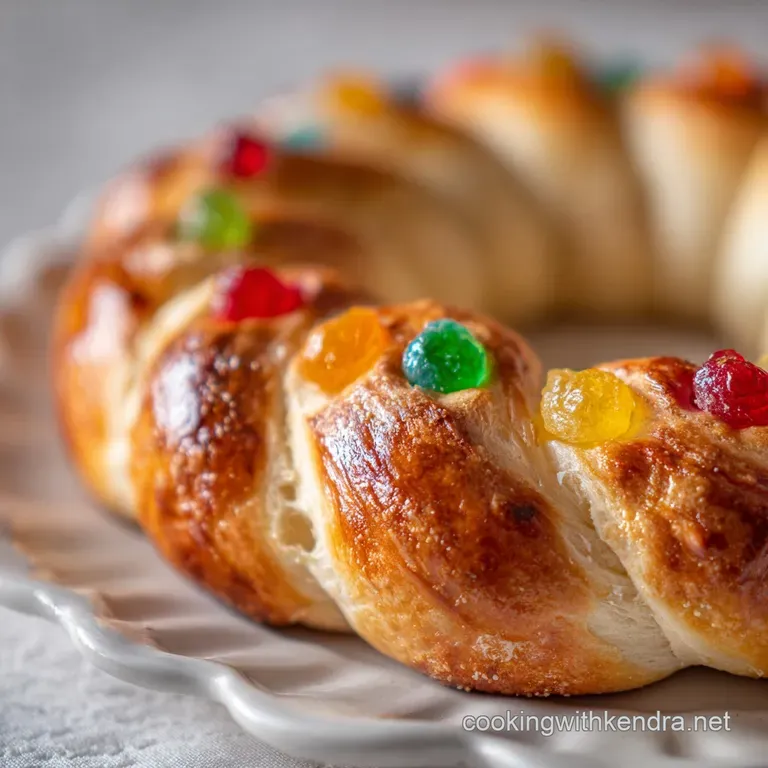
- Time: Active 45 minutes, Passive 3 hours, Total 3 hours 45 mins
- Flavor/Texture Hook: Velvety crumb with crackly sugar crust
- Perfect for: Epiphany celebrations or cozy winter brunch
- Bake the Most Aromatic Homemade Rosca de Reyes
- Why This Recipe Works
- Essential Specs for This Traditional Festive Bread
- Selecting High Quality Ingredients for Soft Crumb
- Tools You Need for This Large Ring
- Step by Step Method for Shaping the Ring
- Solving Common Dough and Texture Problems Quickly
- Customizing Your Sweet Bread with Different Flavors
- Busting Longstanding Myths About Mexican Sweet Breads
- Freezing and Reviving Your Leftover King Cake
- Finishing Touches for a Beautiful Holiday Table
- Rosca de Reyes FAQs
- 📝 Recipe Card
Bake the Most Aromatic Homemade Rosca de Reyes
Have you ever brought home one of those massive boxes from the grocery store, only to find the bread inside is as dry as a desert and tastes like nothing but disappointment? I've been there more times than I care to admit, usually picking off the neon cherries and leaving the rest on the plate.
But let me tell you, when you pull a fresh, golden ring out of your own oven, the scent of orange blossom water and toasted sugar filling your kitchen is enough to make you weep with joy.
This recipe is all about that "just baked" magic that you simply cannot get from a plastic container. We are talking about a crumb so soft it springs back when you touch it, and a topping that provides that iconic, crackly sweetness we all fight over at the table.
It is the kind of bread that makes people hang around the kitchen, waiting for that first warm slice.
I've spent years tweaking this dough to get it exactly right, moving away from the stiff, heavy loaves of my early attempts. We are going for something closer to a brioche but with that unmistakable Mexican flair.
Whether you are hiding the little figurines for a crowd or just want a festive treat with your morning coffee, this version is going to be your new tradition.
Why This Recipe Works
The Science of Why it Works
This bread relies on the process of gluten development through hydration and fat incorporation, where the high fat content from eggs and butter coats gluten strands to create a tender, velvety crumb.
The yeast ferments the sugars, producing carbon dioxide that gets trapped in this elastic network, resulting in a significant rise and airy texture.
- Enriched Hydration: By using whole milk and three large eggs, we create a fat rich environment that limits gluten strength just enough to keep the bread soft rather than chewy. This is very similar to the technique used in my favorite Mexican Pastries recipe which results in that signature melt in-your mouth feel.
- Aromatic Infusion: Rubbing the 2 tablespoons of fresh orange zest directly into the granulated sugar releases essential oils that provide a deeper citrus perfume than just tossing the zest into the flour.
- Starch Gelatinization: The high baking temperature initially causes the starches to swell and set, while the sugar paste on top creates a moisture barrier that keeps the interior from drying out during the 30 minutes in the oven.
- Maillard Reaction: The combination of the egg wash and the high sugar content in the dough ensures a deep, mahogany crust that develops complex, toasted flavors.
Chef's Tip: Freeze your unsalted butter for about 10 minutes before cubing it. When you work those cold cubes into the dough one-by-one, it creates tiny pockets of steam that contribute to a much lighter, fluffier internal structure.
Essential Specs for This Traditional Festive Bread
Before we get our hands messy, let's look at how this homemade version stacks up against the shortcut methods often used in bakeries. Taking the extra time for a slow rise makes a world of difference in the final aroma and longevity of the bread.
| Feature | Fresh Homemade | Shortcut/store-bought |
|---|---|---|
| Texture | Silky, airy, and moist | Dense, crumbly, and dry |
| Aroma | Natural citrus and blossom | Artificial vanilla and yeast |
| Shelf Life | Stays soft for 3 days | Stale within 12 hours |
The biggest difference you'll notice is the "shatter" of the sugar crust. In this version, we use vegetable shortening in the topping, which provides a higher melting point than butter, keeping those white strips distinct and crisp rather than melting into the dough.
| Ingredient | Science Role | Pro Secret |
|---|---|---|
| Active Dry Yeast (7g) | Primary leavening agent | Bloom in 38°C milk for maximum activity |
| Large Eggs (3) | Emulsifier and structure | Use room temp eggs to avoid seizing the butter |
| Orange Blossom Water (1 tbsp) | Volatile aromatic compound | Add last to keep the scent from dissipating |
| Vegetable Shortening (1/2 cup) | Fat for sugar paste | Cream with sugar until it looks like frosting |
One mistake I once made was using cold milk directly from the fridge. It stunted the yeast so badly that my rosca looked like a flat tire. Always use a thermometer to hit that 38°C (100°F) sweet spot.
Selecting high-quality Ingredients for Soft Crumb
Getting your ingredients ready is half the battle. You want everything at room temperature so the dough comes together in a silky, cohesive mass.
- 4 cups All purpose flour: Provides the base structure. Why this? AP flour has enough protein for rise but keeps things tender.
- Substitute: Bread flour (results in a chewier, more bread like texture).
- 7g Active dry yeast: Our lift. Why this? Standard yeast gives a reliable, steady rise for heavy doughs.
- Substitute: 21g fresh yeast (tripled weight for fresh).
- 1/4 cup Whole milk: Hydration and fat. Why this? The fat in whole milk creates a richer crumb than water.
- Substitute: Evaporated milk (extra richness and a slight caramel note).
- 1/2 cup Unsalted butter: Tenderness. Why this? Butter adds flavor and a velvety mouthfeel.
- Substitute: Margarine (Note: Lacks the deep buttery flavor but works for dairy-free).
- 1 tbsp Orange blossom water: The soul of the bread. Why this? This is the "floral" note that defines a traditional rosca.
- Substitute: 1 tsp orange extract (Note: More intense, less floral).
- 100g Quince paste (ate de membrillo): Decoration. Why this? Traditional topping that holds its shape well when baked.
- Substitute: Guava paste (sweeter, more tropical flavor).
- 4 small plastic Baby Jesus figurines: The tradition. Why this? It's not a rosca de reyes without the hidden surprises!
- Substitute: Whole almonds (a safer, edible alternative).
Trust me on this: do not skip the orange blossom water. It is what separates a standard sweet roll from an authentic rosca de reyes. You can usually find it in the international aisle or at a Mediterranean market.
Tools You Need for This Large Ring
You don't need a professional bakery setup, but a few specific tools will make your life much easier. This dough is quite sticky at first, so having the right equipment prevents a flour covered disaster in your kitchen.
- Stand mixer (such as KitchenAid): This is a heavy dough. A mixer with a dough hook will save your arms from a 15 minute workout.
- Digital kitchen scale: Measuring your flour by weight (approx 125g per cup) is the only way to ensure the bread isn't dry.
- Large rimmed baking sheet: You'll need space for the ring to expand during the second proof.
- Bench scraper: Perfect for handling the sticky dough and cleaning your work surface without using too much extra flour.
- Silicone pastry brush: For a gentle, even application of the egg wash without deflating the dough.
Chef's Tip: If you don't have a stand mixer, don't worry! You can use the "slap and fold" method on your counter. It takes about 20 minutes of work, but it develops the gluten beautifully without adding excess flour.
step-by-step Method for Shaping the Ring
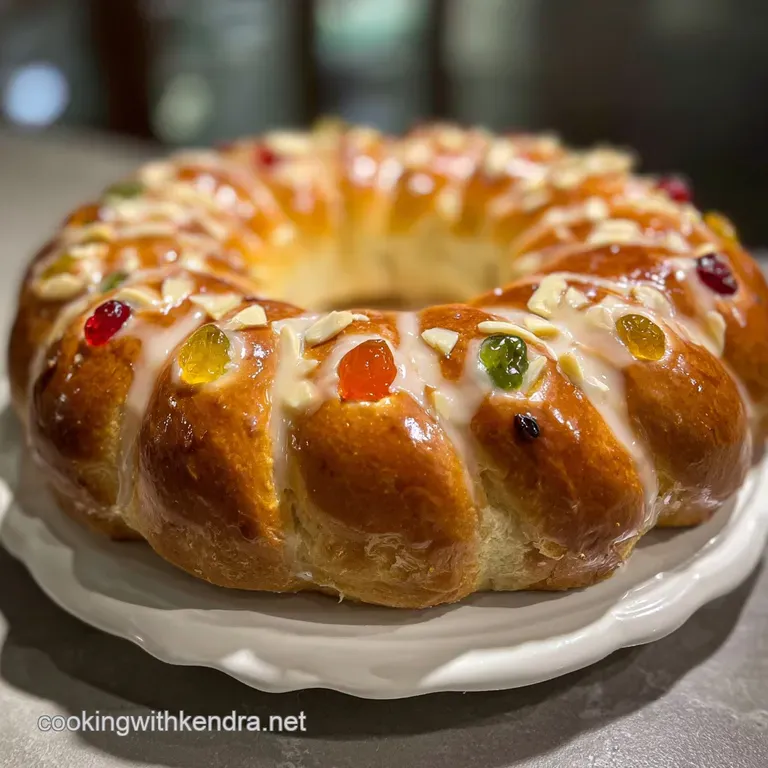
Right then, let's crack on with the actual making. Follow these steps closely, and pay attention to the sensory cues. Your kitchen should start smelling like a citrus grove about halfway through.
- Bloom the yeast. Mix 7g active dry yeast with 1/4 cup lukewarm milk and 1 tsp granulated sugar. Note: Wait 10 min until it looks like a frothy cappuccino.
- Infuse the sugar. Rub 2 tbsp orange zest into 3/4 cup granulated sugar with your fingertips. Note: This releases the oils until the sugar looks damp and smells intense.
- Mix the base. Combine the yeast mixture, infused sugar, 4 cups flour, 1/2 tsp salt, 3 eggs, and 1 tbsp orange blossom water in your mixer. Mix until a shaggy dough forms.
- Incorporate the butter. Add 1/2 cup softened butter one tablespoon at a time while mixing. Continue until the dough is silky and pulls away from the bowl.
- First proof. Place the dough in a greased bowl, cover, and let rise in a warm spot for 1 hour 30 mins. Wait until it has doubled in size and looks puffy.
- Shape the ring. Punch down the dough and form it into a long log, then join the ends on a baking sheet. Note: Tuck the plastic figurines into the bottom of the dough now.
- Prepare the topping. Cream 1/2 cup shortening with 1/2 cup powdered sugar and 1/2 cup flour. Mix until it forms a smooth, pliable paste.
- Decorate the rosca. Brush the ring with egg wash (1 egg + 1 tsp milk), then add strips of the sugar paste, quince paste, and cherries. Press the decorations gently so they stick.
- Second proof. Let the decorated ring sit for 45 minutes. Watch for the dough to look nearly doubled and feel airy.
- Bake to golden. Bake at 180°C for 30 minutes. Remove when the crust is deep golden and the sugar strips have hardened.
| Original Ingredient | Substitute | Why It Works |
|---|---|---|
| Vegetable Shortening | Room Temp Butter | Same fat content. Note: Topping will be softer and may spread more in the oven. |
| Whole Milk | Unsweetened Soy Milk | Similar hydration. Note: Results in a slightly less rich flavor profile. |
| Quince Paste | Dried Apricots | Provides sweetness and chew. Note: Lacks the traditional tartness of quince. |
The most important "smell check" happens at step 1. If that yeast doesn't smell earthy and slightly sour after 10 minutes, throw it out and start over. Dead yeast is the number one reason for a rock hard rosca.
Solving Common Dough and Texture Problems Quickly
We've all had those moments where the dough just isn't cooperating. Don't panic! Most issues with this bread come down to temperature or patience.
Why Your Bread is Dense and Heavy
If your rosca comes out feeling like a brick, it usually means the dough didn't proof long enough or the yeast was expired. This dough is heavy with fat and sugar, which naturally slows down the yeast. Give it more time! If your kitchen is cold, try putting the dough in the oven with just the light turned on.
Why Your Ring Lost Its Shape
Sometimes the "hole" in the middle disappears as the bread bakes. To prevent this, place a greased, oven safe glass or ramekin in the center of the ring before the second proof and keep it there while baking. This forces the dough to expand outward instead of inward.
Why Your Sugar Strips Melted
If the sugar paste ran down the sides of the bread, your shortening might have been too warm, or you didn't use enough flour in the paste. The paste should feel like play dough. If it feels like frosting, chill it for 15 minutes and knead in another tablespoon of flour before applying.
| Problem | Root Cause | Solution |
|---|---|---|
| Crust is too dark | Oven temp too high | Tent with foil after 20 minutes of baking |
| Dough won't stop sticking | High hydration | Use a bench scraper and chill dough for 30 mins |
| Fruit falls off | Surface too dry | Ensure egg wash is tacky when applying fruit |
If you find yourself with a dough that is just too sticky to handle, resist the urge to dump in more flour! Every extra tablespoon of flour makes the final bread drier. Instead, let the dough rest for 10 minutes.
This allows the flour to fully hydrate, making it much easier to manage without changing the recipe's balance.
Customizing Your Sweet Bread with Different Flavors
While the traditional version is a classic for a reason, I know some of you like to get creative. Scaling this recipe up for a big party is easy, just remember the salt rule!
- Scaling Up: If you are making two rings, double everything except the salt and spices. Increase those by only 1.5x to prevent the flavor from becoming overpowering.
- Scaling Down: This recipe is already perfectly sized for a medium large crowd. If you want a tiny one, you can halve the dough, but you'll need to beat one egg and use exactly half by weight (about 25g).
Filling or No Filling
Some modern versions feature a cream cheese or chocolate filling. If you go this route, roll the dough into a flat rectangle, spread your filling, and then roll it up like a cinnamon roll before forming the ring. Just be aware that a filled rosca takes about 5-10 minutes longer to bake through.
Flour Type Comparison
I always stick with All purpose for that soft, Southern style biscuit tenderness, but if you want a rosca that can stand up to heavy dipping in Mexican hot chocolate, Bread flour is your friend. It provides more "chew" and keeps the structure better if you are making a massive, 24 inch ring.
Fruit Decoration Choices
If you can't find candied citron or quince paste, don't sweat it. I've used dried figs, candied pineapple, and even strips of thick marmalade in a pinch. The key is to use something with low moisture so it doesn't bleed into the dough while baking.
Busting Longstanding Myths About Mexican Sweet Breads
There are so many "rules" floating around about this bread, but let's clear the air on what actually matters. Honestly, some of the things people tell you are just old wives' tales.
- The "Sugar Myth": Many people think the sugar paste is just for looks. In reality, that paste acts as a barrier, trapping steam inside the dough. This is why the sections under the sugar are always the softest parts of the bread.
- Searing the Yeast: You might hear that you need "scalding" milk to wake up yeast. This is a lie! Anything over 45°C (113°F) will actually kill the yeast cells. Warm to the touch is all you need.
- Kneading Forever: You don't need to knead until your arms fall off. Once the dough passes the "windowpane test" (where you can stretch a piece thin enough to see light through it without it tearing), you are done. Over kneading can actually lead to a tough, rubbery loaf.
Freezing and Reviving Your Leftover King Cake
This bread is definitely best on day one, but since it makes 15 servings, you might have leftovers. Don't let them go to waste!
Storage: Keep the rosca in an airtight bag or under a cake dome at room temperature for up to 3 days. Do not refrigerate it, as the cold air will pull moisture out of the crumb and turn it stale instantly.
Freezing: You can freeze individual slices wrapped tightly in plastic wrap and then foil for up to 2 months. To eat, let them thaw at room temperature and then give them a 10 second zap in the microwave to soften the butter back up.
Zero Waste: If your bread does get a bit dry, it makes the most incredible French toast you have ever had in your life. The orange blossom water and citrus notes are heavenly when soaked in a custard and fried in butter. You can also dry out cubes of it to make a festive bread pudding.
Finishing Touches for a Beautiful Holiday Table
When it comes to serving your rosca de reyes, presentation is everything. This is a "centerpiece" bread, meant to be shared with laughter and plenty of drinks.
- The Big Reveal: Don't tell your guests where the figurines are! It's much more fun to watch everyone's face as they take that first cautious bite. Traditionally, whoever finds the baby has to host a tamale party in February.
- The Pairing: This bread was practically made to be dipped. Serve it alongside a big pot of Mexican hot chocolate or champurrado. The spices in the chocolate perfectly complement the floral notes in the bread.
- The Shine: If you want your rosca to look like it came from a high end patisserie, brush the fruit sections with a little bit of warm apricot jam right when it comes out of the oven. It gives it a professional "glaze" that makes the colors pop.
Making this bread is a labor of love, but the first time you pull that aromatic, golden ring out of the oven, you'll see why it's a tradition worth keeping. There's just no substitute for the warmth and soul of a homemade rosca. Now, go get your flour ready it's time to bake!
Common Questions About Authentic Rosca
Is rosca de reyes the same as King Cake? While they share a similar name and the tradition of hiding a baby figurine, the Mexican version is a citrus flavored bread decorated with candied fruits and sugar paste.
The New Orleans version is typically a rolled cinnamon style cake covered in purple, green, and gold sanding sugar.
Can I make the dough in a bread machine? Yes! You can use the "dough" setting on your bread machine to handle the mixing and first rise. Once the cycle is finished, remove the dough, shape it into a ring, and follow the instructions for the second proof and baking.
What if I can't find quince paste? Quince paste (ate de membrillo) is traditional, but you can use any thick fruit leather or even firm preserves. Guava paste is the most common substitute and is widely available in the Hispanic section of most large grocery stores.
How do I know when the bread is done? The best way is to use an instant read thermometer. The internal temperature should be 88°C (190°F). Visually, the bread should be a deep golden brown, and the sugar strips should feel firm to the touch.
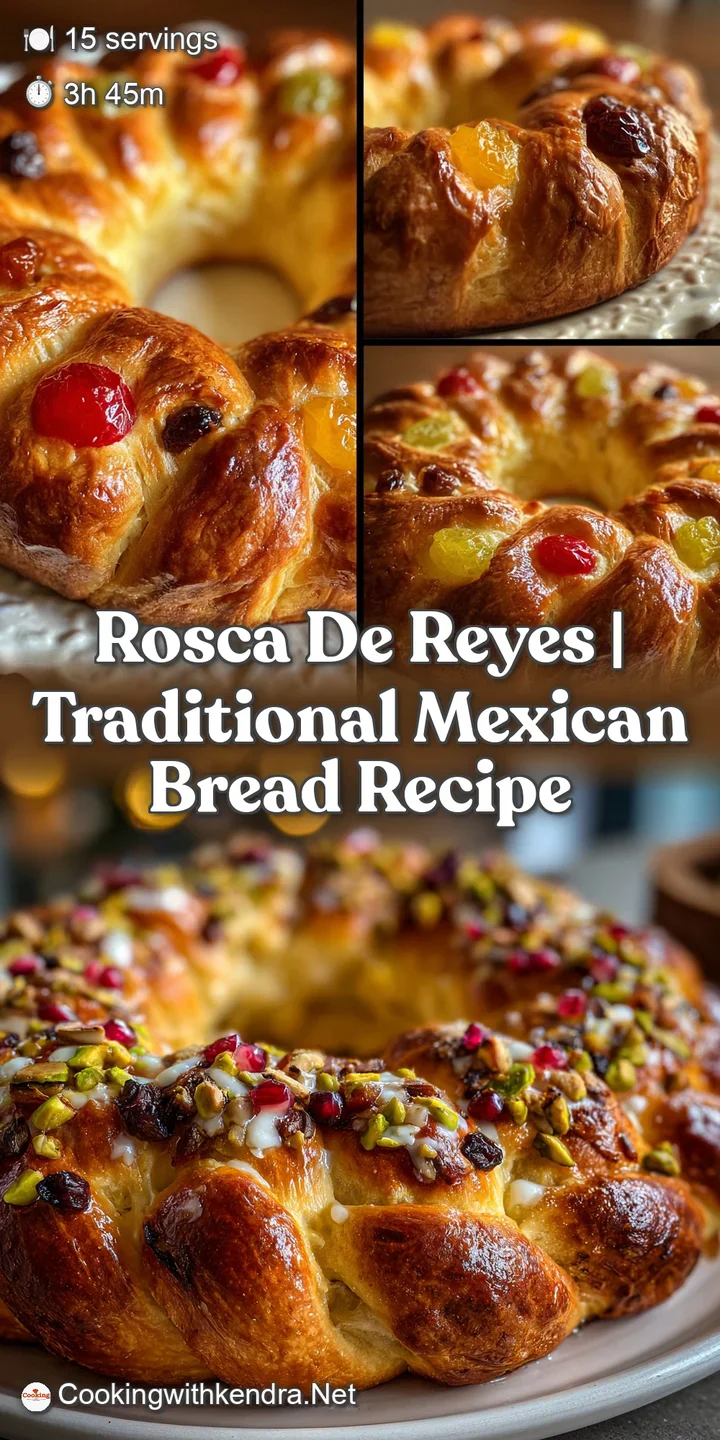
Rosca de Reyes FAQs
What does it mean to get the baby in Rosca de Reyes?
It means you are responsible for hosting the next celebration. Traditionally, whoever finds the baby figurine hidden in their slice must host a tamale party in February.
What day do you cut the Rosca de Reyes?
On January 6th, Epiphany (Three Kings Day). This is the day families traditionally gather to share the bread and celebrate the arrival of the Three Wise Men.
Is Rosca de Reyes a Catholic tradition?
Yes, it is deeply rooted in Catholic tradition. The bread commemorates the Epiphany, the day the Three Wise Men arrived in Bethlehem to present gifts to the baby Jesus. The hidden baby figurine represents Jesus.
What do Mexicans eat on Three Kings Day?
Rosca de Reyes is the star, often accompanied by hot chocolate or champurrado. This sweet bread is the most iconic dish for the holiday, symbolizing the crown worn by the kings and the jewels they carried.
Can I use a different type of flour for Rosca de Reyes?
Yes, bread flour can be used for a chewier texture. All-purpose flour creates a soft, tender crumb similar to biscuits, while bread flour provides more structure and chew, making it ideal for larger or more robust loaves.
How do I prevent my Rosca de Reyes sugar strips from melting?
Ensure your sugar paste is firm and cold. The paste should have the consistency of play dough. If it's too soft or warm, it will melt and spread during baking. Chilling it for 15 minutes and adding a bit more flour if needed can help.
What is the significance of the dried fruit and sugar decorations on Rosca de Reyes?
They represent the jewels and lavish clothing of the Three Wise Men. The candied fruits like quince paste and the white sugar paste strips are not just decorative; they add sweetness and textural contrast, with the paste acting as a barrier to keep the bread moist.
Rosca De Reyes
Ingredients:
Instructions:
Nutrition Facts:
| Calories | 362 kcal |
|---|---|
| Protein | 5.7g |
| Fat | 14.7g |
| Carbs | 51.6g |
| Fiber | 1.3g |
| Sugar | 22.4g |
| Sodium | 84mg |
