Sauteed Broccoli: Garlicky and Tender-Crisp
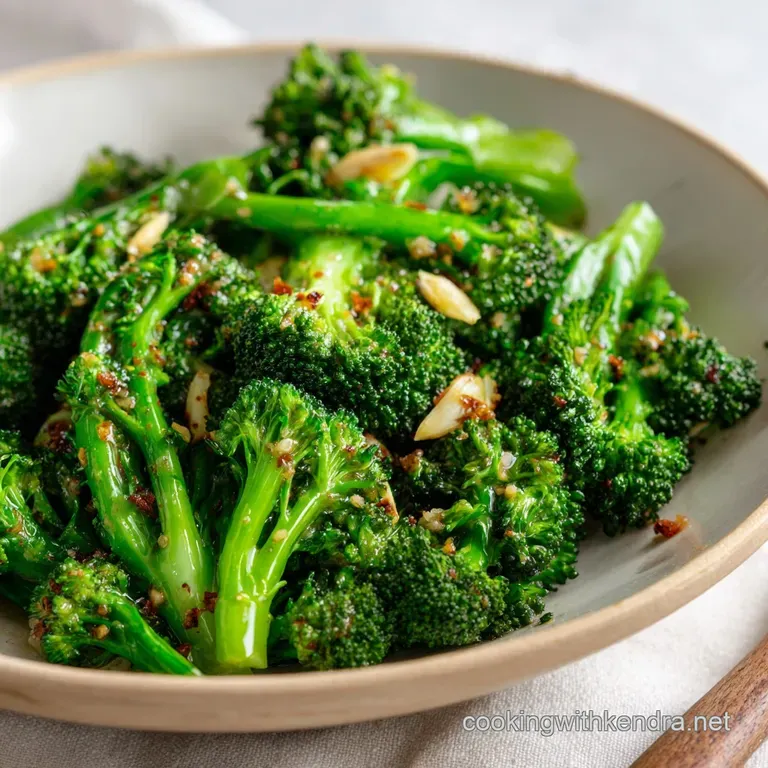
- Time: Active 5 minutes, Passive 10 minutes, Total 15 minutes
- Flavor/Texture Hook: Charred edges with a tender crisp, garlicky bite
- Perfect for: Busy weeknights when you need a 15 minute healthy side
- The Secret to Perfectly Crisp Sauteed Broccoli Every Single Time
- Why This Simple Stovetop Method Delivers Superior Results
- Component Analysis for the Best Flavor Profile
- Selecting Your Elements and Smart Substitutions
- Essential Tools for Searing and Steaming
- Step by Step Guide to Sauteed Broccoli
- Fixing Common Texture and Flavor Issues
- Adjusting for Different Batch Sizes
- Debunking Vegetables Myths
- Storage and Sustainable Kitchen Tips
- Creative Ways to Serve and Enjoy
- Recipe FAQs
- 📝 Recipe Card
The Secret to Perfectly Crisp Sauteed Broccoli Every Single Time
We’ve all been there: you start with a beautiful head of fresh broccoli, but by the time it hits the plate, it’s turned into a dull, olive drab pile of mush. Or worse, the stems are as hard as a pencil while the tops are falling apart.
It's frustrating because broccoli should be the star of the plate, not a soggy afterthought. For years, I struggled with the "water pool" at the bottom of the pan that effectively boiled the vegetables instead of searing them.
The fix isn't about fancy equipment; it's about mastering the transition from dry heat to wet heat. This sauteed broccoli recipe uses a precise "sear then steam" method that mimics what professional chefs do in a wok.
By hitting the pan at high heat first, you develop those nutty, caramelized brown bits that provide deep flavor, while a quick two minute lid on steam ensures the stalks are perfectly tender without losing their snap.
I remember one Tuesday night when I was in a massive rush, trying to get dinner on the table for the kids. I tossed the broccoli in, got distracted by a phone call, and forgot to add the water immediately. That mistake actually led me to realize that the "sear" needs to happen undisturbed.
Now, this is the only way we eat it. It’s reliable, budget friendly, and honestly, the garlic and lemon zest make it taste like something you’d pay $14 for at a bistro.
Why This Simple Stovetop Method Delivers Superior Results
Understanding the "how" behind the heat helps you avoid the rubbery texture usually associated with home cooked greens. Here is why this specific process works so well:
- Surface Caramelization: Starting with a shimmering oil sear creates a deep brown crust on the flat sides of the florets, providing a smoky contrast to the sweet vegetable.
- Targeted Hydration: Adding exactly 3 tablespoons of water creates a burst of pressurized steam under the lid, which penetrates the dense stalks much faster than dry air alone.
- Residual Evaporation: Removing the lid after two minutes allows the remaining liquid to cook off, preventing the "boiling effect" that leads to sogginess.
- Delayed Aromatics: Waiting to add the garlic until the very end prevents it from burning during the over high heat searing phase, keeping the flavor sweet rather than bitter.
| Method | Cook Time | Final Texture | Best For |
|---|---|---|---|
| Stovetop (This Recipe) | 10 minutes | Charred & Tender Crisp | Maximum flavor in minimum time |
| oven-roasted | 20-25 minutes | Crispy & Shrunken | Hands off cooking for large batches |
| Steam Only | 5-7 minutes | Soft & Uniform | low-fat diets or meal prep bases |
This table shows why the stovetop is the winner for flavor. You get the benefits of roasting (the char) and steaming (the tenderness) in half the time it takes to preheat an oven.
Component Analysis for the Best Flavor Profile
| Ingredient | Science Role | Pro Secret |
|---|---|---|
| Extra Virgin Olive Oil | Heat Transfer Agent | Don't skimp; the fat carries the garlic flavor into the porous broccoli tops. |
| Low Sodium Soy Sauce | Salt & Umami Source | Even in non Asian dishes, soy sauce adds a "meaty" depth that plain salt lacks. |
| Water | Thermal Conductor | Use cold water to create an immediate, violent steam cloud when it hits the hot oil. |
Selecting Your Elements and Smart Substitutions
To get the best results, start with heavy, firm broccoli heads. If the stalks feel woody or the florets are turning yellow, the texture will be grainy no matter how well you cook it.
- 1.5 lbs broccoli heads: Cut these into uniform, bite sized florets. Why this? Even sizing ensures every piece finishes cooking at the exact same moment.
- 2 tbsp extra virgin olive oil: You can use avocado oil or Ghee if you prefer a higher smoke point.
- 4 cloves garlic: Use fresh cloves, never the jarred stuff. Why this? Fresh garlic has essential oils that emulsify with the soy sauce for a glossy glaze.
- 1 tbsp low sodium soy sauce: Swap for Tamari for a gluten-free version or Coconut Aminos for a soy free option.
- 1/2 tsp red pepper flakes: Adds a background warmth without being "spicy."
- 1 tsp lemon zest: This provides the "lift" that cuts through the richness of the oil.
| Original Ingredient | Substitute | Why It Works |
|---|---|---|
| Olive Oil | Salted Butter | Adds a rich, nutty flavor. Note: Lower the heat slightly to prevent burning. |
| Soy Sauce | Sea Salt + Splash of Vinegar | Provides saltiness and acidity without the dark color. |
| Red Pepper Flakes | Smoked Paprika | Offers a mild, smoky warmth instead of direct heat. |
If you are looking for a complete meal, this broccoli pairs beautifully with my Poached Salmon Benedict for a light brunch or dinner.
Essential Tools for Searing and Steaming
You don't need a professional kitchen, but a 12 inch heavy skillet is non negotiable here. A cast iron pan or a heavy bottomed stainless steel skillet (like an All Clad) retains heat well, which is crucial when you add the water.
If the pan is too thin, the temperature will drop too far, and you'll end up poaching the broccoli instead of searing it.
You also need a tight fitting lid. If your favorite skillet doesn't have one, a large pizza tray or even a flat cookie sheet can work in a pinch to trap that steam. Just be careful with the steam release when you lift it!
step-by-step Guide to Sauteed Broccoli
1. The over High heat Sear
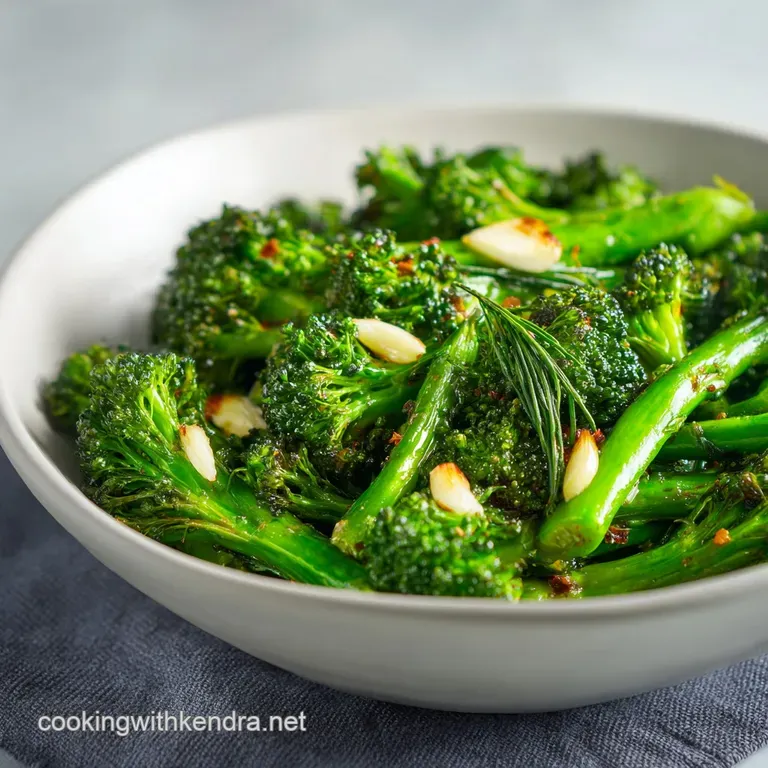
Heat 2 tbsp olive oil in your 12 inch heavy skillet over medium high heat until it is shimmering and just starting to wisps. Add the 1.5 lbs of broccoli florets in a single layer. Leave them completely undisturbed for 2-3 minutes until the undersides are golden brown and fragrant.
2. The Steam Cycle
Pour in the 3 tbsp of water and immediately cover the pan with your tight fitting lid. Note: The pan will hiss loudly this is exactly what you want. Steam for exactly 2 minutes until the broccoli turns a vibrant, neon green.
3. Evaporation Phase
Remove the lid and continue to cook for 30-60 seconds. This allows any remaining moisture to evaporate so the broccoli doesn't get soggy. If there's a lot of water left, turn the heat up slightly.
4. The Flavor Infusion
Reduce the heat to medium. Move the broccoli to the outer edges of the pan, creating a "well" in the center. Add the 4 cloves of minced garlic and 1/2 tsp red pepper flakes to that center spot. Sauté for 1 minute until the garlic is pale gold and fragrant.
5. The Final Glaze
Toss the broccoli back into the center to combine with the garlic. Drizzle with 1 tbsp low sodium soy sauce. Sauté for 1 more minute until the liquid reduces and coats the florets in a glossy glaze. Remove from heat and stir in 1 tsp lemon zest before serving.
Fixing Common Texture and Flavor Issues
The most common mistake I see is "crowding the pan." If you try to cook 2 lbs of broccoli in an 8 inch skillet, the pieces will just pile on top of each other. The bottom layer will burn while the top layer stays raw. If you need to make a larger batch, either use two pans or cook in two separate sessions.
Why Your Broccoli is Tough
If the stalks are still woody after the steam cycle, they were likely cut too large or the lid wasn't tight enough. Steam escapes easily, and if you lose that pressure, the centers of the stems won't soften. Next time, try peeling the thick skin off the larger stalks before slicing.
| Problem | Root Cause | Solution |
|---|---|---|
| Burnt Garlic | Added too early | Wait until after the steam cycle to add aromatics. |
| Grey Color | Overcooked | Reduce steam time to 90 seconds and check for brightness. |
| Excess Water | Heat too low | Increase heat after removing the lid to flash dry the pan. |
Common Mistakes Checklist
- ✓ Ensure the broccoli is completely dry before hitting the oil; wet broccoli won't sear.
- ✓ Don't stir during the first 2 minutes. That "undisturbed" time is what develops the flavor.
- ✓ Use a timer for the steaming phase. Even one extra minute can turn vibrant green to drab grey.
- ✓ Mince the garlic finely so it distributes evenly across all the florets.
- ✓ Zest the lemon at the very end heat destroys those delicate citrus oils.
Adjusting for Different Batch Sizes
Scaling Down (Cooking for 2): Use a 10 inch skillet instead of 12 inch. Use 0.75 lbs of broccoli but keep the water at 2 tablespoons. Since there is less mass in the pan, it will heat up faster, so keep a close eye on the sear at the beginning.
Scaling Up (Cooking for 8): Do not try to fit 3 lbs of broccoli into one skillet. The volume of steam required won't be generated correctly. Instead, work in two batches. Keep the first batch warm in a low oven (200°F) while you finish the second.
For the second batch, you may need to wipe out the pan to prevent any leftover soy sauce from burning.
For a larger family gathering, this goes incredibly well alongside a Cheesy Chicken Casserole, providing a fresh, crisp contrast to the creamy sauce.
Debunking Vegetables Myths
A popular myth is that you should throw away the broccoli stems. This is a huge waste! The stems actually have a wonderful, sweet flavor similar to water chestnuts. As long as you peel the tough, fibrous outer skin, the interior stems are delicious when sauteed alongside the florets.
Another misconception is that you need to blanch broccoli in boiling water before sauteing. This is totally unnecessary and actually dilutes the flavor. The "steam in-pan" method used here keeps all the nutrients and flavor right in the skillet rather than letting them wash away in a pot of water.
Storage and Sustainable Kitchen Tips
Storage: Store any leftovers in an airtight glass container in the fridge for up to 4 days. Note: The lemon and soy sauce may dull the green color slightly over time, but the flavor remains excellent.
Freezing: I don't recommend freezing this specific dish after it’s cooked, as the texture becomes very soft upon thawing. However, you can freeze raw florets to use in this recipe later.
Reheating: Avoid the microwave if possible; it makes the broccoli rubbery. Instead, toss it back into a hot skillet with a tiny splash of water for 2 minutes to revive the texture.
Zero Waste Tip: Don't toss the leaves! If your broccoli comes with those little green leaves attached to the stem, throw them in the pan during the final minute of sauteing. They crisp up like kale chips and are packed with vitamins.
If you have extra stalks you didn't use, shred them into a slaw or save them in a bag in the freezer for your next batch of vegetable stock.
Creative Ways to Serve and Enjoy
This sauteed broccoli is versatile enough to fit into almost any meal plan. For a "Better than Takeout" vibe, serve it over fluffy jasmine rice with a drizzle of toasted sesame oil and extra sesame seeds.
If you want a Mediterranean twist, skip the soy sauce, use extra lemon juice, and top with a dusting of vegan parmesan or nutritional yeast.
If you have leftovers, they make a fantastic addition to a cold grain bowl the next day. Chop the cold broccoli into smaller bits and toss with quinoa, chickpeas, and a tahini dressing. The charred flavor holds up surprisingly well even when chilled.
It's a budget friendly way to make your work lunch feel like a gourmet salad.
Recipe FAQs
What is the best way to sauté broccoli?
Sear the florets undisturbed in shimmering oil for 2-3 minutes before adding liquid. This "dry" heat phase creates a golden brown crust that develops deep flavor, which you can then lock in by briefly steaming with a tight fitting lid.
How to eat broccoli for diabetes?
Sauté it with healthy fats and fiber rich aromatics while keeping the texture crisp tender. Using low-sodium soy sauce and olive oil provides flavor without heavy sugars, making it a perfect side for lean proteins like tender pan-seared chicken.
Does cooking broccoli reduce potassium?
Yes, boiling causes the most loss, but sautéing or steaming preserves more nutrients. Because this recipe uses only 3 tablespoons of water that mostly evaporates, the potassium stays within the vegetable rather than being drained away in cooking water.
Is broccoli good for heart patients?
Yes, it is an excellent choice due to its high fiber and lack of cholesterol. By using extra virgin olive oil and low-sodium soy sauce, you maintain a heart healthy profile that emphasizes unsaturated fats and controlled salt intake.
No, this is a common misconception.
Wait until the final minute of cooking to add the garlic. Adding it too early with the broccoli will cause the minced cloves to burn during the high heat searing and steaming phases, resulting in a bitter flavor.
How to prevent the broccoli from becoming mushy?
Limit the covered steaming time to exactly 2 minutes and remove the lid immediately. Allowing the remaining moisture to evaporate over medium heat ensures the florets stay vibrant green and maintain a slight snap in the stem.
Is it true I should add lemon zest at the beginning?
No, this is a common misconception. You must add the zest as a final garnish because heat destroys the delicate citrus oils, stripping away the bright aroma and fresh finish of the dish.
Sauteed Broccoli With Garlic
Ingredients:
Instructions:
Nutrition Facts:
| Calories | 118 kcal |
|---|---|
| Protein | 4.1 g |
| Fat | 7.5 g |
| Carbs | 11.2 g |
| Fiber | 4.4 g |
| Sugar | 2.6 g |
| Sodium | 172 mg |
