The Set It and Forget It Slow Cooker Minestrone a Hearty Italian Classic
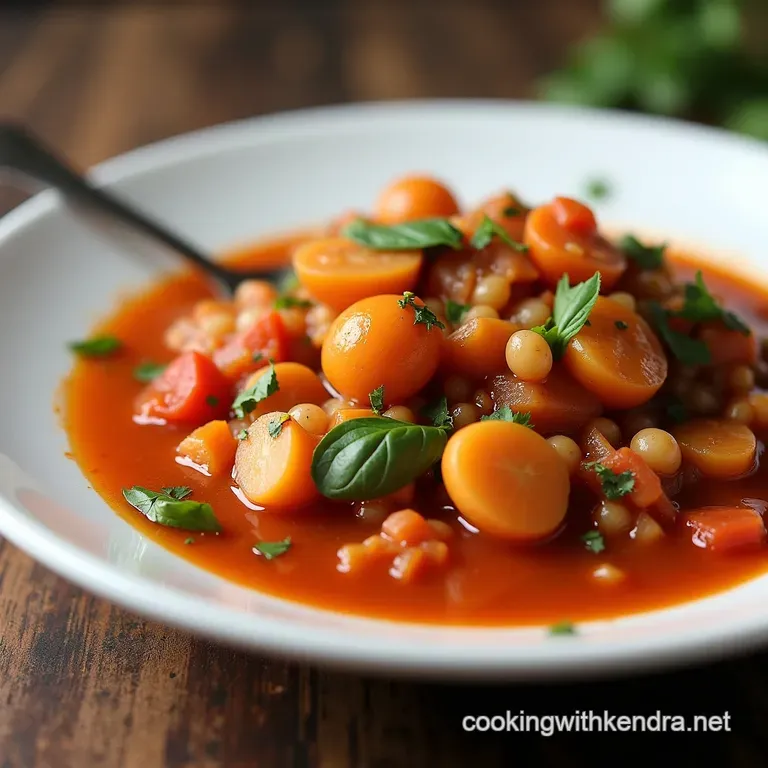
- Embracing Comfort: Why Slow Cooker Minestrone Soup Dominates Weeknights
- The Philosophy Behind Effortless Italian Classics
- Curating the Essential Produce and Pantry Staples
- Tool Kit Essentials for Perfect Slow Cooker Minestrone Soup
- The Assembly Stage: Layering for Maximum Flavor Extraction
- Simmering Secrets: Achieving Tender Vegetables Without Overcooking
- Maximizing Your Leftovers: Storing and Reheating This Wonderful Soup
- Customizing Your Rustic Italian Bowl: Unique Variations and Additions
- Pairing Perfection: What Accompanies Your Slow Cooker Minestrone Soup Best
- Recipe FAQs
- 📝 Recipe Card
Embracing Comfort: Why Slow Cooker Minestrone Soup Dominates Weeknights
There are certain meals that carry the weight of tradition, comforting us with their familiar, rustic flavours. Minestrone is undoubtedly one of them the ultimate expression of Italian thrift and ingenuity, transforming humble vegetables into something truly magnificent.
While the traditional method requires diligent stirring and monitoring on the stovetop, the modern adaptation, the Slow Cooker Minestrone Soup , has become an absolute champion for busy households.
It delivers that deep, slow simmered taste with virtually zero hands-on time, perfectly slotting into the category of Easy Slow Cooker Soup Recipes . This method ensures that whether you are serving up a substantial family dinner or looking for a satisfying Soup And Salad Dinner Idea , this recipe is robust enough to handle the occasion.
The Philosophy Behind Effortless Italian Classics
The beauty of Minestrone lies in its adaptability. It's not a rigid formula but rather a celebration of whatever seasonal produce is at hand. By embracing the slow cooker, we are harnessing gentle, sustained heat to coax maximum flavour from our ingredients.
This approach transforms a potentially quick, watery vegetable soup into a Hearty Slow Cooker Soup with a broth that tastes as though it has been simmering patiently all day.
This recipe is designed to prove that profound flavour does not require complicated culinary techniques; it just requires time, which the crockpot provides in abundance.
Unpacking the Magic of Low-and-Slow Vegetable Development
When you cook vegetables slowly, particularly aromatics like onions, carrots, and celery, their sugars caramelize gently instead of scorching. This process, known as sweating, releases complex flavour molecules that form the backbone of the final dish.
In the slow cooker, these vegetables break down slightly, naturally thickening the liquid and infusing every drop with earthy sweetness. This is key to achieving that rich depth often missing from quicker vegetable soups.
A Hug in a Bowl: Defining the Ultimate Weeknight Meal
What makes this preparation method so perfect for weeknights? It’s the minimal interaction required. You spend about 25 minutes prepping chopping your ingredients and then you walk away.
This allows you to manage homework, attend to emails, or simply unwind, knowing a flavourful, wholesome meal is developing unattended. This version of Minestrone Soup Slow Cooker Easy is designed for maximum reward with minimal effort, making it a reliable choice when energy reserves are low.
Setting Expectations for Your First Batch
When approaching your first batch of Slow Cooker Minestrone Soup , understand that the texture will be slightly different than a stovetop version. The vegetables will be incredibly tender almost melting which is desirable for a comforting soup.
We use a specific layering technique later on to manage the pasta, ensuring it doesn't disintegrate entirely during the long cook time. The result is profoundly satisfying, deeply savoury, and wonderfully aromatic.
Curating the Essential Produce and Pantry Staples
A great Minestrone relies on a strong foundation of vegetables and quality canned goods. For our recipe, aim for freshness in your aromatics and reliability in your canned goods. We begin with the classic soffritto base: one large diced yellow onion, three medium carrots, and three celery stalks, all chopped uniformly so they cook evenly.
Garlic, minced fresh, brings that essential Italian pungency. We rely on a substantial 28-ounce can of crushed tomatoes, which provides body, acidity, and colour, along with six cups of either vegetable or chicken broth.
To ensure texture and satisfaction, we incorporate standard pantry items like one 15-ounce can of rinsed and drained cannellini beans, along with fresh, bright additions like two medium zucchini and one cup of trimmed green beans.
Finally, four packed cups of fresh spinach or kale will add that final nutritional punch right at the end.
Tool Kit Essentials for Perfect Slow Cooker Minestrone Soup
While the slow cooker does the majority of the work, having the right supplementary tools and flavour agents ensures success. For this dish, we are aiming for robust, layered flavour the kind you find in authentic Cooker Recipes Italian Soup .
The Foundation: Broth, Tomatoes, and Aromatic Vegetables
While you could toss everything directly into the slow cooker, I strongly recommend a quick sauté (about 5– 7 minutes) of the onions, carrots, and celery in two tablespoons of olive oil before transferring them.
This crucial step awakens the vegetables' natural sugars, establishing a deeper, sweeter foundation that the slow cooker alone cannot replicate as efficiently. Following this initial sweat, the canned crushed tomatoes and the broth are added, creating the liquid base.
For an optional, yet highly recommended, depth boost, toss in a Parmesan cheese rind while the soup simmers it dissolves just enough to lend an incredible umami note.
Selecting the Right Pasta and Bean Ratios
The choice of pasta is important. We opt for a small, hearty shape like ditalini or small shells (about one cup). These shapes hold up reasonably well to longer cooking times compared to delicate noodles. The beans, rinsed well to remove excess sodium and starch, provide structure and protein.
Sticking to the recommended ratio of 1 cup of dry pasta to 1 can of beans keeps the soup balanced, ensuring it remains primarily vegetable focused rather than starch heavy.
Essential Flavor Boosters (Beyond Salt and Pepper)
The herbal profile of Minestrone needs to be fragrant and earthy. We incorporate one teaspoon each of dried basil and oregano, complemented by half a teaspoon of dried thyme. These herbs should be added early, along with the aromatics, to bloom in the heat.
Remember to season generously with salt and pepper throughout the process, but save the final, heavy seasoning until the very end when the liquid has reduced slightly.
What Equipment Truly Makes This Recipe Shine?
A reliable 6-quart slow cooker is the workhorse here, providing ample space for the volume of vegetables and broth. However, the secret weapon for maximizing flavour complexity is a large skillet.
Utilizing a skillet for the initial 5 7 minute sauté of the base vegetables elevates this from merely "good" to "remarkable," providing the necessary initial high heat that the slow cooker lacks for building a proper soffritto .
Related Recipes Worth Trying
- Easy Crockpot Taco Soup Recipe SetandForget Fiesta — Need a comforting weeknight winner This Easy Crockpot Taco Soup is packed with robust flavour and requires almost no effort Taste tested and approved
- Easy Slow Cooker Chicken Tortilla Soup Recipe Smoky Zesty — This Slow Cooker Chicken Tortilla Soup recipe is maximum flavour minimum fussa true comfort hug Enjoy tender shredded chicken in a smoky broth Get the...
- Velvet Dream The Silkiest Creamy Potato Soup Recipe — Forget watery soup This velvety potato soup recipe uses slowsautéed leeks for a rich comforting flavour that tastes like a pub lunch at home Get the...
The Assembly Stage: Layering for Maximum Flavor Extraction
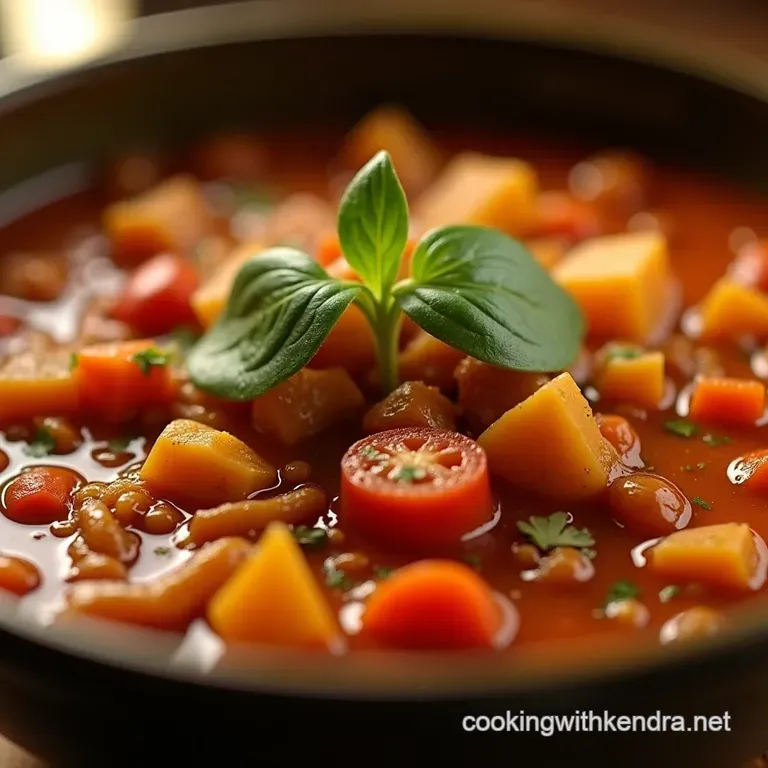
The method of adding ingredients in phases is what transforms this into a sophisticated Healthy Minestrone Soup rather than a simple vegetable stew. We first introduce the aromatics, broth, and tomatoes to allow the robust vegetables and herbs to soften and meld their flavours.
Once the broth has begun to develop its base character, we introduce the slightly firmer items like zucchini, green beans, and rinsed beans. This staged approach respects the different cooking times required for each vegetable type.
Simmering Secrets: Achieving Tender Vegetables Without Overcooking
Achieving that perfect texture requires attention to when you introduce the pasta and greens. The total cook time is long, but the active cooking phases are carefully delineated to protect the final ingredients.
Step 1: The Initial Dump and Seal Procedure
After the optional initial sauté, transfer the fragrant mixture to the slow cooker. Pour in the crushed tomatoes (undrained) and the six cups of broth. If you are using the Parmesan rind, this is the time to place it in the broth.
Cover and set the appliance to LOW for 5 hours . This lengthy initial period is dedicated solely to tenderizing the onions, carrots, and celery into a velvety texture.
The Importance of Timing: When to Introduce Delicate Ingredients
Once the first five hours have elapsed, the flavour base is established. Now we add the medium cooking vegetables: the chopped zucchini, the green beans, and the rinsed cannellini beans. Cover and return to cook for another hour and a half on LOW. This allows the zucchini to soften without turning completely to mush.
Checking for Doneness: Textures You're Aiming For
The final major addition is the ditalini pasta. Increase the heat setting to HIGH, stir in the pasta, and monitor closely for 30 to 45 minutes. You are aiming for al dente —cooked through but with a slight resistance in the center.
Undercooking slightly is always safer here, as the residual heat will continue the process.
Final Seasoning Adjustments Before Serving
After the pasta is tender, remove the Parmesan rind (it should be almost dissolved). Taste the broth. This is your moment to adjust the salt and pepper aggressively. If the flavour still feels muted, a splash of red wine vinegar or a squeeze of lemon juice can brighten everything up beautifully, often achieving that ‘simmered all day’ brightness.
Finally, stir in the packed spinach or kale, turn off the heat, and let it sit, covered, for five minutes until wilted.
Maximizing Your Leftovers: Storing and Reheating This Wonderful Soup
This Slow Cooker Minestrone Soup is legendary for tasting even better the next day. As it cools, the pasta absorbs the remaining broth and the vegetables continue to mingle their flavours. To store, simply transfer the cooled soup into airtight containers.
It will keep well in the refrigerator for up to four days.
Freezing Guidelines for Optimal Flavor Preservation
For longer storage, freezing is ideal. The key when freezing Minestrone is to address the pasta. Since pasta tends to expand and become overly soft upon thawing and reheating, it is best to freeze the soup without the pasta.
Follow the instructions up to Step 6, cool the soup base completely, and freeze it. When ready to serve, thaw the base, reheat gently, and then cook a small batch of fresh ditalini separately, adding it to individual bowls as you serve.
Customizing Your Rustic Italian Bowl: Unique Variations and Additions
While this base recipe is fantastic, it opens the door to numerous exciting variations. If you are looking to turn this into a more substantial meal, consider adding meat. For a richer flavour profile, a version of Slow Cooker Minestrone with Italian Sausage is exceptional; brown the sausage first, drain the fat, and add it along with the aromatics in Step 1.
Alternatively, for a leaner protein boost, a Slow Cooker Minestrone with Ground Beef works wonderfully when browned and crumbled before being added to the crockpot.
Boosting the Veggie Content: Ideas for Extra Greens
To truly maximize the health quotient of this Healthy Minestrone Soup , feel free to double the final addition of greens. Swiss chard, chopped finely, can be added alongside the kale or spinach.
Root vegetables like diced sweet potato or even a few small chunks of butternut squash can be added during the second cooking phase (Step 5) to add natural sweetness and body.
Transforming This Recipe into a Vegetarian Delight (or Vegan)
This base recipe leans heavily towards plant based goodness already. To ensure it is completely Vegetarian Slow Cooker Minestrone , use vegetable broth and omit the Parmesan rind.
If you need a vegan adaptation, the same rules apply, but be sure to garnish with nutritional yeast or a quality vegan Parmesan substitute instead of dairy cheese.
Garnishes That Elevate the Dish from Simple to Sublime
The finishing touch is crucial. A generous grating of sharp, salty Parmesan cheese is traditional and highly recommended. However, for brightness, a small swirl of high-quality, vibrant green pesto added directly to the bowl before eating cuts through the richness beautifully.
Freshly torn basil leaves also add a pop of colour and fresh aroma.
Pairing Perfection: What Accompanies Your Slow Cooker Minestrone Soup Best
Minestrone is robust enough to stand on its own, but it truly shines when paired with something starchy for dipping. This is the ideal companion for a lighter meal where the soup is the star.
What better way to enjoy this substantial bowl than with a simple, flavourful side? A light Caesar salad tossed with a homemade dressing, or perhaps a simple arugula salad dressed with lemon and olive oil, provides the necessary textural contrast.
Regardless of the side, ensure you have plenty of crusty bread on hand it’s practically mandatory for soaking up the last vestiges of that deeply flavoured broth. This Soup And Salad Dinner Idea is consistently satisfying and requires minimal effort for maximum flavour payoff.

Recipe FAQs
I'm running late can I cook the Slow Cooker Minestrone Soup on HIGH instead of LOW?
Absolutely! If you're in a bit of a hurry, you can certainly switch to HIGH heat. Just remember that the timing changes significantly: 6 8 hours on LOW usually equates to about 3 4 hours on HIGH. Keep an eye on the pasta in the final hour, as it cooks much faster on the higher setting.
My Minestrone seems watery; how can I make the broth thicker without turning it into a stew?
That's a common hiccup with slow cooked vegetable soups! For a thicker consistency, try the 'blend' trick mentioned in the tips: scoop out about a cup of the cooked vegetables and broth, blend it until smooth, and stir it back in near the end of cooking.
Alternatively, if you've already added your pasta, letting it cook slightly longer (until just past al dente) will naturally release starch and thicken the liquid.
Can I freeze leftovers, or should I add the pasta right before serving this Slow Cooker Minestrone Soup?
If you are freezing leftovers, definitely leave the pasta out! Pasta tends to turn soft and mushy after thawing and reheating, even if cooked perfectly the first time. Freeze the soup base (without the pasta and the greens), and then cook a fresh batch of ditalini to add when you reheat a portion it keeps the texture miles better.
I need to make this vegan. Are there any non-negotiable ingredients I need to swap out in this recipe?
It’s very easy to adapt this recipe for our vegan friends! The main item to watch for is the Parmesan rind; simply omit it, as it's purely for deep savoury flavour. If you're using store-bought broth, double check that it's vegetable based, not chicken.
Serve it up with a sprinkle of nutritional yeast for that cheesy kick instead of actual Parmesan!
What's the best way to ensure my Slow Cooker Minestrone Soup tastes rich, not just like boiled vegetables?
The secret lies in the initial step: don't skip the quick sauté of your onions, carrots, and celery (the soffritto) in the olive oil. This step caramelizes their sugars and releases incredible foundational flavour before the liquid goes in.
Also, adding that optional Parmesan rind during the long cook will infuse a brilliant umami depth that slow cooking alone can sometimes miss.
Slow Cooker Minestrone
Ingredients:
Instructions:
Nutrition Facts:
| Calories | 1265 kcal |
|---|---|
| Protein | 20.0 g |
| Fat | 21.9 g |
| Carbs | 73.5 g |
| Fiber | 26.6 g |
| Sodium | 435 mg |
