Southern Black Eyed Peas Recipe
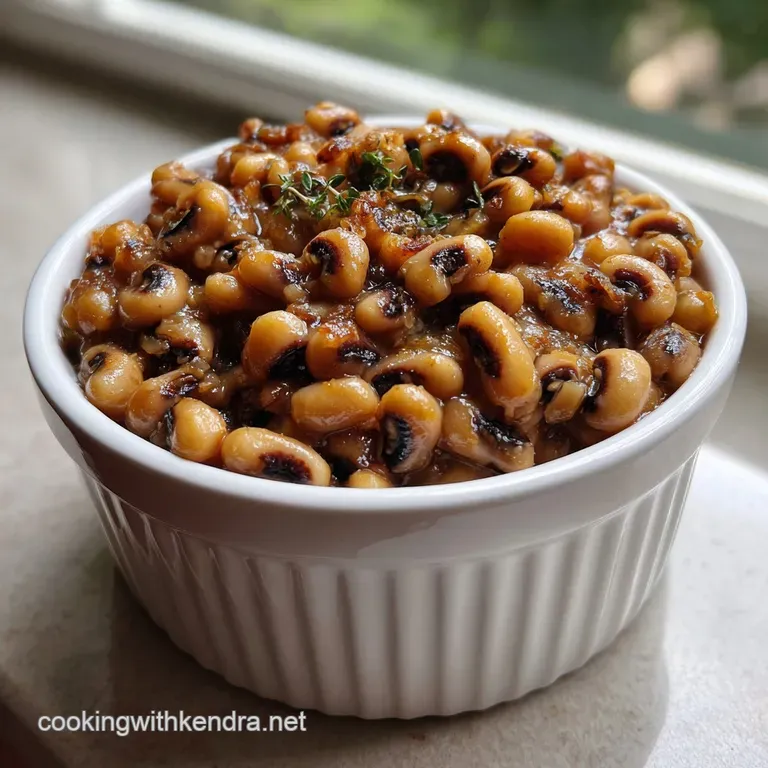
- Effort/Time: Minimal active work; 2 hour total duration.
- Flavor Hook: Deep, mahogany-colored pot liquor with a subtle cayenne kick.
- Perfect for: Low-stress Sunday suppers or heritage-inspired holiday gatherings.
- A Soulful Simmer: Bringing Heritage and Heart to the Table
- The Science of Succulent Legumes: Why These Flavors Harmonize
- Precision Metrics for a Timeless Southern Comfort Classic
- The Alchemy of Umami: Selecting Your Elements and Aromatics
- Minimalist Kitchen Tools for Maximum Flavor Extraction
- The Masterclass Protocol: A Step-by-Step Culinary Journey
- Navigating the Pot: Solving Common Legume Texture Failures
- Flavor Architecture: Adapting the Pot to Your Pantry
- ⚗️ The Scaling Lab: The Physics of Quantity
- Preserving the Pot Liquor: Storage and Refreshing Guidelines
- Traditional Pairings and Modern Twists for Every Plate
- Recipe FAQs
- 📝 Recipe Card
A Soulful Simmer: Bringing Heritage and Heart to the Table
There is nothing more heartbreaking than spending two hours tending a pot only to ladle out a bowl of chalky, flavorless pellets swimming in gray water. I’ve sat at tables where the host spent a fortune on high end smoked meats, yet the beans were so tough they pinged against the teeth, a total failure of texture and a waste of premium ingredients.
It turns the comfort of a home style meal into a frustrating chore that leaves everyone reaching for the salt shaker and a glass of water just to get it down.
I’ll be the first to admit I used to rush the process, thinking a high rolling boil would force the water into the center of the peas faster. I ended up with a pot of exploded skins and centers that were still stubbornly raw.
It took me three ruined batches to realize that the physics of legume hydration doesn't care about your hunger; you cannot bully a bean into tenderness without destroying its structural integrity.
The scientific revelation came when I stopped viewing the liquid as just water and started treating it as a laboratory for pectin breakdown. The secret to that signature velvety texture isn't just time; it’s the interaction between the sodium in your chicken stock and the hemicellulose in the pea skins.
When you simmer the black eyed peas gently with a ham hock, you create a gelatinous emulsion that coats every bite. The result is a mahogany hued broth that carries a smoky, nutty fragrance, signaling a dish that has been nurtured, not just cooked.
The Science of Succulent Legumes: Why These Flavors Harmonize
- Pectin Solubilization: over Low heat simmering gently breaks down the cellular "glue" (pectin) in the peas, allowing them to soften without disintegrating.
- Collagen Hydrolysis: Smoked ham hocks contain connective tissue that transforms into gelatin at 71°C (160°F), adding a silky mouthfeel to the cooking liquid.
- Aromatic Synergy: Sautéing the "Holy Trinity" (onion, celery, pepper) triggers the Maillard reaction, creating complex sulfur compounds that ground the earthy notes of the black eyed peas.
- Osmotic Balance: Salting the soaking water (if using) helps displace calcium ions in the skins, making them more permeable and preventing the "tough skin" syndrome.
Precision Metrics for a Timeless Southern Comfort Classic
| Metric | Specification |
|---|---|
| Prep Time | 15 minutes |
| Cook Time | 1 hour 45 mins |
| Total Time | 2 hours |
| Serving Size | 250ml (approx. 1 cup) |
| Yield | 8 servings |
The Alchemy of Umami: Selecting Your Elements and Aromatics
Ingredient Chemistry Breakdown
| Ingredient | Chemical/Physical Role (Science) | The Pro Secret (Why This Matters) |
|---|---|---|
| Dried Black Eyed Peas | Starch gelatinization and protein structure | Dried peas offer superior starch release compared to canned, thickening the broth naturally. |
| Smoked Ham Hocks | Collagen-to-gelatin conversion | Provides the essential "body" and smoky undertone that mimics a 12 hour simmer. |
| Apple Cider Vinegar | pH adjustment and flavor brightening | Acid cleaves through heavy fats, making the savory notes pop without adding extra salt. |
| Yellow Onion | Disulfide to trisulfide transformation | Sautéing turns pungent sulfur into sweetness, providing a foundational flavor layer. |
- 1 lb dried black eyed peas, picked through and rinsedWhy this? Dried legumes allow for controlled hydration and better flavor absorption.
- 1 tbsp neutral oil or bacon greaseWhy this? Bacon grease adds a secondary layer of smoke and animal fat richness.
- 1 lb smoked ham hocksWhy this? Bone-in smoked meat provides gelatin for a velvety pot liquor.
- 1 large yellow onion, finely diced
- 2 stalks celery, diced
- 1 green bell pepper, diced
- 4 cloves garlic, minced
- 6 cups low-sodium chicken stockWhy this? Stock provides a savory base far superior to plain water.
- 2 dried bay leaves
- 1 tsp dried thyme
- 1/2 tsp cayenne pepper
- 1 tsp Kosher salt
- 1/2 tsp freshly cracked black pepper
- 1 tsp apple cider vinegar
Minimalist Kitchen Tools for Maximum Flavor Extraction
You don't need a pantry full of gadgets to make world class black eyed peas. I swear by my Lodge 6 Quart Enameled Cast Iron Dutch Oven. The thick walls provide superior thermal mass, ensuring the temperature doesn't plummet when you add the stock.
This consistent heat is vital for even starch gelatinization. You'll also need a long handled wooden spoon for scraping up the brown bits (fond) from the bottom of the pot that's where the concentrated flavor lives.
A simple colander for rinsing the peas and a sharp chef’s knife for the vegetable prep round out your kit. Keeping it simple means less cleanup and more focus on the pot.
The Masterclass Protocol: A step-by-step Culinary Journey
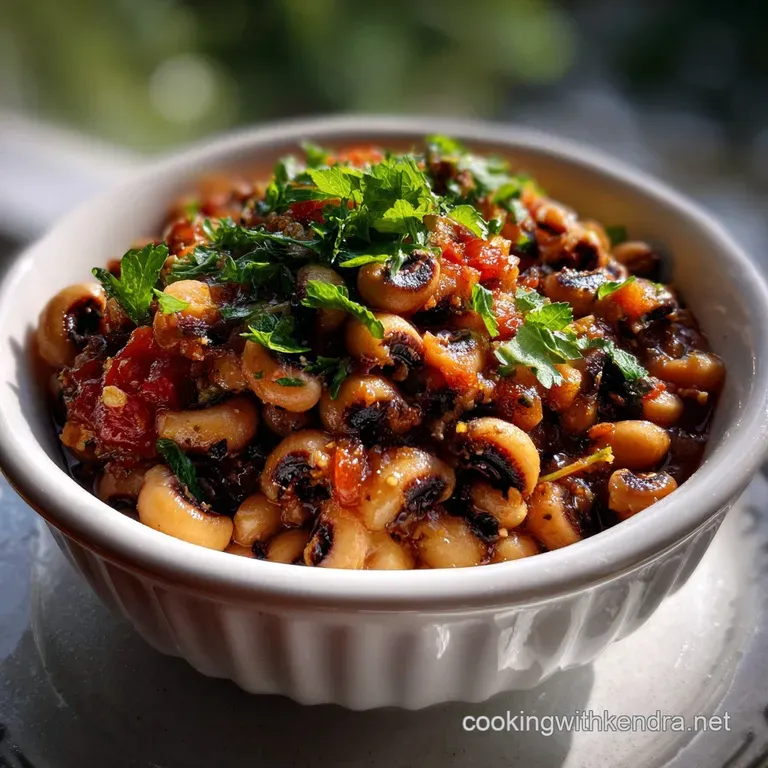
- Pick through the 1 lb dried black eyed peas to remove small stones or shriveled debris.
- Rinse the peas under cold running water in a colander until the water runs clear.
- Heat 1 tbsp bacon grease in a Lodge Dutch Oven over medium heat until a faint shimmer appears on the surface.
- Sauté the diced onion, celery, and green bell pepper for 6 minutes until the onion edges turn translucent and the fragrance becomes sweet.
- Stir in the 4 cloves of minced garlic for 60 seconds until the pungent aroma shifts to a mellow, nutty scent.
- Nestle the 1 lb smoked ham hocks into the vegetables and cook for 2 minutes to render a small amount of surface fat.
- Add the 6 cups of chicken stock, bay leaves, thyme, and cayenne, scraping the bottom of the pot to release the caramelized bits.
- Incorporate the rinsed black eyed peas into the liquid, ensuring they are fully submerged.
- Simmer the mixture partially covered for 1 hour 30 mins until the peas are tender to the bite and the broth has thickened to a glossy consistency.
- Remove the ham hocks, shred any available meat back into the pot, and stir in the 1 tsp apple cider vinegar.
- Season with 1 tsp Kosher salt and 1/2 tsp black pepper until the smoky and savory notes are perfectly balanced.
Chef's Tip: For an even creamier broth, take a ladle of the cooked peas and mash them against the side of the pot before stirring them back into the liquid. This releases extra starch for a "velvety" finish.
Navigating the Pot: Solving Common Legume Texture Failures
If your black eyed peas feel grainy or the broth looks like thin dishwater, it’s usually a matter of temperature or timing. The transition from "almost done" to "perfectly creamy" often happens in the last 15 minutes of cooking. Similar to the patience required for a Southern Black Eyed recipe, you have to let the starch do the work.
Troubleshooting Table: Bean Texture and Flavor
| Problem | Root Cause | The Fix | Pro Protocol |
|---|---|---|---|
| Crunchy Centers | Old beans or hard water | Add 1/4 tsp baking soda | Simmer 15 mins longer with the lid tightly on to trap steam. |
| Bland Broth | Lack of salt/acid balance | Add ACV and Kosher salt | Always add acid at the very end to avoid toughening the skins early. |
| Exploded Peas | Violent boiling | Reduce heat to a bare simmer | Keep the liquid at a "lazy bubble" (approx. 195°F) for structural integrity. |
Flavor Architecture: Adapting the Pot to Your Pantry
While this is a masterclass in the classic Southern style, the beauty of black eyed peas lies in their versatility. If you are looking for a lighter, more vibrant side dish, you might consider how Snap Peas recipe uses brown butter and citrus to brighten the plate. For this hearty pot, however, stick to deep, resonant substitutions.
Ingredient Swaps for Diverse Palates
| Original Ingredient | Substitute | Why It Works |
|---|---|---|
| Ham Hocks | Smoked Turkey Wings | Lower fat content but provides similar smoky, collagen rich body. |
| Chicken Stock | Vegetable Broth + Smoked Paprika | Maintains the smoky profile for a vegetarian friendly base. |
| Bacon Grease | Extra Virgin Olive Oil | Provides a cleaner, fruitier fat profile while remaining vegan. |
⚗️ The Scaling Lab: The Physics of Quantity
Scaling this black eyed peas recipe requires more than just doubling the numbers. When you move to a 2 lb batch:
- The Evaporation Paradox: If you double the ingredients but use the same diameter pot, you will have too much liquid. Reduce the chicken stock to 10 cups (instead of 12) to maintain the correct starch concentration for a thick broth.
- Flavor Saturation: Spices like cayenne and thyme accumulate quickly. Use 1.5x the spices initially and adjust at the end; otherwise, the heat may become overwhelming.
- Thermal Mass: Doubling the cold peas and stock will significantly drop the pot temperature. Allow an extra 20 minutes of total cook time to account for the longer recovery period.
- Pan Crowding: If you double the aromatics, sauté them in two batches. If they are piled too high, they will steam rather than caramelize, robbing you of that essential Maillard based sweetness.
Preserving the Pot Liquor: Storage and Refreshing Guidelines
These black eyed peas are actually better the next day. As they cool, the starches continue to set and the flavors of the smoked meat deeply penetrate the legumes.
- Fridge: Store in an airtight container for up to 5 days. The broth will thicken into a jelly like consistency; this is the gelatin from the ham hocks and is a sign of success.
- Freeze: These freeze beautifully for up to 3 months. Leave 2cm of headspace in your container as the liquid will expand when frozen.
- Reheat: Warm over low heat on the stove. You will likely need to add a splash of water or stock to loosen the "pot liquor" back to its original velvety state.
💡 ZERO WASTE: Don't discard the vegetable scraps! Transform: Simmer onion skins, celery ends, and pepper tops with water for 30 mins.
Science: These scraps contain residual minerals and aromatic oils that create a "free" vegetable stock for your next batch of black eyed peas.
Traditional Pairings and Modern Twists for Every Plate
Myth: You must soak black eyed peas overnight or they won't cook. Truth: Unlike larger kidney beans, these have relatively thin skins. While soaking reduces cook time by about 20 minutes, you can go from dry-to-dinner in under two hours without a soak.
To serve, ladle a generous portion of the black eyed peas over a bed of fluffy white rice. The rice acts as a sponge for the rich, smoky broth. A side of buttery cornbread is non-negotiable for "sopping" up every last drop of the pot liquor.
For a modern twist, top each bowl with a flurry of pickled red onions or a drizzle of hot honey to provide a sharp contrast to the deep, savory weight of the ham hocks.
If you are looking for another way to use legumes in a surprising context, try a Fudgy gluten-free recipe for dessert. It uses the same principles of starch and moisture to create a rich, soulful finish to your meal. Whether you're making these for good luck on New Year's Day or just a Tuesday night craving, these black eyed peas are the ultimate definition of home style comfort.

Recipe FAQs
Can I substitute canned black eyed peas for dried?
No. Canned peas lack the starch for thickening. Canned legumes offer zero release of starch and protein necessary to create a true, velvety pot liquor. You must use dried peas for this technique.
Why is my broth thin and watery after two hours?
Insufficient low-heat simmer time caused premature starch release. Consistent, gentle heat allows the pectin in the skins to slowly break down and emulsify with the gelatin from the ham hocks. If you enjoyed mastering the texture control here, see how the same principle of slow gelatin transformation works in our Smoky Quinoa Black Bean and Corn Tacos.
- Increase simmering by 20 minutes
- Mash 1 ladle of cooked peas against the pot side
- Ensure temperature stays below a rolling boil
Do I have to use smoked ham hocks?
Smoked turkey wings provide a good low-fat substitute. The crucial element is the collagen content, which hydrolyzes into gelatin, creating body and mouthfeel. Regular, unsmoked pork provides savory depth but lacks the gelatin structure needed for the classic texture.
Is it necessary to sauté the vegetables first?
Yes, to develop the flavor base. Sautéing triggers the Maillard reaction in the onions, transforming sharp sulfur compounds into sweet aromatics essential for balancing the earthy peas.
Should I add salt during the long simmer?
No, salt the peas only at the end. Sodium ions compete with calcium ions in the cooking water, which can cause the pea skins to harden and prevent proper softening during cooking.
Can I make these vegetarian?
Yes, use smoked paprika and good vegetable stock. To replicate the deep, smoky flavor provided by the ham hock, rely on high-quality vegetable stock boosted with smoked paprika and perhaps a splash of liquid smoke for depth.
Myth: Soaking black eyed peas overnight is mandatory for tenderness.
Myth: Soaking black eyed peas overnight is mandatory for tenderness. Reality: Although soaking shortens the cook time by about 20 minutes, their thin skins allow them to hydrate sufficiently during a standard 90-minute simmer.
Southern Black Eyed Peas Recipe
Ingredients:
Instructions:
Nutrition Facts:
| Calories | 276 calories |
|---|---|
| Protein | 17.4g |
| Fat | 5.8g |
| Carbs | 38.5g |
| Fiber | 7.2g |
| Sugar | 4.1g |
| Sodium | 412mg |
