The Ultimate Tangy Creamy Cheesecake Ice Cream with Graham Cracker Swirl
Elevating Dessert: Why This Cheesecake Ice Cream Recipe Reigns Supreme
There are few desserts as universally beloved as the New York cheesecake. This recipe captures that iconic, dense, and slightly acidic flavour profile and transforms it into the creamiest, tangiest frozen confection you will ever scoop.
Unlike traditional ice creams that often rely on cooked egg custards, this specific cheesecake ice cream recipe utilizes a streamlined, high fat base that perfectly mirrors the texture and taste of the classic dessert while providing a luxurious, velvety mouthfeel.
The result is a dessert that is sophisticated yet utterly irresistible, yielding approximately eight generous servings (one quart) of premium, high-quality frozen bliss.
The Magic of the No-Cook Base
Opting for a no-cook preparation is the secret weapon in achieving truly authentic cheesecake ice cream . Traditional churning methods often require heating eggs and dairy to create a tempered custard, which can dull the bright, fresh flavour of the cream cheese.
By skipping the stove entirely, we preserve the vibrant, fresh tang of the dairy components. The drawback, which is easily managed, is the necessary extended chilling time. The base a blend of 1 cup whole milk and 1 ½ cups heavy cream must chill for a minimum of six hours, though ideally overnight, ensuring it is ice-cold before it enters the churner.
This extended rest is critical; it allows the fats to solidify and the ingredients to fully hydrate, which is essential for maximizing creaminess and avoiding large ice crystals during the churning process.
Achieving the Signature Cheesecake Tang
The quintessential flavor of cheesecake hinges on a perfect balance between richness, sweetness, and acidity. We achieve this distinct tang not just through the 8 ounces of full fat cream cheese, but through two crucial additions.
First, 1 teaspoon of fresh lemon juice is incorporated into the base a small quantity that dramatically brightens the overall flavour without making the ice cream taste overtly citrusy. Second, a crucial ¼ teaspoon of fine sea salt is added.
This salt is non-negotiable; it cuts through the richness of the 30g of fat per serving and balances the ¾ cup of granulated sugar, ensuring the final dessert is complexly flavored and genuinely reminiscent of a properly baked cheesecake.
Deconstructing the Perfect Graham Cracker Swirl
A cheesecake is incomplete without its buttery, firm crust. To recreate this essential element, we introduce a crispy graham cracker swirl, which stands in delicious contrast to the smoothness of the ice cream base.
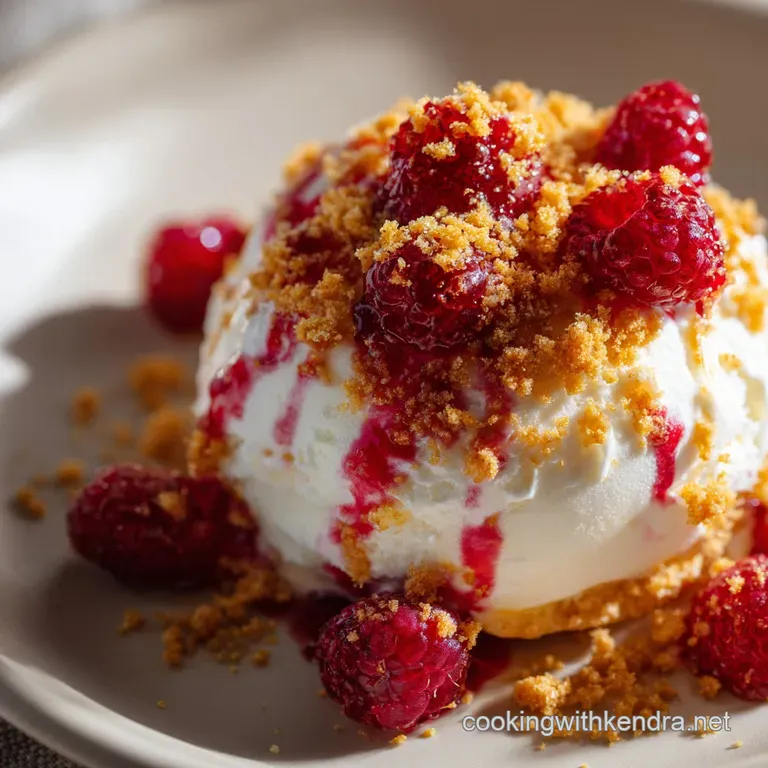
This is not simply crushed crackers folded in; the mixture 1 cup of finely crushed crumbs combined with 4 tablespoons of melted butter, 1 tablespoon of brown sugar, and a dash of cinnamon is toasted in the oven for 8– 10 minutes.
This quick bake at 350°F (175°C) serves two purposes: it locks in the flavor and, most importantly, reduces the moisture content, ensuring the crumble remains crunchy and distinct, rather than turning into soggy paste when swirled into the finished product.
This salty sweet crumble is layered in only after the churning is complete.
Essential Culinary Tools and Tangy Components
While this recipe is fundamentally straightforward, selecting the correct dairy and using the appropriate tools are paramount to achieving a truly professional texture. Since we are creating a thick, dense frozen dessert, a reliable ice cream maker is highly recommended, although dedicated machines like the cheesecake ice cream ninja creami can also handle this high fat base beautifully.
The Dairy Duo: Cream Cheese Selection and Heavy Cream Ratios
The structure of our homemade cheesecake ice cream relies entirely on high-quality dairy. Start with one 8-ounce block of full fat cream cheese. It must be brought completely to room temperature before mixing this is vital for achieving a smooth, lump free base.
When combined with the heavy cream, the mixture boasts a high fat ratio that resists crystallization. We use 1 ½ cups (360 ml) of heavy cream (or double cream, minimum 35% fat) and 1 cup (240 ml) of full fat whole milk.
This ratio provides the necessary richness to keep the ice cream scoopable straight from the freezer.
Sweeteners and Stabilizers for the Ultimate Creaminess
Beyond the dairy fats, sweetness plays a double role: taste and texture. We use ¾ cup of granulated caster sugar because its fine grain dissolves rapidly into the cold base, preventing a gritty texture. In addition to the sugar, the full fat milk and cream act as natural stabilizers.
While we don't use traditional commercial stabilizers, the small addition of salt and lemon juice helps adjust the freezing point slightly, contributing to the ultimate, dense creaminess we are aiming for in this easy cheesecake ice cream .
Crafting the Salty Sweet Graham Crust Crumble
The graham crust crumble requires minimal effort but maximum flavor payoff. The combination of crushed graham crackers or digestive biscuits (100g, about 1 cup), melted unsalted butter (55g, 4 Tbsp), and the packed brown sugar creates a moist, yet crumbly texture.
The brown sugar adds a deep, molasses note that complements the tang of the cheese. Once baked and cooled, the mixture should break apart easily into varying sizes of crunchy pieces, ready to provide that delightful textural contrast when folded into the soft serve ice cream.
Related Recipes Worth Trying
- Foolproof Crock Pot Leek Potato Soup The Creamy Easy Comfort Classic — Make the best Crock Pot Leek Potato Soup with minimal fuss Our easy Crock Pot Potato Leek Soup recipe guarantees a velvety flavourful set it and forget it...
- Creamy Slow Cooker Salsa Chicken The Ultimate Weeknight Fiesta — This foolproof Slow Cooker Salsa Chicken recipe finished with rich cream cheese delivers the best velvety texture Perfect for easy weeknight tacos or rice bowls
- Flaky Cream Cheese Danishes The Ultimate Weekend Showstopper Recipe — Achieve golden bakerystyle Cheese Danishes at home This easy cheese danish recipe uses storebought puff pastry for maximum flake and minimum fuss delivering...
Churning Perfection: A step-by-step Guide to Homemade Cheesecake Ice Cream
Successful ice cream making is a process that balances speed during the active phase with patience during the passive phases. Following these stages precisely will guarantee a rich and smooth dessert.
Phase 1: Preparing the Luxuriously Smooth Cream Cheese Base
The foundation of this recipe lies in ensuring the cream cheese and sugar are fully integrated. Using a stand mixer with a paddle attachment, or an electric hand mixer, beat the softened cream cheese and the ¾ cup of sugar until the mixture is light, fluffy, and completely smooth there should be zero detectable lumps.
Next, gradually stream in the 1 cup of whole milk until incorporated, followed by the 1 ½ cups heavy cream, 1 tablespoon of vanilla, 1 teaspoon of lemon juice, and the ¼ teaspoon of salt. Mix just until the base is homogenous.
For the absolute silkiest texture, strain the entire mixture through a fine mesh sieve into a clean bowl before chilling.
Phase 2: Chilling and Perfectly Churning the Mixture
Once prepared, the base must be covered and refrigerated for at least six hours, but preferably 12 hours. This thorough chilling is essential for the quality of the final product. When ready, transfer the icy-cold base to your ice cream machine.
Churning will take approximately 25 to 35 minutes, depending on your model. The ice cream is ready when it has reached the consistency of soft serve thick, aerated, and easily pliable.
If using a method for no churn cheesecake ice cream , this is the point where you would fold in the whipped cream.
Phase 3: Layering the Swirl and Final Freezing Technique
Working quickly to maintain temperature, transfer half of the freshly churned soft serve into a pre-chilled airtight freezer container. Sprinkle half of the cooled, toasted graham cracker crumble evenly over the surface. Add the remaining ice cream and top with the rest of the crumble.
Use a knife or skewer to gently swirl the crumble through the ice cream just 2 or 3 times. Overmixing is detrimental; you want distinct pockets of crust, not muddy brown ice cream.
Seal the container tightly and place it in the deepest part of your freezer for a minimum of four hours to fully harden (or "ripen") into a scoopable cheesecake ice cream bar consistency.
Troubleshooting and Maximizing Your Frozen Dessert Results
Achieving perfect frozen desserts consistently involves understanding how different ingredients affect crystallization. A few expert techniques can ensure your creamy base remains smooth week after week.
Preventing Icy Crystals: Expert Tips for Storage Longevity
Icy texture is the main enemy of homemade ice cream. Our high fat recipe already provides significant defense, but proper technique is key. First, ensure the base is extremely cold before churning, as faster freezing means smaller crystals.
Second, once the ice cream is layered with the swirl, transfer it immediately into an airtight container. Exposure to freezer air causes moisture evaporation and condensation, which leads to ice crystal formation.
Finally, when storing, place the container toward the back of the freezer, away from the door, where temperature fluctuations are minimal, preserving the smooth texture needed for slicing as a cheesecake ice cream cake .
Flavor Twists: Creative Variations on the Classic Cheesecake Ice Cream
This rich base is incredibly versatile. For a seasonal treat, swirl in a half cup of thick, homemade strawberry compote along with the graham cracker crumble for a rich Strawberry Cheesecake variation.
If you prefer a tart citrus punch, substitute the 1 teaspoon of lemon juice with 2 tablespoons of fresh Key Lime juice and add the zest of one lime for an intense Key Lime Pie adaptation.
For a truly decadent experience, consider omitting the swirl entirely, and instead, serve the frozen ice cream topped with marshmallow fluff that has been lightly torched for a beautiful, smoky caramelized finish.
Addressing FAQs: Common Questions About Ice Cream Making
The most common concern when making this base is the appearance of small, stubborn lumps. This almost always occurs because the 8-ounce block of cream cheese was not sufficiently soft (room temperature) before mixing with the sugar. If lumps persist, straining the base (as recommended in Phase 1) is the ultimate fix.
Another common question is about soggy swirls; remember, the graham cracker component must be cooled completely and baked to reduce moisture, and it must only be layered in after the base is churned to soft serve consistency.
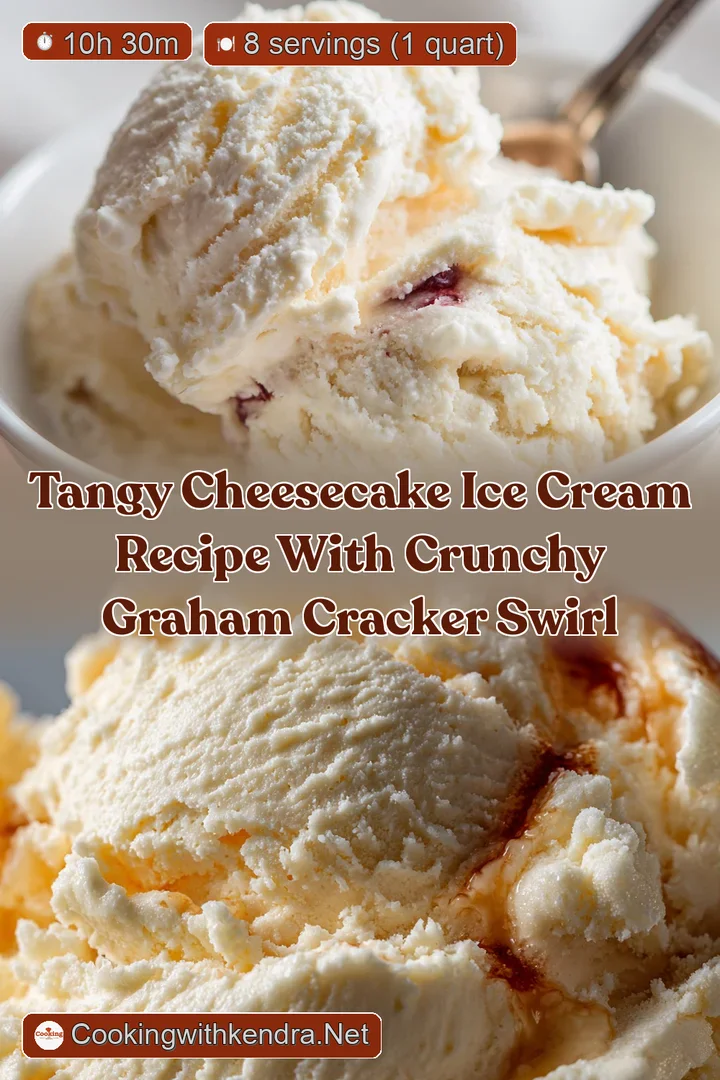
Following these guidelines ensures your final 1-quart batch yields eight servings of perfectly textured, luxurious cheesecake ice cream .
Recipe FAQs
Why does my base look a bit lumpy, even after mixing?
Ah, the classic curdled cream cheese conundrum! This is almost always a temperature issue. If your cream cheese isn't fully soft and room temperature, it won't emulsify smoothly with the sugar, leaving tiny, tough nuggets.
The key, mate, is to ensure the cream cheese is truly pliable before beating it fiercely with the sugar until it's completely light and fluffy no shortcuts here if you want that silky smooth texture.
I don't have an ice cream maker am I completely out of luck for making this Cheesecake Ice Cream?
Absolutely not! While a machine gives the best, creamiest churned result, you can use the reliable "no-churn" method, often known as the condensed milk trick, though the texture will be slightly denser.
Whip up your heavy cream until stiff peaks form, then fold in the prepared cheesecake base. Freeze the mixture, stirring vigorously every hour for the first three hours to break up those pesky ice crystals and achieve a scoopable consistency.
How can I make this taste even more like proper, tangy New York cheesecake?
Great question! To really punch up that signature zing, you could slightly increase the lemon juice (add up to 1/2 teaspoon more), or introduce some cultured tang.
Try substituting a few tablespoons of the whole milk in the recipe with cultured buttermilk or proper sour cream. These fermented dairy additions bring a deeper, more authentic cultured flavour that truly screams ‘cheesecake’ complexity.
Can I mix the graham cracker crumbs in earlier, or do they have to go in right at the end?
Please, for the love of all that is crunchy, wait until the very last stage! If you add the crumble during the churning process, the moisture in the base will immediately turn it into a soggy, disappointing paste a real shame after all that effort.
We need that lovely textural contrast, so folding them in right at the final layering ensures they remain distinct and crispy, ready to mimic that perfect crust beneath your rich ice cream.
How long will this homemade delight last in the freezer before it goes a bit nasty with ice crystals?
If stored correctly in a pre-chilled, airtight container, your high fat ice cream should happily last for about 2 to 3 weeks without significant degradation. Always keep it at the very back of the deep freezer, away from the fluctuating temperatures near the door.
After about three weeks, the texture will generally start to degrade as larger ice crystals form, but frankly, if this intensely rich ice cream lasts longer than a single weekend, you’ve got far more self control than anyone I know!
Tangy Cheesecake Ice Cream With Crumb Swirl
Ingredients:
Instructions:
Nutrition Facts:
| Calories | 518 kcal |
|---|---|
| Protein | 1.5 g |
| Fat | 11.3 g |
| Carbs | 46.3 g |
| Fiber | 7.6 g |
| Sodium | 5079 mg |
