Tender Beef Ribs
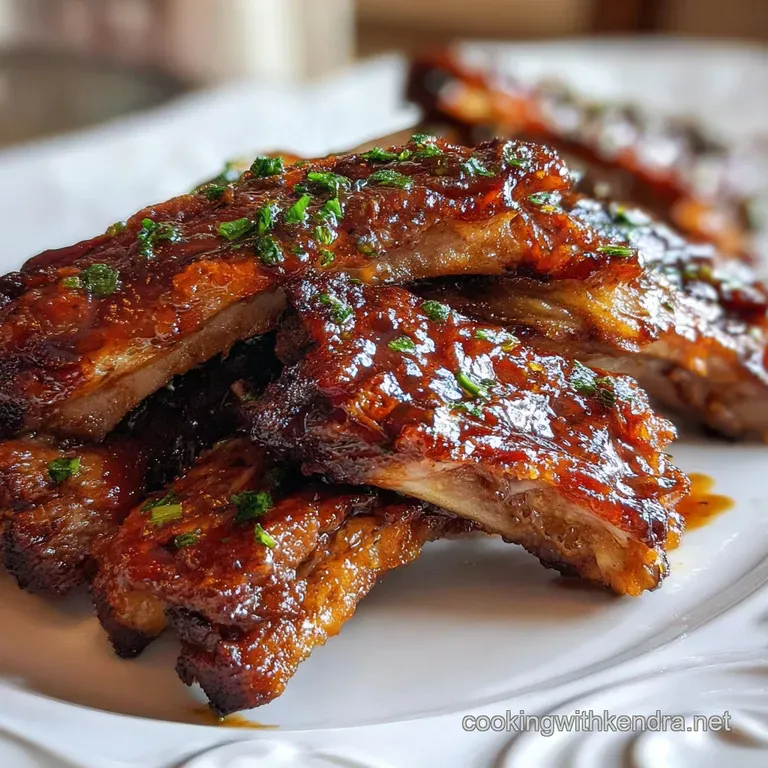
- Time: Active 20 minutes, Passive 1 hours 45 mins, Total 2 hours 5 mins
- Flavor/Texture Hook: Silky, pull apart protein with a smoky tangy reduction
- Perfect for: Cozy family Sunday dinners or impressive budget-friendly entertaining
- Flavorful Braised Beef Ribs for Busy Weeknights
- The Alchemy of Slow Cooked Tenderness
- Critical Numbers for Succulent Results
- Component Analysis of High Impact Flavors
- Kitchen Essentials for Deep Browning
- Mastering the Step by Step Process
- Fixing Texture and Flavor Mishaps
- Smart Swaps for Dietary Needs
- Maximizing Leftovers and Freshness
- Perfect Pairings for a Family Feast
- Very High in Sodium
- Beef Ribs FAQs
- 📝 Recipe Card
Flavorful Braised Beef Ribs for Busy Weeknights
The first time I tried to cook Beef Ribs, I made the classic rookie mistake of rushing the process. I cranked the heat, thinking I could force the meat into submission. What I got was a kitchen full of smoke and ribs so tough they could have replaced the tires on my car.
It was a total disaster, and I ended up ordering pizza while my expensive "costillas de res" sat mocking me from the counter.
But then I learned the secret. It’s all about that initial over high heat sizzle followed by a low, slow bath in a bright, acidic liquid. When you drop those 4 lbs of beef short ribs into a hot pan, the aroma of browning fat shouldn't just be a smell it should be a promise.
This recipe uses smart, cheap additions like dried guajillo chiles and apple cider vinegar to mimic the complexity of a fancy French bistro sauce without the fancy price tag.
We’ve all been there, staring at the butcher counter wondering if we can actually pull off a "fancy" cut of meat. Trust me, with this method, you will. We’re going to focus on building layers of flavor that make the final sauce so velvety you’ll want to drink it with a straw.
It’s comfort food that feels like a hug, and it’s surprisingly hard to mess up once you know the science behind it.
The Alchemy of Slow Cooked Tenderness
Collagen Transformation: Sustained heat at a low simmer converts tough, fibrous collagen into rich, liquid gelatin, creating that signature silky mouthfeel.
Acidic Denaturation: The apple cider vinegar breaks down protein bonds faster, ensuring the meat becomes tender within our 1 hour 45 mins cook time.
Maillard Reaction: Searing the meat at the start creates hundreds of new flavor compounds that simply cannot be replicated by boiling or steaming alone.
Capsaicin Infusion: The dried guajillo chiles release fat soluble flavor molecules that add a smoky depth without overwhelming the natural beefiness.
| Premium Choice | Budget Alternative | Flavor Impact | Savings |
|---|---|---|---|
| Bone in Short Ribs | Beef Chuck Roast (large chunks) | Similar fat content but less "silky" without the bone | Save $15-20 |
| Veal Stock | Low sodium Beef Bone Broth | Less body but bone broth adds great protein and minerals | Save $5-8 |
| Fresh Herbs | Dried Mexican Oregano | Dried is more concentrated; perfectly fine for braising | Save $3-4 |
I often find that people overcomplicate these dishes. You don't need a hundred ingredients to make a meal that tastes like you spent all day in the kitchen. If you love the depth of flavor we're building here, you'll definitely want to try my Italian Beef Stew recipe for another take on slow cooked comfort.
Critical Numbers for Succulent Results
When we talk about Beef Ribs, precision matters more than you might think. I used to eyeball everything, but my family quickly let me know that consistency is king.
If you want that perfect "shatter" on the crust and a tender interior, stick to these specific checkpoints I've hammered out through dozens of trial runs.
The Maillard Maximizer
To get the best crust, your pan needs to be screaming hot. I recommend preheating your heavy skillet or Dutch oven for at least 3 minutes before the oil even touches the metal. When the meat hits the pan, it should produce a loud, aggressive sizzle. If it sounds like a whisper, take it out and wait.
You want a deep mahogany brown, not a light tan.
Rapid Collagen Conversion
We are aiming for an internal temperature of around 205°F for the meat to truly be "fall apart." While we are braising by time (1 hour 45 mins), the visual cue is the most important part.
The meat should have visibly pulled back from the bone, exposing about half an inch of the bone end. That is the universal sign that the connective tissue has surrendered.
Acid Balanced Reduction
The 1/4 cup of apple cider vinegar isn't just for tenderizing; it’s for balance. Beef is heavy and fatty. Without that sharp hit of acid, the dish can feel "muddy" on the palate.
By the end of the cooking time, the vinegar will have mellowed, leaving behind a subtle brightness that cuts through the richness of the 44 g of fat per serving.
Component Analysis of High Impact Flavors
| Ingredient | Science Role | Pro Secret |
|---|---|---|
| 4 lbs Beef Ribs | Primary protein and fat source | Pat them bone dry with paper towels for a better sear |
| 3 Dried Guajillo Chiles | Provides earthy, smoky base notes | Toast them in the dry pan for 30 seconds to wake up the oils |
| 1/4 cup ACV | Chemical tenderizer and flavor balancer | Add it to deglaze the pan to scrape up every bit of flavor |
| 6 Cloves Garlic | Aromatic sulfur compounds | Smash them rather than mincing to prevent burning during the sear |
I've learned the hard way that missing even one of these components can leave the dish feeling a bit flat. For instance, the guajillo chiles aren't there for heat they are there for soul. They give the sauce a reddish hue and a complexity that makes people ask, "What is in this?"
Kitchen Essentials for Deep Browning
You don't need a professional kitchen, but a few specific tools make this much easier. A heavy bottomed pot, like a cast iron Dutch oven, is your best friend here because it holds heat so well.
If you only have a thin stainless steel pot, you'll need to watch your heat more closely to prevent the tomato paste from scorching.
- Heavy Dutch Oven or Large Skillet: For consistent heat distribution.
- Tongs: To flip the ribs without piercing the meat and losing juices.
- Blender or Food Processor: Optional, if you want a perfectly smooth sauce later.
- Paper Towels: Essential for drying the meat to ensure a proper sear.
Chef's Note: If you're working on a budget, don't feel like you need a $300 French pot. A standard Lodge cast iron dutch oven works just as well and will last your family for generations.
Mastering the step-by-step Process
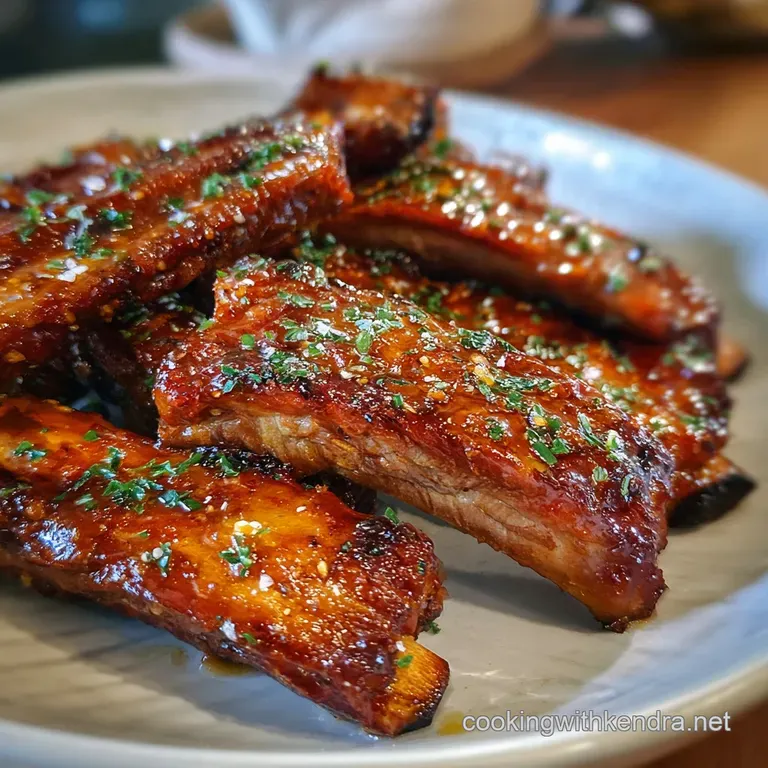
- Prep the meat. Pat the 4 lbs of beef short ribs completely dry. Season aggressively with 2 tbsp coarse Kosher salt and 1 tbsp cracked black pepper. Note: Dry meat sears; wet meat steams.
- Sear the ribs. Heat your pot over medium high heat. Add the ribs and sear for 3-4 minutes per side until a dark, crusty bark forms.
- Aromatize. Remove the meat and set aside. Toss in the 1 sliced onion and 6 smashed garlic cloves. Cook for 5 minutes until the onions are softened and translucent.
- Toast the chiles. Add the 3 dried guajillo chiles to the pot. Let them toast for about 1 minute until they smell slightly nutty and fragrant.
- Deglaze. Stir in 1 tbsp tomato paste and cook for 2 minutes. Pour in 1/4 cup apple cider vinegar, scraping the bottom of the pan until all the brown bits (fond) are released.
- Simmer. Add 2 cups low sodium beef bone broth and 1 tsp dried Mexican oregano. Return the ribs to the pot, ensuring they are partially submerged.
- Braise. Cover and reduce heat to low. Simmer for 1 hour 45 mins until the meat is tender and pulling away from the bone.
- Strain (Optional). Remove the ribs. Strain the liquid to remove the onion, garlic, and chile skins for a velvety, smooth sauce texture.
- Reduce. If the sauce is too thin, simmer it uncovered for 5-10 minutes until it coats the back of a spoon.
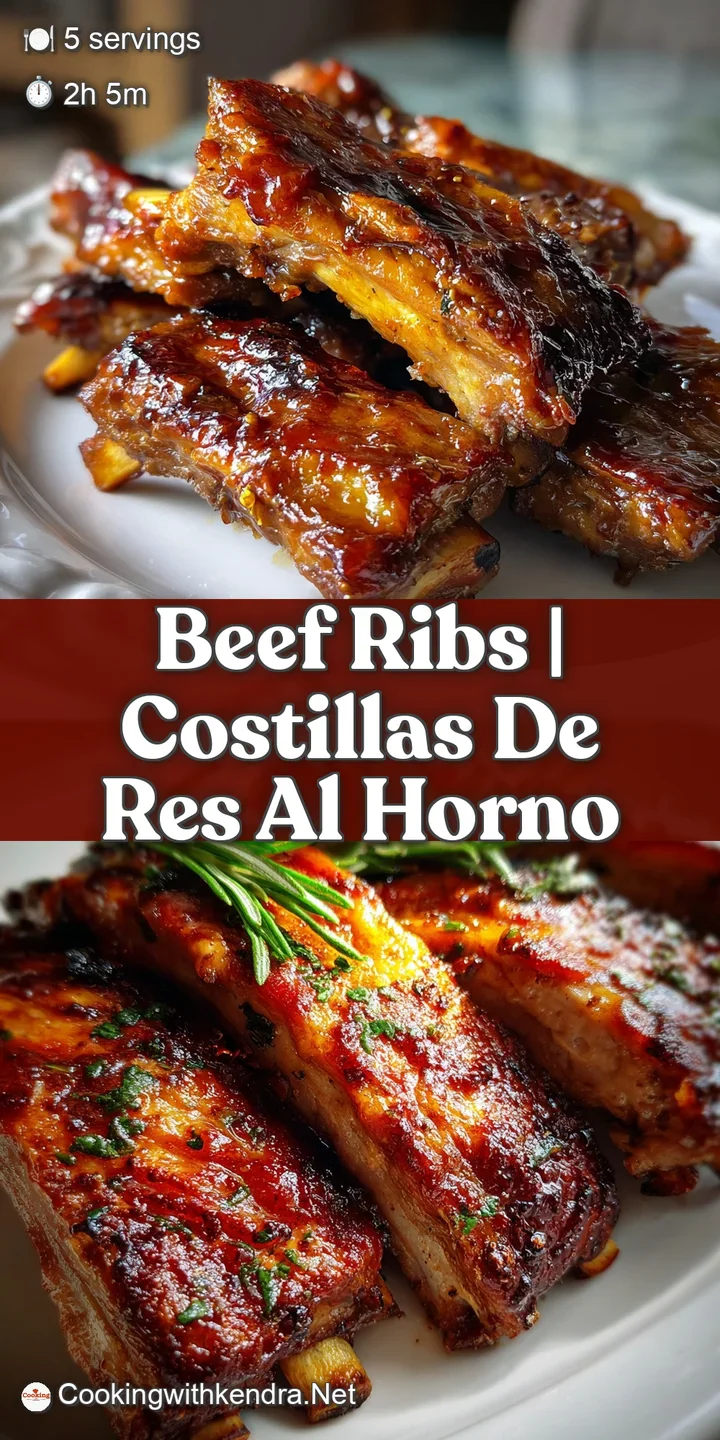
- Serve. Plate the ribs and spoon the warm reduction over the top immediately.
Fixing Texture and Flavor Mishaps
The Meat is Tough
If you poke the meat and it still feels "tight" or springy, it simply hasn't cooked long enough. Not all "costillas de res" are created equal; some cows are older and have tougher connective tissue. Just put the lid back on and give it another 20 minutes. Time is the only cure for stubborn collagen.
The Sauce is Too Greasy
Short ribs are naturally fatty, and sometimes that 44 g of fat per serving can pool on top. Don't panic. You can use a wide spoon to skim the clear fat off the top, or my favorite trick: drag a cold piece of bread across the surface to soak up the excess oil.
The Flavor is Flat
If the dish tastes "okay" but doesn't "pop," it's usually a lack of salt or acid. Add another teaspoon of apple cider vinegar or a pinch of salt right at the end. It’s like turning up the volume on a radio suddenly all the other flavors become clear.
| Problem | Root Cause | Solution |
|---|---|---|
| Meat is dry/stringy | Heat was too high, boiling the juices out | Keep the liquid at a very gentle simmer, not a rolling boil |
| Sauce is bitter | Garlic or tomato paste scorched during the sear | Add a teaspoon of sugar to balance the bitterness |
| No crust on meat | Pan wasn't hot enough or meat was wet | Always pat dry and wait for the oil to shimmer before adding meat |
Common Mistakes Checklist
- ✓ Skipping the sear: You'll lose about 50% of the potential flavor.
- ✓ Crowding the pan: Sear in batches so the temperature doesn't drop.
- ✓ Using "regular" oregano: Mexican oregano has citrusy notes that work better with chiles.
- ✓ Forgetting to deglaze: Those brown bits on the bottom are concentrated flavor gold.
- ✓ Rushing the rest: Let the meat sit in the sauce for 5 minutes before serving to reabsorb juices.
Smart Swaps for Dietary Needs
Adjusting this recipe for different needs is pretty straightforward because the base is mostly protein and aromatics. If you're looking for a way to use the leftovers in a completely different way, you might consider shredding the meat for a The Quintessential reuben recipe style sandwich it's unconventional but the fatty beef works beautifully with kraut.
Keto and Low Carb
This recipe is already naturally low carb with only 8 g of carbohydrates per serving. To keep it strictly keto, ensure your beef bone broth doesn't have added sugars and serve the ribs over cauliflower mash instead of potatoes.
Paleo Variation
For a paleo friendly version, simply ensure your tomato paste has no additives and use a high-quality bone broth. The apple cider vinegar is already paleo approved and provides the perfect tang without needing wine or other sugars.
Scaling Down
If you are only cooking for two, you can easily halve this recipe. Use a smaller pot so the liquid still comes halfway up the ribs. You don't need to reduce the cook time by much, as the collagen breakdown still takes the same amount of heat exposure regardless of the total weight.
Maximizing Leftovers and Freshness
Storage: These ribs are even better the next day. Keep them in an airtight container in the fridge for up to 4 days. The fat will solidify on top, making it incredibly easy to scrape off and discard before reheating if you want a leaner meal.
Freezing: You can freeze the cooked ribs in their sauce for up to 3 months. To reheat, thaw in the fridge overnight and then warm them gently in a covered pot on the stove. Avoid the microwave if possible, as it can make the meat feel rubbery.
Zero Waste Tip: Don't throw away those bones! After you've eaten, toss the bones back into a pot with water and some veggie scraps to make your own beef stock. Also, those strained onions and garlic from the sauce? Mash them into some softened butter for an incredible "umami butter" to use on toast.
Perfect Pairings for a Family Feast
When serving Beef Ribs, you want something that can soak up that incredible sauce. A creamy polenta or a big pile of garlic mashed potatoes is the classic choice. The richness of the beef also pairs surprisingly well with something bright and crunchy, like a vinegar based slaw or pickled red onions.
If you’re looking for a shortcut to a complete meal, a simple Beef Gravy Recipe can actually be used to stretch the braising liquid if you find yourself with more meat than sauce. My family loves it when I serve these ribs alongside some crusty sourdough bread to make sure not a single drop of that guajillo infused liquid goes to waste.
Right then, you're ready to tackle these like a pro. Remember, the kitchen is a place for learning, so if your first batch isn't "perfect," just take a note of what happened and try again. That’s how I went from "tire tread ribs" to the dish my family begs for every birthday!
Very High in Sodium
1380 mg mg of sodium per serving (60% % of daily value)
The American Heart Association recommends limiting sodium intake to no more than 2,300mg per day.
Sodium Reduction Tips for Your Short Ribs Recipe
-
Broth Swap-30%
Opt for no-sodium added beef bone broth. This simple substitution can significantly lower the sodium content in the dish.
-
Salt Reduction-25%
Reduce the amount of coarse Kosher salt. Try using 1 tbsp instead of 2 tbsp. Taste and adjust seasoning as needed after cooking.
-
Vinegar Adjustment-10%
Start with a smaller amount of apple cider vinegar, such as 2 tablespoons instead of 1/4 cup. You can always add more to taste at the end.
-
Tomato Paste Check-10%
Use tomato paste sparingly. Look for a low-sodium version if available, or consider reducing the amount used by half.
-
Spice It Up!
Experiment with fresh herbs and spices like cumin, coriander, or smoked paprika to boost flavor without adding sodium. These additions complement the chiles and other spices already present.
Beef Ribs FAQs
What is beef rib called in the US?
Beef short ribs are the most common term in the US. You might also see them labeled as "beef ribs" or "English cut ribs" depending on the butcher.
What's the best way to cook beef ribs?
Braising is best for tender, flavorful beef ribs. This method involves searing the ribs first and then slowly cooking them in liquid, which breaks down tough connective tissues.
How long should beef ribs be cooked?
Around 1.5 to 3 hours is typical for braised beef ribs. The exact time depends on the thickness of the ribs and the cooking temperature, but they're done when the meat is fork tender and easily pulls away from the bone.
What are beef ribs in English?
Beef ribs in English are typically called beef short ribs. These are the ribs from the chuck, brisket, or plate primal cuts of the cow, known for their rich marbling and tenderness when cooked low and slow.
Can I cook beef ribs in a slow cooker?
Yes, a slow cooker works very well for beef ribs. Simply sear them first, then add them to your slow cooker with your braising liquid and aromatics, and cook on low for 6-8 hours or high for 3-4 hours, similar to how we build flavor in our Crockpot Recipe with Beef and Potatoes - Comfort Food Classic.
What temperature should beef ribs be cooked at?
Low and slow is key, typically between 275°F and 325°F (135°C to 160°C) in the oven or slow cooker. This gentle heat allows the collagen to break down without drying out the meat.
Do I need to marinate beef ribs before cooking?
Marinating is optional, but can add flavor and tenderness. A simple rub of salt, pepper, and garlic powder is often enough, especially if you're braising, as the braising liquid will impart plenty of flavor. However, for an extra boost, consider a marinade similar to what you might find in a recipe like Speedy Beef Broccoli with Oyster Sauce Weeknight Wonder before searing.
Tender Beef Ribs
Ingredients:
Instructions:
Nutrition Facts:
| Calories | 585 calories |
|---|---|
| Protein | 38 g |
| Fat | 44 g |
| Carbs | 8 g |
| Fiber | 2 g |
| Sugar | 3 g |
| Sodium | 1380 mg |
