Tender Cube Steak with Brown Gravy
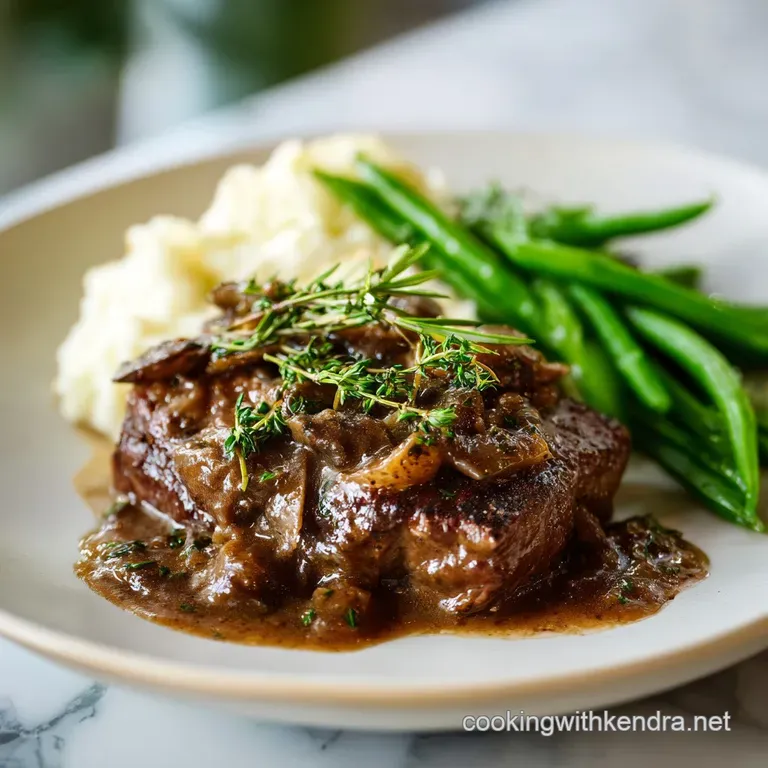
- Time: Active 10 minutes, Passive 20 minutes, Total 30 minutes
- Flavor/Texture Hook: Velvety brown gravy over shatter crisp seared beef
- Perfect for: Busy weeknight dinners or Sunday soul food cravings
The first time I tried to cook this cut, I basically made a batch of leather boots. I didn't understand that you can't just treat it like a ribeye. I remember the smell of scorched flour and the frustration of a chewy dinner, but that mistake taught me everything.
Now, the moment that 1.5 lbs beef cube steaks hit the hot oil, the sizzle is music to my ears, and the aroma of toasted garlic and smoked paprika fills the kitchen like a warm hug.
You want a dish that feels like home, where the meat gives way to a fork without any struggle. We are going for that specific, deep mahogany crust that only happens when you get the pan temp just right. This isn't just a meal, it's a lesson in how a few humble pantry staples can create something truly soulful.
We've all been there with a "tough" piece of meat, but I promise we are going to fix that today. By the time the 2 cups low sodium beef broth starts bubbling and thickening into a glossy sauce, you'll know exactly why this is a staple in my house.
Trust me on this, once you master the sear, you'll never look at this cut the same way again.
Why This Recipe Works
- Mechanical Fiber Disruption: The "cubing" process pre breaks tough connective tissues, allowing heat to penetrate faster without drying the meat out.
- Starch Gelatinization: The 0.5 cup all purpose flour creates a protective barrier that seals in juices while simultaneously thickening the broth into a velvety gravy.
- Maillard Reaction: Searing at high heat creates complex flavor molecules on the beef's surface that dissolve into the sauce for a deeper, savory profile.
- Enzymatic Softening: The sulfur compounds in the 1 large yellow onion mellow out during the simmer, adding a natural sweetness that balances the salty beef broth.
The secret to this specific dish lies in the relationship between the sear and the simmer. If you like the technique used in my Cube Steak and recipe, you'll notice how the flour coating acts like a sponge for the 1 tbsp Worcestershire sauce. This creates a flavor bridge between the beef and the onions.
Finish and Doneness Guide
| Thickness | Internal Temp | Rest Time | Visual Cue |
|---|---|---|---|
| 1/2 inch | 145°F | 3 mins | Gravy clings to meat |
| 3/4 inch | 150°F | 5 mins | No pink in center |
| 1 inch | 155°F | 5 mins | Meat feels firm to touch |
The Physics of the Press
Applying firm pressure to the meat while searing increases the surface area contact with the 1 tbsp olive oil. This ensures an even, golden brown crust rather than patchy gray spots.
Component Analysis and Flavor
| Ingredient | Science Role | Pro Secret |
|---|---|---|
| All Purpose Flour | Provides starch for the roux | Toast the flour coated meat until it smells nutty for better gravy |
| Smoked Paprika | Adds fat soluble color and depth | Bloom it in the butter to release its smoky aroma |
| Beef Broth | Deglazes the pan (fond recovery) | Use room temperature liquid to prevent the butter from seizing |
| Worcestershire | Adds acidity and fermented umami | A little goes a long way to cut through the richness of the fat |
Getting the seasoning right is half the battle. I always make sure to use 0.5 tsp freshly cracked black pepper because the pre ground stuff just lacks that floral punch. When you mix it with the 1 tsp garlic powder and 0.5 tsp onion powder, you're building a foundation of flavor that stays trapped under that flour coating.
Shopping List Breakdown
- 1.5 lbs beef cube steaks: Why this? Pre tenderized cut that absorbs gravy beautifully through its perforated surface.
- Substitute: Round steak, but you must manually tenderize it with a mallet.
- 0.5 cup all purpose flour: Why this? The perfect medium for creating a thin, crisp crust and thickening the sauce.
- Substitute: Cornstarch (use half the amount) for a gluten-free option.
- 2 cups low sodium beef broth: Why this? Provides the liquid base without making the final dish overly salty.
- Substitute: Chicken broth + 1 tsp soy sauce for color.
- 1 tbsp Worcestershire sauce: Why this? Adds a complex, tangy fermented note that enhances the beefiness.
- Substitute: Balsamic vinegar for a similar acidic "bite."
- 2 tbsp unsalted butter: Why this? Adds richness and helps brown the onions into a sweet, golden mess.
- Substitute: Ghee or clarified butter for a higher smoke point.
- 1 tsp smoked paprika: Why this? Gives the gravy a gorgeous reddish brown hue and a hint of campfire smoke.
- Substitute: Regular sweet paprika if you prefer zero smoke flavor.
Ingredient Substitution Table
| Original Ingredient | Substitute | Why It Works |
|---|---|---|
| Unsalted Butter | Beef Tallow | Intensifies the beef flavor. Note: Higher fat content, very rich. |
| All Purpose Flour | Rice Flour | Creates an even crispier, thinner shell on the meat. |
| Yellow Onion | Shallots | Provides a more delicate, garlicky sweetness to the gravy. |
Necessary Kitchen Gear
To get that perfect sizzle, I always reach for my cast iron skillet (like a 12 inch Lodge). The heat retention is unmatched, which is vital when you're adding 1.5 lbs of cold meat to a pan.
If you don't have cast iron, a heavy bottomed stainless steel pan works too, but avoid thin non stick pans as they won't give you that "shatter" texture on the crust.
You'll also want a pair of sturdy tongs to flip the meat without tearing the delicate flour coating. A wire whisk is your best friend when it comes to stirring in the 2 cups low sodium beef broth; it breaks up any stubborn flour bits to ensure the gravy is silky rather than lumpy.
From Prep to Plate
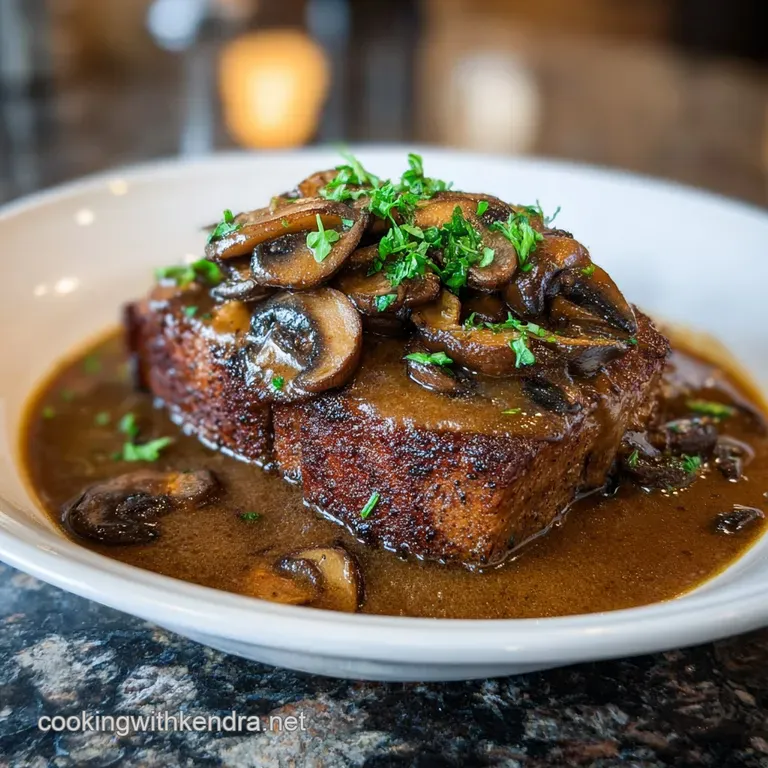
- Season the flour. Whisk the 0.5 cup all purpose flour, 1 tsp smoked paprika, 1 tsp garlic powder, 0.5 tsp onion powder, 0.5 tsp salt, and 0.5 tsp freshly cracked black pepper in a shallow dish. Note: This ensures every bite of the 1.5 lbs beef cube steaks is seasoned.
- Dredge the beef. Press each steak firmly into the flour mixture until completely coated on both sides. Note: Shake off the excess so the coating doesn't get gummy in the pan.
- Heat the fats. Place the 1 tbsp olive oil and 1 tbsp of the unsalted butter in a large skillet over medium high heat. Cook until the butter foam subsides and begins to smell nutty.
- Sear the steaks. Add the meat to the pan in batches. Cook for 3 minutes per side until the crust is golden and crackling.
- Remove and rest. Transfer the seared beef to a plate and tent loosely with foil. Note: This keeps the meat warm while you build the onion base.
- Sauté the onions. Add the remaining 1 tbsp unsalted butter to the same pan, then toss in the 1 large yellow onion. Sauté for 8 minutes until soft and amber colored.
- Deglaze the pan. Pour in the 1 tbsp Worcestershire sauce and 2 cups low sodium beef broth. Scrape the bottom of the pan to release the flavorful browned bits (fond).
- Thicken the sauce. Bring the liquid to a gentle simmer. Whisk constantly until the steam smells rich and the sauce coats the back of a spoon.
- Combine. Slide the steaks and any accumulated juices back into the gravy. Simmer for 5 minutes until the meat is heated through.
- Final touch. Taste the gravy and add a pinch more salt if needed. Serve immediately while the aroma is at its peak.
Chef's Note: If your gravy looks a bit thin, let it simmer for an extra 2 minutes without the lid. The reduction concentrates the beef flavor and tightens the texture.
How to Fix Problems
Rescuing Tough Beef
Sometimes, even with cubing, the meat can feel a bit resilient. This usually happens if the heat was too high, causing the proteins to tighten too quickly. To fix this, simply add an extra splash of broth, cover the pan with a tight fitting lid, and let it simmer on low for an additional 10 minutes.
The steam will break down the fibers further.
Smoothing Lumpy Gravy
If you find yourself with little flour "bombs" in your sauce, don't panic. The easiest fix is to pour the gravy through a fine mesh strainer into a bowl, then return the smooth liquid to the pan. Alternatively, a quick pulse with an immersion blender will turn those lumps into a velvety dream in seconds.
Troubleshooting Quick Guide
| Problem | Root Cause | Solution |
|---|---|---|
| Flour coating peeling off | Meat was too wet before dredging | Pat meat dry with paper towels next time. |
| Gravy is too salty | Broth reduced too much | Add a splash of water or a teaspoon of heavy cream. |
| Coating is soggy | Pan wasn't hot enough | Wait for the oil to shimmer before adding the meat. |
Common Mistakes Checklist
- ✓ Pat the beef completely dry before dredging (prevents the flour from turning into paste).
- ✓ Do not overcrowd the pan; work in batches to maintain a high searing temperature.
- ✓ Let the onions reach a deep gold color before adding liquid to maximize sweetness.
- ✓ Use low sodium broth to maintain total control over the seasoning levels.
- ✓ Whisk the gravy constantly as it comes to a boil to prevent burning on the bottom.
Flavorful Swaps and Twists
If you're looking for a leaner, more "wild" version of this dish, you might enjoy a Venison Cube Steak recipe. Deer meat responds beautifully to this smothered method because the gravy provides the moisture that lean game meat often lacks.
Stovetop vs. Oven Comparison
| Method | Time | Texture | Best For |
|---|---|---|---|
| Stovetop | 30 minutes | Crispy crust, silky sauce | Quick weeknight meals |
| Oven Braised | 60 minutes | Ultra tender, integrated flavor | Weekend comfort cooking |
| Air Fryer | 15 minutes | Maximum crunch, less gravy | Healthy ish fast dinner |
Decision Shortcut
- If you want a richer flavor, whisk in 1 tbsp of heavy cream at the very end.
- If you want a spicier kick, add 0.5 tsp of cayenne pepper to the flour mixture.
- If you want a deeper color, add a drop of Gravy Master or Kitchen Bouquet to the broth.
Adjusting for More Guests
When doubling this recipe to serve 8, use two separate skillets if possible. If you only have one, you must sear the 3 lbs of meat in at least three or four batches. Never stack the meat in the pan while searing, or it will steam instead of browning.
For the liquid, only increase the 2 cups low sodium beef broth to 3.5 cups to avoid a soupy consistency.
Storage and Waste Tips
Store any leftovers in an airtight container in the fridge for up to 3 days. When reheating, I recommend doing it on the stove over low heat. Add a tablespoon of water or broth to the pan to loosen the gravy, as the starch will thicken significantly while cold.
Avoid the microwave if possible, as it can make the beef feel rubbery.
For the freezer, this dish holds up surprisingly well for about 2 months. Thaw it overnight in the fridge before reheating. To reduce waste, save those onion ends and skins! Toss them into a freezer bag with other veggie scraps to make your own homemade beef stock later.
If you have extra seasoned flour left over, don't throw it out it makes a great base for a roux in another savory dish like a pot pie.
What to Serve This With
In my kitchen, this beef is a lonely soul without a big scoop of garlic mashed potatoes. The gravy is the star here, so you need something to soak it up. If you're looking for a lower carb option, a Keto Garlic Butter recipe style cauliflower mash is a fantastic substitute.
A side of honey glazed carrots or steamed green beans adds a much needed pop of color and a fresh crunch to balance the heavy, savory notes of the smothered beef. Whatever you choose, make sure you have some crusty bread nearby. You are going to want to swipe every last drop of that onion gravy off your plate.
Honestly, don't even bother with a salad this is pure, unadulterated comfort food.

Recipe FAQs
How do you cook cube steak so it isn't tough?
Sear quickly, then simmer gently in liquid. Cube steak is naturally tough because it comes from harder working muscles; quick mechanical tenderizing breaks the fibers, but slow simmering in a liquid like broth or gravy finishes the job.
Is cube steak a good cut of meat?
Yes, it is excellent for smothered dishes. While it is not inherently tender like a filet, its advantage lies in its pre-tenderized texture, which readily accepts seasoning and absorbs rich sauces.
What is another name for cube steak?
It is often sold as "minute steak" or "tenderized steak." These names indicate that the cut has been mechanically pounded or run through a blade tenderizer, making it suitable for quick cooking or braising.
How to cook cubed beef so it's tender?
Dredge the beef in seasoned flour and sear hard before simmering. The flour coating creates a barrier that seals in moisture during the sear, and the subsequent low-and-slow simmer in gravy breaks down the connective tissue.
Can I skip pounding cube steak if it already looks dimpled?
No, you should still pound it if you want maximum tenderness. While the dimples indicate machine tenderization, a few hard whacks with a meat mallet further break down muscle fibers, ensuring a more "fork tender" final texture.
Why does my cube steak taste bland even after seasoning?
It likely needs an acidic or umami element to balance the beef flavor. The key is developing a flavorful fond in the pan; adding something tangy like Worcestershire sauce helps lift the overall savory profile.
What sauce pairs best with cube steak besides brown gravy?
A rich, complex reduction like a classic Bordelaise sauce works wonderfully. If you enjoyed learning how to manage the searing crust here, mastering a deep, wine based sauce like our Bordelaise Sauce recipe provides an elevated pairing.
Tender Cube Steak In Gravy
Ingredients:
Instructions:
Nutrition Facts:
| Calories | 438 kcal |
|---|---|
| Protein | 42g |
| Fat | 21g |
| Carbs | 17g |
| Fiber | 1g |
| Sugar | 2g |
| Sodium | 645mg |
