Tender Cube Steak Recipe with Brown Gravy
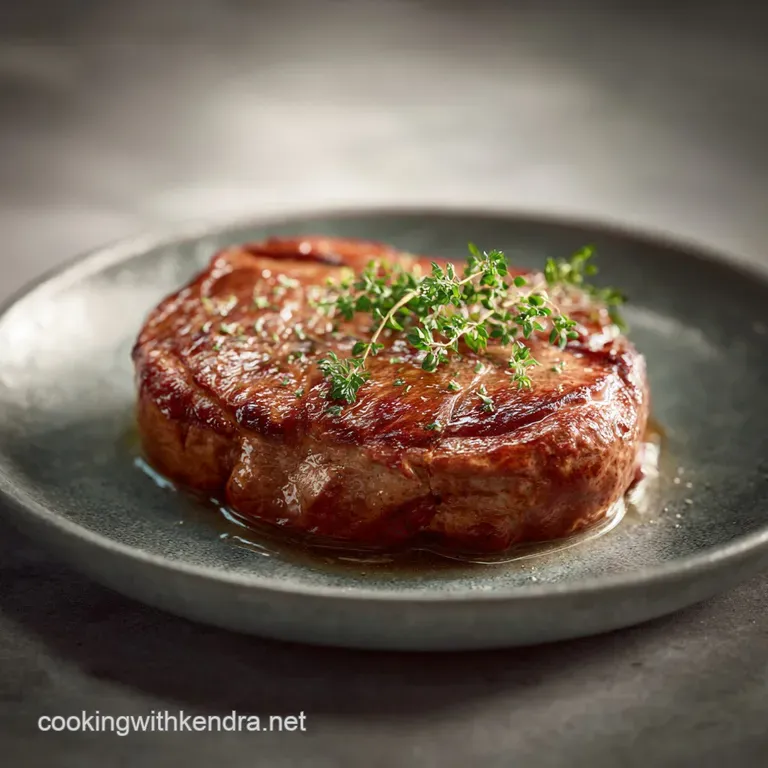
- Time: Active 10 minutes, Passive 20 minutes, Total 30 minutes
- Flavor/Texture Hook: Savory, velvety gravy over crispy edged beef
- Perfect for: Busy weeknight dinners or budget-friendly family meals
- Why This Cube Steak Recipe Works
- Essential Recipe Specs and Numbers
- Complete Ingredient Shopping List
- Essential Kitchen Equipment Required
- Detailed Cooking Process and Method
- Solving Common Kitchen Mistakes
- Simple Dietary Adaptation Options
- Scaling This Dish
- Debunking Common Kitchen Myths
- Storage and Make Ahead Tips
- Perfect Side Dish Pairings
- Recipe FAQs
- 📝 Recipe Card
Why This Cube Steak Recipe Works
The sizzle of 4 cube steaks hitting a hot cast iron skillet is honestly the best part of my Tuesday nights. I remember my first attempt at this; I was so worried the meat would turn into shoe leather, but that's the beauty of this specific cut.
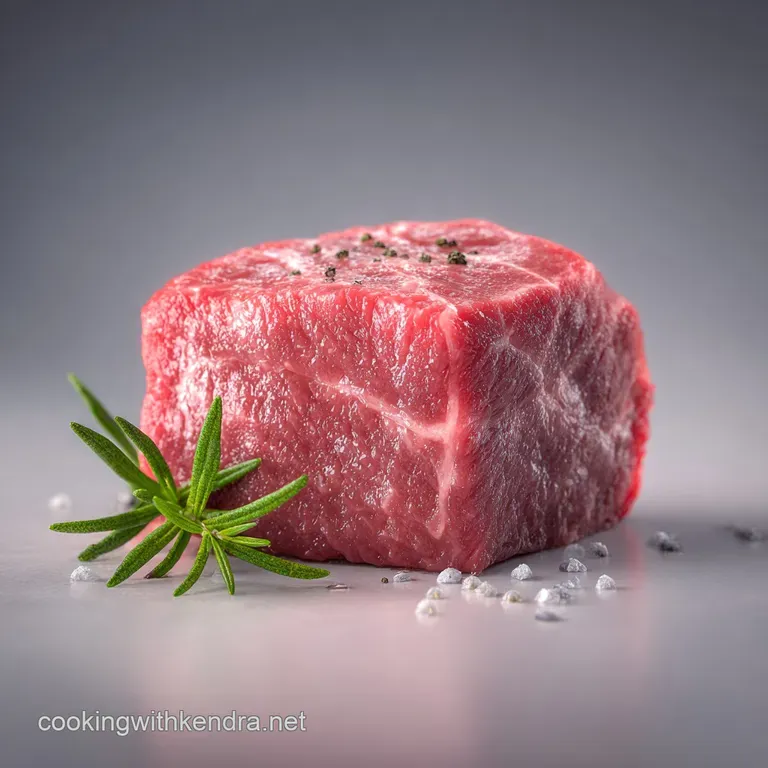
It looks like ground beef's more sophisticated cousin because of those little indentations, but it's actually top round or sirloin that’s been through a mechanical tenderizer.
The kitchen starts smelling like a cozy diner the second the sliced yellow onion hits the pan drippings. We've all had those days where we want a fancy steak house vibe but our bank account says "keep it real." That is exactly where this recipe shines.
It is unpretentious, filling, and uses ingredients you probably already have in your pantry.
I've learned the hard way that you can't rush the sear. If you crowd the pan, the meat steams instead of browning, and you lose that mahogany crust that makes the gravy taste so deep. Trust me, taking an extra five minutes to work in batches makes a world of difference.
It's the difference between a "fine" dinner and everyone asking for seconds.
- Mechanical Tenderization: The "cubing" process breaks tough collagen fibers, allowing heat to penetrate quickly without making the meat chewy.
- Starch Gelatinization: The 1 cup all purpose flour from the dredge acts as a built in thickener for the 2 cups beef broth.
- Maillard Reaction: Searing the seasoned beef at high heat creates complex flavor compounds that flavor the entire pan sauce.
- Acidic Balance: The 1 tbsp Worcestershire sauce provides essential acidity to cut through the richness of the 1 tbsp unsalted butter.
| Meat Thickness | Internal Temp | Rest Time | Visual Cue |
|---|---|---|---|
| 1/2 inch | 145°F | 3 minutes | Brown crust, no red juices |
| 3/4 inch | 145°F | 5 minutes | Deep golden exterior |
| 1/4 inch | 145°F | 2 minutes | Quick sear, dark edges |
Choosing the right cut of meat makes a huge difference in how the final dish feels on the fork. While you can find "cube steak" pre packaged at most grocery stores, you can also ask your butcher to run a piece of top round through the tenderizer twice for an even softer texture.
Essential Recipe Specs and Numbers
| Component | Science Role | Pro Secret |
|---|---|---|
| All Purpose Flour | Coating & Thickener | Sift with spices for even distribution |
| Beef Broth | Liquid Base | Use low sodium to control salt levels |
| Vegetable Oil | Heat Transfer | Use a high smoke point oil for searing |
Every ingredient in this list serves a specific purpose in building the final flavor profile. This isn't just about cooking meat; it's about creating a harmonious pan sauce. For example, the 0.5 tsp smoked paprika isn't just for color; it adds a subtle earthiness that makes the beef taste more "grilled" even though it’s pan-fried.
The combination of 1 tsp garlic powder and 1 tsp onion powder provides a consistent savory base without the risk of fresh garlic burning in the over high heat oil. This recipe is very similar to how I approach my Salisbury Steak is recipe because both rely on building a heavy hit of umami in the sauce.
Complete Ingredient Shopping List
- 4 cube steaks (approx. 1.5 lbs)Why this? Pre tenderized cut that stays soft during fast cooking.
- Substitute: Round steak pounded very thin with a mallet.
- 1 cup all purpose flourWhy this? Creates the crust and thickens the gravy later.
- Substitute: Whole wheat flour (results in a nuttier, denser gravy).
- 1 tsp garlic powderWhy this? Even seasoning without burning bits of fresh garlic.
- Substitute: Granulated garlic.
- 1 tsp onion powderWhy this? Adds depth to the seasoned dredge.
- Substitute: Shallot powder.
- 0.5 tsp smoked paprikaWhy this? Adds a hint of woodsy flavor and color.
- Substitute: Sweet paprika or a pinch of cayenne.
- 1 tsp cracked black pepperWhy this? Provides a sharp bite to balance the fat.
- Substitute: White pepper for a milder heat.
- 0.5 tsp sea saltWhy this? Enhances the natural beef flavors.
- Substitute: Kosher salt (use 1 tsp).
- 2 tbsp vegetable oilWhy this? High smoke point for a perfect hard sear.
- Substitute: Canola oil or avocado oil.
- 1 tbsp unsalted butterWhy this? Adds a velvety finish and richness to the sauce.
- Substitute: Ghee or margarine.
- 1 small yellow onion, thinly slicedWhy this? Caramelizes to provide natural sweetness to the gravy.
- Substitute: White onion or 2 medium shallots.
- 2 cups beef broth, low sodiumWhy this? The liquid base for the "smothered" sauce.
- Substitute: Chicken broth mixed with 1 tsp soy sauce.
- 1 tbsp Worcestershire sauceWhy this? Adds fermented depth and essential tang.
- Substitute: 1 tsp soy sauce plus 1 tsp lemon juice.
Essential Kitchen Equipment Required
You really don't need fancy gadgets for this, but a heavy bottomed skillet is your best friend here. I prefer a 12 inch cast iron skillet (like a Lodge) because it holds heat so well.
When you drop the meat in, the temperature of the pan doesn't plummet, which means you get that beautiful brown crust instead of gray, boiled looking meat.
You'll also want some sturdy tongs. I once tried flipping these with a fork and ended up tearing the breading right off. It was a mess. A wide, shallow bowl for the flour dredge and a whisk for the gravy are also key to keeping things smooth.
If you don't have a whisk, a fork works in a pinch, just be prepared to work those arm muscles to get the lumps out.
Detailed Cooking Process and Method
- Prep the steaks. Pat the 4 cube steaks dry with paper towels. Note: This ensures the flour sticks and the meat sears rather than steams.
- Mix the dredge. Whisk together 1 cup flour, garlic powder, onion powder, smoked paprika, pepper, and sea salt in a shallow dish.
- Coat the beef. Press each steak firmly into the flour mixture, flipping to coat both sides. Shatter any large lumps of flour before cooking.
- Heat the pan. Add 2 tbsp vegetable oil to a large skillet over medium high heat until the oil shimmers and barely wisps smoke.
- Sear the meat. Place steaks in the pan and cook for 3 minutes per side until deep golden and crusty. Work in batches to avoid crowding.
- Sauté the onions. Remove meat and set aside. Lower heat to medium, add 1 tbsp butter and the sliced yellow onion. Cook until soft and translucent.
- Deglaze the skillet. Pour in 2 cups beef broth and 1 tbsp Worcestershire sauce. Use a spatula to scrape up the brown bits (fond) from the bottom.
- Thicken the sauce. Bring the liquid to a simmer. Note: The leftover flour on the pan surface will naturally thicken the broth.
- Combine and finish. Return the steaks to the pan, spooning the sauce over them. Simmer for 5-10 minutes until the sauce is velvety.
- Check doneness. Ensure meat is fork tender and internal temperature has reached 145°F before serving.
Solving Common Kitchen Mistakes
If your breading is sliding off the meat like a loose sweater, you probably didn't pat the meat dry first. Moisture is the enemy of a good crust. When the meat is wet, it creates a layer of steam between the beef and the flour, preventing them from bonding. Another culprit is flipping the meat too early. Let it sit!
It will naturally release from the pan once that crust has formed.
Rubbery Texture Problems
If the meat feels like a bouncy ball, it likely didn't cook long enough in the simmering stage. While the sear provides flavor, the simmer provides tenderness. Cube steak is thin, but it still needs those few minutes in the liquid to relax the muscle fibers.
Thin or Lumpy Gravy
Thin gravy usually happens if you didn't have enough flour left over on the steaks or in the pan. Lumpy gravy happens if you pour the broth in too fast without stirring. Always add the liquid slowly and keep that whisk moving.
| Problem | Root Cause | Solution |
|---|---|---|
| Breading falls off | Meat was too wet | Pat beef dry with paper towels before dredging |
| Gravy is bland | Missing the fond | Scrape all brown bits from pan after searing |
| Meat is tough | Simmer was too short | Cover the pan and simmer for an extra 5 minutes |
- ✓ Pat meat completely dry before dredging in flour.
- ✓ Ensure the oil is hot enough to sizzle immediately upon contact.
- ✓ Don't flip the meat more than once; let the crust build.
- ✓ Scrape the bottom of the pan thoroughly to incorporate the "fond" into the gravy.
- ✓ Use low sodium broth to avoid an oversalted final sauce.
Simple Dietary Adaptation Options
If you're keeping things lower on the carb scale, you can still enjoy this flavor profile. For a healthy cube steak recipe, try using almond flour for the dredge. It won't thicken the gravy the same way, so you might need a pinch of xanthan gum to get that velvety texture. For a completely different vibe, you might enjoy my How to Cook recipe for flank steak which skips the breading entirely.
| Original Ingredient | Substitute | Why It Works |
|---|---|---|
| All Purpose Flour | Almond Flour | Lower carb. Note: Does not thicken gravy; requires a separate thickener. |
| Beef Broth | Vegetable Broth | Lighter flavor profile. Note: Add a dash of soy sauce for color. |
| Vegetable Oil | Coconut Oil | High smoke point. Note: Adds a very faint nutty aroma. |
If you are looking for cube steak recipes without gravy, you can simply stop after the searing process. Increase the sear time by about 1 minute per side to ensure the meat is fully cooked, then serve it with a squeeze of fresh lemon and a pat of herb butter.
It’s a much lighter take on the classic.
Scaling This Dish
If you're cooking for a crowd and need to double this, don't just throw everything in at once. You must work in batches. If you try to sear 8 steaks in one pan, the temperature will drop, the oil will cool, and you'll end up with soggy breading.
For oven baked cube steak scaling, sear them all first, then arrange them in a large 9x13 baking dish, pour the gravy over, and bake at 350°F (180°C) for 20 minutes.
- If you want a thicker gravy, mix 1 tbsp cornstarch with 1 tbsp cold water and whisk it into the simmering sauce.
- If you want more onions, double the onion count but add an extra 2 minutes to the sauté time.
- If you want a spicy kick, add 1/2 tsp cayenne pepper to the flour dredge.
| Method | Time | Texture | Best For |
|---|---|---|---|
| Stovetop | 20 minutes | Crispy edges | Quick weeknight meal |
| Oven | 45 minutes | Very tender | Large family gatherings |
| Slow Cooker | 6 hours | Fall apart soft | Set and forget prep |
Debunking Common Kitchen Myths
Some people think that because cube steak is "pre tenderized," you can't overcook it. That’s a total myth. If you boil it at a high heat for too long, those proteins will tighten right back up. You want a gentle simmer, not a rolling boil. Think of it like a spa day for the meat, not a marathon.
Another myth is that you need to soak the meat in milk or buttermilk first. While that works for fried chicken, it’s not necessary for this stove top cube steak. The mechanical tenderizing has already done the heavy lifting. A dry dredge is all you need for that classic diner style crust.
Storage and make-ahead Tips
This meal actually keeps surprisingly well in the fridge for up to 3 days. The gravy keeps the meat moist, so it doesn't get that "leftover steak" dryness. Just store it in an airtight container once it has cooled down.
When you're ready to eat, reheat it in a skillet over low heat with a splash of water or extra broth to loosen the gravy back up.
I don't recommend freezing this once the gravy is made, as the flour based sauce can get a bit grainy when thawed. However, you can freeze the raw, dredged steaks! Just place parchment paper between them and wrap them tightly. They can stay in the freezer for up to 2 months.
For a zero waste tip, don't throw away those onion ends or the leftover beef broth. I keep a "stock bag" in my freezer for veggie scraps. Those onion skins add amazing color to homemade soups.
If you have extra gravy, it's basically liquid gold save it to pour over a baked potato or some leftover rice the next day.
Perfect Side Dish Pairings
You really can't go wrong with the classics here. My absolute favorite pairing is a big scoop of garlic mashed potatoes. The way the gravy pools in the center of the potatoes is pure childhood nostalgia.
If you're looking for something green, roasted green beans or a simple side salad with a sharp vinaigrette helps cut through the richness of the steak.
For a slightly more elevated feel, try serving this over buttered egg noodles. It gives it a vibe similar to a beef stroganoff but with more texture. No matter what you choose, make sure you have some crusty bread on hand to swipe up every last drop of that velvety onion gravy.
It’s honestly the best part of the whole meal!

Recipe FAQs
What's the best way to prepare cube steak?
Sear then simmer. The best method involves dredging the thinly cut, tenderized beef in seasoned flour, searing it hard on both sides for a crust, and then finishing it by simmering gently in broth or gravy.
Does cube steak get tender the longer it cooks?
Yes, but only if simmered in liquid. While the initial high heat sear toughens the outside, the subsequent low, slow simmer breaks down the muscle fibers further, making it fork tender.
What are common mistakes when cooking cube steak?
Crowding the pan is the most common mistake. If you overcrowd the skillet during the sear, the temperature drops, causing the meat to steam instead of developing the crucial brown crust.
How to cook cubed beef so it's tender?
Use mechanical tenderizing properties and adequate simmering time. Since cube steak is already tenderized, focus on patting it dry before dredging and ensuring it simmers in liquid for at least 10 minutes after searing for maximum softness.
Is it true you must soak cube steak in buttermilk first?
No, this is generally unnecessary for cube steak. Buttermilk is excellent for traditional fried chicken to tenderize and help breading adhere, but cube steak is already mechanically tenderized, so a simple dry flour dredge suffices.
Can I slow cook cube steak instead of searing it first?
Yes, but you should still sear if possible for flavor depth. If you skip searing, the final dish will lack the rich, deep flavor compounds formed during the Maillard reaction in the pan drippings; this principle of building flavor applies across many braised dishes, like our Italian Beef Stew recipe.
What side dishes pair well with smothered cube steak?
Mashed potatoes or egg noodles are classic pairings. These starches are perfect for soaking up the rich, velvety gravy created by the flour dredge and beef broth base.
Tender Cube Steak Recipe
Ingredients:
Instructions:
Nutrition Facts:
| Calories | 478 kcal |
|---|---|
| Protein | 42 g |
| Fat | 21 g |
| Carbs | 27 g |
| Fiber | 1.2 g |
| Sugar | 1.8 g |
| Sodium | 690 mg |
