Twice Baked Potatoes: Ultimate Comfort Food
- Proper Comfort: The Ultimate Cheesy Twice-Baked Potatoes
- Essential Building Blocks: Ingredients and Smart Swaps
- Mastering the Fluff: Why This Method Guarantees Perfect Texture
- From Spud to Decadence: Step-by-Step Stuffed Potato Guide
- Kitchen Troubleshooting: Avoiding the Dreaded 'Gluey' Filling
- Make Ahead Magic: Storage, Freezing, and Reheating
- The Perfect Pairing: Serving Suggestions for Stuffed Spuds
- Recipe FAQs
- 📝 Recipe Card
Proper Comfort: The Ultimate Cheesy Twice Baked Potatoes
You know that feeling when you slice into a baked potato, and that initial cloud of hot, starchy steam hits you? Now multiply that by ten, because we are talking about Twice Baked Potatoes .
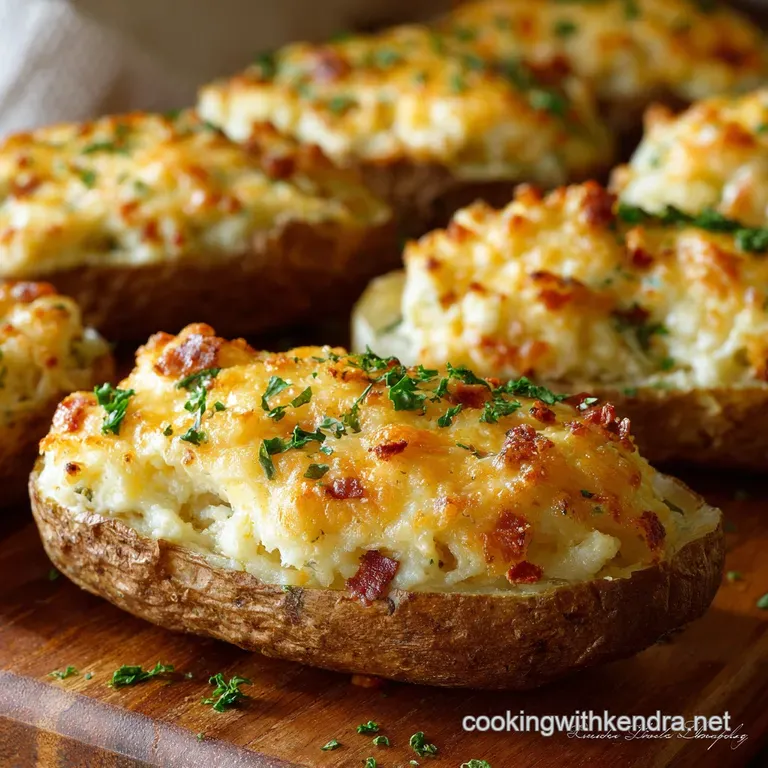
The aroma alone salty, crisp skin mingling with melting butter and mature Cheddar is enough to make you weep happy tears. This recipe delivers the perfect contrast: a sturdy, crunchy shell protecting the lightest, fluffiest, most ridiculously cheesy filling imaginable.
Life is complicated, but a truly great side dish shouldn’t be. These ultimate Cheesy Twice Baked Potatoes are my favorite kitchen hack because they are almost entirely make-ahead friendly.
You can literally prep the entire filling in the morning, stuff the shells, and then just pop them in the oven for the final crisping when guests arrive, making entertaining so much easier. They cost pennies, yet they feel like absolute luxury, delivering incredible flavor payback for minimal effort.
If you’ve ever had a Stuffed Baked Potato that was dense, gluey, or just plain sad, I hear you. I’ve made those mistakes, too. We’re going to ditch the sadness and dive into the exact method the pro tips, the secret weapon ingredients, and the timing that guarantees airy, cloud like filling and the best savory crust every single time.
Let's crack on and master this classic comfort food.
What Exactly is a Twice Stuffed Potato?
It’s exactly what it sounds like. We bake the potato whole until it’s perfectly tender, which is the first bake. Then, we scoop out the flesh, mix it with all the good stuff butter, cheese, cream and stuff the mixture back into the empty potato skins, mounding it high for maximum impact.
Finally, we bake it again to heat the filling through and get a golden, melted crust.
Why These Are Superior to a Simple Jacket Potato
A simple jacket potato is lovely, sure, but it’s often dry and requires you to load it up with cold toppings. The beauty of the Twice Baked Potatoes Recipe is that the flavour is fully integrated into the filling while it’s hot .
The starch fully absorbs the butter and warm cream, transforming the texture into something silky, rather than just starchy. It’s a complete, self contained meal presentation, crispy skin and all.
Effort vs. Reward: Assessing the Medium Difficulty Level
I rate this a solid Medium, mostly because of the specific technique required when mashing the flesh. The steps themselves are basic: bake, scoop, mix, stuff, bake again. The challenge lies in managing the temperature and texture of the scooped potato; messing this up gives you that dreadful, dense filling, but mastering it gives you the ultimate Ultimate Twice Baked Potatoes .
Trust me, the result is well worth the 15 minutes of active kitchen time.
Essential Building Blocks: Ingredients and Smart Swaps
Selecting the Best Potato Variety for Baking
You absolutely need a high starch, low-moisture potato here. Russet potatoes, often called Idaho potatoes in the US, are the only acceptable choice for proper baking. They fluff up perfectly when cooked and provide the robust, thick skin needed to hold that heavy filling.
If you try to use waxy potatoes like Yukon Golds, the filling will be heavy and the skin too thin.
The Critical Role of Mature Cheddar
We are aiming for deep flavor, not just stringy texture. Mature (or sharp) Cheddar brings a necessary tang and saltiness that plain mild cheese lacks. I always grate my own, as the pre-shredded stuff contains anti caking agents that hinder a smooth, creamy melt.
| Ingredient | Why We Use It | The Viable Swap |
|---|---|---|
| Russet/Idaho Potatoes | High starch, thick skin | King Edward or Maris Piper (UK) |
| Mature Cheddar | Sharp flavour and deep colour | Gruyère or Extra Sharp White Cheddar |
| Full Fat Sour Cream | Tang and creaminess | Full Fat Greek Yogurt or Crème Fraîche |
| Whole Milk | Hydration for fluffiness | Half and Half or Evaporated Milk (use less) |
Dairy Choices: Cream vs. Milk for Maximum Richness
I call for whole milk in the main recipe because it provides moisture without overkill, keeping the filling light. But if you want a truly decadent, special occasion spud, swap that whole milk for heavy cream. Warming the dairy before mixing is non-negotiable, regardless of what you choose.
Cold dairy makes the hot starch sad and sticky.
Complete Ingredient Checklist (Recipe Card Prep)
Don't forget the external seasoning! That first application of coarse sea salt and olive oil on the skin is what transforms the boring potato jacket into a savory, crispy treat. We also use fresh chives; they offer a clean, sharp onion flavour that cuts through the richness beautifully.
Mastering the Fluff: Why This Method Guarantees Perfect Texture
The secret to avoiding the gluey texture and achieving airy fluffiness is controlling the starch. When hot potato starch is beaten or blended, it releases gluey polymers that ruin the dish.
Chef's Note: We must treat the scooped flesh gently. Our goal is to simply incorporate the rich, warm dairy and butter until just combined. Use a hand masher, preferably a ricer, and then a spatula. Never, ever use a stand mixer or a stick blender.
The second crucial element is moisture management. We rely on the heat of the freshly baked potato to melt the butter and gently soften the sour cream. This creates an emulsion quickly, minimizing the need for heavy stirring.
From Spud to Decadence: step-by-step Stuffed Potato Guide
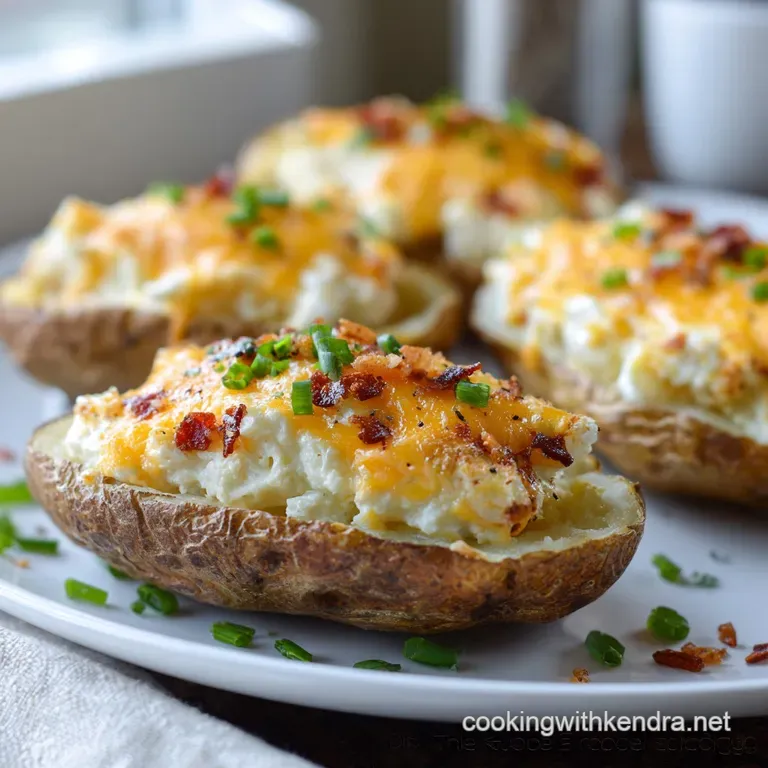
This is how we get those perfect, restaurant quality Stuffed Baked Potatoes at home. Follow these stages precisely; timing is everything.
The Chemistry of the First Bake: Achieving Crisp Skin
First, we need to achieve maximum steam release while guaranteeing that crisp exterior. Pricking the potato vents the interior steam, making sure the potato actually bakes rather than steams inside its jacket. Oiling the outside helps conduct heat quickly and prevents the skin from turning leathery.
You should bake these until you can smell that deep, nutty aroma that means the starches are fully cooked.
Stage 1: Prepping, Salting, and Initial Baking
Preheat your oven to a hearty 200°C (400°F). Scrub those Russets well, then stab each potato four or five times with a fork seriously, don't skip this, or things get explosive. Rub them down with olive oil, then aggressively sprinkle them with flaky sea salt.
Bake for about 60 to 75 minutes, or until the potatoes feel slightly crisp on the outside and soft all the way through.
Stage 2: Scooping, Mixing, and Flavor Incorporation
Pull the potatoes out and let them cool just enough that you can safely handle them (about 10 minutes). Slice them lengthwise and carefully scoop out all that fluffy, wonderful flesh into a heatproof mixing bowl, leaving about a 1 cm (1/3 inch) barrier of potato attached to the skin so the shell remains sturdy.
Tip: Use a towel to hold the hot spud.
Immediately run the flesh through a ricer or mash quickly by hand until it’s lump free. Add the melted butter, warm milk, sour cream, and three quarters of your grated Cheddar. Mix just until combined. Season the filling with plenty of salt and pepper. I always add half my chives right now for integrated flavor, and this filling is honestly good enough to eat with a spoon! It reminds me of the richness in my base recipe for Loaded Baked Potato Soup: Ultimate Decadent Creamy Pub Classic .
Stage 3: The Refill and Final Crisp (The Second Bake)
Spoon that gorgeous, fluffy filling back into the shells, piling it high and making it look wonderfully rustic. Sprinkle the remaining grated Cheddar over the mounds. Return the stuffed spuds to the oven for 15 to 20 minutes.
You want the filling heated through and that cheese topping melted, bubbling, and slightly browned around the edges. Garnish with the remaining fresh chives immediately before serving hot.
Kitchen Troubleshooting: Avoiding the Dreaded 'Gluey' Filling
The most common failure point for Twice Baked Potatoes Casserole or individual shells is developing a dense, sticky texture that tastes like library paste. We need to prevent this at all costs.
The Temperature Rule: Never Mash Cold Potatoes
Potatoes must be hot when mashed. The starch granules are less likely to burst and release that gluey polymer when they are fresh out of the oven. If you wait too long, they cool and become resistant to mashing, leading to overworked starch.
The Danger of the Electric Mixer (Stick to Hand Tools)
Seriously, put the whisk attachment away. An electric mixer, whether handheld or stand, guarantees activated starch and a heavy filling. If you have a potato ricer, use it; it separates the starch without bursting it, ensuring an unbelievably light result. If you don't have a ricer, a simple hand masher works fine, provided the potatoes are hot and you don’t overdo it. This careful handling is similar to what's needed when building a smooth base for my Slow Cooker Baked Potato Soup: Creamy, Easy, Ultimate Comfort .
Adjusting Consistency for High Altitude or Dry Spuds
Sometimes potatoes can be naturally drier, especially depending on the season. If your mash feels too stiff after adding the sour cream, warm a tablespoon of extra milk or cream and fold it in gently. Add moisture slowly; you want creamy, not liquid.
make-ahead Magic: Storage, Freezing, and Reheating
These Twice Baked Potatoes Air Fryer or oven baked wonders are perfect for meal prepping.
How to Properly Freeze the Stuffed Shells
You can freeze these easily! Complete the entire recipe right up to the point of the final sprinkle of cheese (before the second bake). Arrange them on a baking sheet and freeze until solid (about 2 hours). Transfer the frozen spuds to a heavy duty freezer bag or airtight container.
They keep beautifully for up to 3 months.
Best Practices for Reheating to Maintain Crispness
For refrigerated leftovers, bake in a 180°C (350°F) oven for 10– 15 minutes until heated through and the cheese is melted. If reheating from frozen, skip the thaw.
Place the frozen potatoes on a lined sheet and bake at 190°C (375°F) for 30– 40 minutes, or until an internal thermometer reads 70°C (165°F). Starting from frozen ensures the potato shell stays crispy, rather than turning soggy from thawing moisture.
The Perfect Pairing: Serving Suggestions for Stuffed Spuds
These rich, savory spuds demand a simple, hearty main dish.
Classic Meal Pairings for Robust Potato Sides
Because these are so robustly flavored, they act as both your starch and your vegetable (due to the dairy and cheese content). Pair them with a simple grilled protein, like lamb chops or a thick slice of juicy ham. They are also the perfect side for a rich comfort meal, setting a great table alongside something like my cheesy Baked Ziti with Ricotta and Ragu Easy make-ahead Recipe . Don't forget a simple, sharply dressed green salad to cut through all that incredible creamy richness!
Recipe FAQs
Why did my potato filling turn out gluey or pasty?
This common issue is usually caused by overmixing the hot potato flesh, which releases excessive starch and develops gluten like properties. To avoid this, mash the potatoes lightly and incorporate the dairy ingredients (like sour cream or milk) only until they are just combined, ensuring the texture remains light and fluffy.
Can I prepare these potatoes ahead of time and bake them later?
Absolutely. You can complete the first bake, scoop out the potato, mix the filling, stuff the skins, and refrigerate them for up to 2 days before the final bake. For best results, pull them from the refrigerator about 30 minutes prior to the final bake to allow the internal temperature to rise slightly, reducing the overall cooking time.
How should I freeze leftover twice baked potatoes?
Allow the fully baked potatoes to cool completely, then wrap each one tightly in plastic wrap followed by aluminum foil to prevent freezer burn. They can be frozen for up to 3 months; thaw them overnight in the refrigerator and bake at 350°F (175°C) until heated through and the top is re-crisped (about 20-25 minutes).
My filling seems dry; what can I add to increase the moisture and richness?
Dry filling often indicates the potatoes were overcooked during the first bake, or not enough dairy was added initially. To quickly correct this, gently stir in an extra tablespoon of warm melted butter, half and-half, or a splash of sour cream until the mixture reaches a creamy, easily spoonable consistency.
Ensure the added liquid is warm so it integrates smoothly without cooling the mixture significantly.
Can I use low-fat dairy products in the filling?
While full fat ingredients provide the ultimate richness and stable texture, you can successfully swap heavy cream for half and-half, and sour cream for plain Greek yogurt. Be mindful that low-fat products introduce more water, so you may need slightly less liquid overall to prevent the filling from becoming runny or pasty.
How do I ensure the potato skins are perfectly crispy and salty?
Before the first bake, rub the skin thoroughly with olive oil or rendered fat, and then coat them generously with coarse salt or flaky sea salt. Baking the potatoes directly on the oven rack (rather than on a tray) allows air to circulate completely around the spud, leading to maximum crispness and a salty crust.
What is the best way to reheat a fully baked twice baked potato?
The oven method is superior for reheating: wrap the potato loosely in foil and reheat it in a 350°F (175°C) oven for about 15 minutes. Unwrap it for the final 5 minutes to re-crisp the cheese and skin, ensuring the interior is hot without making the potato rubbery, which is a risk with microwave reheating.
Ultimate Cheesy Twice Baked Potatoes
Ingredients:
Instructions:
Nutrition Facts:
| Calories | 337 kcal |
|---|---|
| Protein | 6.8 g |
| Fat | 13.3 g |
| Carbs | 47.4 g |
