The Sunday Lunch Hero Ultimate Threecheese and Spinach Stuffed Shells
- Capturing the Spirit of Italian-American Sunday Dinner
- Curating the Perfect Rich and Creamy Filling
- Essential Kitchen Gear Checklist for Assembly Success
- Preparing the Jumbo Shells and Cheese Base
- The Art of Assembling and Baking Your Stuffed Shells
- Customizing Your Stuffed Shells: Delicious Variations
- Making Ahead: Freezing and Refrigeration Guidelines
- Recipe FAQs
- 📝 Recipe Card
Capturing the Spirit of Italian American Sunday Dinner
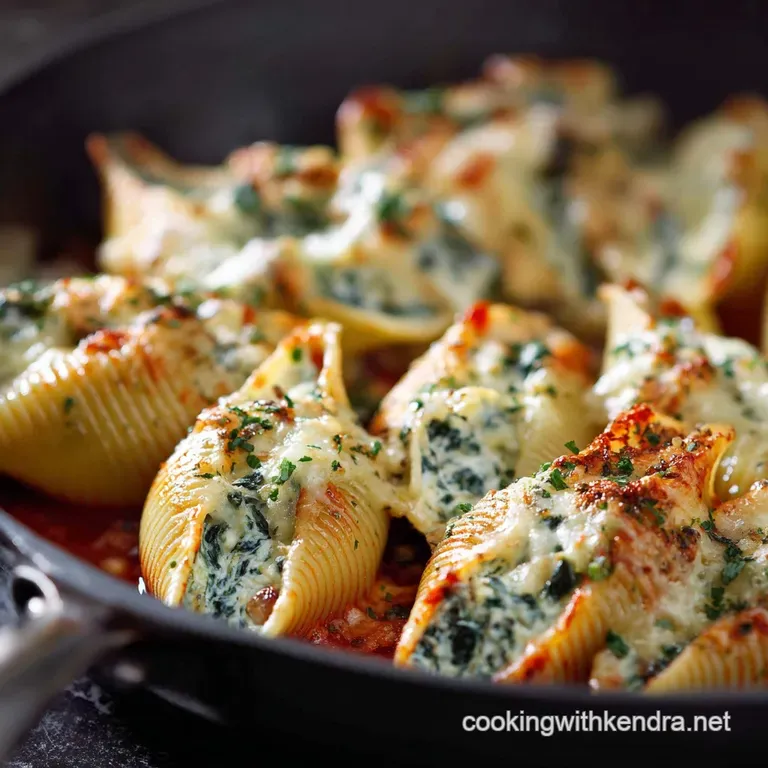
There are dishes that merely feed you, and then there are dishes that embody tradition and comfort. Stuffed shells fall squarely into the latter category. These magnificent, ridged pasta cups, known as conchiglioni , stuffed generously and baked until bubbly, are the ultimate expression of rustic Italian American cooking.
Often reserved for large gatherings or the cherished Sunday dinner, preparing this dish is an act of love, resulting in a meal that satisfies the soul as much as the stomach. The inherent complexity of the final texture crisp edges, gooey melted cheese, and tender pasta submerged in rich tomato sauce is what elevates this stuffed shells recipe above simpler baked pastas.
Why Stuffed Shells Are the Ultimate Comfort Dish
The appeal of stuffed shells lies in their balanced architecture. Unlike a loose lasagna, each shell provides a perfectly portioned bite, offering a delightful pocket of creamy filling held securely within a chewy pasta wall.
Our classic version focuses on robust flavor without unnecessary complication, making it a surprisingly easy stuffed shells preparation despite its impressive appearance.
It’s the perfect blend of savory cheese, subtle herbaceous notes from the spinach, and the slow simmered acidity of quality marinara that makes this truly comforting. When seeking that deeply satisfying, hearty centerpiece for a family meal, these Cheese Stuffed Shells are always the hero.
The Importance of Nailing the Pasta Texture (Al Dente vs. Soggy)
The structural integrity of this dish hinges entirely on how you cook the Jumbo Stuffed Pasta Shells before filling them. If the pasta is overcooked, it will be soft and sticky, tearing easily during the stuffing process and ultimately turning to mush when baked in the sauce.
The goal is the structural firmness known as al dente —pasta that is tender but still retains a definite bite. We cook the shells for slightly less time than the package directions suggest (typically 8– 10 minutes) because they will absorb moisture and continue cooking for another 40 minutes in the oven.
Draining and rinsing the shells immediately after cooking stops the residual heat from continuing the softening process, ensuring they remain robust enough to hold their substantial cargo.
Curating the Perfect Rich and Creamy Filling
The heart of any great baked pasta dish is its filling. For our three cheese and spinach shells, achieving maximum creaminess and flavor means prioritizing high-quality dairy and meticulous preparation. We use a generous quantity of whole milk ricotta cheese, which provides the necessary richness and body.
This is mixed with shredded low-moisture mozzarella for its stretch and melt, and finely grated Parmesan for its sharp, salty umami depth. To prevent a wet, messy filling, the frozen chopped spinach must be thawed and then squeezed completely dry using a tea towel.
This step is critical; excess moisture will ruin the filling’s texture. Finally, the blend is bound with a single egg and seasoned with fresh parsley, white pepper, and a small, but vital, pinch of freshly grated nutmeg, which adds a surprising warmth that lifts the entire flavor profile.
Essential Kitchen Gear Checklist for Assembly Success
Successfully assembling a batch of stuffed shells requires a few key pieces of kitchen equipment that streamline the process and guarantee an even bake. Beyond the standard large stockpot for boiling the pasta, you will absolutely need a quality 9x13 inch deep baking dish.
The depth is essential because these shells are tall and need to be sufficiently submerged in sauce to bake without drying out. A sturdy colander and a large mixing bowl are also necessary for pasta draining and filling creation.
However, the most effective piece of gear for assembly is an optional, but highly recommended, piping bag or a simple large Ziploc bag with a corner snipped off; this tool makes the fiddly work of neat stuffing a breeze.
Selecting the Right Ricotta for Optimal Creaminess
The quality of the ricotta dictates the final outcome of the creamy filling. For the best texture, always choose whole milk ricotta cheese, which contains a higher fat content than skim or part skim varieties. This fat contributes significantly to both the mouthfeel and flavor.
Because ricotta often carries a lot of excess liquid, even whole milk varieties should be drained for at least 30 minutes in a fine mesh sieve prior to use.
If, for dietary or flavor reasons, you are looking for an alternative, know that many traditional recipes allow for stuffed shells with cottage cheese (small curd, blended until smooth and drained) as an acceptable substitute that still provides the necessary tang and texture.
Essential Aromatics: Garlic, Basil, and Oregano
Whether you choose to use high-quality jarred sauce or craft your own from scratch, the foundation of the marinara flavor relies on a few key aromatics. A good sauce begins with a gentle sauté of minced fresh garlic in olive oil, followed by the addition of premium crushed tomatoes.
For that authentic Italian American depth, dried oregano and dried basil are essential additions, simmered slowly to allow their earthy flavors to fully bloom into the tomato base. Using a single bay leaf during the 20-minute simmer further enhances the savory complexity, creating a rich bed for the shells to bake in.
Beyond the Jar: Choosing or Crafting the Best Marinara
While scratch made sauce is always superior utilizing two 28 oz cans of crushed San Marzano style tomatoes, simmered with the aforementioned aromatics a high-quality jarred sauce can easily transform this into an easy stuffed shells weeknight meal.
If opting for convenience, choose a brand known for pure ingredients and robust flavor, aiming for a thick texture. We require approximately four cups of marinara total; the depth and sweetness of the sauce are critical, as they balance the inherent richness of the baked dairy filling.
The Right Baking Dish Size Matters
To perfectly accommodate the 20 24 Jumbo Stuffed Pasta Shells , a standard 9x13 inch baking dish (or casserole dish) is ideal. Make sure the dish has deep sides.
This size allows the shells to be arranged snugly enough to support each other during baking without crowding, ensuring the sauce can flow around and over them evenly. Using the wrong size for instance, a pan that is too large will leave the shells exposed and prone to drying out.
Related Recipes Worth Trying
- The Ultimate Nutella Stuffed Pancakes Recipe Fluffy Molten — Stop dreaming start cooking These Nutella Stuffed Pancakes are proper fluffy bombs with a molten gooey centre Our freezing trick ensures zero leakage A...
- The Ultimate Cannoli Bites Crisp Shells Foolproof Ricotta Filling — These Cannoli Bites deliver that iconic crunch and creamy zesty filling but without the faff of rolling tubes Perfect birthday desserts We make this classic...
- Hearty Homestyle Stuffed Pepper Soup Recipe Easy Flavorful — Ditch the stuffing effort This easy Stuffed Pepper Soup recipe delivers all the rich comforting flavour of the classic dish in one pot Perfect for a cozy...
Preparing the Jumbo Shells and Cheese Base
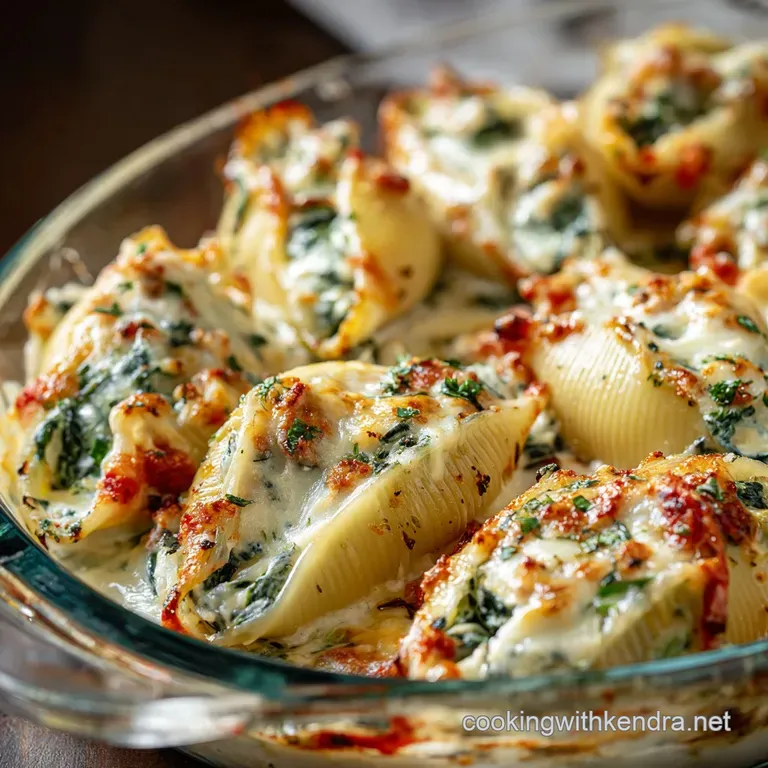
The preparatory phase focuses on efficient execution to make the assembly quick and enjoyable. Once the pasta is boiled al dente and resting, the next step is combining the crucial elements of the filling.
The process begins with controlling moisture: the drained ricotta and the thoroughly squeezed spinach must be combined first, followed by the remaining cheeses, egg, and seasonings. The aim is a mixture that is cohesive and firm enough to hold its shape when scooped, yet still exquisitely creamy.
The Art of Assembling and Baking Your Stuffed Shells
Successful assembly requires organized layering, ensuring every shell is fully insulated by the sauce and cheese topping for a moist, flavorful bake.
Par-Boiling Tips for Perfectly Tender Pasta
As previously stressed, boil the Jumbo Stuffed Pasta Shells in well salted water until they are just firm, not floppy. After draining, immediately rinse them briefly under cool water. This halts the cooking process instantly.
Crucially, toss the drained shells lightly with a tablespoon of olive oil afterward; this small step prevents the shells from sticking together or fusing to the colander while you prepare the filling.
Mixing the Three Cheese Filling
In a large bowl, whisk the egg slightly to introduce some air and ensure it mixes thoroughly. Add the ricotta, the highly compacted dry spinach, half of the shredded mozzarella, Parmesan, parsley, salt, pepper, and the essential 1/4 teaspoon of nutmeg.
Use a sturdy spoon or rubber spatula to mix vigorously until every component is evenly distributed. Do not overmix, but ensure the egg binder is fully incorporated.
Efficiently Filling Every Shell (The Pastry Bag Trick)
While a small spoon works, the most efficient way to achieve neat, consistent portions is the piping bag method. Place the entire filling mixture into a disposable pastry bag or sturdy Ziploc (snip off about a 1 inch corner).
Pipe about 2 to 3 tablespoons of the mixture into the opening of each cooked shell, ensuring it is plumply filled but not bursting. This technique makes the assembly quick and clean.
Layering the Pan: Sauce, Shells, and Final Topping
Begin by ladling about 1.5 cups of marinara sauce across the bottom of the prepared 9x13 inch baking dish. This sauce base acts as a non-stick layer and provides initial moisture. Arrange the filled shells snugly, side-by-side and seam side up, over the base.
Pour the remaining marinara sauce evenly over the top of the shells, ensuring they are partially submerged. Finish by sprinkling the remaining mozzarella and a final dusting of Parmesan over the entire dish before covering tightly with foil.
Required Internal Temperature for Baked Pasta Dishes
Baked pasta dishes like these stuffed shells should be cooked at 375°F (190°C). The initial bake, covered tightly with foil for 25 minutes, allows the dish to heat through evenly and lets the pasta finish tenderizing without the cheese topping burning.
After 25 minutes, remove the foil and continue baking for another 10 to 15 minutes, until the internal temperature is thoroughly heated (around 165°F / 74°C) and the mozzarella topping is melted, bubbly, and lightly golden brown.
Allowing the dish to rest for 5 to 10 minutes post bake ensures the sauce settles and the cheese filling firms up slightly before serving.
Customizing Your Stuffed Shells: Delicious Variations
While our three cheese and spinach shells are a time honored classic, the recipe is highly versatile and accommodates many delicious additions and substitutions.
Adding Meat: Italian Sausage or Ground Beef Options
For a heartier, protein packed meal, incorporating meat is a popular choice. To create stuffed shells with meat and ricotta , brown 1 pound of Italian sausage (casing removed) or lean stuffed shells with ground beef , drain off all the fat thoroughly, and mix the cooked meat directly into the ricotta filling base alongside the cheeses.
Alternatively, if you prefer the deep savory flavor of meat without the ricotta texture a kind of stuffed shells with meat no ricotta approach you can eliminate the cheese filling altogether, using the meat mixture as the sole stuffing and incorporating a cheesy béchamel sauce or extra mozzarella into the layers.
Swapping Cheeses and Making it Vegetarian
The base recipe is inherently vegetarian thanks to the spinach and cheese filling. For textural variance in the dairy component, you can swap out the ricotta for blended, drained cottage cheese , or introduce smoked Gouda for a complexity often found in mac and cheese.
For those avoiding dairy, many excellent plant based ricottas are now available, typically made from almonds or cashews, allowing you to replicate the creamy feel successfully.
Perfect Pairings: What to Serve Alongside Baked Pasta
Because stuffed shells are rich, heavy, and satisfying, the ideal side dishes should provide freshness and acidity to cut through the richness. A simple, crisp Arugula Salad dressed with lemon vinaigrette and shaved red onion is a perfect contrast.
Don't forget something sturdy for soaking up that beautiful marinara sauce a classic loaf of crusty Italian bread or savory homemade garlic focaccia is mandatory.
Making Ahead: Freezing and Refrigeration Guidelines
One of the great joys of this stuffed shells recipe is its capacity for making ahead, making it perfect for feeding a crowd or prepping freezer meals.
How to Safely Freeze Fully Assembled Shells
If you plan to freeze the dish, follow all preparation and assembly steps (including layering the sauce, stuffing the shells, and adding the final cheese topping), but do not bake it . The freezing process works best when the dish is raw.
Once assembled in the baking dish, cover the pan first with a layer of plastic wrap pressed directly onto the shells, and then wrap tightly with two layers of heavy duty aluminum foil. Label and date the dish; it can be safely frozen for up to three months.
When ready to cook, thaw overnight in the refrigerator, then remove the plastic wrap and bake as directed, adding an extra 10– 15 minutes to the covered baking time since it will be starting cold.
Reheating Leftovers Without Drying Out the Pasta
Leftover stuffed shells reheat beautifully, provided moisture is maintained. When reheating individual servings in the microwave, place a splash of extra marinara sauce over the shells before covering them with a damp paper towel to trap steam.
If reheating the entire pan in the oven (which is always preferable), cover the dish tightly with foil and heat at 350°F (175°C) until warmed through, adding a tablespoon or two of water or extra sauce around the edges before covering to ensure the pasta stays tender and moist.
Recipe FAQs
Can I make these brilliant stuffed shells ahead of time for a dinner party?
Absolutely! Stuffed shells are fantastic for prepping early; they're the definition of make-ahead magic. Assemble the entire dish (Steps 1-9), cover it tightly with foil like you're wrapping a Christmas present, and refrigerate for up to 24 hours.
When you're ready to bake, add about 15-20 minutes to the total cooking time since you're starting from cold.
My ricotta filling always turns out a bit watery. What's the secret to keeping it firm?
This is a common hiccup! The culprit is usually excess moisture in the ricotta and the spinach moisture control is key here. Always drain your ricotta in a fine mesh sieve for at least 30 minutes, and for goodness sake, squeeze that thawed spinach until it's drier than a bone using a tea towel.
If the filling mixture seems too loose, add an extra tablespoon of grated Parmesan, which helps bind everything together.
Is it possible to freeze the whole dish, and how should I reheat them?
Yes, they freeze brilliantly it’s a proper lifesaver for future meal planning. Assemble and cover the unbaked dish securely in foil (think double wrapping!), then freeze for up to three months.
To reheat, you can thaw them overnight in the fridge and bake as directed, or if baking straight from frozen, keep the foil on and bake at 375°F (190°C) for around 90 minutes until piping hot in the centre.
I can't find jumbo shells! What other pasta shapes work well for this recipe?
Don't worry, there are plenty of worthy understudies if you're in a pinch! Manicotti tubes or cannelloni are the best substitutes for stuffing, though they can be slightly trickier to fill without a piping bag.
If you have neither, you can also use lasagna noodles: simply boil them, cut them into squares, spoon the filling in the middle, and roll them up like little parcels before saucing.
How do I stop the cooked shells from sticking to each other before I manage to stuff them?
This is where a little bit of kitchen know how comes in handy! Once the shells are cooked al dente and drained, immediately rinse them briefly with cool water to stop the cooking process and wash off surface starches.
Then, gently toss them with about a teaspoon of olive oil and spread them out on a large baking sheet rather than leaving them piled in the colander this prevents them from becoming a solid, sticky mass.
I’m not a fan of spinach can I just leave it out or swap it for something else?
Certainly! The spinach is mainly there for colour, texture, and a bit of nutritional clout, but skipping it won't ruin the flavour of the dish. If you omit it entirely, the filling will be denser but equally delicious.
For a lovely alternative, try swapping the spinach for finely diced, sautéed mushrooms or some cooked, crumbled Italian sausage for a meaty twist.
Ultimate Threecheese Stuffed Shells
Ingredients:
Instructions:
Nutrition Facts:
| Calories | 1631 kcal |
|---|---|
| Protein | 19.1 g |
| Fat | 36.2 g |
| Carbs | 55.4 g |
| Fiber | 22.5 g |
| Sodium | 491 mg |
