Whole 30 Recipe with Roasted Chicken
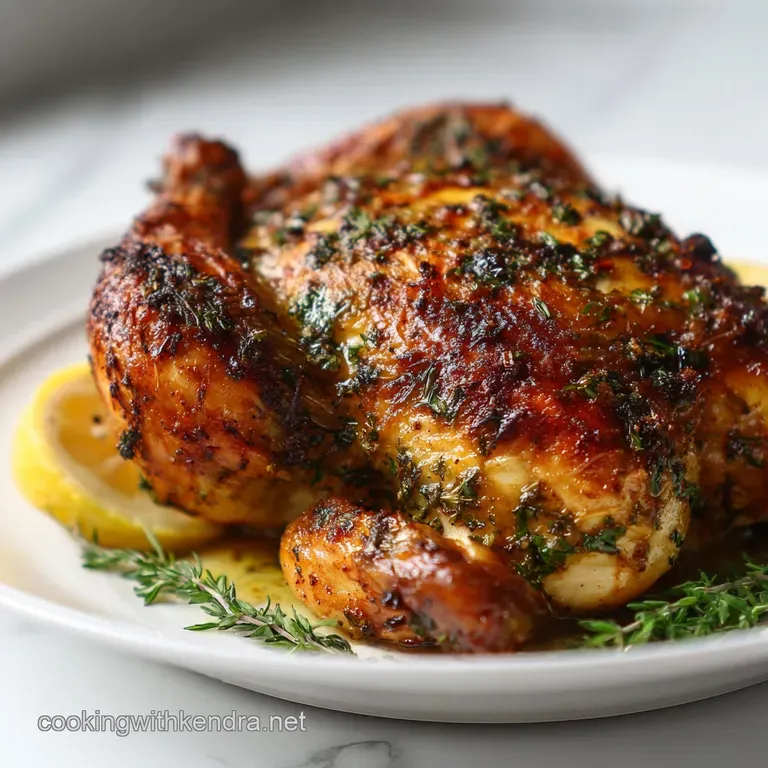
- Time: Active 15 minutes, Passive 45 minutes, Total 1 hour
- Flavor/Texture Hook: Crackling herbaceous skin with tender root vegetables
- Perfect for: Budget conscious weeknight family dinners
- Reasons to Love This Recipe
- Key Specs and Roasting Times
- The Science of Why it Works
- Essential Ingredients and Smart Swaps
- Essential Tools for Home Roasting
- Simple Steps to Golden Skin
- Fixing Common Roasting Mistakes
- Flavor Variations for Your Chicken
- Storing Leftovers for Zero Waste
- Best Ways to Serve This
- Very High in Sodium
- Whole 30 Recipe with Roasted Chicken FAQs
- 📝 Recipe Card
You know that sound when you tap the top of a perfectly roasted bird with a knife and it sounds like a hollow drum? That is exactly what we are going for today. This Whole 30 recipe featuring roasted chicken and vegetables will become a weeknight dinner favorite because it feels like a Sunday feast but takes less effort than most pasta dishes.
I used to be intimidated by roasting a whole chicken, thinking it was reserved for professionals or people with far more patience than I have, but I was totally wrong.
Actually, the secret to a great roast isn't some secret spice or a thousand dollar oven. It is all about how you handle the moisture and the heat. We are going to skip the soggy skin and the dry breast meat that usually plagues home cooked birds.
By the time we are done, your kitchen will smell like a mix of rosemary, garlic, and lemons, and you will have a sheet pan full of vegetables that have been essentially confited in chicken fat.
We are diving into a 30 recipe with roasted chicken and vegetables that works every single time, even if you are on a tight budget. Buying a whole pasture raised chicken (4 lbs) is almost always cheaper per pound than buying individual breasts or thighs. Plus, you get the bones for a killer stock later.
Let's get into how we make this happen without spending all night in the kitchen.
Reasons to Love This Recipe
This recipe with roasted chicken and vegetables is the ultimate "set it and forget it" meal that actually tastes like you spent hours hovering over the stove. Most people struggle with roasting because the white meat finishes before the dark meat, but we solve that with a simple technique called spatchcocking.
It levels the playing field, quite literally, so everything cooks at the same rate.
Another reason this works is the sheer efficiency of the sheet pan. You are roasting 500g Fingerling potatoes, 3 large Carrots, and a Red onion right underneath the bird. As the chicken roasts, the rendered fat drips down, seasoning the vegetables and making them incredibly tender. If you are looking for more variety in your meal rotation, you might also like the technique used in our Oven Baked Caesar recipe, which also focuses on keeping meat juicy under high heat.
Key Specs and Roasting Times
When you are working with a whole bird, precision matters more than guesswork. I have found that following these exact numbers ensures you never end up with a raw middle or a dry exterior. We are aiming for a specific temperature at the thickest part of the thigh, which is the true indicator of doneness.
| Checkpoint | Target Metric | Why It Matters |
|---|---|---|
| Oven Temperature | 425°F (218°C) | Necessary for fat rendering and skin crisping |
| Prep Time | 15 minutes | Fast enough for a busy Tuesday evening |
| Internal Temp | 165°F (74°C) | Ensures safety while maintaining maximum moisture |
The Science of Why it Works
over High heat Fat Rendering: The 425°F temperature causes the subcutaneous fat to liquefy and escape the skin, allowing the skin to dehydrate and become shatter crisp.
Maillard Reaction: Amino acids and reducing sugars react under intense heat to create hundreds of flavor compounds and that deep brown color on the carrots and chicken skin.
Chef Tip: For the absolute best skin, pat the chicken dry with paper towels, then let it sit uncovered in the fridge for 2 hours before roasting. This removes surface moisture that would otherwise turn into steam.
Essential Ingredients and Smart Swaps
Getting the best results often comes down to the quality of your fats and salts. For this Whole 30 roasted chicken and vegetables, we use avocado oil because it has a high smoke point. If you used butter, it would burn at these temperatures, leaving a bitter taste on your carrots.
| Ingredient | Science Role | Pro Secret |
|---|---|---|
| Kosher salt (1 tbsp) | Denatures proteins | Apply it under the skin to season the meat directly |
| Avocado oil (2 tbsp) | Heat conductor | Ensures even browning on the skin's surface |
| Lemon Zest (2 lemons) | Acid balance | Zest has more oils and flavor than the juice alone |
| Fresh Rosemary (2 tbsp) | Aromatics | Woodier herbs hold up better to over high heat roasting |
You don't need a massive grocery budget to make this taste high end. If you can't find Fingerling potatoes, regular Yukon Golds cut into quarters work perfectly because they have a similar creamy texture.
| Original Ingredient | Substitute | Why It Works |
|---|---|---|
| Fingerling Potatoes | Yukon Gold Potatoes | Similar starch content. Note: Cut them into 1 inch chunks to match cooking time |
| Fresh Rosemary | Dried Rosemary (1 tsp) | Concentrated oils. Note: Use less as dried is much more potent than fresh |
| Avocado Oil | Light Olive Oil | High smoke point. Note: Do not use Extra Virgin as it will smoke and burn |
Buying whole chickens and seasonal root vegetables like carrots and onions is one of the smartest ways to keep your grocery bill down while eating like royalty. The onion wedges become sweet and jammy, providing a natural sugar hit without any added sweeteners.
Essential Tools for Home Roasting
You don't need fancy equipment, but a few basics will change your life. A heavy rimmed baking sheet (half sheet pan) is better than a deep roasting pan. In a deep pan, the high sides trap steam, which leads to rubbery skin. A flat sheet pan allows air to circulate around the chicken.
- Kitchen Shears: Essential for removing the backbone (spatchcocking).
- Meat Thermometer: The only way to truly know when the chicken is done.
- Large Baking Sheet: Provides enough surface area so vegetables don't steam.
Simple Steps to Golden Skin
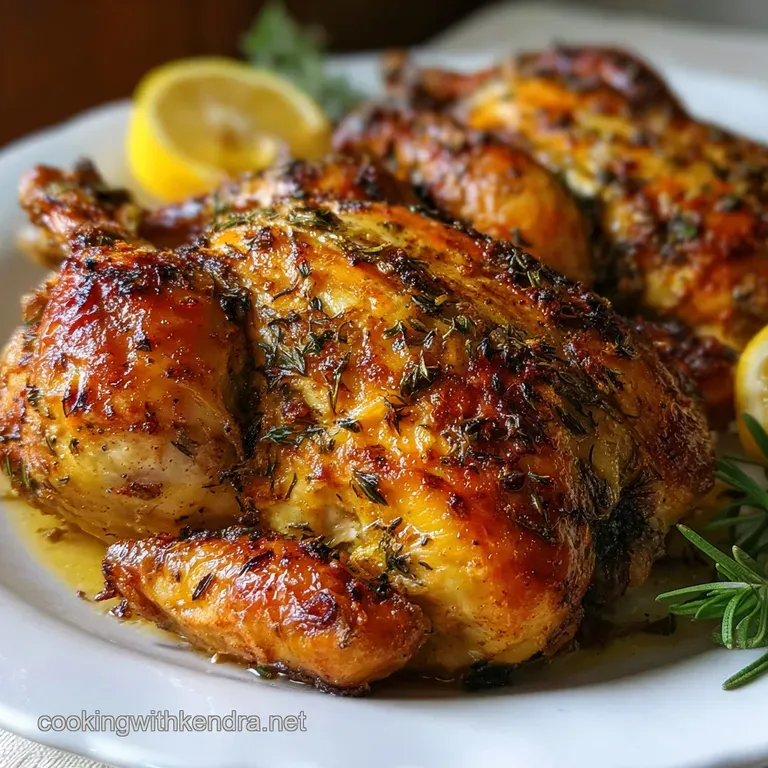
- Dry the bird. Pat the 1.8 kg chicken with paper towels until the skin is bone dry. Note: Moisture is the enemy of crispiness.
- Remove the backbone. Use shears to cut along both sides of the spine, then press down on the breastbone until it cracks and the bird lies flat.
- Mix the rub. Combine 2 tbsp Avocado oil, 1 tbsp Kosher salt, 1 tsp pepper, minced garlic, rosemary, thyme, and lemon zest in a small bowl.
- Season the meat. Rub half of the herb mixture under the skin of the breasts and thighs. This ensures the meat is seasoned, not just the skin.
- Prep the vegetables. Toss the halved potatoes, carrots, and red onion wedges with the remaining herb oil directly on the baking sheet.
- Arrange the pan. Spread the vegetables in a single layer, place the lemon rounds on top, and nestle the flattened chicken over the center.
- Roast the dish. Bake at 425°F for 45 minutes until the skin is deep golden and the juice runs clear.
- Check the temp. Insert a probe into the thickest part of the thigh; it should read 165°F.
- Rest the meat. Transfer the chicken to a board and let it rest for 10 minutes to allow the juices to redistribute.
- Final crisp. If the veggies need more color, toss them in the pan juices and roast for 5 more minutes while the chicken rests.
Fixing Common Roasting Mistakes
Roasting a whole chicken seems simple, but small errors can lead to big disappointments. If you find your vegetables are turning to mush before the chicken is done, you might be crowding the pan. When vegetables are too close together, they release steam and boil in their own juices rather than roasting.
Rubbery Chicken Skin
This usually happens because the oven temperature was too low or there was too much moisture on the skin. If you notice the skin looks pale at the 30 minute mark, increase the heat by 25 degrees.
Burnt Garlic and Herbs
If you put minced garlic on top of the skin, it will burn and turn bitter. Always rub the garlic and fresh herbs under the skin or mix them into the oil so they are protected from the direct heating elements.
| Problem | Root Cause | Solution |
|---|---|---|
| Dry breast meat | Overcooking | Pull chicken at 160°F; carryover heat hits 165°F |
| Soggy vegetables | Crowded pan | Use a larger sheet or two separate pans |
| Bitter flavor | Burnt garlic | Tuck garlic under the skin or inside the cavity |
Undercooked Root Vegetables
Carrots and potatoes take longer than you think. If they are still hard when the chicken is done, simply remove the chicken to a cutting board and put the veggies back in for 10 minutes. The high heat will finish them off quickly while the meat rests.
Flavor Variations for Your Chicken
Once you have mastered the basic Whole 30 chicken and vegetable recipe, you can start playing with the flavor profiles. It is a canvas for whatever you have in the pantry. For example, if you want a Mediterranean vibe, swap the rosemary for oregano and add a handful of Kalamata olives to the pan during the last 15 minutes of roasting.
- Spicy Citrus: Add 1 tsp of red pepper flakes to the rub and use lime zest instead of lemon.
- Smoky Root Roast: Replace the rosemary with 1 tbsp of smoked paprika and use sweet potatoes instead of fingerlings.
- Green Herb Explosion: Use a blend of parsley, cilantro, and chives for a brighter, fresher finish after roasting.
If you find yourself with a lot of leftover chicken, it makes a great base for other meals later in the week. I often use the cold roasted meat for a quick lunch, similar to how I use leftovers in The Homemade Chicken recipe for gyros.
Storing Leftovers for Zero Waste
Storage: Keep leftovers in an airtight container in the fridge for up to 4 days. For the freezer, shredded chicken lasts about 3 months. I don't recommend freezing the roasted potatoes as they get a bit grainy when thawed.
Zero Waste: Never throw away that chicken carcass! Put the bones, the onion scraps, and the carrot peels into a pot with water and a splash of apple cider vinegar. Simmer for 4 to 12 hours for a nutrient dense bone broth that costs absolutely nothing.
You can also use the leftover schmaltz (rendered fat) on the sheet pan to sauté kale or spinach the next day.
Best Ways to Serve This
This meal is a complete "one pan wonder," so you don't technically need anything else. However, a crisp green salad with a simple vinaigrette provides a nice acidic contrast to the rich, roasted flavors of the chicken and potatoes.
I like to serve the chicken right on the board, carved into pieces, with the vegetables piled high in the center.
When you're plating, make sure everyone gets some of those roasted lemon rounds. They get caramelized and sweet in the oven, and squeezing that jammy lemon juice over the chicken right before eating is a total "chef move" that changes everything.
This Roasted Chicken and Vegetables dish is the kind of meal that reminds you why cooking at home is so much better than takeout it's hearty, honest, and actually good for you.
When you're scaling this for a crowd, remember that two chickens on two separate racks will take about 10-15 minutes longer than one. Just make sure to rotate the pans halfway through so they both get that direct heat needed for the crackling skin.
This Whole 30 roasted chicken and vegetables setup is truly foolproof if you respect the heat and the seasoning!
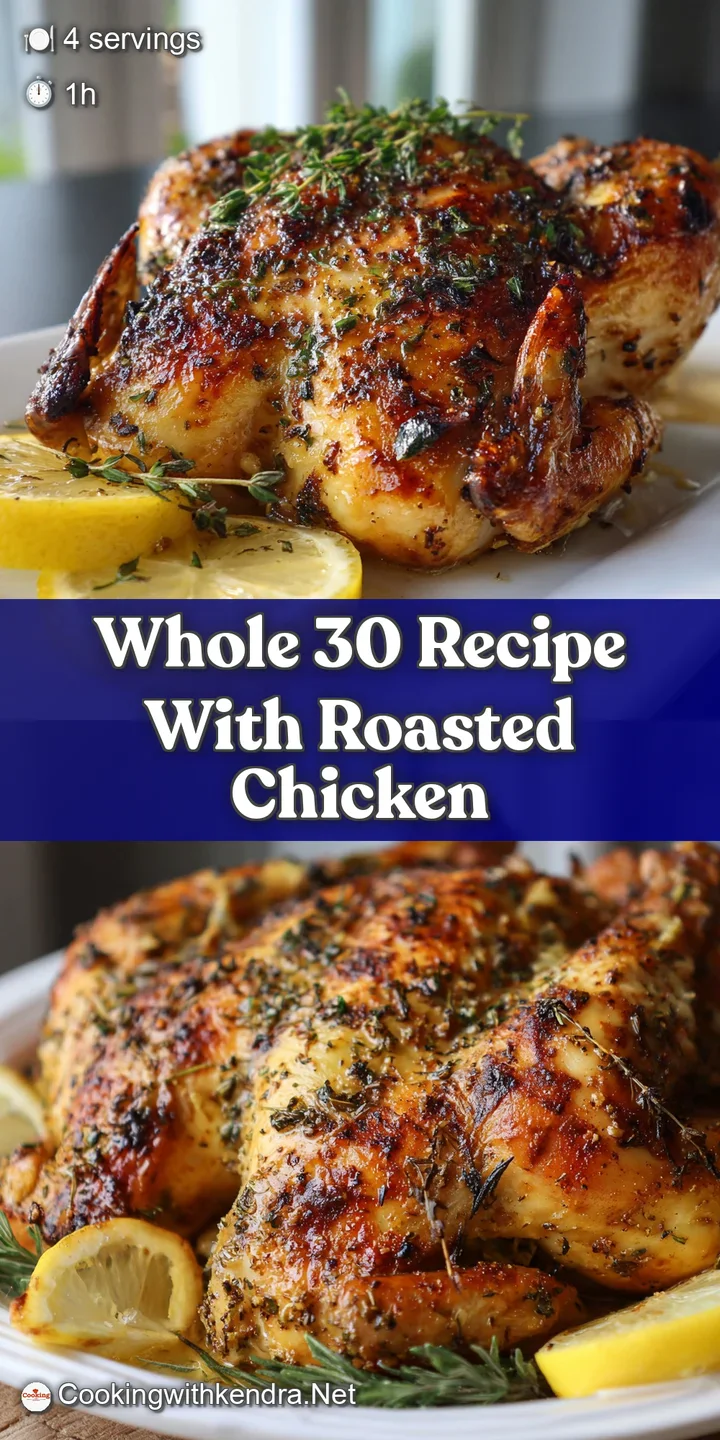
Very High in Sodium
1580 mg mg of sodium per serving (69% % of daily value)
The American Heart Association recommends limiting sodium intake to no more than 2,300mg per day for most adults. This recipe exceeds that recommendation.
Sodium Reduction Tips for Roasted Chicken & Vegetables
-
Reduce Kosher Salt-25%
Significantly reduce or eliminate the 1 tbsp of kosher salt. Start with half a tablespoon and taste, adding more only if absolutely necessary. Kosher salt is a major contributor to the high sodium content.
-
Enhance Lemon Flavor-10%
Double the amount of lemon zest from 2 to 4 lemons. Lemon is a flavor enhancer and can help to offset the reduction of salt in the recipe.
-
Increase Aromatics-10%
Add more garlic (4-6 cloves) and red onion (increase by 50%) to boost flavor. Aromatics provide depth and richness, allowing you to reduce added salt without sacrificing taste.
-
Herb Power!
Don't be afraid to experiment with different herbs. Increase the rosemary and thyme, or try other sodium free dried herbs and spices like paprika, garlic powder, onion powder, or oregano. These add flavor without adding sodium.
Whole 30 Recipe with Roasted Chicken FAQs
Can I roast chicken and vegetables together?
Yes, absolutely. Roasting chicken and vegetables together on a single sheet pan is a fantastic way to maximize flavor as the chicken drippings baste the vegetables.
Can you have chicken on Whole30?
Yes, chicken is a Whole30 staple. You can enjoy any plain, unprocessed chicken, whether it's roasted, grilled, or pan-seared, as part of your Whole30 journey.
What veggies can you have on Whole30?
A wide variety of vegetables are allowed on Whole30. This includes all non-starchy vegetables like broccoli, spinach, bell peppers, and onions, as well as starchy vegetables like potatoes, carrots, and sweet potatoes.
What can I make with chicken and vegetables?
This roasted chicken and vegetable recipe is a perfect example. Beyond that, you can create stir fries, hearty salads, or even flavorful soups with cooked chicken and a medley of vegetables.
How do I ensure my roasted chicken skin is crispy?
Pat the chicken thoroughly dry before seasoning. Moisture is the enemy of crispiness; letting the chicken air-dry in the refrigerator for a couple of hours before roasting can also dramatically improve skin texture.
Why are my roasted vegetables soggy?
You might be overcrowding the pan. Ensure vegetables are in a single layer with space for air to circulate, allowing them to roast rather than steam. If you enjoyed mastering the technique of ensuring proper air circulation here, see how the same principle of maximizing surface area for optimal cooking applies in our Perfectly Spatchcocked Roasted Chicken.
Can I add different herbs or spices to my roasted chicken?
Absolutely, get creative with your seasonings. For a different flavor profile, try adding smoked paprika for a smoky touch or a mix of Mediterranean herbs like oregano and thyme. If you love experimenting with herbs, you might also enjoy the flavor combinations in our Delicious Tarragon Infused Chicken Fricassée: A French Classic.
Whole 30 Roasted Chicken
Ingredients:
Instructions:
Nutrition Facts:
| Calories | 842 kcal |
|---|---|
| Protein | 61.5 g |
| Fat | 52.4 g |
| Carbs | 31.2 g |
| Fiber | 5.4 g |
| Sugar | 4.8 g |
| Sodium | 1580 mg |
