Beef Fried Rice: Wok-Seared Tender Beef and Ultimate Umami Flavour
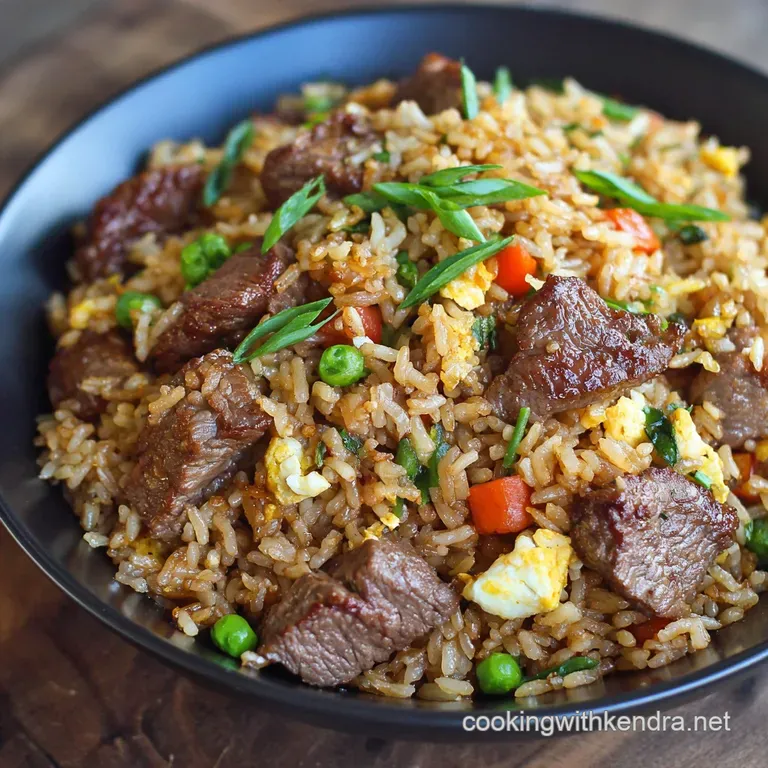
- Wok-Seared Beef Fried Rice: Tender Beef, Ultimate Umami Flavour
- Essential Components for the Best Beef Fried Rice
- The Definitive Method: Cooking Beef Fried Rice Like a Pro
- The Science of Supreme Texture and Umami Flavour
- Troubleshooting and Expert Tips for Your Next Batch
- Maximizing Freshness: Storage and Reheating Beef Fried Rice
- Perfect Pairings: What to Serve Alongside
- Recipe FAQs
- 📝 Recipe Card
Wok-Seared Beef Fried Rice: Tender Beef, Ultimate Umami Flavour
Seriously, the smell of wok-seared beef fried rice hitting the pan is instantly addictive. It smells like proper takeaway, all savory, slightly smoky, and ready to be devoured right from the bowl.
We are chasing that absolutely perfect texture here, where every grain of rice is separate, slightly chewy, and perfectly fluffy.
This isn't just a recipe; it's a total weeknight superhero, especially if you happen to have a big batch of leftover rice chilling in the fridge. It’s significantly faster than ordering delivery, utilizes those lonely odds and ends of vegetables, and is way cheaper than hitting the local Chinese spot.
Who doesn't need a quick, flavour packed meal after a chaotic day?
I’ve made every classic mistake mushy rice, rubbery strips of protein, a greasy finished dish so trust me when I say I've cracked the code to making authentic, restaurant quality beef fried rice at home. Let’s grab our cold rice and get that wok screaming hot!
The Secret to Non-Greasy, Authentic Fried Rice
The genius of this specific beef fried rice recipe lies in the preparation and the heat. We are building layers of flavor instead of dumping everything into a cold pan. High heat is non-negotiable , as it creates that essential Wok Hei (the breath of the wok), a charred, smoky flavor you simply cannot get at low temperatures.
Achieving Perfect Tender Beef Every Time
The trick to tender beef is a simple but powerful technique called velveting. We use cornstarch and a tiny amount of baking soda in the marinade to tenderize the muscle fibers and create a protective barrier.
This ensures the beef slices stay unbelievably silky smooth when seared quickly over high heat, preventing that awful, chewy texture.
Why Day-Old Rice is Essential for Fluffy Grains
You simply cannot make good fried rice without using cooked, cooled rice this is rule number one! Freshly cooked rice still holds too much moisture, and when you put it in the hot pan, that starch releases, turning your grains into a gummy, sticky mess. If you want separate, distinct grains, you need that rice to be dry and fully chilled overnight. If you want to dive deep into this science, check out my full guide on Fried Rice Master the Secret to NonSoggy Restaurant Quality .
Essential Components for the Best Beef Fried Rice
Choosing the Right Cut of Beef for Marination
I usually go for flank steak or sirloin. These cuts are relatively lean but absorb the marinade beautifully, and they slice easily against the grain. The key is slicing them thin , about 1/8 inch thick, to maximize surface area for the velvetizing marinade. If you are looking for other wonderful ways to use these beef cuts, you might like my recipe for Italian Beef Stew Classic Spezzatino with Tender Braised Beef — it uses entirely different techniques but yields equally tender results!
Demystifying the Beef Marinade (Velvetizing Trick)
This marinade does double duty: flavoring the beef and ensuring that luxurious texture. Don't skip the baking soda; it's magical chemistry at work!
| Marinade Ingredient | Purpose | Substitute |
|---|---|---|
| Baking Soda (1/4 tsp) | Tenderizing the muscle fibers. | None it is essential. |
| Cornstarch (1 tsp) | Creates a protective coating/crust. | Tapioca starch or rice flour. |
| Light Soy Sauce | Salinity and flavour base. | Coconut aminos (for low sodium). |
Why Dark Soy Sauce is Crucial for Colour and Depth
You might think soy sauce is soy sauce, but trust me, you need both light and dark. Light soy sauce provides the necessary saltiness. Dark soy sauce, however, is thicker and has been aged longer; it doesn't add a lot of salt but gives the final dish that beautiful, deep caramelized brown colour and rich, malty umami depth that screams "authentic Chinese."
Preparing and Cooling the Rice Correctly
You need 4 cups of fully cooked, packed rice. Once it's cooked, spread it out on a baking sheet to cool down rapidly. After it hits room temp, cover it and stick it in the fridge overnight. Before you start cooking, break up any large clumps with your fingers; you want those individual grains ready to go.
The Definitive Method: Cooking Beef Fried Rice Like a Pro
Stage 1: Searing the Beef at High Heat
Heat 1 Tbsp of high smoke point oil in your wok until it’s shimmering it needs to be smoking hot! Add the marinated beef in a single layer . Work in batches if your pan is small, seriously. Cook for 60 to 90 seconds per side until beautifully browned but still slightly pink inside.
Remove the beef immediately and set it aside; it will finish cooking later.
Stage 2: Building the Aromatic Base
Add the remaining 2 Tbsp of oil to the screaming hot wok. Immediately toss in the diced onion and carrots; they take the longest to soften, so give them about two minutes of vigorous stir frying. Then add the minced garlic, ginger, and the white/light green parts of the spring onions.
Cook for just 30 seconds until you smell that nutty, fresh aroma. Do not let the garlic burn!
Stage 3: Incorporating the Rice and Separating the Grains
Now for the main event! Dump the cold rice into the wok. Use the back of your spatula to press down on the rice, breaking up any residual clumps while you constantly toss and stir.
This critical stage lasts 2– 3 minutes; the goal is to fully heat the rice and dry it out slightly so it can absorb the sauce later without becoming wet.
Stage 4: The Rapid Sauce Toss and Final Seasoning
Push the rice mixture to one side, clearing a small spot on the bare metal of the wok. Pour the pre-mixed soy and oyster sauce mixture directly onto the hot metal and let it bubble for about 10 seconds. This caramelizes the sauce slightly.
Quickly toss the rice through the sauce until every grain is evenly coated and richly coloured. Return the seared beef and the reserved scrambled egg back into the wok. Toss in the frozen peas. Stir fry rapidly for 60 seconds until the beef is warmed through and the peas are bright green.
Chef's Note: Remember to add the eggs and beef at the very last minute . They are already cooked, and adding them too early guarantees dry, rubbery results.
The Science of Supreme Texture and Umami Flavour
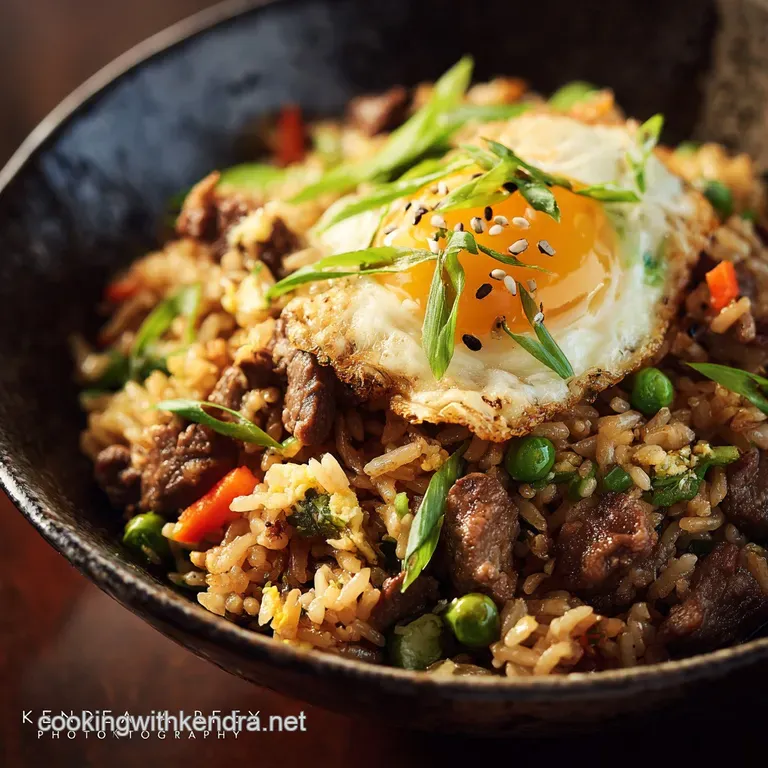
Layering Umami: The Ultimate Sauce Base
Umami is that savory, satisfying flavor that makes you crave another bite. We hit three major umami sources here: the marinated beef, the dark soy sauce, and the oyster sauce. Oyster sauce is key; it’s fermented and adds a robust, savory depth that straight soy sauce simply can't replicate.
If you're vegetarian, good quality mushroom sauce is your best substitute.
Understanding and Harnessing the Wok Hei
Wok Hei , which literally means "the breath of the wok," is achieved through intense heat and rapid evaporation. It imparts a charred, smoky flavor. The way we achieve this at home (since domestic stovetops aren't super powered jets) is by cooking in small batches and ensuring the wok remains screaming hot between additions.
Troubleshooting and Expert Tips for Your Next Batch
Avoiding the Overcrowding Mistake (Maintaining Heat)
This is where I failed for years! If you dump too much food into the wok at once, the temperature plummets instantly. The ingredients then release their moisture and start steaming instead of searing.
Always cook the beef and the eggs in separate batches, removing them from the wok before moving on to the vegetables and rice.
Fixing Mushy Rice: The Rescue Plan
If your rice starts looking mushy (usually because it wasn't cold enough or you added too much oil), don't panic entirely. Turn the heat down to medium and stir fry for an extra couple of minutes to let some of the moisture evaporate.
Then, push it to the side, and add a little bit of fresh, cold oil this helps separate the grains again. Your next batch must absolutely start with properly chilled rice.
Maximizing Freshness: Storage and Reheating Beef Fried Rice
Safe Storage Lifespan in the Refrigerator
Fried rice actually keeps quite well, thanks to the cooking process, but proper rice storage is important. Once cooled, store leftovers in an airtight container in the fridge. It is best eaten within 3 to 4 days .
The Best Way to Reheat Without Drying Out
Microwaves are okay, but they often make the rice chewy and the beef dry. The best method is to reheat a single serving in a small, oiled skillet over high heat. Add a splash of water or a half teaspoon of soy sauce before tossing it, covering it quickly for 30 seconds to steam, then uncover and stir fry until piping hot.
Perfect Pairings: What to Serve Alongside
Beef fried rice is wonderfully rich and satisfying, so I like to pair it with something fresh and simple.
- A quick, crunchy vegetable: Blanched Gai Lan (Chinese Broccoli) tossed with garlic and a tiny drizzle of oyster sauce works perfectly.
- Soup Starter: A light, clear broth like simple egg drop soup is a great counterpoint. For something heavier and more protein packed, my Taco Soup The Easiest OnePot Recipe with Ground Beef would be too rich, but a simple clear soup cuts the fat beautifully.
- The Classic Crunch: Don't forget the prawn crackers! They add that perfect light, crisp texture.
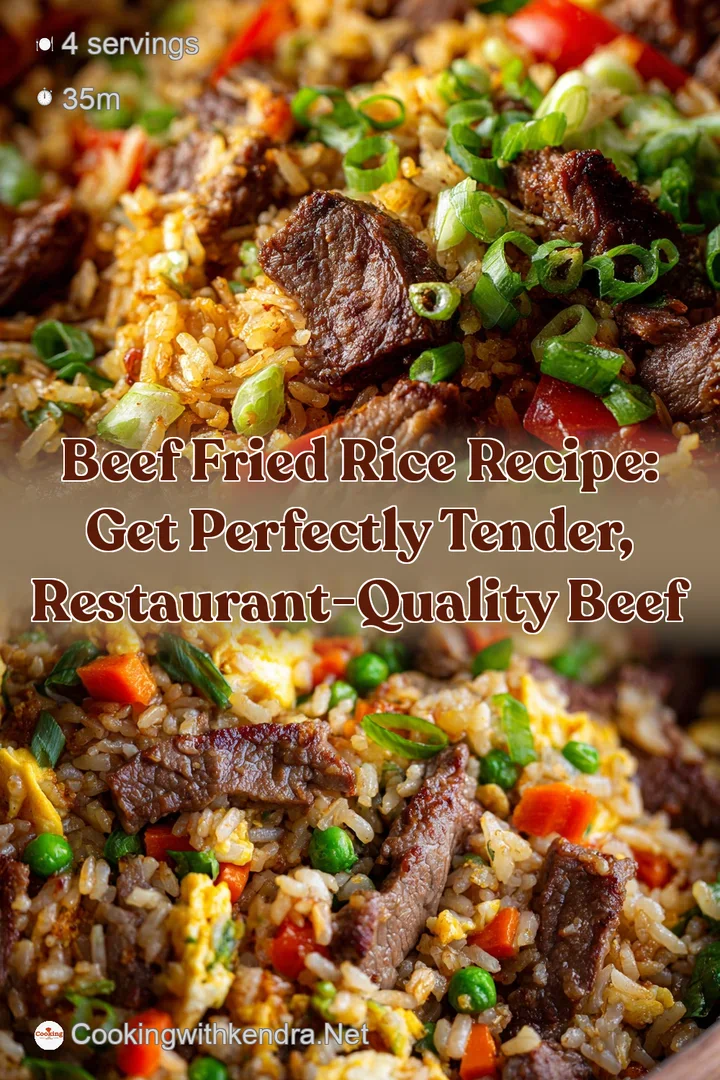
Recipe FAQs
Why is my beef fried rice coming out mushy and wet?
Mushy fried rice is almost always a result of using freshly cooked rice, which contains too much moisture. You must use cold, day-old, refrigerated rice to ensure the grains are firm and separate.
Additionally, avoid overcrowding the wok, as this drops the temperature and causes the ingredients to steam rather than fry.
What is the secret to keeping the beef tender and not tough?
The key to tender beef is slicing it thinly against the grain and employing a technique called "velveting," which involves coating it in a mixture of baking soda or cornstarch and marinade.
Crucially, cook the beef in high heat in small batches until barely done, remove it immediately, and only add it back at the very end of the cooking process.
Do I absolutely need a wok, or can I use a standard frying pan?
While a carbon steel wok provides the best heat distribution and surface area for true high heat frying, a large cast iron skillet or heavy bottomed pan can be substituted. The most important factor is maintaining extremely high heat; therefore, if using a pan, cook the ingredients in smaller batches to prevent the temperature from plummeting.
How do I achieve that deep, dark brown colour like restaurant quality fried rice?
That rich colour typically comes from a controlled amount of dark soy sauce, which is significantly thicker and darker than regular soy sauce and used primarily for colouring. For deep umami depth without excessive saltiness, a teaspoon of oyster sauce (or vegetarian mushroom sauce) added to the seasoning blend is highly recommended.
Can I use frozen vegetables instead of fresh for convenience?
Yes, but you must thaw and thoroughly pat the frozen vegetables dry using a paper towel before adding them to the wok. If added frozen or wet, they release excess moisture very quickly, causing your entire dish to steam and preventing the rice from searing correctly.
How long can I safely store beef fried rice leftovers, and can I freeze it?
Leftover fried rice must be cooled quickly and refrigerated in an airtight container within two hours of cooking, where it will last safely for 3 to 4 days. While technically freezable for up to two months, the texture of the rice and vegetables can become significantly softer upon thawing and reheating.
I forgot to cook the rice yesterday; is there a quick workaround?
If you must use fresh rice, cook it slightly firmer than normal, then immediately spread it thin on a baking tray or sheet pan and refrigerate it for at least 30 minutes. This rapid cooling process helps drive off surface moisture and firms up the starch, mimicking the texture of day-old rice.
Wok Seared Tender Beef Fried Rice
Ingredients:
Instructions:
Nutrition Facts:
| Calories | 471 kcal |
|---|---|
| Protein | 22.0 g |
| Fat | 20.0 g |
| Carbs | 50.0 g |
