Your Ultimate Beef Temperature Guide
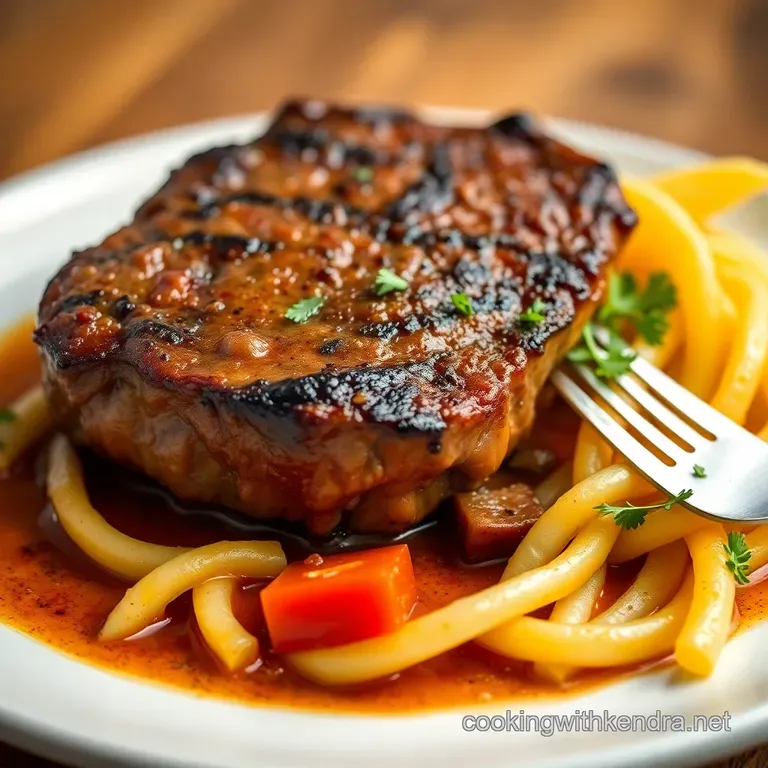
Recipe Introduction
Quick Hook
Ever been disappointed by a tough, overcooked steak? Honestly, me too! This beef temperature chart is your passport to perfectly cooked beef every single time.
It's dead simple, and you'll be amazed at the difference.
Brief Overview
Knowing your beef internal temp guide makes all the difference. This guide isn't a specific recipe but a technique. It empowers you to cook any cut of beef to your desired doneness.
It's easy, takes variable time depending on the cut, and serves however many your slab of beef feeds.
Main Benefits
The main benefit? Perfectly cooked, tender, and juicy beef. Every single time! It's perfect for a Sunday roast or a fancy date night.
This Meat Cooking Temperature Chart will turn you into a beef cooking guru.
Ready to finally nail that perfect steak?
Gather Your Arsenal: Ingredients
You'll need your beef. Grab your steak, or joint or whatever. Ensure it's approximately 1-2 inches thick. Salt and pepper are essential.
Some oil or butter for searing is optional. Avocado or olive oil are great choices!
Essential Tools for Success
First, a meat thermometer is critical. A digital instant read thermometer is the single most important tool for perfectly cooked beef.
Then get your oven, skillet, or grill for cooking. Tongs for flipping and a cutting board are also needed. Don't forget your timer! An oven thermometer helps, too!
Mastering the Technique
Pat the beef dry. Season generously with salt and pepper. I mean generously . Let it sit at room temperature for 30 minutes if searing.
Get the pan screaming hot. Cook to temperature. Check that internal beef temperature with your thermometer. Consult your Meat Cooking Guide .
Decoding the Doneness: Your Beef Temperature Chart
Use a beef temperature chart to learn the internal temperature for the perfect beef. Use a Meat Cooking Times And Temperatures .
- Rare: 120- 130° F (49- 54° C)
- Medium Rare: 130- 140° F (54- 60° C)
- Medium: 140- 150° F (60- 66° C)
- Medium Well: 150- 160° F (66- 71° C)
- Well Done: 160° F+ ( 71° C+)
Rest and Revel: The Finishing Touch
Remove beef at 5- 10° F below the target. Tent with foil. Rest for 10- 15 minutes. This is vital! Slice against the grain.
Serve and enjoy your perfectly cooked beef. With steak cooking chart meme at hand, I assure that you will get this.
Enjoy your rare steak temperature , medium rare beef , and other degrees of cooking!
Ingredients & Equipment: Let's Get This Show on the Road!
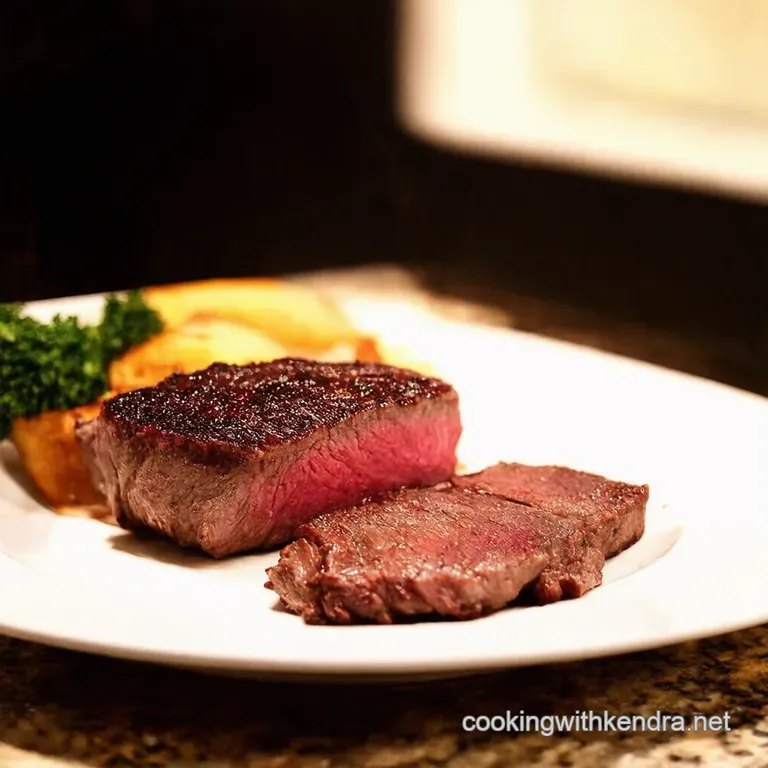
Alright, mate? So, you wanna cook some beef? Excellent choice! Don't worry, it is simpler than you think. First, let's make sure you have the right gear and grub.
Honestly, I always feel like a right plonker if I start cooking and then realize I'm missing something!
Main Ingredients: The Stars of the Show
- Beef (any cut): 1 steak, roast, or portion that you like. Aim for a cut that's about 1-2 inches thick. The weight does not matter a lot because we are focusing on beef temperature chart more than anything here. It's essential to get good quality beef. Look for marbling, which is the fat within the muscle. This gives you flavor and tenderness. Honestly, I get mine from the local butcher. He always knows what's what.
- Salt: 1-2 teaspoons (4-8g). I prefer kosher salt.
- Black Pepper: 1/2 -1 teaspoon (2-4g). Freshly ground is best!
- Optional - Oil or Butter: 1-2 tablespoons (15-30ml). For searing.
Seasoning Notes: A Bit of This, A Bit of That
Essential spice combinations? Salt and pepper are your best mates. For flavor enhancers, consider garlic powder, onion powder, or smoked paprika.
You can also add herbs like rosemary and thyme. Don't be afraid to experiment! Got no rosemary? Thyme works perfectly fine.
Honestly, just use what you have.
Equipment Needed: Keep It Simple, Stupid
- Meat Thermometer: This is the most important thing. A digital instant read thermometer is essential. I am telling you...
- Oven (optional): For roasting.
- Skillet or Grill (optional): For searing.
- Baking Sheet (optional): For roasting.
- Tongs: Because nobody likes burnt fingers.
- Cutting Board
- Knife: For prepping.
- Timer/Oven Thermometer: This helps ensure you cook for the correct amount of time at the specified temperature.
Alright, you all know that a meat cooking temperature chart is super important, right? Like, knowing your rare steak temperature versus your medium rare beef is key.
Let me tell you a story - once, I totally winged it and ended up with shoe leather! Never again.
Now I religiously check my beef temperature chart and meat temperature guide . It gives you the meat cooking guide you need.
Seriously, search for " steak cooking chart meme ". You'll find one! Aim for a rare steak temperature of 120-130 degrees Fahrenheit to make sure it's nice and juicy.
I even laminated my beef doneness guide . You can find all this on meat cooking times and temperatures websites, and it helps you nail the beef internal temp guide .
I mean, what's the point of going through all this if your steak beef internal temp ends up being a disaster? I hope this helps you all cook the perfect steak.
Right, let's get cooking!
Master the Meat: Your Ultimate Beef Temperature Guide
Want to nail that perfect medium rare steak? Honestly, who doesn’t? This isn't just a recipe. It's your culinary cheat sheet to perfectly cooked beef every time.
We're gonna break down using a meat thermometer like a pro. We will cover the zones from "barely there" rare to "well done, mate.
" (We gently discourage that last one!). Forget the finger poke test and impress everyone with your perfect beef.
Prep Steps: Your Mise en Place Mission
Essential mise en place is key. Get your beef cut out. Pat it dry with paper towels. Season it. That's all.
This is the stage where we want to make sure to set aside time. Like, at least 30 minutes before cooking, let your beef sit at room temperature.
Cooking with Confidence: The Beef Temperature Chart
Ever look at a meat temperature guide and feel totally lost? I get it. But it's simpler than you think.
Start by preheating your oven to 275° F ( 135° C) if roasting. Or fire up your grill or skillet.
Then:
- Prep your beef. Pat it dry and season.
- Choose your cooking method. Sear, grill, roast your call.
- Cook that beef. Insert your meat thermometer into the thickest part. Don't touch bone!
- Check the beef temperature chart . Know your target doneness.
- Rest the beef. Pull it off the heat 5- 10° F below your target. Cover loosely. Let it chill. It will keep cooking.
- Slice and serve. Against the grain, of course.
Refer to a beef temperature chart like the one from Certified Angus Beef. Here's a quick guide:
- Rare: 120- 130° F (49- 54° C) .
- Medium Rare: 130- 140° F (54- 60° C) . That rare steak temperature is a sweet spot.
- Medium: 140- 150° F (60- 66° C) .
- Medium Well: 150- 160° F (66- 71° C) .
- Well Done: 160° F+ ( 71° C+) .
Use this Meat Cooking Times And Temperatures for a perfect result.
Pro Tips: Nailing the Beef
Want that chef kiss moment? Invest in a good meat thermometer . Seriously, it's a game changer for monitoring the Internal beef temperature .
Also, don't overcrowd the pan. Lower temperature and prevents proper searing. This beef doneness guide will save you.
What temperature is medium rare beef? Aim for 130- 140° F (54- 60° C) . Resting is crucial. This is the key to Beef internal temp guide .
Let the juices redistribute for tenderness and flavour. Remember: This Meat Cooking Guide is just a guideline. Adjust times based on your cut and equipment.
Happy cooking.
You should always know what is the ideal Meat Cooking Temperature Chart , don't use the Steak Cooking Chart Meme .
Alright, let's chat about nailing that perfect steak, every single time. Honestly, it's easier than you think! It all boils down to understanding the beef temperature chart and having a decent meat thermometer.
Recipe Notes
This isn't just a recipe. It's a simple Meat Cooking Guide that will help you every time. It's your secret weapon against dry, overcooked beef.
I have had many mistakes, but after time, using a Meat Temperature Guide , I achieved cooking the meat properly.
Serving Suggestions
Plating and presentation ideas
Get fancy! Place your sliced beef on a warmed plate. Drizzle with pan juices. Garnish with fresh herbs like rosemary or thyme.
Complementary sides or beverages
Think roasted root vegetables like carrots and parsnips. A rich red wine like Cabernet Sauvignon goes down a treat, you know? Or even Yorkshire puddings!
Storage Tips
Refrigeration guidelines
Got leftovers? No worries! Wrap the cooked beef tightly in foil or plastic wrap. Pop it in the fridge ASAP.
It should be good for 3-4 days. Make sure it's in a sealed container.
Freezing options (if applicable)
Freezing is an option! Wrap tightly to prevent freezer burn. It can last for 2-3 months. I've done this myself, and it works a treat!
Reheating instructions
Gently reheat in a low oven, around 250° F ( 121° C). Add a splash of beef broth to keep it moist.
Avoid the microwave it tends to dry out the beef.
Variations
1-2 dietary adaptations
Going paleo or keto? This guide is naturally compliant! Just skip the sides that don't fit your diet. I once adapted a recipe for a friend on Keto and he loved it!
Seasonal ingredient swaps
Swap out the sides based on what's in season. Asparagus in spring, butternut squash in autumn - you get the idea. Honestly, it's all about what tickles your fancy!
Nutrition Basics
Simplified nutrition information
Beef is packed with protein and iron. Keep in mind the Beef internal temp guide : The leaner the cut, the lower the fat content.
Remember that nutritional information varies depending on the cut.
Key health benefits
Protein is essential for building and repairing tissues. Iron helps carry oxygen throughout your body. A good Meat Cooking Times And Temperatures will keep all the proteins intact.
Steak Cooking Chart Meme s are fun, but use your Internal beef temperature to ensure it is properly cooked. You want Rare steak temperature and Medium rare beef to be achieved with care.
So, there you have it! A bunch of tips and tricks to elevate your beef game. Use a beef doneness guide to pick your doneness and look at a Meat Cooking Temperature Chart .
Now go on, impress your mates with your perfectly cooked beef!
Frequently Asked Questions
What's the big deal about using a beef temperature chart? Can't I just poke it to see if it's done?
Ah, the age-old question! While some might have a knack for the "poke test," a beef temperature chart and a reliable meat thermometer are your best bet for consistent results. Forget serving up a hockey puck when you were aiming for medium rare!
A thermometer takes the guesswork out of cooking, ensuring your beef is cooked exactly to your liking, and more importantly, to a safe internal temperature, every single time. It's like having a culinary GPS you'll always reach your desired destination.
The beef temperature chart has a range for each level of doneness (rare, medium rare, etc.). Which temperature should I aim for?
Good question! Aim for the lower end of the range if you prefer a slightly less cooked result. Remember carryover cooking! For instance, if you want a perfect medium rare (130-140°F), pull the beef from the heat when it reaches around 125-130°F.
Cover with foil and let it rest; the internal temperature will continue to rise a bit while it rests, landing you right in the sweet spot. This is especially crucial for larger cuts of beef like roasts.
I've got a fancy digital thermometer, but where exactly should I stick it in the beef?
Placement is key, my friend! Insert the thermometer into the thickest part of the beef, avoiding bone, fat pockets, or gristle, as these can give you inaccurate readings. Ensure the probe is well into the centre of the thickest part. For thinner cuts like steaks, insert the thermometer horizontally from the side.
Make sure the tip of the thermometer is in the middle of the steak and not touching the grill or pan.
How long should I rest my beef after cooking it to the temperature on the beef temperature chart? Is this really necessary?
Resting is absolutely essential! Think of it like letting a prize winning racehorse cool down after a big race. Resting allows the juices, which are driven towards the centre of the beef during cooking, to redistribute evenly throughout the meat. This results in a more tender and flavorful final product.
A good rule of thumb is to rest the beef for at least 10-15 minutes for smaller cuts (like steaks) and 20-30 minutes for larger roasts. Tent it loosely with foil to keep it warm without steaming it.
Does the beef temperature chart apply to all cuts of beef, or are there exceptions?
The core temperatures on the beef temperature chart are a universal guide, but some cuts benefit from different cooking methods. Tougher cuts, like brisket or chuck roast, often require longer cooking times at lower temperatures to break down the connective tissue and become tender think slow cooking or braising.
These cuts are often cooked to a higher internal temperature (around 203°F) than a steak, but the temperature is still key to monitoring the cooking process and doneness.
Help! I've overcooked my beef! Is there anything I can do to salvage it?
Oh dear, we've all been there! Sadly, you can't un-cook something, but you can try to make it more palatable. Slice the beef thinly against the grain. Serving it with a flavorful sauce (like a red wine reduction or mushroom gravy) can help add moisture.
Alternatively, consider using the overcooked beef in a stew, chili, or shredded beef tacos, where the extra moisture from the sauce will help compensate for the dryness.
Your Ultimate Beef Temperature Guide
Ingredients:
Instructions:
Nutrition Facts:
| Calories | 225 |
|---|---|
| Fat | 10g |
| Fiber | 0g |
