Apple Cinnamon Sangria
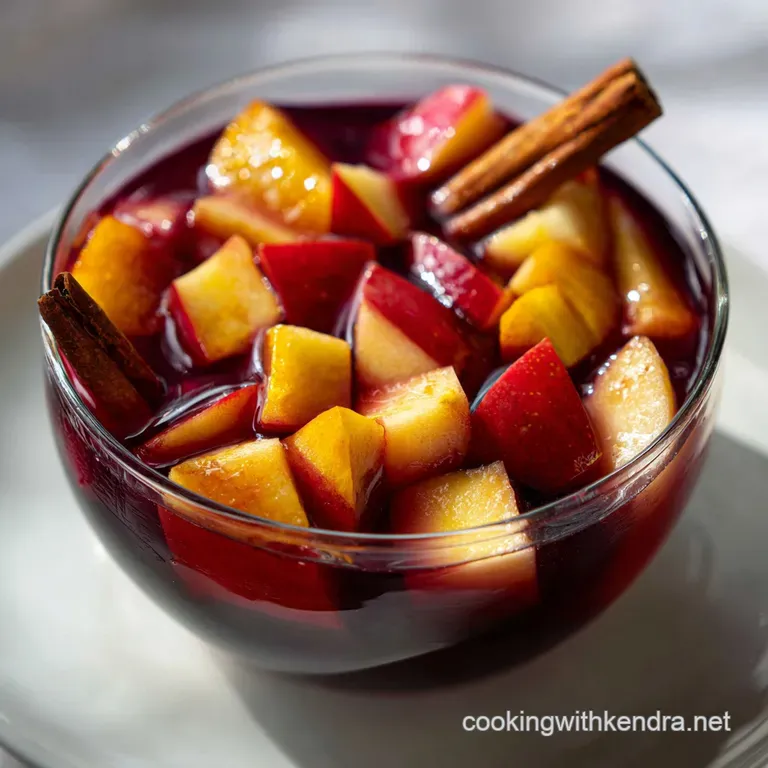
- Time: Active 15 minutes, Passive 6 hours, Total 6 hours 15 mins
- Flavor/Texture Hook: Spiced, velvety, and crisp
- Perfect for: Thanksgiving dinner, backyard bonfires, or cozy family nights
- Making the Best Apple Cinnamon Sangria
- Why This Fall Drink Works
- Essential Details for Your Pitcher
- The Components of Spiced Sangria
- Tools You Need for Mixing
- Steps for Making This Drink
- Fixing Common Problems with Sangria
- Customizing the Drink for Everyone
- Storing Your Batch for Later
- Best Foods to Pair with Sangria
- Common Cinnamon Sangria Myths
- Apple Cinnamon Sangria FAQs
- 📝 Recipe Card
Making the Best Apple Cinnamon Sangria
Imagine the scent of woodsmoke and damp leaves swirling around a crackling fire while you hold a glass that smells exactly like a harvest morning. That first sip brings a shatter of crisp Honeycrisp apple followed by the slow, glowing heat of cinnamon and brandy.
It's not just a drink, it's a way to capture the entire season in a single pitcher without spending your whole evening playing bartender.
We’ve all tried those watered down sangrias that taste like cheap juice and regret, but this version is different because we treat the ingredients with a bit of respect. I remember the first time I made this for a family pumpkin carving party.
I was worried it might be too sweet, but the tart cranberries and the dry Spanish wine created this incredible balance that had everyone asking for the "secret" ingredient.
The secret isn't a fancy bottle or a complex technique. It's simply time and the right mix of spices. This Apple Cinnamon Sangria is designed for busy home cooks who want high impact results with minimal fuss.
We're going to use smart, budget friendly swaps to make sure you get that premium flavor without the premium price tag.
Why This Fall Drink Works
The beauty of this infusion lies in how the flavors travel between the fruit and the liquid over several hours.
- Solvent Extraction: The alcohol in the brandy and wine acts as a solvent, pulling fat soluble aromatics out of the cinnamon sticks and star anise that water alone couldn't reach.
- Osmotic Exchange: High sugar concentrations in the maple syrup draw the natural juices out of the apple slices, which then get replaced by the spiced wine, turning the fruit into boozy treats.
- Cell Wall Breakdown: The acidity in the orange juice and wine softens the fruit's structure, allowing the flavors to meld into a singular, cohesive profile rather than separate layers.
The Science of Why it Works
Ethanol serves as a powerful flavor carrier by dissolving aromatic compounds found in the spices. This process, known as maceration, allows the liquid to absorb the woodsy notes of the cinnamon while the fruit becomes saturated with the wine.
| Ingredient | Science Role | Pro Secret |
|---|---|---|
| Dry Red Wine | Acidic Base | Use Tempranillo for its natural cherry and leather notes. |
| Maple Syrup | Osmotic Agent | Grade A syrup provides a cleaner sweetness than honey. |
| Brandy | Fortifier | It stabilizes the wine and prevents the fruit from tasting "watered down." |
| Cinnamon Sticks | Aromatic Source | Toast them in a dry pan for 30 seconds to wake up the oils. |
One mistake I once made was using a very expensive, oaked Cabernet. Honestly, don't even bother with pricey bottles here. The oak can clash with the fresh fruit, making the whole thing taste a bit like a pencil.
A budget friendly Spanish red is much better because its fruit forward nature loves the company of apples and oranges.
Essential Details for Your Pitcher
When we talk about the technical side of this drink, it's all about the "Cold Slow" steep. Unlike a mulled wine where you apply heat, we are letting time do the work at a controlled, chilly temperature. This keeps the fruit crisp rather than mushy.
| Method | Temperature | Result |
|---|---|---|
| Stovetop (Cider Prep) | 160°F | Intensifies spices and creates a syrupy, concentrated base. |
| Oven (Fruit Toasting) | 300°F | Caramelizes apple sugars slightly for a deeper, "baked" flavor. |
If you are in a rush, you can simmer the apple cider with the cinnamon and star anise on the stovetop for about 10 minutes, let it cool, and then mix. But if you have the time, the 6 hour fridge steep is the gold standard. It results in a much brighter, fresher taste. Much like my Granny Smiths Golden recipe, the choice of apple really defines the final texture and sweetness of the dish.
The Components of Spiced Sangria
You don't need a massive budget to make this taste like a million bucks. We’re going to use a mix of pantry staples and fresh harvest produce.
- 750ml Dry Spanish Red Wine (Tempranillo or Garnacha): Why this? These wines have low tannins and high fruitiness, which prevents bitterness.
- Substitute: Merlot or a light Malbec works well too.
- 120ml Premium Brandy or Cognac: Why this? Adds body and a sophisticated "burnt sugar" backnote.
- Substitute: Apple Jack or even a dark rum if you want a tropical twist.
- 475ml Unfiltered Apple Cider: Why this? Provides the cloudy, authentic apple flavor that juice lacks.
- Substitute: Regular apple juice with a splash of lemon juice.
- 60ml Grade A Maple Syrup: Why this? It dissolves instantly and adds a woody sweetness.
- Substitute: Brown sugar simple syrup (1:1 ratio).
- 2 Large Honeycrisp Apples, cored and thinly sliced: Why this? They stay incredibly crunchy even after a long soak.
- Substitute: Fuji or Pink Lady apples.
- 1 Large Orange, half sliced into rounds, half juiced: Why this? The juice adds brightness, while the peel adds essential oils.
- Substitute: Two tangerines or a blood orange.
- 100g Fresh Cranberries: Why this? Their tartness cuts through the sugar and they look like little jewels.
- Substitute: Frozen cranberries or pomegranate arils.
- 4 Whole Cinnamon Sticks: Why this? Provides slow release warmth without the grittiness of ground spice.
- Substitute: 1/2 teaspoon ground cinnamon (though it will make the drink cloudy).
- 2 Whole Star Anise: Why this? Gives a subtle licorice note that makes the apple flavor "pop."
- Substitute: A pinch of fennel seeds in a tea ball.
- 355ml Spiced Ginger Beer: Why this? Adds a fizzy, spicy finish that lifts the heavy wine base.
- Substitute: Sparkling cider or club soda for less spice.
Tools You Need for Mixing
You don't need a specialized bar kit to pull this off. Most of these are already in your kitchen.
- A Large Glass Pitcher: You want something that can hold at least 2 liters. Glass is better than plastic because it won't absorb the spice aromas.
- Long Handled Spoon: To reach the bottom and ensure the maple syrup is fully incorporated.
- Sharp Chef's Knife: Essential for getting those paper thin apple slices that look so beautiful in the glass.
- Fine Mesh Strainer: Only if you prefer a "clean" pour without bits of spice, though I usually leave them in for the look!
Chef's Tip: Freeze your orange rounds on a baking sheet for 20 minutes before adding them to the pitcher. This breaks the juice cells so they release more flavor, and they act as "ice cubes" that won't dilute your drink.
Steps for Making This Drink
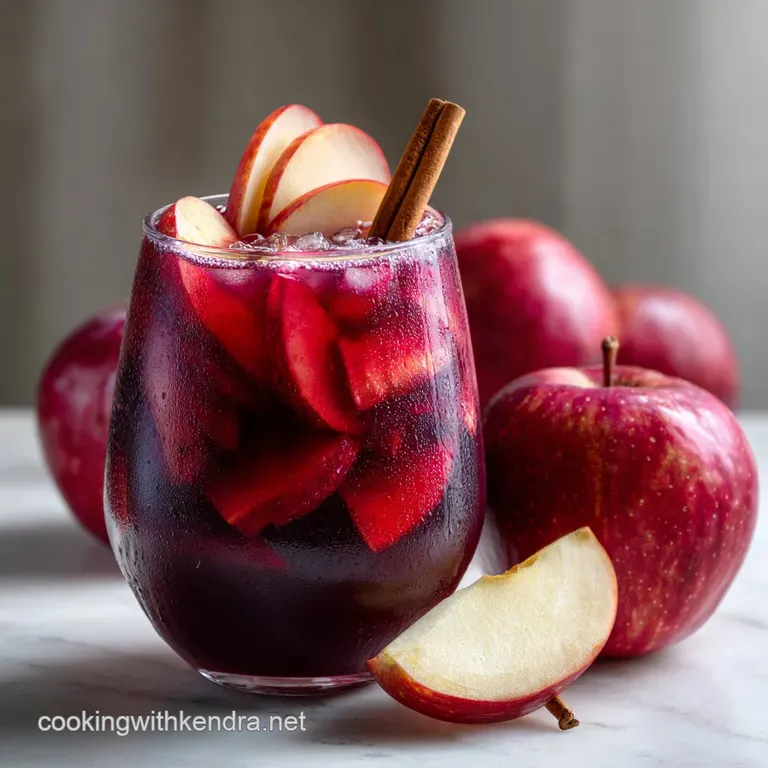
Follow these steps carefully. The order of operations matters because we want to macerate the fruit before adding the bubbles.
- Prep the fruit. Slice your 2 Honeycrisp apples into thin crescents and half of the orange into rounds. Note: Keep the slices uniform so they look tidy in the pitcher.
- Juice the orange. Take the remaining half of the orange and squeeze it directly into your large pitcher.
- Sweeten the base. Pour 60ml of Grade A maple syrup into the pitcher and whisk with the orange juice until combined.
- Add the spirits. Stir in the 120ml of brandy and the 750ml of Dry Spanish Red Wine.
- Infuse the cider. Pour in the 475ml of unfiltered apple cider. Stir well until the liquid is a consistent deep garnet color.
- Incorporate aromatics. Drop in the 4 cinnamon sticks, 2 star anise, and the sliced fruit.
- Add the tartness. Scatter the 100g of fresh cranberries into the mix. Note: Don't worry if they float; they'll settle as they soak.
- The long rest. Cover the pitcher and refrigerate for 6 hours. until the apples look slightly translucent and have taken on a red tint.
- The sparkling finish. Right before serving, pour in the 355ml of spiced ginger beer.
- Final stir. Give it one gentle fold with your spoon to distribute the bubbles without deflating them. until the surface is fizzy and fragrant.
Fixing Common Problems with Sangria
Sometimes things don't go perfectly, but almost every sangria "fail" is an easy fix.
Why Your Drink Is Bitter
If you leave the citrus slices in for more than 24 hours, the white pith can release a harsh bitterness. It’s that soapy aftertaste that ruins a good batch. If it’s already bitter, add a tiny pinch of salt it sounds crazy, but salt suppresses bitterness and makes the fruit flavors shine.
Why Your Drink Is Too Sweet
Depending on your cider, the 60ml of maple syrup might push it over the edge. If it tastes like liquid candy, don't panic. You can squeeze in the juice of half a lemon or add an extra splash of wine to dry it out.
| Problem | Root Cause | Solution |
|---|---|---|
| Cloudiness | Using ground cinnamon | Strain through a coffee filter or cheesecloth. |
| Flat Bubbles | Added ginger beer too early | Always add the carbonated mixer at the very last second. |
| Weak Flavor | Not enough steep time | Muddle a few of the apple slices to release juice quickly. |
Customizing the Drink for Everyone
We want everyone at the table to enjoy a glass, regardless of their preferences.
- The Low Sugar Swap: Use a dry sparkling water instead of ginger beer and swap the maple syrup for a monk fruit sweetener or just leave it out if your cider is sweet enough.
- The Spicy Twist: If you want a "Fireball" style kick, add a half ounce of cinnamon schnapps or a sliced jalapeño (remove seeds!) for 30 minutes before serving.
- The White Wine Variation: Swap the red wine for a crisp Pinot Grigio and use white grape juice instead of cider for a lighter, "White Autumn" version.
If you want a richer flavor, toast your cinnamon sticks in a pan first. If you want a lighter drink, increase the ginger beer ratio to 1:1 with the wine.
If you want maximum crunch, add a fresh batch of sliced apples right before serving so you have a mix of soft and crisp fruit.
Storing Your Batch for Later
This is the ultimate make-ahead drink, but it does have a shelf life.
Storage: You can keep the wine and fruit base in the fridge for up to 48 hours. Beyond that, the fruit starts to get a bit grainy and the apples will lose their structural integrity.
Always store it in a sealed container to prevent it from picking up "fridge smells" like onions or leftovers.
Zero Waste: Don't throw away those boozy apples! After the pitcher is empty, you can chop them up and use them as a topping for oatmeal or even bake them into my My Apple Pie recipe. The cranberries can be simmered with a little sugar to make a quick "adult" jam for toast.
Best Foods to Pair with Sangria
Because this Cinnamon Infused Autumn Sangria has both acidity and sweetness, it loves salty and fatty foods.
- Salty & Sharp Pairings: A big charcuterie board with sharp aged cheddar, salty prosciutto, and marcona almonds is the dream partner. The tannins in the wine cut through the fat of the cheese.
- Savory Harvest Roasts: This drink is incredible alongside a roast chicken or a pork loin with rosemary. The apple notes in the glass mirror the savory fruit flavors often used in fall roasting.
- Cozy Desserts: It’s brilliant with warm spices. Try serving it with a slice of cake or even something like my Granny Smiths Golden recipe.
Common Cinnamon Sangria Myths
Let’s clear up a few things I see people getting wrong all the time.
Myth: You need expensive wine for good sangria. Truth: This is actually the opposite of the truth. Fine, complex wines have delicate nuances that get completely buried by the fruit and spices. Save the $40 bottle for a steak dinner and stick to a solid $10-$12 bottle of Tempranillo.
Myth: You should always peel the apples. Truth: Please don't! The skin of the Honeycrisp apple provides a beautiful pop of color and keeps the slice from falling apart. Plus, a lot of the pectin is near the skin, which helps give the sangria a slightly more velvety mouthfeel.
Myth: Steeping longer than 24 hours is better. Truth: There is a point of diminishing returns. After 24 hours, the fruit starts to oxidize and turn brown, and the spices can become overwhelming, tasting more like medicine than a cocktail.
Six to twelve hours is the sweet spot.
Trust me, once you bring a pitcher of this Infused Autumn Sangria to the table, you'll see why it's a staple in our house. It’s easy on the wallet, takes about ten minutes of actual work, and makes the whole house smell like a dream.
Right then, let's get that pitcher ready your friends are going to love this.
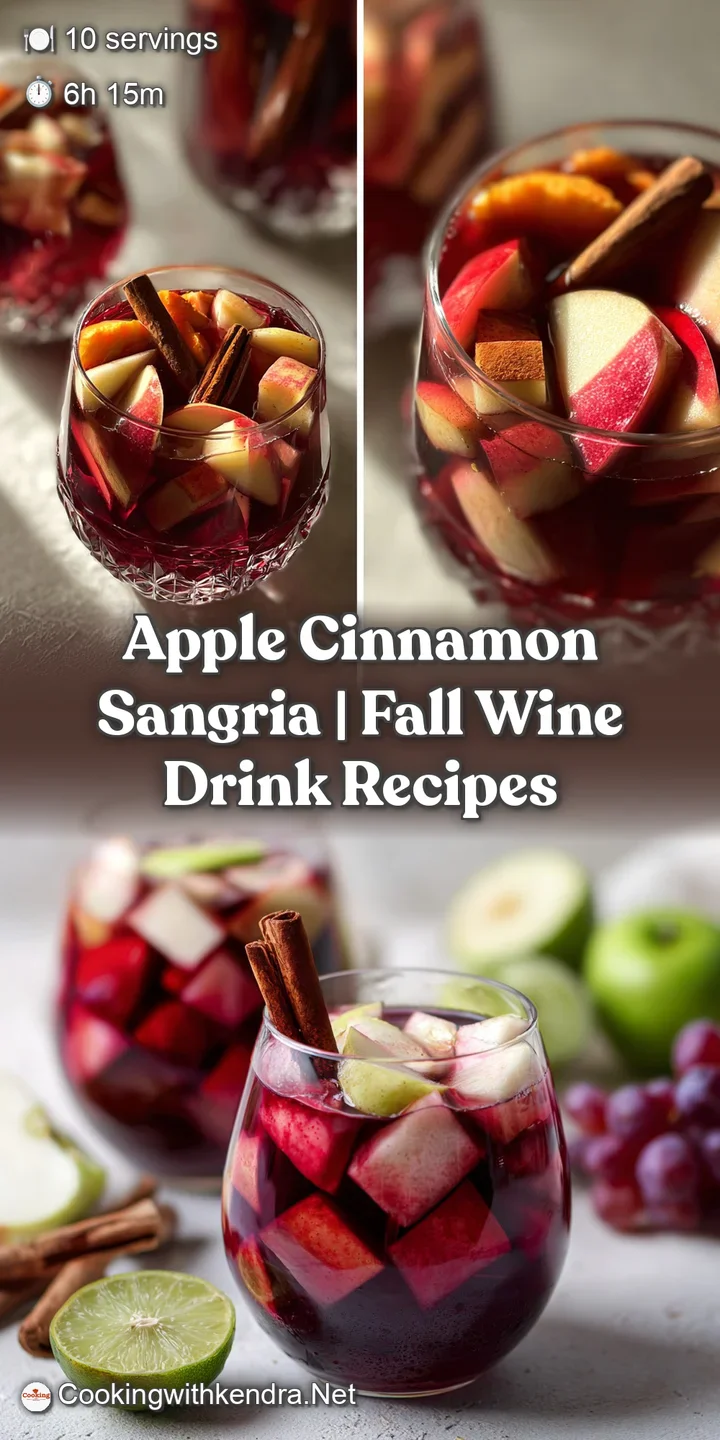
Apple Cinnamon Sangria FAQs
Does cinnamon go in sangria?
Yes, cinnamon is a classic addition, especially for fall themed sangrias. It adds a warm, aromatic spice that pairs beautifully with apples and red wine, similar to the comforting spices found in Applesauce Cake Easy Moist Spiced Recipe with Brown Sugar Glaze.
What kind of apple is best for sangria?
Honeycrisp apples are ideal because they maintain their crisp texture even after soaking and offer a good balance of sweetness and tartness. Fuji or Pink Lady apples are also excellent alternatives for similar results.
How do you make Bobby Flay autumn sangria?
Bobby Flay's autumn sangria typically involves combining red wine, brandy, apple cider, maple syrup, and fresh fall fruits like apples and oranges. It's then infused with cinnamon sticks and star anise for at least 6 hours to allow the flavors to meld beautifully, offering a deep, spiced profile similar to the complex flavors in Cranberry Pear Sauce Recipe: Bright Citrus & Cinnamon Depth.
What spices are in fall sangria?
Cinnamon sticks and star anise are the most common spices for fall sangria. You might also find recipes using cloves, nutmeg, or a hint of allspice, contributing to a cozy and aromatic flavor profile reminiscent of baked goods.
Can I make apple cinnamon sangria ahead of time?
Yes, the wine and fruit base can be prepared up to 24 hours in advance. This allows the flavors to fully meld and deepen, creating a more complex and satisfying drink.
My sangria tastes too sweet, how can I fix it?
Add more acidity to balance the sweetness. You can achieve this by squeezing in the juice of half a lemon or lime, or by adding a splash more dry red wine or a less sweet sparkling water.
Is it okay to use ground cinnamon instead of sticks?
No, it's best to use whole cinnamon sticks. Ground cinnamon will make the sangria cloudy and can create a gritty texture, whereas sticks release their flavor more gradually and cleanly.
Apple Cinnamon Sangria
Ingredients:
Instructions:
Nutrition Facts:
| Calories | 184 kcal |
|---|---|
| Protein | 0.3 g |
| Fat | 0.1 g |
| Carbs | 26.1 g |
| Fiber | 2.8 g |
| Sugar | 19.8 g |
| Sodium | 8 mg |
