Baked Meatballs Recipe: Juicy Oven Finish
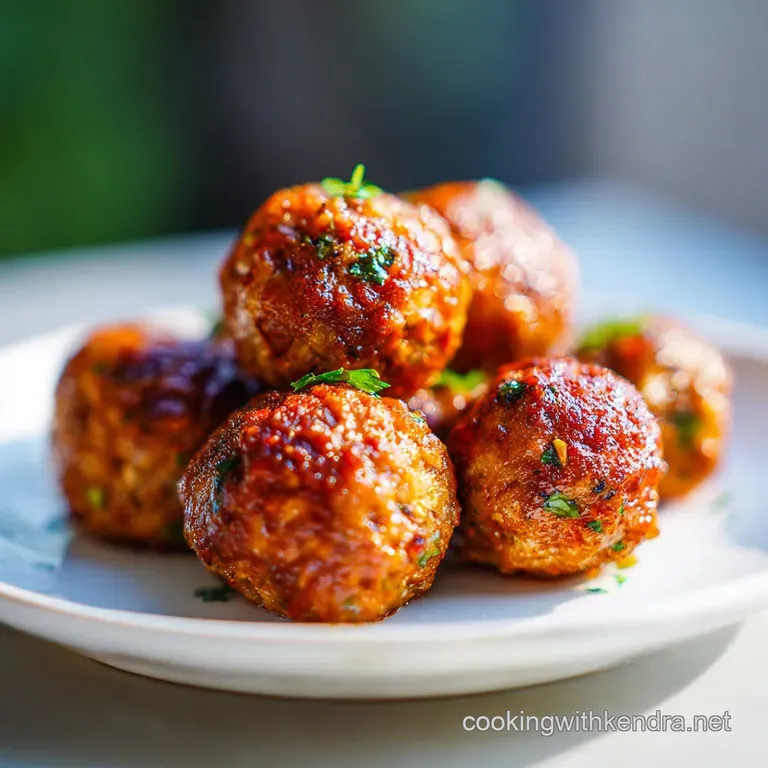
- Time: Active 15 minutes, Passive 20 minutes, Total 35 minutes
- Flavor/Texture Hook: Savory, garlic forward bites with a tender, moist crumb
- Perfect for: Stress free weeknight dinners or high volume meal prepping
- Master This Juicy Baked Meatballs Recipe
- Science Behind the Tender Texture
- Essential Ingredient Deep Dive
- Necessary Tools for the Kitchen
- The Easy Cooking Process Explained
- Avoid These Common Kitchen Mistakes
- Scaling the Recipe Properly
- Creative Variations for Your Table
- Best Side Dishes to Serve
- High in Sodium (⚠️)
- Baked Meatballs FAQs
- 📝 Recipe Card
Master This Juicy Baked Meatballs Recipe
The aroma of roasting garlic and oregano hitting the hot oven air is a sensory trigger that instantly makes my kitchen feel like home. I remember the first time I swapped the traditional skillet fry for this roasting method.
I was tired of the oil splatters covering my backsplash and the constant hovering over a spitting pan. I worried I would miss that specific crunch, but when the timer dinged and I saw that golden, sizzling exterior, I knew I was never going back.
This approach is about more than just saving time on cleanup. It is about consistent results. When you fry, the temperature fluctuates, and you often end up with some pieces that are scorched while others are barely cooked through.
Roasting provides an even, surrounding heat that transforms the proteins without the drama. It’s a reliable, family friendly way to get dinner on the table without the greasy aftermath.
We are going to focus on the structure of the mix. It is not just about throwing meat in a bowl. It is about creating a "panade" - a simple mixture of breadcrumbs and liquid - that acts as a moisture insurance policy.
You will find that these stay succulent even if you leave them in the oven for an extra minute or two while you are wrangling the kids or finishing a side dish.
Science Behind the Tender Texture
The Physics of the Panade: Mixing breadcrumbs with milk creates a starch paste that coats the meat fibers. This physical barrier prevents the proteins from shrinking and squeezing out their juices during the cooking process.
Maillard Reaction Efficiency: The oven's circulating dry air encourages the Maillard reaction across the entire surface of the sphere. This creates a complex, savory crust that provides a deep flavor profile without the need for excess oil.
Protein Blend Synergy: Using a mix of beef and pork balances lean protein with higher fat content. The pork fat melts at a lower temperature, lubricating the beef fibers to ensure a silky mouthfeel.
| Size/Thickness | Internal Temp | Rest Time | Visual Cue |
|---|---|---|---|
| 1.5 inch round | 160°F | 5 minutes | Surface is browned and sizzling |
| 1 inch round | 160°F | 3 minutes | Firm to touch with clear juices |
| 2 inch round | 160°F | 8 minutes | Deep golden crust, juices bubbling |
The resting period is just as vital as the cook time. During these few minutes, the internal juices redistribute throughout the meat. If you cut into them the second they leave the heat, that moisture will just run out onto the tray, leaving you with a drier result. Patience here pays off in a much more succulent bite.
Essential Ingredient Deep Dive
Choosing the right components is the difference between a "bouncy" meatball and a tender one. We use a 1 lb portion of 80/20 ground beef. That 20 percent fat is non negotiable because it provides the moisture and flavor that lean meat lacks.
When paired with 0.5 lb of ground pork, you get a mellow sweetness and a softer texture that beef alone cannot achieve.
| Ingredient | Science Role | Pro Secret |
|---|---|---|
| Panko Breadcrumbs | Structural Support | Absorbs 3x its weight in liquid for maximum moisture |
| Grated Onion | Natural Tenderizer | The sulfur compounds break down tough proteins as they cook |
| Parmesan Cheese | Umami Booster | Adds salt and aged fat that heightens the savoriness of the beef |
The milk and egg serve as the glue, but they also add richness. I always recommend using whole milk for the panade. The extra fat molecules interfere with the protein bonding, making it nearly impossible to overcook these to a rubbery state. If you find the mixture feels a bit too wet, don't panic.
A tacky, moist mixture always leads to a better finished product than a dry, crumbly one.
Necessary Tools for the Kitchen
You don't need a professional kitchen, but a few specific items make this much easier. A large rimmed baking sheet is essential to catch any rendered fat. I always line mine with parchment paper or a silicone mat. This prevents sticking and makes the cleanup as simple as throwing away a piece of paper.
A box grater is your best friend for the onion. Grating the onion instead of chopping it allows the pieces to melt into the meat. You get all the flavor and moisture without any crunchy raw onion bits in your finished dish. For the garlic, use a microplane or a fine grater to turn those 3 cloves into a paste.
This ensures the garlic flavor is distributed evenly throughout every single bite.
Finally,, consider using a cookie scoop or a small ice cream scoop. It might seem fussy, but having every piece the exact same size means they all finish cooking at the same time. This prevents the "mystery meatball" scenario where some are raw in the middle and others are dry husks.
Trust me, the uniformity looks great on the plate too.
The Easy Cooking Process Explained
- Preheat your oven to 400°F (200°C). Note: This high heat is necessary to brown the exterior quickly.
- Combine 3/4 cup panko breadcrumbs and 1/3 cup whole milk in a small bowl. Note: Let this sit for 5 minutes until it forms a thick paste.
- Grate 1/4 cup of yellow onion and mince 3 cloves of garlic.
- In a large bowl, lightly beat 1 large egg.
- Add 1 lb ground beef, 0.5 lb ground pork, and the milk soaked panko to the egg.
- Toss in 1/2 cup grated Parmesan, 1/4 cup chopped parsley, 1 tsp dried oregano, 1.5 tsp kosher salt, and 0.5 tsp black pepper.
- Mix with your hands until the ingredients are just combined and tacky.
- Scoop and roll the mixture into 1.5 inch balls.
- Space them evenly on a lined baking sheet.
- Bake for 20 minutes until the tops are golden and the centers reach 160°F.
When mixing, try to use a "folding" motion rather than squeezing the meat through your fingers. Overworking the meat can lead to a dense, tough texture. You want to keep as much air in the mixture as possible. If you’re doing a big Sunday meal, these are a killer addition to a hearty Baked Penne Recipe. The sauce from the penne seeps into the meat and creates a really unified flavor profile.
| Original Ingredient | Substitute | Why It Works |
|---|---|---|
| Panko Breadcrumbs | Crushed Crackers | Adds a buttery saltiness. Note: May result in a slightly denser texture |
| Whole Milk | Heavy Cream | Increases the fat content for an even richer, more velvety center |
| Ground Pork | Ground Veal | Provides an even more delicate, traditional Italian flavor profile |
Avoid These Common Kitchen Mistakes
One of the biggest issues people face is the "grey meatball" syndrome. This happens when the oven isn't hot enough or the tray is overcrowded. If the meatballs are too close together, they will steam instead of roast. This prevents the Maillard reaction from occurring, leaving you with pale, lackluster results.
Make sure there is at least an inch of space between each round to let the hot air circulate.
Reasons for Tough Texture
If your results feel like rubber balls, you likely overmixed the meat or skipped the panade. When you work the meat too much, the proteins cross link and create a tight, bouncy structure. Think of it like kneading bread dough; you want to develop gluten in bread, but you want to avoid that "snap" in your meat.
Always stop mixing the second you don't see any more streaks of unblended breadcrumbs or egg.
| Problem | Root Cause | Solution |
|---|---|---|
| Meatballs Falling Apart | Too much moisture or lack of binder | Add an extra tablespoon of panko to the mix |
| Bottoms are Burnt | Tray is too low in the oven | Move the rack to the middle or top third position |
| Dry and Crumbly | Lean meat used without enough fat | Use 80/20 beef or add a splash more milk next time |
Common Mistakes Checklist
- ✓ Use cold meat straight from the fridge to prevent the fat from melting too early.
- ✓ Wet your hands with cold water before rolling to prevent the mixture from sticking to your skin.
- ✓ Don't skip the resting period - 5 minutes is the difference between juicy and dry.
- ✓ Use fresh garlic and parsley for a brighter, more vibrant flavor profile.
- ✓ Preheat the oven fully before the tray goes in to ensure an immediate sear.
Scaling the Recipe Properly
If you are cooking for a crowd, doubling this recipe is very straightforward. You can easily fit two pounds of meat on a standard half sheet pan. However, if you are doing four pounds or more, you must work in batches.
Overloading the oven with too many cold trays at once can drop the temperature significantly, which ruins that beautiful browning we are looking for.
When scaling down for a solo dinner, you can halve all the ingredients perfectly. For the single egg, just crack it into a small bowl, whisk it well, and use roughly half of the liquid.
The cooking time will remain the same regardless of whether you are cooking 6 meatballs or 24, as long as they are the same size and have enough space on the tray.
| Method | Time | Texture | Best For |
|---|---|---|---|
| Oven Baked | 20 minutes | Crispy exterior, uniform cook | Ease, cleanup, large batches |
| Stovetop Fry | 15 minutes | Deeply charred, potentially oily | Small batches, extra crunch |
Creative Variations for Your Table
While the classic Italian profile is my go to, this base recipe is incredibly flexible. You can easily swap the flavor profile by changing the herbs. For a Mediterranean twist, use mint and cumin instead of oregano and parsley.
If you want to make them spicy, add a teaspoon of crushed red pepper flakes or some finely diced calabrian chilis into the mix.
Benefits of the Meat Blend
Using a blend isn't just tradition; it's culinary logic. Beef provides the "iron" and depth, while pork provides the "cushion." If you want to try a turkey version, I recommend using ground dark meat turkey rather than breast meat. Turkey breast is extremely lean and will dry out in the oven much faster.
If you must use lean turkey, add an extra tablespoon of olive oil to the mix to compensate for the missing fat.
Storage Guidelines
- Fridge: These stay fresh in an airtight container for up to 4 days.
- Freezer: Flash freeze them on a tray first, then move to a bag. They last 3 months.
- Zero Waste: Don't throw away the bits of meat left on the tray. Scrape those browned bits into your marinara sauce for a massive flavor boost.
Best Side Dishes to Serve
These meatballs are the ultimate team player. They anchor a plate of pasta, but they also shine in a sub sandwich with melted provolone. For a lighter weeknight option, I love serving them over a pile of sautéed zucchini noodles or a crisp Caesar salad.
The richness of the Parmesan in the meat pairs perfectly with the tangy dressing.
For a different vibe, you can serve these over a plate of The Baked Spaghetti recipe. The double dose of cheese and the slow baked sauce makes for a truly decadent comfort meal that feels like a warm hug. If you have leftovers, they make for the best lunch the next day when sliced thin and put into a toasted wrap with some pesto.
Myths About Roasting Meat
One common misconception is that you must sear meat in a pan to "seal in the juices." Science tells us this is false. Searing creates flavor through the Maillard reaction, but it doesn't create a physical seal.
In fact, over high heat pan searing can sometimes lead to more moisture loss than the gentle, even heat of an oven. Another myth is that meatballs need a lot of breadcrumbs to stay together.
In reality, the egg is your primary binder; the breadcrumbs are there for texture and moisture retention, not just structural integrity.
High in Sodium (⚠️)
845 mg mg of sodium per serving (37% % of daily value)
The American Heart Association recommends limiting sodium intake to no more than 2,300mg per day for most adults.
Tips to Reduce Sodium in Your Recipe
-
Reduce Added Salt-25%
Cut the kosher salt in the recipe by half, from 1.5 tsp to 0.75 tsp. This will significantly reduce the sodium content while still providing flavor. You can always add more at the end if needed.
-
Lower Sodium Cheese-15%
Replace the Parmesan cheese with a lower sodium cheese option like part skim mozzarella, or reduce the amount of Parmesan by half. Parmesan cheese is a significant source of sodium in this recipe.
-
Leaner Meat Choices-10%
Consider using leaner ground beef (e.g., 93/7) and swapping the ground pork for ground turkey or chicken. This not only reduces fat but can also subtly lower sodium content depending on the specific product.
-
Unsalted Breadcrumbs-5%
Ensure your panko breadcrumbs are unsalted. Many commercially available breadcrumbs contain added salt, so opting for an unsalted version is a simple way to reduce sodium.
-
Enhance with Herbs & Spices
Experiment with a variety of fresh or dried herbs and spices beyond oregano and pepper to enhance flavor without adding sodium. Consider adding basil, thyme, or red pepper flakes.
Baked Meatballs FAQs
Is it better to bake meatballs at 350 or 400 in the oven?
Bake at 400°F. This higher temperature ensures the exterior browns quickly via the Maillard reaction while the moist interior cooks evenly.
What temperature do you bake meatballs at?
Set your oven to 400°F (200°C). This temperature encourages a crisp crust formation without drying out the meatball's core, provided they have enough space on the baking sheet.
What is the secret ingredient to moist meatballs?
The panade, specifically milk soaked breadcrumbs, is the secret. This mixture acts as a moisture insurance policy, absorbing cooking liquid and preventing the meat proteins from seizing up and becoming tough.
Can you bake raw meatballs in sauce in the oven?
Yes, you can bake raw meatballs directly in sauce. However, you must bake them partially uncovered first for about 15 minutes to set the exterior, otherwise they might break apart when submerged.
Why are my baked meatballs rubbery?
Your meatballs are likely overmixed or you skipped the panade. Overworking the meat develops too many tight protein bonds, resulting in a bouncy, tough texture.
How do I ensure my meatballs are consistently sized for even cooking?
Use a small cookie scoop or calibrated measuring spoon. Uniformity is crucial so that the heat penetrates every sphere at the same rate, leading to perfect doneness throughout.
Is it true that I must sear meatballs before baking them for flavor?
No, this is a common misconception. Searing only locks in flavor via the Maillard reaction; the 400°F oven heat achieves this browning effect just as well without the added oil splatter.
Baked Meatballs Recipe Oven
Ingredients:
Instructions:
Nutrition Facts:
| Calories | 318 kcal |
|---|---|
| Protein | 25g |
| Fat | 21g |
| Carbs | 9g |
| Fiber | 1g |
| Sugar | 1g |
| Sodium | 845mg |
