Bean Thread Noodles: Snappy Strands
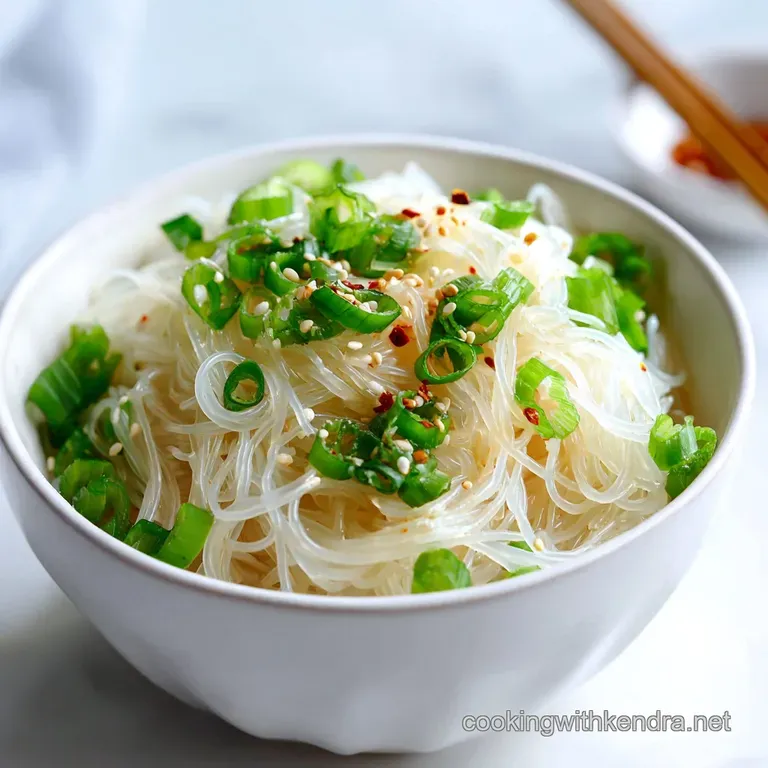
- Time: Active 10 minutes, Passive 5 minutes, Total 15 minutes
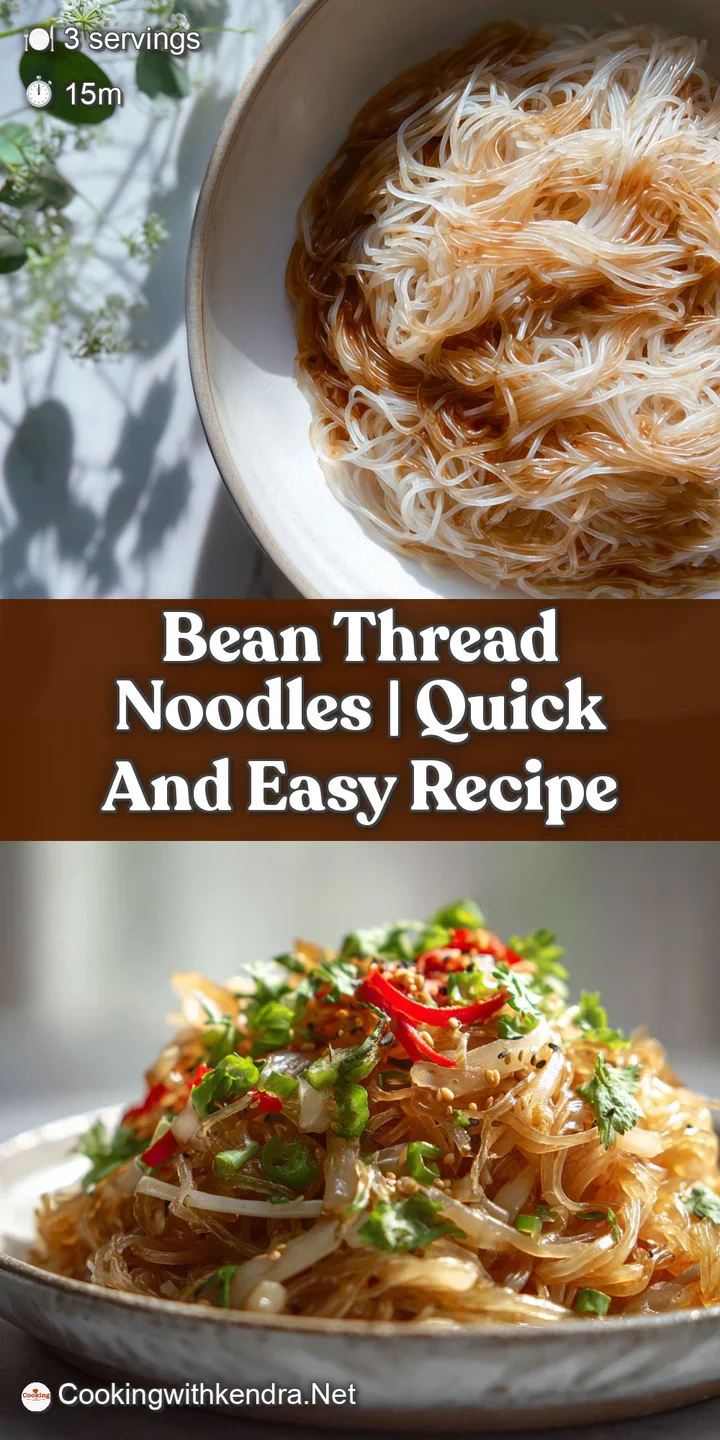
- Flavor/Texture Hook: Translucent, snappy strands coated in a silky umami glaze
- Perfect for: High energy weeknight dinners or a bold Asian Fusion centerpiece
- Essential Technical Specs for Your Quick Noodle Stir Fry
- Strategic Component Deep Dive
- Curated Shopping List and Ingredient Substitutions
- Professional Equipment for Maximum Sear
- The Technical Execution Process
- Troubleshooting the Glass Noodle Texture
- Dynamic Scaling for Crowds
- Technical Myths of Bean Thread Noodles
- Storage Strategies and Zero Waste
- Visual Garnish and Color Balance Strategy
- Very High in Sodium
- Recipe FAQs
- 📝 Recipe Card
The first time I tried to master this dish, I treated them like Italian pasta. I threw the 100g dried bean thread noodles into a rolling boil and watched in horror as they dissolved into a gummy, gelatinous blob. The kitchen smelled like scorched starch, and my vision of a sleek, modern stir fry evaporated.
I realized then that these noodles don't want to be boiled; they want to be hydrated. It was a messy lesson, but it changed how I look at starch forever.
Now, the sound of 200g raw shrimp hitting the hot oil - that sharp, aggressive hiss - is my favorite part of the process. You see the grey translucent flesh turn into a vibrant, neon coral in seconds.
When you toss in the hydrated noodles, they don't just sit there; they act like tiny sponges, soaking up every drop of dark soy and ginger. The result isn't just a meal; it's a visual event on the plate where every color pops against the glassy backdrop of the mung bean threads.
Essential Technical Specs for Your Quick Noodle Stir Fry
The Physics of the Translucent Snap
Starch Retrogradation Control: Unlike wheat, mung bean starch creates a crystalline structure that remains firm after hydration. By soaking rather than boiling, we keep the starch granules intact so they provide a "snap" rather than a mushy texture.
- Capillary Absorption: The noodles feature a porous surface that draws in thin sauces through surface tension.
- Heat Resilience: These threads can withstand over high heat stir frying without breaking, provided they aren't over hydrated initially.
- Thermal Carryover: The noodles continue to soften slightly after leaving the wok, so pulling them while they still have a "bite" ensures a velvety finish.
Before we dive into the logistics, we need to decide which cooking path fits your kitchen vibe today. While I always advocate for the traditional soak, sometimes speed is the priority when you're staring down a hungry family.
| Method | Time | Texture | Best For |
|---|---|---|---|
| Cold Water Soak | 15 minutes | Maximum Snap | Precise Asian Fusion plating |
| Hot Water Flash | 5 minutes | Soft & Silky | Quick weeknight cravings |
| Direct Wok Toss | 2 minutes | Chewy/Firm | High moisture vegetable dishes |
Choosing the right method changes how the 100g dried bean thread noodles interact with the 1 tbsp neutral cooking oil. If you go with the cold soak, the noodles stay separate and glassy, which is exactly what we want for that high end restaurant look.
Strategic Component Deep Dive
Understanding the "why" behind your ingredients is what separates a cook from a chef. We aren't just throwing things in a pan; we're building a structural and flavor profile. If you've ever experimented with my Japchae Jamboree My recipe, you know that starch based noodles require a specific balance of fat and salt to avoid clumping.
| Component | Science Role | Pro Secret |
|---|---|---|
| Mung Bean Starch | Structural Integrity | Look for "Longkou" on the label for the highest tensile strength. |
| Dark Soy Sauce | Pigment & Viscosity | It provides the deep amber "tan" without making the dish overly salty. |
| Toasted Sesame Oil | Lipid Barrier | This prevents the noodles from sticking together after the stir fry. |
The 0.5 tsp dark soy sauce is particularly vital here. While regular soy sauce provides the salt, the dark variety adds a molasses like thickness that clings to the threads. This creates a shimmering, lacquered look that is essential for a dynamic presentation.
Curated Shopping List and Ingredient Substitutions
To get that perfect color balance, we focus on three primary accents: the neon orange of the carrots, the vivid green of the scallions, and the coral pink of the shrimp.
- 100g dried bean thread noodles (mung bean starch) Why this? Essential for the translucent, "glass" appearance and snappy texture.
- 200g raw shrimp, peeled and deveined Why this? Provides a fast cooking protein that curls into beautiful shapes.
- 2 tbsp soy sauce (Sub: Tamari for a gluten-free option)
- 1 tbsp oyster sauce (Sub: Vegetarian mushroom sauce)
- 1 tsp toasted sesame oil Why this? Adds a toasted, nutty aroma that defines the dish.
- 0.5 tsp dark soy sauce (Sub: 1 tsp extra soy + pinch of brown sugar)
- 0.5 tsp granulated sugar
- 2 cloves garlic, minced
- 1 tsp fresh ginger, grated
- 1 cup shredded cabbage or bok choy
- 0.5 cup carrots, julienned
- 2 scallions, cut into 2 inch lengths
- 1 tbsp neutral cooking oil
| Original Ingredient | Substitute | Why It Works |
|---|---|---|
| Raw Shrimp | Firm Tofu Cubes | Similar protein density. Note: Tofu won't change color like shrimp. |
| Oyster Sauce | Hoisin Sauce | Provides thickness. Note: Significantly sweeter; reduce the granulated sugar. |
| Shredded Cabbage | Snow Peas | Maintains the "crunch" factor but adds a brighter green hue. |
Chef's Tip: Freeze your ginger for 10 minutes before grating. It prevents the ginger from turning into a stringy mess and allows you to get a fine, snowy texture that melts into the 1 tbsp neutral cooking oil.
Professional Equipment for Maximum Sear
You don't need a professional kitchen, but a few specific tools will make the difference between a soggy stir fry and a "shattered" sear on the shrimp.
- Carbon Steel Wok: The high thermal conductivity allows for "Wok Hei" or the breath of the wok. If you don't have one, a heavy cast iron skillet is a great alternative.
- Fine Mesh Strainer: Essential for draining the 100g dried bean thread noodles completely. Any residual water will steam the dish rather than fry it.
- Julienne Peeler: To get those 0.5 cup carrots into thin, uniform matchsticks that cook at the same rate as the 1 cup shredded cabbage.
The Technical Execution Process
1. The Controlled Soak
Place the 100g dried bean thread noodles in a large bowl and cover with room temperature water. Let them sit for 5 minutes until pliable but still firm to the touch. Note: Over soaking leads to noodles that break during the toss.
2. The Umami Emulsion
In a small glass jar, whisk the 2 tbsp soy sauce, 1 tbsp oyster sauce, 1 tsp toasted sesame oil, 0.5 tsp dark soy sauce, and 0.5 tsp granulated sugar. Vigorously shake until the sugar dissolves.
3. Aromatics Ignition
Heat the 1 tbsp neutral cooking oil in your wok over high heat. Add the 2 cloves minced garlic and 1 tsp grated ginger, stirring for exactly 15 seconds until the aroma hits the back of your throat.
4. The Protein Flash Fry
Add the 200g raw shrimp to the wok in a single layer. Sear for 1 minute per side until the edges are opaque and the centers are just turning pink.
5. Vegetable Fusion
Toss in the 1 cup shredded cabbage and 0.5 cup julienned carrots. Stir fry for 90 seconds until the cabbage wilts but the carrots retain a slight snap.
6. The Noodle Integration
Add the drained 100g dried bean thread noodles to the center of the wok. Use tongs to lift and rotate them, ensuring they are coated in the residual oil.
7. The Sizzling Finish
Pour the prepared sauce over the noodles. Stir fry constantly for 2 minutes until the noodles turn a deep amber and the liquid has vanished.
8. The Color Pop
Throw in the 2 scallions. Toss for 30 seconds until the scallions are glossy but still a vibrant, neon green.
9. Texture Check
Lift a strand of noodle; it should feel "bouncy." If it feels stiff, add 1 tablespoon of water and toss for 10 more seconds.
10. The Final Plating
Transfer immediately to a wide, shallow bowl to prevent the residual heat from overcooking the shrimp.
Troubleshooting the Glass Noodle Texture
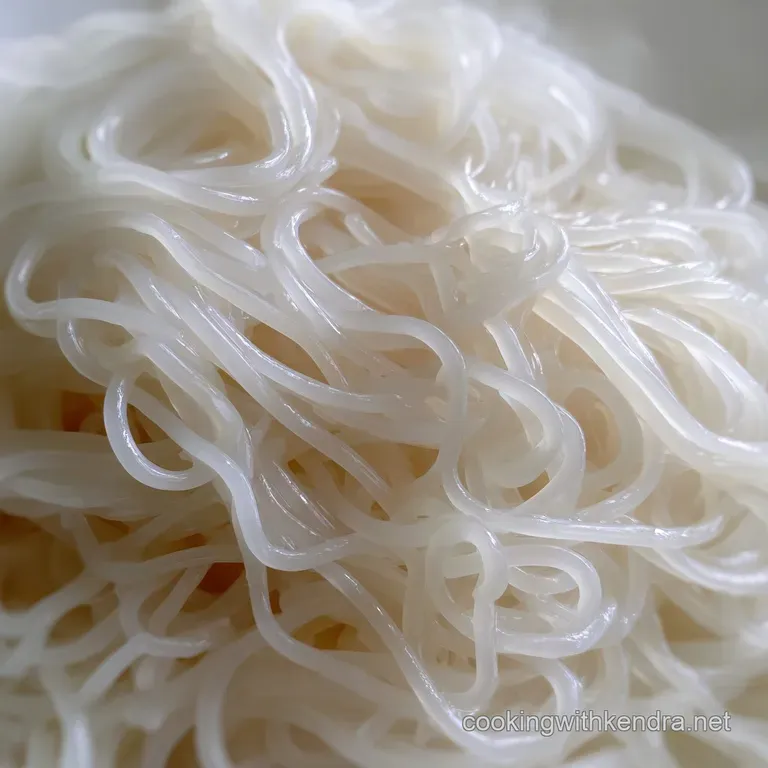
Why Your Bean Thread Noodles Clumped
This usually happens because of starch "leaking." If the noodles are too wet when they hit the pan, the starch creates a glue like bond. You want them hydrated, but dry on the surface.
Why Your Bean Thread Noodles Are Dry
If the dish looks dull or the noodles feel sticky, you've likely cooked off the moisture too fast. This is common in electric stovetops that cycle heat inconsistently.
| Problem | Root Cause | Solution |
|---|---|---|
| Soggy Noodles | Over soaking or boiling | Soak in cold water for exactly 5-8 minutes only. |
| Rubbery Shrimp | Overcooking | Remove shrimp from the wok once they curl; add back at the very end. |
| Pale Color | Missing Dark Soy | Add an extra 0.5 tsp of dark soy sauce for that lacquered finish. |
Common Mistakes Checklist
- ✓ Drain noodles in a colander and shake vigorously to remove all hidden water.
- ✓ Pat the 200g raw shrimp dry with a paper towel before frying to get a better sear.
- ✓ Preheat the wok until a single drop of water dances and evaporates instantly.
- ✓ Don't double the sauce immediately; bean threads are highly absorbent and can become overly salty.
- ✓ Use tongs instead of a spatula to keep the long noodle strands from breaking.
Dynamic Scaling for Crowds
Scaling this recipe requires a bit of finesse because of the wok's surface area. If you're doubling the recipe for 6 servings, I recommend working in two batches. Overcrowding the pan will drop the temperature, causing the vegetables to release water and steam the noodles.
For a smaller portion (1-2 people), use half the 100g dried bean thread noodles but keep the aromatics (garlic/ginger) at the full 2 cloves and 1 tsp. The flavor needs to be concentrated in smaller batches to avoid being "lost" in the pan.
When scaling up the liquid components, reduce the total liquid by 10% to prevent the dish from becoming a soup.
If you enjoy the technique of handling delicate starches, you might also find success with our Spicy Shrimp Mei recipe, which uses a similar over high heat approach but with rice based noodles.
Technical Myths of Bean Thread Noodles
"You must boil these noodles like pasta." This is the biggest myth in the book. Boiling destroys the structural integrity of mung bean starch, leading to a mushy mess. A simple soak in room temp or warm water is all that's required for that signature snap.
"Bean thread noodles are the same as rice vermicelli." While they look similar when dried, they are chemically distinct. Rice noodles are opaque and soft, while bean threads are translucent and chewy. They cannot always be swapped 1:1 without adjusting the hydration time.
Storage Strategies and Zero Waste
- Fridge Storage
- Store in an airtight glass container for up to 3 days. Note that the noodles will absorb more sauce as they sit, so they may become firmer.
- Freezing
- I do not recommend freezing this specific dish. The delicate cell structure of the 100g dried bean thread noodles tends to shatter when thawed, resulting in a gritty texture.
- Reheating
- To revive the silkiness, add a splash of water or broth before microwaving. Alternatively, a 2 minute toss in a hot pan with a drop of sesame oil works wonders.
Zero Waste Tip: Don't toss those scallion roots or cabbage cores! Throw the scallion bottoms into a jar of water on your windowsill to regrow them. The cabbage core can be thinly sliced and pickled in a mixture of rice vinegar and sugar for a crunchy side garnish that cuts through the richness of the umami sauce.
Visual Garnish and Color Balance Strategy
Plating is where the "Presentation Archetype" really shines. To make this dish look like a masterpiece, you need to think about the "Triple Accent" strategy.
- The Base Glow: Ensure the noodles have that deep amber shimmer from the 0.5 tsp dark soy sauce. This acts as the dark "canvas."
- The High Contrast Greens: Place the 2 inch scallion lengths on top at the very last second. Their neon green against the amber noodles creates immediate visual tension.
- The Texture Pop: Sprinkle toasted sesame seeds or crushed peanuts on top. This adds a matte finish to the otherwise glossy plate, making the textures look more dynamic.
When serving, use a carving fork to twirl the noodles into a high mound in the center of the plate. Place the coral colored shrimp around the base of the mound like a crown. This height adds a modern, architectural feel to your Asian Fusion creation.
Trust me, the extra 30 seconds of plating effort makes the flavor feel twice as intense!
Very High in Sodium
1145 mg mg of sodium per serving (50% of daily value)
The American Heart Association recommends limiting sodium intake to no more than 2,300mg per day for most adults.
Tips to Reduce Sodium in Your Shrimp & Noodle Stir Fry
-
Low-Sodium Soy Sauce-20%
Substitute regular soy sauce with a low-sodium version. This simple swap can significantly reduce the sodium content without sacrificing flavor.
-
Reduce Oyster Sauce-15%
Oyster sauce is a major sodium contributor. Reduce the amount from 1 tbsp to 1/2 tbsp, or replace it with a low-sodium alternative.
-
Omit Dark Soy Sauce-10%
Dark soy sauce is very high in sodium. Omit the dark soy sauce or replace it with a sugar-free molasses alternative for color without the added salt.
-
Enhance with Spices
Use herbs and spices like black pepper, red pepper flakes, or garlic powder to boost flavor without adding sodium.
Recipe FAQs
What are bean thread noodles made of?
Mung bean starch. They are derived from the starch extracted from mung beans, which gives them their characteristic translucent, glassy appearance when cooked.
Is bean thread noodle healthy?
Generally, yes, in moderation. They are naturally gluten-free and low in fat, making them a lighter base than wheat pasta.
Are bean thread noodles the same as vermicelli?
No, they are not identical, but they are often confused. Vermicelli is a general term for thin noodles, but bean thread noodles specifically use mung bean starch, resulting in a different, snappier texture than rice vermicelli.
Do you cook bean thread noodles in boiling water?
No, soaking is superior to boiling. Boiling destroys their structure; soak them in room temperature water for about 15 minutes until pliable, which retains the necessary "snap" for stir fries.
How do I keep bean thread noodles from sticking together after soaking?
Toss them immediately with a neutral oil after draining. Coating the strands in a thin layer of oil prevents them from adhering to each other before they even hit the wok.
Can I use bean thread noodles in a soup instead of a stir fry?
Yes, but hydrate them minimally first. Add the noodles to the hot broth right before serving and allow them only 1-2 minutes to soften; they cook incredibly fast in hot liquid.
Why are my bean thread noodles mushy after stir frying?
You likely over hydrated them before adding them to the wok. They should still have a firm bite when you drain them; this internal firmness allows them to absorb the sauce without dissolving, much like the controlled hydration we use for Easy & Delicious Chicken Lo Mein Noodles: A Takeout Classic at Home.
Bean Thread Noodles Recipe
Ingredients:
Instructions:
Nutrition Facts:
| Calories | 269 calories |
|---|---|
| Protein | 14.3 g |
| Fat | 6.8 g |
| Carbs | 35.2 g |
| Fiber | 2.1 g |
| Sugar | 2.4 g |
| Sodium | 1145 mg |
