Beef Gravy Recipe: Silky & Savory
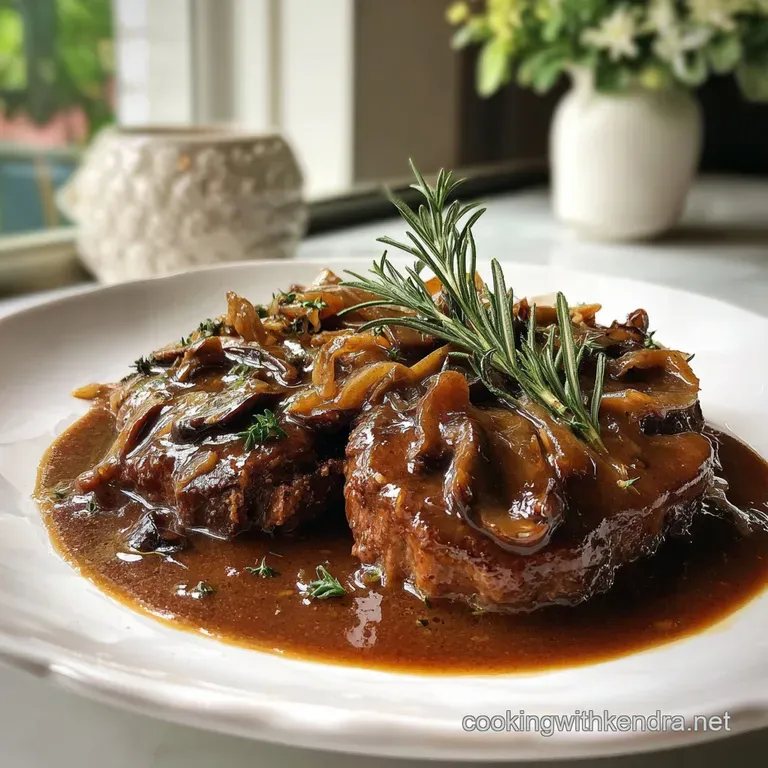
- Time: Active 3 minutes, Passive 7 minutes, Total 10 minutes
- Flavor/Texture Hook: Silky, savory, and deep umami
- Perfect for: Weeknight roasts, mashed potatoes, or quick poutine cravings
- The Quickest Velvety Beef Gravy Recipe
- The Logic of Liquid Thickness
- Strategic Planning for Fast Results
- Selecting Quality Pantry Staples
- Essential Tools for Smooth Results
- Executing the Seven Minute Simmer
- Resolving Common Texture Mistakes
- Smart Dietary Substitution Guide
- Maximizing Freshness and Reheating
- Creative Serving and Pairing Options
- Debunking Common Kitchen Beliefs
- Beef Gravy Recipe FAQs
- 📝 Recipe Card
The Quickest Velvety Beef Gravy Recipe
The sizzle of cold beef broth hitting a hot butter and flour roux is basically the soundtrack to my Sunday evenings. I remember one specific disaster where I’d spent four hours on a roast, only to realize I’d accidentally tossed the pan drippings down the sink.
I stood there staring at the drain, ready to cry, until I realized a truly great beef gravy recipe doesn't actually need those drippings to be incredible.
You’ve probably been there too, staring at a dry plate of potatoes and wishing for that glossy, pourable gold. This version is my "emergency" favorite because it relies on simple pantry staples but tastes like you’ve been simmering bones for days.
It's thick enough to coat the back of a spoon, smooth enough to satisfy a picky toddler, and fast enough that you can whip it up while the meat is resting.
We've all had those lumpy, grey school cafeteria gravies, and I promise we're not doing that today. By understanding how the flour and fat play together, you'll get a result that's consistent every single time.
Let’s get that whisk ready and turn a boring box of broth into something your family will actually fight over.
The Logic of Liquid Thickness
Starch Gelatinization: Flour granules swell and burst when heated with liquid, creating a thick network that traps moisture.
Maillard Reaction: Toasting the flour in butter develops complex, nutty flavor compounds that mimic the depth of slow roasted meat.
| Cooking Method | Total Time | Texture | Best For |
|---|---|---|---|
| Stovetop | 10 minutes | Silky and smooth | Immediate serving / Weeknights |
| Oven (Braised) | 45 minutes | Concentrated / Intense | Pot roasts and stews |
| Slow Cooker | 4 hours | Thin / Rustic | Hands off meal prep |
This stovetop method is my go to because it offers the most control over the final consistency. If you're doing a larger meal, like my Italian Beef Stew recipe, you might already have those natural juices, but for a quick fix, the stovetop is king.
Strategic Planning for Fast Results
To get this on the table without stress, I follow a simple 3 step timeline that keeps the flow moving while your main dish rests.
- The Prep (Minutes 1-3): Measure out your 4 tbsp unsalted butter and 1/4 cup flour. Don't eyeball the flour - too much and it becomes a paste; too little and it stays watery.
- The Base (Minutes 4-6): Melt the butter until it bubbles, then whisk in the flour. You're looking for a "blonde" roux here, which looks like wet sand and smells slightly toasted.
- The Finish (Minutes 7-10): Gradually stream in the 2 cups beef broth. Whisk constantly as it thickens to prevent those dreaded lumps from forming.
Chef's Tip: Freeze your butter for 10 minutes before starting, then grate it into the pan. It melts more evenly and helps the flour incorporate without clumping immediately.
Selecting Quality Pantry Staples
| Ingredient | Science Role | Pro Secret |
|---|---|---|
| Unsalted Butter | Fat medium | Use high fat European style for a glossier finish |
| All Purpose Flour | Thickening agent | Toast it until it smells like popcorn to remove raw taste |
| Beef Broth | Flavor base | Choose low sodium so you can control the final saltiness |
| Worcestershire | Umami booster | Adds fermented depth that mimics aged meat drippings |
- 4 tbsp unsalted butter: Provides the fat needed for the roux. Substitute: Beef tallow for a meatier flavor.
- 1/4 cup all purpose flour: The structural backbone. Why this? High starch content creates a stable, reliable thickness.
- 2 cups low sodium beef broth: The liquid base. Substitute: Chicken broth with a splash of soy sauce.
- 1 tsp Worcestershire sauce: Adds acidity and salt. Why this? Breaks through the heavy fat of the butter.
- 1/2 tsp onion powder: Savory aromatic. Substitute: Very finely minced shallots.
- 1/2 tsp black pepper: Use freshly cracked for heat.
- 1/4 tsp salt: Adjust at the very end.
If you’re looking for a different way to use these savory flavors, this sauce technique is very similar to what I use in my Speedy Beef Broccoli recipe, where a quick slurry creates that signature take out gloss.
Essential Tools for Smooth Results
You don't need a professional kitchen, but a heavy bottomed saucepan is non negotiable here. Thin pans have hot spots that will scorch your flour before it has a chance to cook, leaving you with bitter, burnt flecks in your sauce. I personally love a 1.5 liter stainless steel pot for this.
A balloon whisk is your best friend. Don't try to use a fork; it won't incorporate enough air or break up the flour clusters effectively. If you're worried about scratching your pans, a silicone coated whisk works brilliantly and keeps things quiet.
Finally,, have a fine mesh strainer nearby just in case - even the best of us have "lumpy days" and there is no shame in a quick strain.
Executing the Seven Minute Simmer
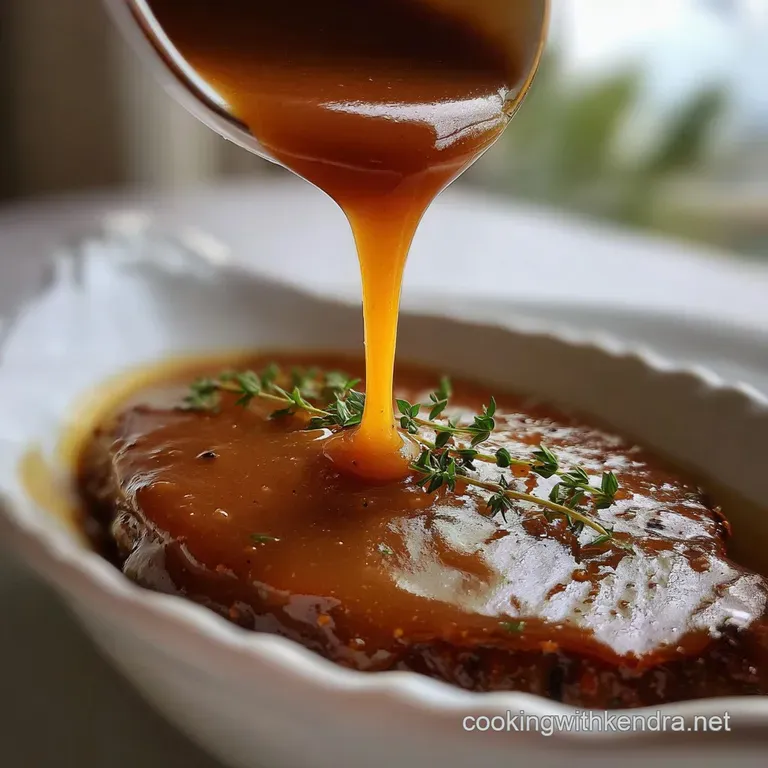
- Melt the 4 tbsp unsalted butter in a medium saucepan over medium heat until it sizzles and stops foaming.
- Whisk in the 1/4 cup all purpose flour. Note: This creates your roux.
- Cook the mixture for 2 minutes until it turns a light golden brown and smells nutty.
- Pour in about 1/2 cup of the 2 cups beef broth. Whisk vigorously until a thick, smooth paste forms.
- Stream in the remaining broth slowly while continuing to whisk.
- Add the 1 tsp Worcestershire sauce, 1/2 tsp onion powder, and 1/2 tsp black pepper.
- Simmer the gravy for 3 to 5 minutes until it thickens enough to coat the back of a spoon.
- Taste and add the 1/4 tsp salt only if needed. Note: Broth saltiness varies wildly.
- Remove from heat immediately to prevent over reduction.
Mastering the Golden Roux
The secret to a deep flavor without drippings is letting that flour cook. If you stop too early, the gravy will taste like raw dough. Wait for that specific aroma it should remind you of toasted bread or slightly overdone popcorn.
Simmering to Thickness
Wait for the "first bubble." Gravy doesn't reach its full thickening potential until it hits a simmer. If you pull it off the heat too early, it might look thick in the pan but will turn watery the moment it hits a cold plate of potatoes.
Resolving Common Texture Mistakes
Why Your Gravy Is Lumpy
This usually happens when the liquid is added too fast or the roux was too dry. If you see lumps forming, don't panic. The easiest fix is to keep whisking like your life depends on it, but if they persist, just pour the whole mess through a sieve.
| Problem | Root Cause | Solution |
|---|---|---|
| Greasy surface | Too much fat/broken emulsion | Whisk in a tablespoon of cold water vigorously |
| Floury taste | Under cooked roux | Simmer for 2 extra minutes on very low heat |
| Too salty | Broth reduction | Add a splash of heavy cream or unsalted water |
Common Mistakes Checklist
- ✓ Never add cold broth to a cold pan; the butter must be melted and the flour toasted first.
- ✓ Whisk in small amounts of liquid at first to create a smooth paste before thinning it out.
- ✓ Don't walk away from the stove; roux can go from golden to burnt in twenty seconds.
- ✓ Use a flat bottomed whisk if possible to reach the "corners" of the saucepan.
- ✓ Always taste for salt at the end because the flavors concentrate as the liquid evaporates.
Smart Dietary Substitution Guide
| Original Ingredient | Substitute | Why It Works |
|---|---|---|
| All Purpose Flour | Cornstarch (half amount) | Makes it gluten-free. Note: Result is more translucent and "gel like" |
| Beef Broth | Mushroom Broth | Adds deep umami. Note: Makes the recipe vegetarian friendly |
| Butter | Vegan Butter / Oil | Maintains the fat ratio. Note: Flavor is less creamy but still effective |
A common trick I use for a deeper color is adding a teaspoon of instant espresso powder. It sounds weird, I know, but it provides a dark, rich hue and a bitterness that mimics highly browned meat without tasting like coffee at all.
gluten-free Alternatives
If you're swapping flour for a gluten-free blend, look for one with a high rice flour content. Alternatively, use a cornstarch slurry (mixed with cold water first) added to simmering broth. It won't have the same "toasted" flavor as a roux based gravy, but it's much faster.
Adapting for Poutine
For poutine, you want a "stiff" gravy. Reduce the broth by 1/4 cup or simmer it for an extra 4 minutes. It needs to be thick enough to sit on top of the cheese curds without immediately melting them into a puddle.
Maximizing Freshness and Reheating
Storage: You can keep this in the fridge for up to 4 days. It will turn into a thick jelly once cold - that's just the proteins and starches setting. Don't be alarmed!
Freezing: This gravy freezes surprisingly well for up to 3 months. I like to pour leftovers into an ice cube tray. Once frozen, pop the "gravy cubes" into a bag. You can melt just one or two when you need a little extra moisture for a leftover sandwich.
Reheating: Always reheat on the stovetop over low heat. You’ll likely need to whisk in a tablespoon of water or broth to loosen it back up to its original velvety state. Avoid the microwave if you can, as it tends to heat unevenly and can cause the fat to separate.
Zero Waste: If you have leftover gravy that isn't enough for a full meal, stir it into a shepherd's pie filling or use it as a base for a beef pot pie. It’s also a fantastic "glue" for a breakfast hash made with leftover roast potatoes and peppers.
Creative Serving and Pairing Options
While we usually think of this beef gravy recipe as a side for Sunday lunch, it’s surprisingly versatile. I’ve used it as a dipping sauce for roast beef sliders and even as a base for a quick stroganoff by whisking in a dollop of sour cream at the very end.
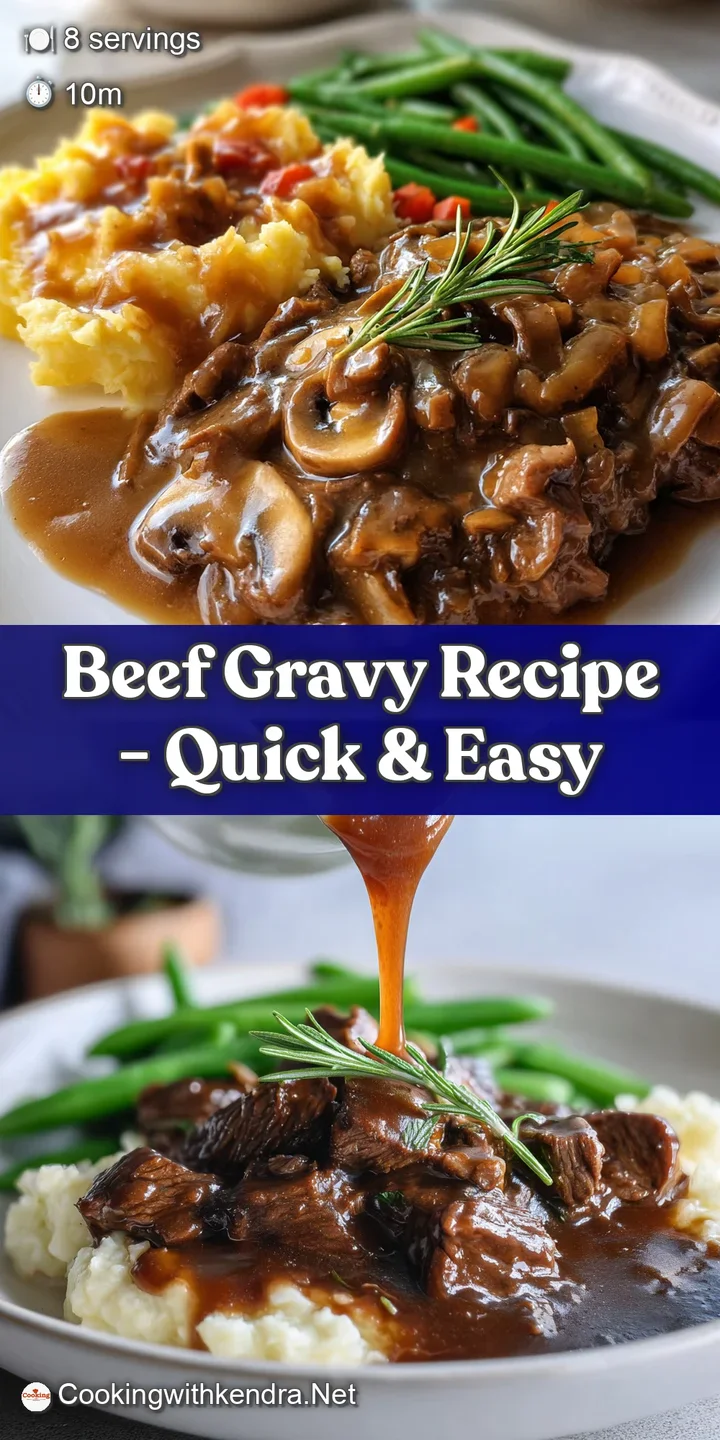
- The Classic: Poured over creamy mashed potatoes and sliced sirloin.
- The Shortcut: Use it to moisten leftover turkey or chicken that got a bit too dry in the fridge.
- The Comfort: Serve it over thick cut fries with cheese curds for a homemade poutine night.
If you’re planning a big family dinner, this gravy is the perfect companion for a hearty Crockpot Recipe with beef. The slow cooker does the heavy lifting for the meat, and you can finish the meal with this 10 minute stovetop sauce to bring that professional "restaurant finish" to the table.
Debunking Common Kitchen Beliefs
One big myth is that you must have pan drippings to make a "real" gravy. While drippings add a specific flavor, the combination of a well toasted roux and a high-quality broth with umami boosters like Worcestershire sauce creates a profile that is indistinguishable to most diners.
It’s all about the Maillard reaction in the flour.
Another misconception is that boiling gravy makes it thicker. While a simmer is necessary to activate the starches, a violent boil can actually break the starch chains, leading to a sauce that starts thick and then suddenly thins out. Keep it at a gentle bubble for the best, most stable results.
Beef Gravy Recipe FAQs
How to make the best beef gravy?
Toast the flour thoroughly. A well developed roux is key to rich flavor and smooth texture, even without pan drippings. Cook the flour and butter mixture until it smells nutty and turns a light golden brown, mimicking the depth of browned meat.
What is the 3 2 1 rule for gravy?
This refers to a common quick gravy method, but isn't directly applied here. This recipe focuses on a precise flour-to-fat ratio and simmering time for optimal results. For this recipe, think of it as 4 tablespoons butter to 1/4 cup flour, with about 7-10 minutes total cooking time.
What is the secret ingredient for good gravy?
Worcestershire sauce is a game changer. It adds a complex layer of umami and acidity that really elevates the flavor, making it taste like it simmered for hours. It helps cut through the richness of the butter and broth.
What is the secret to a rich beef gravy?
Toasting the flour for a deep roux and using quality broth. Don't rush cooking the flour and butter; achieve that nutty aroma and light golden color for maximum flavor. Opt for a good quality, low-sodium beef broth so you can control the final seasoning.
Can I make beef gravy without pan drippings?
Yes, absolutely. The key is to build flavor through a properly toasted roux and umami rich ingredients like Worcestershire sauce and onion powder. If you enjoyed mastering the flavor development here, see how similar techniques create depth in a Spaghetti and meatballs: Proper Sunday Gravy with Tender Homemade Meatballs.
How do I thicken my beef gravy if it's too thin?
Make a cornstarch slurry and simmer. Mix one tablespoon of cornstarch with two tablespoons of cold water until smooth, then whisk it into the simmering gravy. Cook for another minute or two until thickened. For a different but equally comforting dish that uses a similar thickening technique, explore The Ultimate Baked Spaghetti Casserole with Rich Bolognese Sauce.
How do I prevent my beef gravy from being lumpy?
Gradually add the broth to the roux while whisking. Start by whisking in just a small amount of broth to create a thick paste, then slowly stream in the rest while whisking constantly. If lumps still appear, a quick strain through a fine mesh sieve will fix it.
Beef Gravy Recipe
Ingredients:
Instructions:
Nutrition Facts:
| Calories | 70 kcal |
|---|---|
| Protein | 0.9 g |
| Fat | 5.9 g |
| Carbs | 3.4 g |
| Fiber | 0.1 g |
| Sugar | 0.1 g |
| Sodium | 116 mg |
