Traditional Beef Noodle Soup
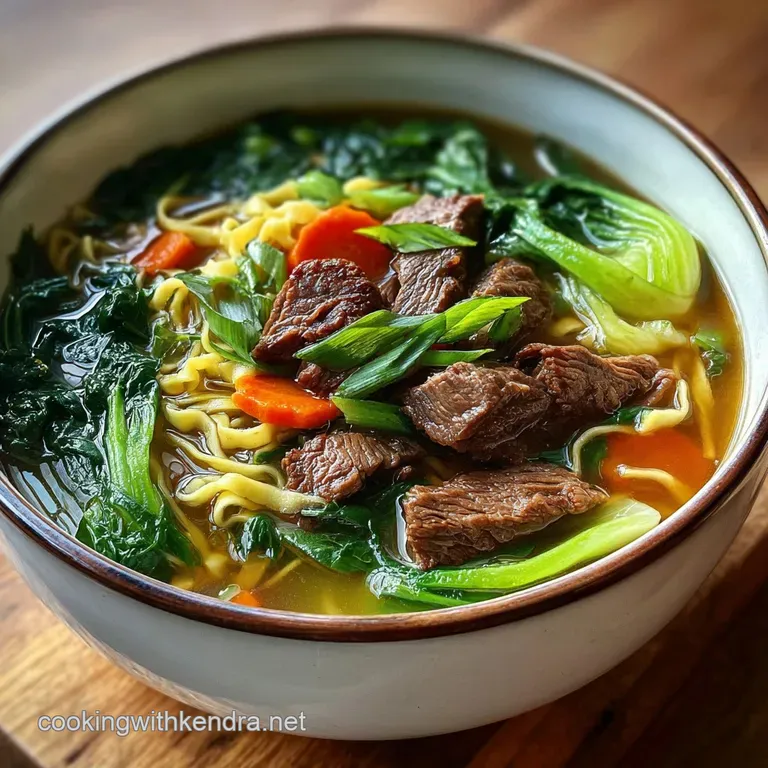
- Time: Active 30 minutes, Passive 3 hours, Total 3 hours 30 mins
- Flavor/Texture Hook: Velvety broth paired with melt in-the mouth beef
- Perfect for: Sunday family dinners or meal prepped weekday comfort
- The Ultimate Comfort of This Beef Noodle Soup
- Vital Specs for Soup Success
- The Soul of the Bowl
- Essential Tools for Soup Prep
- Navigating the Simmer Stepwise
- Avoiding Pitfalls and Common Mistakes
- Smart Swaps for Every Pantry
- Preserving the Broth for Later
- Finishing Touches for Your Table
- Recipe FAQs
- 📝 Recipe Card
The Ultimate Comfort of This Beef Noodle Soup
The first time I tried to make a proper Noodle Soup, I didn't respect the heat. I cranked the stove up, thinking I could rush the beef into submission. Instead of that velvety, fall apart texture we all crave, I ended up with gray, rubbery chunks that resisted every bite.
The kitchen smelled like burnt onions, and the broth was thin and lackluster. It was a total flop, but it taught me the most valuable lesson in the kitchen: some things simply cannot be hurried.
Now, when the rain starts rattling against the windowpane, I pull out my heavy pot and start charring the ginger. There is a specific moment when the smell of toasted star anise hits the air it’s woody, sweet, and incredibly nostalgic. It’s the scent of a house that is about to become very cozy.
This Beef Noodle Soup isn't just a meal; it’s a three hour hug for your soul. We're going to use the "low and slow" method to turn humble beef chuck and marrow bones into something truly special.
We are focusing on a traditional approach that prioritizes a clear, deep amber broth. You won't find any murky flavors here. By blanching the meat first and charring our aromatics, we create layers of taste that build on one another.
Whether you are a seasoned pro or a nervous beginner, this guide will walk you through the nuances of temperature and timing. Let’s get that stove going and turn your kitchen into the best noodle shop in town.
Vital Specs for Soup Success
Before we start the sizzle, let's look at how the classic slow cook method compares to the modern shortcut. While the Instant Pot is a lifesaver for busy Tuesdays, the traditional stovetop method allows for a clarity and depth of flavor that high pressure environments often muddy.
If you have the time, the classic route is always the winner for a family feast.
| Method | Total Time | Broth Clarity | Beef Texture |
|---|---|---|---|
| Traditional Stovetop | 3 hours 30 mins | Crystal clear, amber hue | Silky and consistently tender |
| Pressure Cooker | 1 hours 15 mins | Slightly cloudy/emulsified | Very soft but can be stringy |
| Slow Cooker | 8 hours | Dark and concentrated | Shred apart tender |
Choosing the right method depends on your schedule, but for this specific recipe, we are sticking to the stovetop. This allows us to skim the surface, ensuring the fat doesn't emulsify into the liquid, keeping the soup light yet rich.
If you are looking for another warming option that uses similar slow cooking techniques, you might also enjoy my Comforting Beef Barley recipe. It’s a great way to practice your braising skills while keeping the family happy.
The Soul of the Bowl
The Mechanics of Collagen Transformation
Collagen Conversion: During the long simmer, tough collagen in the beef shank and chuck breaks down into gelatin. This process requires a steady temperature between 160°F and 180°F to ensure the meat stays moist while the fibers relax.
Maillard Driven Flavor Depth
Aromatic Pyrolysis: Charring the onion and ginger over an open flame or in a dry pan creates melanoidins. These compounds provide the base for that characteristic smoky, savory backbone that sets a professional broth apart from a basic stock.
Selecting Your Prime Components
| Ingredient | Science Role | Pro Secret |
|---|---|---|
| Beef Bones | Provides body via gelatin | Roast them for 20 minutes first to deepen the color. |
| Star Anise | Adds licorice like sweetness | Sizzle in a dry pan until fragrant before adding water. |
| Light Soy Sauce | Salt and Umami source | Always use "light" to keep the broth transparent and bright. |
When you’re picking out your beef, look for heavy marbling. The fat is what carries the spice flavors throughout the dish. I’ve found that using a mix of chuck and shank provides the best variety of textures. Much like the cuts used in a traditional Italian Beef Stew recipe, these pieces thrive when they aren't rushed.
Essential Tools for Soup Prep
- Large Stockpot or Dutch Oven: You need at least a 6 quart capacity to hold the 8 cups of filtered water and the 2 lbs of beef without it boiling over.
- Spider Strainer: This is essential for lifting the noodles and greens out of the water without mangling them.
- Fine Mesh Skimmer: You’ll use this every 20 minutes to remove the "scum" or gray foam that rises to the top during the first hour.
- Kitchen Twine: Useful if you want to bundle your scallions and ginger for easy removal later.
- Tongs: For charring the onions safely over the gas burner.
Navigating the Simmer Stepwise
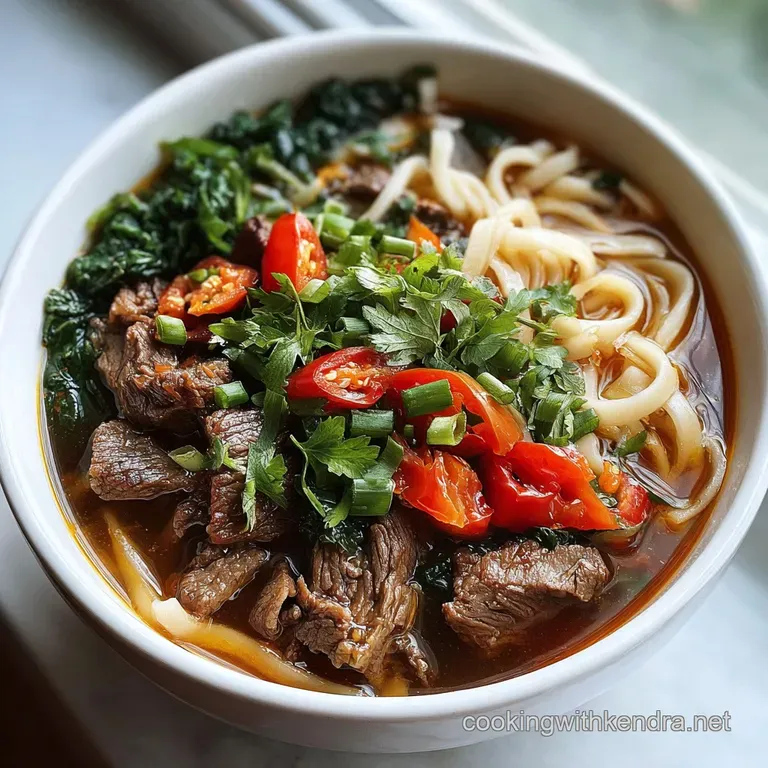
- Blanch the beef. Place 2 lbs Beef Chuck and 1 lb Beef Bones in a pot of cold water. Bring to a boil for 5 minutes, then drain and rinse the meat under cold water. Note: This removes impurities for a clearer broth.
- Char the aromatics. Place 3 inches Ginger and halved White Onion directly over a gas flame or in a dry cast iron skillet. Cook until the skin is blackened and blistered.
- Build the base. Return the rinsed beef and bones to the clean pot. Add the charred ginger, onion, 5 crushed Garlic cloves, 3 Star Anise, and 1 Cinnamon Stick.
- Add the liquids. Pour in 8 cups Filtered Water and 1 tbsp Light Soy Sauce. Bring to a gentle simmer never a rolling boil.
- Simmer low and slow. Cook uncovered for 3 hours. Use your skimmer to remove any foam every 30 minutes until the liquid is clear and the beef is tender.
- Prep the greens. During the last 10 minutes of simmering, boil a separate pot of water. Blanch 1 lb Bok Choy until vibrant green and slightly softened.
- Cook the noodles. In the same boiling water, cook 18 oz Fresh Wheat Noodles according to package instructions (usually 2-4 minutes) until they have a slight chew (al dente).
- Strain the broth. Carefully remove the beef and set aside. Pour the broth through a fine mesh sieve into a clean bowl to remove the solids, then return the liquid to the pot.
- Adjust the seasoning. Taste the broth. Add 1 tsp Red Chili flakes if you want heat, or an extra splash of soy if it needs salt.
- Final Assembly. Divide the noodles into 6 bowls. Top with the beef, blanched bok choy, scallions, and cilantro. Ladle the hot broth over the top until the noodles are submerged.
Avoiding Pitfalls and Common Mistakes
The "Never Boil" Rule
If you let your soup reach a hard, rolling boil, the fat from the beef will emulsify into the water. This results in a greasy, cloudy broth rather than a clean, elegant one. Keep the heat at a "lazy bubble" where only one or two bubbles break the surface at a time.
This patience ensures the meat stays succulent rather than becoming dry and stringy.
Maintaining Noodle Separation
Fresh wheat noodles are coated in starch to prevent sticking in the package. If you cook them directly in your broth, that starch will turn your beautiful soup into a thick, gummy gravy. Always cook your noodles in a separate pot of plain water and rinse them quickly before adding them to the serving bowls.
Selecting the Best Cut
While "stew meat" is convenient, it is often a mix of various scraps that cook at different rates. One piece might be tender while the next is still tough. Buy a whole piece of beef chuck or shank and cut it into 1.5 inch cubes yourself. This ensures uniformity and a better fat to meat ratio in every spoonful.
| Problem | Root Cause | Solution |
|---|---|---|
| Broth is cloudy | The soup boiled too hard. | Keep heat at a low simmer; don't stir aggressively. |
| Meat is tough | Under cooked collagen. | Simmer for another 30-45 minutes until fork tender. |
| Soup tastes flat | Lack of salt or acidity. | Add a tiny splash of rice vinegar or more soy sauce. |
Common Mistakes Checklist
- ✓ Always blanch the meat first to prevent a "dirty" tasting broth.
- ✓ Don't skip charring the ginger and onion; it's where the smoky depth lives.
- ✓ Use filtered water for the cleanest flavor profile.
- ✓ Remove the star anise and cinnamon after 3 hours so they don't overpower the beef.
- ✓ Let the beef rest for 5 minutes after straining the broth before slicing or serving.
Smart Swaps for Every Pantry
If you find yourself missing a few items from the Asian grocer, don't panic. You can still create a fantastic bowl with common supermarket finds. However, keep in mind that swapping fresh noodles for dried will change the texture from "silky" to "firm."
| Original Ingredient | Substitute | Why It Works |
|---|---|---|
| Fresh Wheat Noodles | Dried Spaghetti | Similar thickness. Note: Boil with 1/2 tsp baking soda to mimic the alkaline texture. |
| Bok Choy | Spinach or Kale | Provides the necessary bitter green contrast. |
| Star Anise | 1/2 tsp Anise Seed | Provides that essential licorice like aroma. |
If you’re out of light soy sauce, you can use a small amount of dark soy, but be careful it will turn your broth very dark and can be quite salty. For a completely different flavor profile that still uses a soy base, you might want to look at our Onion Soup Meatloaf recipe for a different way to use those savory pantry staples.
Decision Shortcut
- If you want a richer mouthfeel, use only beef shank with the bone in.
- If you want a lighter meal, swap the wheat noodles for rice noodles.
- If you want more heat, sauté the chili flakes in a teaspoon of oil before adding to the broth.
Preserving the Broth for Later
This Beef Noodle Soup is a meal prepper's dream. In the fridge, the broth will solidify into a jelly like consistency don't be alarmed! That’s just the gelatin from the bones, and it means you did a great job. It will turn back into liquid the moment you heat it up.
Storage: Store the broth/beef and the noodles in separate containers. If you store them together, the noodles will soak up all the liquid and turn into mush. The broth and meat will stay fresh for up to 4 days in the refrigerator.
Freezing: This broth freezes beautifully for up to 3 months. I like to freeze it in 2 cup portions using silicone molds. When you’re ready to eat, just drop a frozen block into a pot and heat it gently. Do not freeze the noodles or the greens, as they lose their texture entirely.
Reheating: Always reheat the broth on the stove rather than the microwave for even heating. While the broth warms, quickly boil a fresh batch of noodles for the best experience. If you must use leftovers, drop the pre cooked noodles into the hot broth for only 30 seconds to take the chill off.
Finishing Touches for Your Table
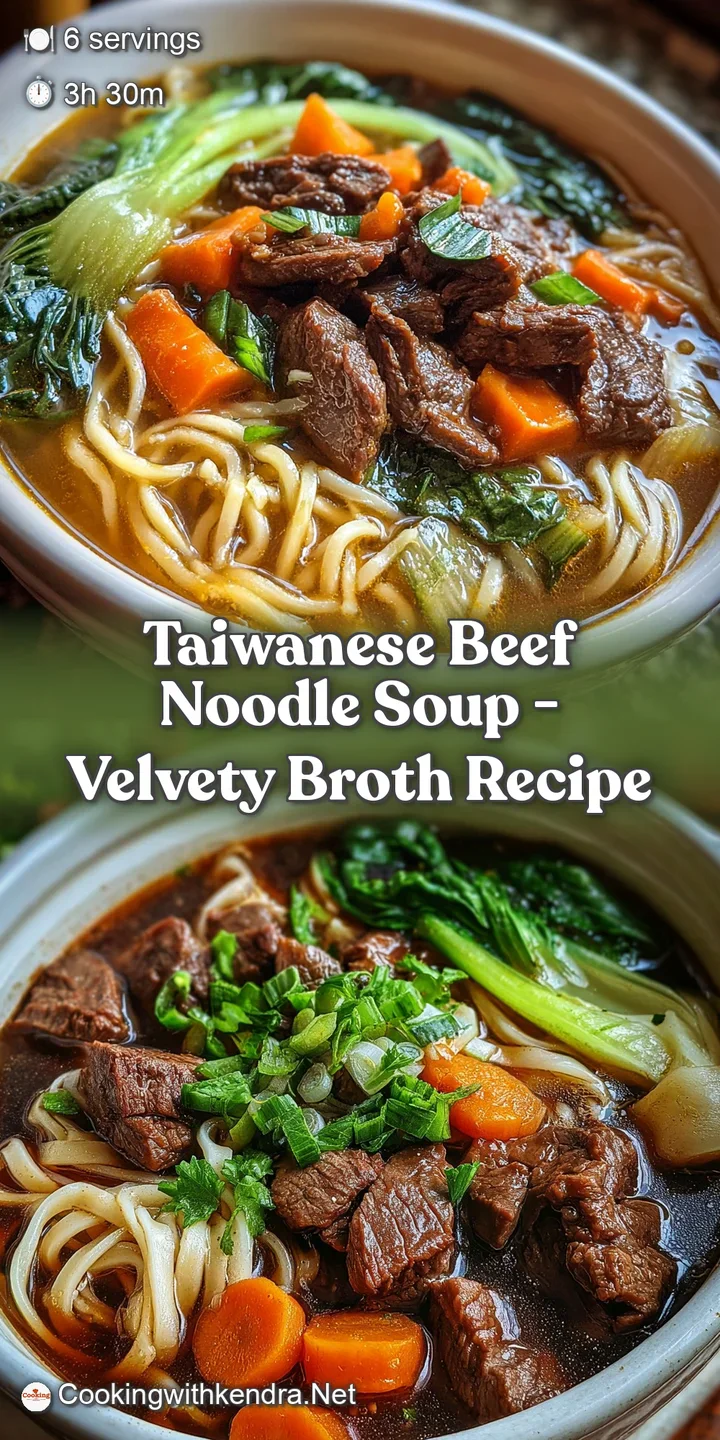
Presentation is half the fun with a bowl of Noodle Soup. I like to use wide, deep ceramic bowls that retain heat well. Start by nesting the noodles in the center, then arrange the beef on one side and the greens on the other. This creates a "landscape" that looks as good as it tastes.
Don't just dump the garnishes on top. Sprinkling the scallions and cilantro right before serving ensures they stay bright green and fragrant. If you're feeling fancy, add a soft boiled egg (marinated in a little soy and mirin if you have time).
The creamy yolk adds a velvety richness that mingles with the broth perfectly. Finally, a drizzle of chili oil or a few fresh chili slices provides a pop of color and a heat that cuts through the richness of the beef.
Trust me, taking an extra minute to plate it makes the meal feel like a special event rather than just a Tuesday night dinner.
Recipe FAQs
What is the secret to a rich Beef Noodle Soup?
Blanching the beef and charring the aromatics. Blanching removes impurities for a clear broth, and charring the ginger and onion builds deep, smoky, savory flavor layers.
Why did Campbell's discontinue Beef Noodle Soup?
No, Campbell's has not officially discontinued their traditional Beef Noodle Soup. They frequently adjust their product lineup based on market demand and ingredient sourcing, which can sometimes lead to temporary shortages or flavor profile changes.
How to add more flavor to Beef Noodle Soup?
Simmer the broth longer with charred aromatics and soy sauce. For maximum depth, use a mix of beef shank and chuck, and ensure you char your ginger and onions until they are blackened.
What spices do you put in Beef Noodle Soup?
Star anise, cinnamon stick, and whole peppercorns are essential. These warming spices, combined with soy sauce and ginger, build the classic aromatic profile.
Is it true I must use only beef shank for the best texture?
No, using a combination yields the best result. While shank breaks down nicely, combining it with beef chuck ensures a more varied and balanced texture in the final bowl.
How to prevent my noodles from turning mushy when I store leftovers?
Always cook noodles separately and store them apart from the broth. The starch released by the noodles will rapidly absorb liquid and degrade texture if stored together.
How to achieve a rich, velvety broth without making it greasy?
Maintain a gentle simmer (160°F-180°F) and consistently skim the surface. This slow process converts collagen to gelatin without emulsifying the fat, keeping the liquid clear and silky; this slow technique is also key to our Beef Gravy Recipe for a smooth finish.
Beef Noodle Soup Classic
Ingredients:
Instructions:
Nutrition Facts:
| Calories | 472 kcal |
|---|---|
| Protein | 42.5 g |
| Fat | 16.8 g |
| Carbs | 31.4 g |
| Fiber | 2.1 g |
| Sugar | 3.2 g |
| Sodium | 218 mg |
