Best Carrot Cake Ever: a Velvety Masterpiece
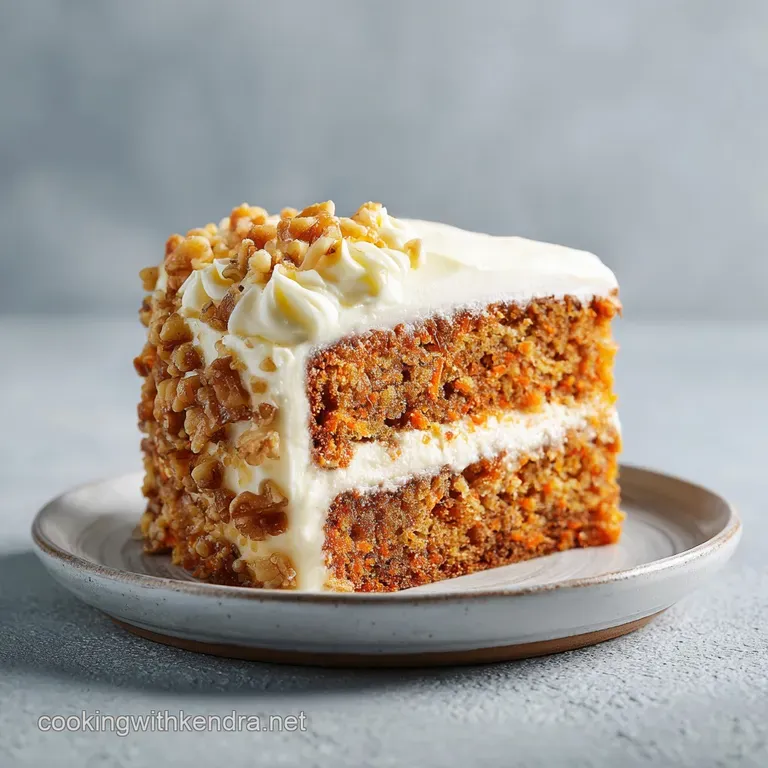
- Time: Active 25 minutes, Passive 35 minutes, Total 60 minutes
- Flavor/Texture Hook: Velvety crumb with a tangy, cloud like frosting and a crunch from toasted pecans.
- Perfect for: Easter Sunday brunch, milestone birthdays, or when you just need some serious southern comfort.
- The Secret Behind the Best Carrot Cake Ever
- Mastering the Core Texture and Science
- Exploring the Primary Component Deep Dive
- Essential Elements for Your Homemade Masterpiece
- Preparing Your Kitchen for Baking Success
- Crafting Your Perfect Layered Dessert Now
- Resolving Potential Texture and Rise Issues
- Adapting the Flavor Profile for Everyone
- Debunking Old School Baking Misconceptions
- Managing Your Leftovers and Extra Scraps
- Presenting Your Masterpiece to the Table
- Recipe FAQs
- 📝 Recipe Card
The Secret Behind the Best Carrot Cake Ever
Forget everything you have been told about carrot cake needing to be a dense, heavy brick of a dessert. There is a common myth floating around that the more "stuff" you cram into the batter raisins, walnuts, pineapple, extra carrots the better the cake will be.
Honestly, that is exactly how you end up with a soggy, weighed down mess that falls apart before it even hits the plate. You don't need a mountain of mix ins to make this work. You need balance.
When I first started baking this, I used to think the carrot was just there for color, but the real magic happens when you treat the carrot as a source of moisture, not just a garnish.
The aroma that fills your kitchen while this bakes is something you can't describe without getting hungry. It's that warm, heady scent of cinnamon and nutmeg hitting the hot oil, mixed with the sweet, tropical hum of the pineapple.
I remember making a version of this years ago that was so dry it felt like eating spiced sawdust. I realized I was over baking the layers and skipping the one ingredient that changes the game: the applesauce.
By swapping a bit of the oil for unsweetened applesauce, you get a crumb that stays soft for days without that greasy film on the roof of your mouth.
We are going for a specific contrast here. You want a crumb that is tender enough to melt, but sturdy enough to hold up that thick, tangy swipe of cream cheese frosting. It’s about the sizzle of the nuts as they toast in the oven and the way the velvety frosting cuts right through the earthy sweetness of the carrots.
This isn't just a cake; it's a mood. It’s the kind of bake that makes people stop talking the second they take a bite. Trust me, once you see those orange flecks peeking through the white frosting, you'll know exactly why this is the only recipe you'll ever need.
Mastering the Core Texture and Science
People often ask why we use oil instead of butter in the best carrot cake ever. It comes down to how the fats behave at different temperatures. Butter is amazing for flavor, but it solidifies when cold.
Since carrot cake is almost always stored in the fridge because of the cream cheese, a butter based cake would turn into a hard block. Oil stays liquid even when chilled, which is why your first bite is just as soft as your last. But we aren't just dumping oil in and hoping for the best.
We’re building an emulsion.
- Emulsion Stability: Beating the eggs into the oil and sugars creates a structured web that holds the heavy carrots and pineapple in suspension so they don't sink to the bottom.
- Hygroscopic Balance: Brown sugar and applesauce pull moisture from the air, ensuring the sponge doesn't dry out even if you accidentally leave it in the oven for an extra two minutes.
- Chemical Leavening: The baking soda reacts instantly with the acidic pineapple juice, creating tiny bubbles that lift the dense batter into something light.
- Enzymatic Softening: Freshly grated carrots release their natural sugars and moisture as they bake, essentially "steaming" the cake from the inside out.
| Method | Time | Texture | Best For |
|---|---|---|---|
| Standard Oven | 35 minutes | Uniform, even crumb with a soft dome | The classic, foolproof layer cake |
| Convection Oven | 30 minutes | Slightly crispier edges, very airy | If you like a bit of "crust" on your cake |
| Cupcake Tin | 18 minutes | High frosting to cake ratio | Parties and portion control |
The interaction between the pineapple and the baking soda is a clever trick many bakers miss. The acidity in the fruit doesn't just add a bright note; it acts as a catalyst. When that soda hits the pineapple juice, it fizzes up, providing that initial "oomph" the cake needs to rise before the eggs set. If you’re looking for another project that uses clever moisture tricks, you might want to see how I handle the Double Crumb Coffee Cake which uses a similar philosophy for its tender base.
Exploring the Primary Component Deep Dive
When we talk about the best carrot cake ever, the quality of your carrots is the hill I am willing to die on. Do not, under any circumstances, buy those pre shredded bags from the grocery store.
Those carrots are treated with preservatives to keep them from turning slimy, which makes them dry and woody. They won't melt into the batter. They’ll just sit there like orange splinters. You want the whole, dirt covered carrots that you have to peel and grate yourself.
It’s a bit of a workout for your arms, but the moisture they bring is irreplaceable.
| Component | Science Role | Pro Secret |
|---|---|---|
| Grated Carrots | Provides structure and natural sugar | Use the fine side of the grater for a "melt in-mouth" feel. |
| Crushed Pineapple | Breaks down gluten for tenderness | Squeeze out half the juice so the batter isn't too runny. |
| Neutral Oil | Keeps the crumb moist at low temps | Avocado oil adds a subtle richness without a heavy aftertaste. |
| Greek Yogurt | Adds tang and stabilizes frosting | Use full fat for the most velvety mouthfeel in the frosting. |
The pineapple is another controversial one, but here’s why it stays. It provides a tropical acidity that cuts through the fat of the oil and the sugar. You don't taste "pineapple" specifically; you just notice that the cake tastes brighter and more complex.
It's a supporting actor that makes the star the carrot shine brighter. And that Greek yogurt in the frosting? It’s my secret weapon for making sure the cream cheese isn't cloyingly sweet. It adds a professional level finish that most home bakes lack.
Essential Elements for Your Homemade Masterpiece
Before you start, make sure all your refrigerated items are at room temperature. If you try to whip cold butter and cream cheese, you’ll end up with little lumps that no amount of whisking can fix. You want that frosting to look like silk.
- 3 cups freshly grated carrots: Roughly 4-5 medium carrots. Why this? Hand grating releases more moisture than a food processor.
- Substitute: Grated parsnips for an earthier, spicy twist.
- 1/2 cup canned crushed pineapple: Partially drained. Why this? Provides acidity for the baking soda to react with.
- Substitute: Extra 1/4 cup applesauce if you truly hate pineapple.
- 2 cups all purpose flour: The foundation of our crumb. Why this? Provides enough protein for structure without being tough.
- Substitute: A 1:1 gluten-free baking blend works surprisingly well here.
- 1 cup granulated sugar: For sweetness and browning. Why this? Helps create a slightly crisp exterior edge.
- Substitute: Cane sugar for a more toasted flavor.
- 1/2 cup light brown sugar: Packed for moisture. Why this? The molasses adds depth and keeps things soft.
- Substitute: Dark brown sugar for a heavier caramel note.
- 3/4 cup neutral oil: Avocado or grapeseed oil is best. Why this? Liquid fat ensures a moist cake even when cold.
- Substitute: Melted coconut oil (but it may firm up in the fridge).
- 1/4 cup unsweetened applesauce: Our secret moisture weapon. Why this? Reduces greasiness while maintaining tenderness.
- Substitute: Mashed banana for a "hummingbird cake" vibe.
- 4 large eggs: Room temperature. Why this? Binds the ingredients and provides lift.
- Substitute: Flax eggs (4 tbsp ground flax + 12 tbsp water), though the rise will be lower.
- 2 tsp baking soda & 1 tsp baking powder: Our lifting agents.
- Spices (Cinnamon, Ginger, Nutmeg): The flavor soul.
- 1/2 cup toasted walnuts or pecans: Added crunch.
- Frosting Components: 16 oz cream cheese, 1/2 cup butter, 2 tbsp Greek yogurt, 2 cups powdered sugar, 1 tbsp vanilla.
Chef's Note: Toast your nuts in a dry pan for 3-5 minutes before adding them to the batter. The heat brings the oils to the surface and makes the "crunch" much more impactful against the soft cake.
Preparing Your Kitchen for Baking Success
You don't need a professional pastry kitchen to pull off the best carrot cake ever, but a few specific tools will make your life a whole lot easier. First off, a good box grater is your best friend.
Use the medium holes for the carrots you want them small enough to soften but large enough to see. If you use a food processor with a shredding disc, just give the carrots a quick chop afterward so the strands aren't three inches long.
For the pans, 9 inch rounds are the standard, but make sure they are at least 2 inches deep. This cake has a significant rise thanks to all that baking soda action. If your pans are shallow, the batter might overflow and cause a smoky mess in your oven. Also, parchment paper is not optional.
Carrot cake is inherently sticky because of the sugar and fruit. If you don't line the bottoms, you’ll be digging your cake out with a spoon.
Finally,, a sturdy silicone spatula is better than a whisk for the final steps. Once you add the flour, you want to fold, not beat. Over mixing at the end is the fastest way to turn a fluffy cake into a rubbery one.
Treat that batter with a little respect, and it’ll reward you with a texture that is absolutely divine.
Crafting Your Perfect Layered Dessert Now
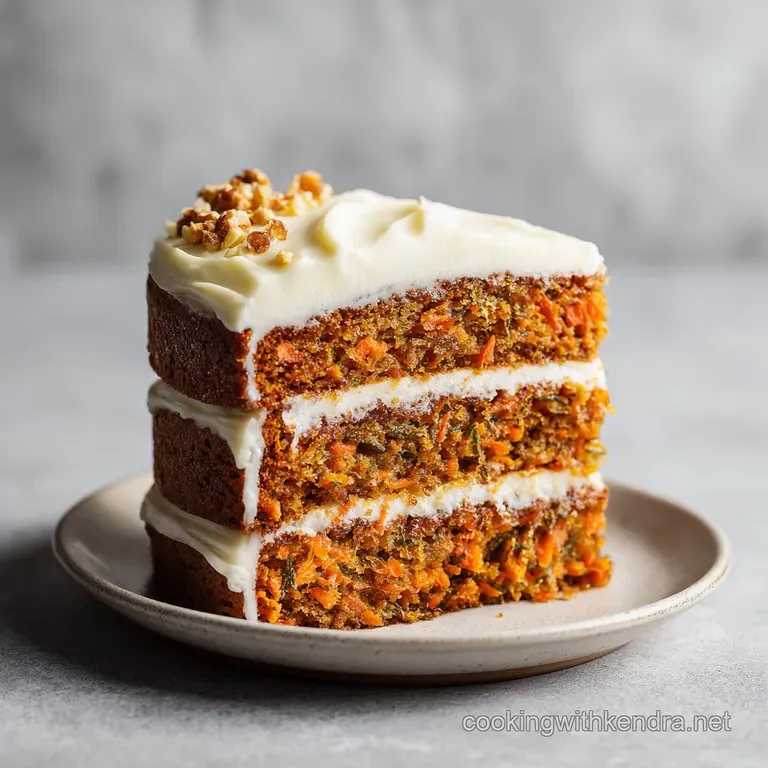
Right then, let's get into the actual baking. The key here is the order of operations. We are building layers of flavor and texture, starting with the wet ingredients to ensure everything is perfectly emulsified before the flour even touches the bowl.
- Preheat your oven to 350°F (175°C). Line two 9 inch round cake pans with parchment paper and grease the sides well. Note: This prevents the edges from catching and sticking.
- In a large bowl, whisk together the neutral oil, unsweetened applesauce, granulated sugar, and brown sugar until smooth. Add the eggs one at a time, beating well after each addition. Watch for the batter to become pale and slightly thickened.
- In a separate bowl, sift together the flour, baking soda, baking powder, cinnamon, ginger, nutmeg, and salt. Note: Sifting removes lumps and ensures the spices are evenly distributed.
- Gradually fold the dry ingredients into the wet batter using a spatula. Stop when you see just a few streaks of flour remaining.
- Gently fold in the 3 cups of freshly grated carrots, the 1/2 cup of partially drained pineapple, and the toasted nuts. Fold until the orange flecks are evenly dispersed.
- Divide the batter evenly between the two prepared pans. Tap them on the counter once to release any large air bubbles.
- Bake for 30–35 minutes. Check at 30 minutes by inserting a skewer; it should come out clean or with a few moist crumbs.
- Allow the layers to cool in the pans for 10 minutes, then turn them out onto a wire rack to cool completely. Note: Frosting a warm cake results in a melted mess.
- Prepare the frosting by whipping the 16 oz of softened cream cheese, 1/2 cup butter, and 2 tbsp Greek yogurt until light and fluffy.
- Gradually add the 2 cups of powdered sugar and 1 tbsp vanilla. Beat until the frosting is silky and holds its shape. Frost the cooled layers generously.
Resolving Potential Texture and Rise Issues
Even with the best carrot cake ever, things can go sideways if the environment isn't quite right. The most common heartbreak is the sunken middle. Usually, this happens if you open the oven door too early to "peek." That sudden rush of cool air collapses the air bubbles before the cake's structure has set.
Another culprit is expired baking soda. If your soda has been sitting in the back of the pantry since the last presidency, throw it out and buy a fresh box.
Why Your Cake Is Dense or Heavy
If your cake feels more like a muffin and less like a cloud, you likely over mixed the batter. Once flour meets liquid, gluten starts to develop. A little gluten is good for structure; a lot of gluten makes a "tough" cake. Another reason could be the carrots.
If they were too wet (especially if you used a food processor and they turned into a mash), that extra liquid weighs down the crumb.
| Problem | Root Cause | Solution |
|---|---|---|
| Cake Sinks in Middle | Under baked or opened oven too soon | Bake until a skewer is clean; don't open door before 25 mins. |
| Greasy Bottom | Oil wasn't fully emulsified with eggs | Whisk the oil and eggs for a full 2 minutes before adding flour. |
| Green Specks in Cake | Baking soda touched a carrot directly | Sift your dry ingredients thoroughly to distribute the soda. |
Common Mistakes Checklist
- ✓ Always use room temperature eggs (cold eggs won't emulsify with the oil correctly).
- ✓ Pat your pineapple dry with a paper towel before adding (prevents excess liquid).
- ✓ Don't skip the salt it's what makes the spices and carrots actually taste like something.
- ✓ Let the cake cool for at least 2 hours before frosting. If the cake is even slightly warm, the butter in the frosting will liquefy.
Adapting the Flavor Profile for Everyone
One of the reasons this is the best carrot cake ever is its versatility. You can tweak the "extras" without ruining the chemistry of the sponge. If you’re a fan of a more "loaded" cake, you can add 1/2 cup of golden raisins.
To make them plump and juicy, soak them in a little warm bourbon or hot water for 10 minutes before folding them in.
If you're looking to scale this recipe up for a big crowd, it doubles beautifully. Just keep in mind that a larger volume of batter takes longer to reach the center. When doubling, I suggest using three 9 inch pans instead of two very deep ones to ensure even baking. If you're looking for a different kind of crowd pleaser, my Applesauce Cake offers a similar moist profile but with a focus on autumn spices.
Adjusting for Different Pan Sizes
- For a 9x13 Sheet Cake: Bake for 35-40 minutes. It's much easier for transport!
- For Cupcakes: Fill liners 3/4 full and bake for 18-22 minutes. This yield about 24-28 cupcakes.
- For a Bundt Pan: Grease and flour the pan heavily. Bake for 50-60 minutes at 325°F (165°C) to prevent the outside from burning before the inside is done.
| Premium Ingredient | Budget Alternative | Flavor Impact | Savings |
|---|---|---|---|
| Pure Vanilla Bean | Vanilla Extract | Minor; extract is great for baking | $5 - $10 |
| Pecans | Toasted Sunflower Seeds | Adds nut free crunch; slightly earthier | $3 - $5 |
| Avocado Oil | Vegetable or Canola Oil | Virtually none in a spiced cake | $4 - $6 |
Debunking Old School Baking Misconceptions
We’ve all heard the "rules" of baking that feel more like superstitions. Let's clear some up. First, people often think you have to peel carrots. You don't! If you scrub them well with a brush, the skin is perfectly fine and actually contains a lot of flavor.
However, if they are very old carrots, the skin can be bitter, so use your best judgment.
Another big one is the "sifting" debate. Some say it's a waste of time. In a cake like this, where you have heavy ingredients like carrots and nuts, you need the flour to be as light as possible to help the lift. Sifting also ensures you don't bite into a clump of baking soda, which is a metallic tasting nightmare.
Finally, the idea that you "must" use full fat cream cheese. Okay, this one isn't a myth. You actually do need the full fat brick. low-fat or "spreadable" cream cheese has a higher water content and different stabilizers.
If you use the tub version, your frosting will turn into a runny glaze that slides right off the sides of the cake. Stick to the bricks, friends.
Managing Your Leftovers and Extra Scraps
Carrot cake is one of the few desserts that actually tastes better on day two. The moisture from the carrots and pineapple migrates into the crumb, and the spices mellow out.
- Storage: Keep the frosted cake in an airtight container in the fridge for up to 5 days. The cream cheese requires refrigeration, but let the slice sit on the counter for 15 minutes before eating so the oil can soften up.
- Freezing: You can freeze the unfrosted layers for up to 3 months. Wrap them tightly in plastic wrap and then foil. To freeze a frosted cake, put it in the freezer for 1 hour to "set" the frosting, then wrap it.
- Zero Waste: Don't toss those carrot peels or ends! You can throw them into a bag in the freezer for making vegetable stock later. Also, if you have leftover frosting, it makes an incredible dip for apple slices or a topping for morning oatmeal.
Presenting Your Masterpiece to the Table
When it comes to serving the best carrot cake ever, I like to keep it simple but rustic. A light dusting of extra cinnamon on top or a handful of chopped pecans around the base of the cake gives it that "bakery shop" look without needing professional piping skills.
Because this cake is so rich and flavorful, it pairs beautifully with a sharp, black coffee or a cold glass of milk.
If you are serving this for a special occasion, consider a side of lightly sweetened whipped cream or even a small scoop of vanilla bean ice cream. The cold creaminess against the spiced cake is a match made in heaven. For those who love a variety of treats on the table, this cake sits beautifully alongside something equally decadent like my Almond Joy Cake, offering a nice contrast between the earthy carrot and the tropical coconut flavors.
There is nothing quite like the feeling of placing a tall, frosted cake in the center of the table and watching everyone’s eyes light up. It’s a labor of love, sure, but once you taste that first velvety bite, you’ll realize every second of grating those carrots was worth it.
Now, go grab your apron and let's get baking your kitchen is about to smell incredible!
Recipe FAQs
What is the secret to a good carrot cake?
Use fresh, hand grated carrots and room temperature eggs. Fresh carrots provide superior moisture and sweetness, while room temperature eggs ensure a stable emulsion with the oil for a perfect, tender crumb.
Why is it called divorce carrot cake?
This is a common misconception; the recipe has no formal connection to divorce. It is likely a hyperbolic name given to recipes so indulgent that people joke they are worth ending a marriage over.
Can you eat carrot cake with diabetes?
No, this cake is high in sugar and carbohydrates. Individuals managing diabetes should consult a healthcare provider regarding portion sizes or sugar substituted alternatives, as this traditional recipe uses significant amounts of granulated and powdered sugar.
Which carrot cake mix is better, Duncan Hines or Betty Crocker?
Scratch made is significantly better than any boxed mix. By using your own spices and fresh carrots, you achieve a depth of flavor and texture that commercial preservatives cannot replicate.
How to keep the frosting from melting when applied?
Cool the cake layers completely for at least two hours before frosting. If you enjoyed mastering the sensory doneness cues here, apply that same patience to cooling, which ensures the butter in your cream cheese frosting stays firm and stable.
How to ensure the cake doesn't turn out soggy?
Pat your crushed pineapple dry with a paper towel before mixing. Removing excess liquid is crucial because the recipe relies on a precise balance of oil and applesauce to maintain structural integrity.
How to avoid a sunken center in the cake?
Add eggs one at a time and beat well after each addition. This process creates a stable emulsion that supports the structure of the batter, preventing the center from collapsing during the 30 35 minute bake time.
Best Carrot Cake Ever
Ingredients:
Instructions:
Nutrition Facts:
| Calories | 559 kcal |
|---|---|
| Protein | 6.8 g |
| Fat | 33.8 g |
| Carbs | 59.2 g |
| Fiber | 1.8 g |
| Sugar | 42.1 g |
| Sodium | 285 mg |
