Best Chicken Rub Recipe: Smoky Sweet Flavor
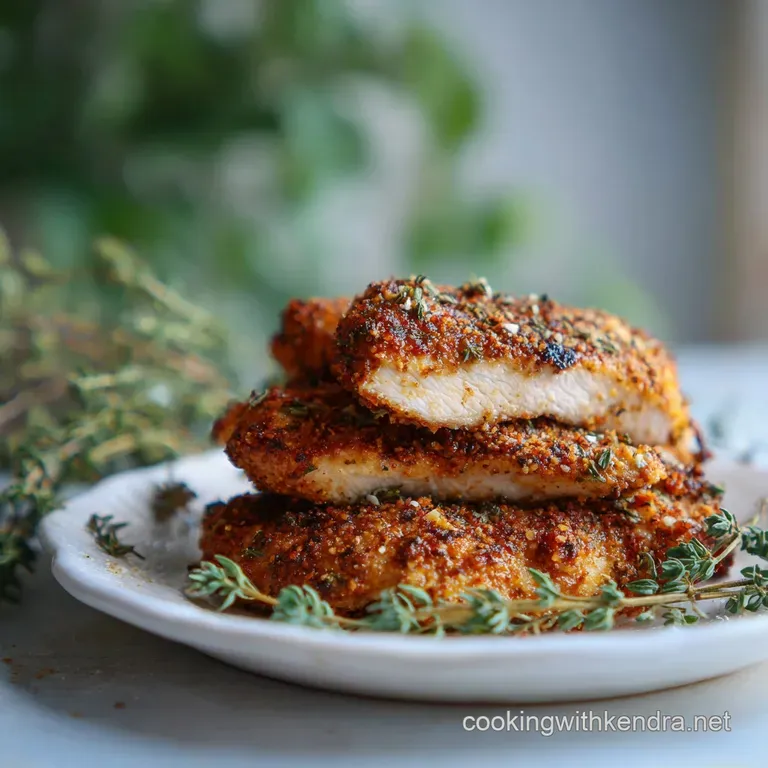
- Time: Active 5 minutes, Passive 0 minutes, Total 5 minutes
- Flavor/Texture Hook: Smoky sweet with a satisfyingly crispy shatter
- Perfect for: Weeknight dinners, backyard grilling, and big batch meal prep
- The Secret to a Perfect Chicken Rub Recipe
- The Science Behind Creating an Addictive Crust
- Deep Dive Into Each Specific Spice Component
- Essential Ingredients for This Balanced Flavor
- Necessary Kitchen Tools for Blending Spices
- Preparation Flow and Rub Application Steps
- Avoiding Mistakes and Maximizing Sizzling Flavor
- Easy Variations for Every Family Meal
- Keeping Your Spice Blend Fresh and Potent
- Perfect Side Dish Pairings for Family Dinners
- Chicken Rub Recipe FAQs
- 📝 Recipe Card
The Secret to a Perfect Chicken Rub Recipe
You know that sound? That aggressive, high pitched sizzle the second a seasoned chicken breast hits a hot cast iron skillet? It's music to my ears. For the longest time, I was the queen of "gray chicken." I’d throw some unseasoned meat in a pan, wait for it to cook, and then wonder why it looked like it had been through a car wash instead of a kitchen.
It was sad, rubbery, and completely devoid of soul. My family would politely push it around their plates, and I’d end up drowning it in bottled BBQ sauce just to make it edible.
Everything changed the day I stopped relying on liquids and started trusting the dry rub. I remember standing in my kitchen, experimenting with different ratios of brown sugar and paprika, the air thick with the earthy, sweet aroma of smoked peppers.
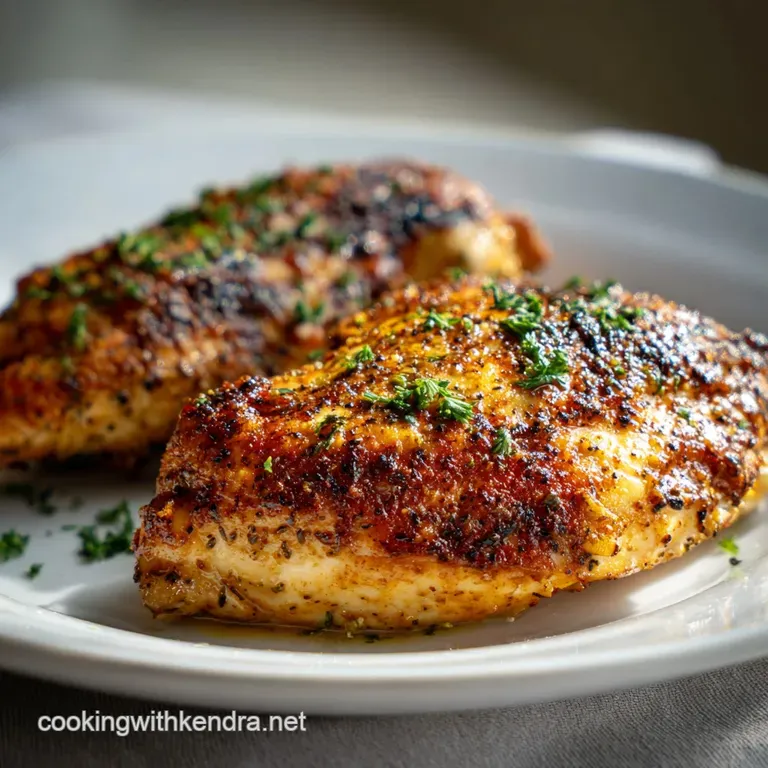
I finally nailed this specific blend, and the first time I used it, the skin didn't just brown it transformed. It became a dark, mahogany crust that shattered when you bit into it, giving way to meat so juicy it actually glowed.
I’m sharing this because you don't need a culinary degree to stop making boring dinner. You just need a jar of this stuff sitting in your cupboard. This isn't just a seasoning; it's a safety net for busy weeknights.
Whether you’re throwing thighs in the oven or searing breasts on the stovetop, this rub does the heavy lifting so you don't have to.
The Science Behind Creating an Addictive Crust
The Physics of the Bark: Salt triggers osmosis, drawing moisture to the surface where it dissolves the sugar and spices into a concentrated brine that then re absorbs, seasoning the meat deeply.
As the heat climbs, the brown sugar undergoes the Maillard reaction and caramelization, creating a complex, crispy "bark" that traps steam inside the muscle fibers.
| Method | Cook Time | Texture Outcome | Best For |
|---|---|---|---|
| Stovetop | 12-15 minutes | Maximum crunch and charred edges | Boneless breasts and cutlets |
| Oven Roast | 25-35 minutes | Even browning and tender skin | Bone in thighs or whole birds |
| Air Fryer | 18-22 minutes | Super crispy, crackling exterior | Wings and drumsticks |
While the oven is fantastic for hands off cooking, nothing beats the stovetop for that immediate, intense sear. If you are looking for a more involved meal after mastering the dry rub, you might enjoy the technique used in my Skillet Chicken with recipe which builds flavor right in the pan.
Deep Dive Into Each Specific Spice Component
| Ingredient | Science Role | Pro Secret |
|---|---|---|
| Brown Sugar | Carries the Maillard reaction | Pack it tight to ensure the molasses content keeps the rub "sticky." |
| Smoked Paprika | Provides fat soluble color | Use high-quality Spanish pimentón for a velvety, deep red hue. |
| Kosher Salt | Denatures protein | The large flakes dissolve slowly, preventing the meat from becoming tough. |
| Dry Mustard | Acts as an emulsifier | It adds a sharp "back of-the throat" heat that cuts through the sugar. |
When blending these, I always notice how the coarse black pepper provides a gritty texture that helps the finer powders adhere. It's not just about flavor; it's about building a structural layer on the meat that won't just slide off the moment it hits the oil.
Essential Ingredients for This Balanced Flavor
- 4 tbsp brown sugar, packed (50g): The base for caramelization. Why this? The molasses creates a sticky surface that holds other spices in place.
- Substitute: Coconut sugar. Adds a similar depth but is slightly less sweet.
- 3 tbsp smoked paprika (21g): For that "just off-the grill" aroma. Why this? It provides a vibrant color that makes the chicken look professional.
- Substitute: Sweet paprika + a drop of liquid smoke on the meat.
- 2 tbsp kosher salt (30g): To draw out the natural juices. Why this? Kosher salt is easier to pinch and control than fine table salt.
- Substitute: Sea salt. Use 1.5 tbsp as it is finer and saltier by volume.
- 2 tbsp garlic powder (19g): For an instant savory punch.
- Substitute: Granulated garlic for a less powdery texture.
- 1 tbsp onion powder (10g): Rounds out the savory profile.
- Substitute: Shallot powder for a more sophisticated, French leaning taste.
- 1 tbsp coarse black pepper (7g): For heat and texture.
- Substitute: White pepper if you want a more subtle, earthy bite.
- 1 tsp dried oregano (1g): Adds a faint herbal note.
- Substitute: Dried thyme or marjoram.
- 1 tsp dry mustard powder (2g): Cuts through the sweetness.
- Substitute: A tiny pinch of ground ginger for a similar zing.
- 0.5 tsp cayenne pepper (1g): Just enough to wake up the palate.
- Substitute: Red pepper flakes, crushed finely with a mortar and pestle.
Necessary Kitchen Tools for Blending Spices
You don't need fancy gear, but a small whisk is a total life saver here. It breaks up those stubborn clumps of brown sugar that like to hide at the bottom of the bowl. I usually use a wide mouth Mason jar for mixing because I can just put the lid on and give it a violent shake - it's great stress relief after a long day of school runs and errands.
A clean, dry workspace is vital. Any moisture in your bowl will turn your spice rub into a spice paste before it ever touches the chicken. I also recommend a "dedicated" rub spoon. Never double dip a spoon that has touched raw meat back into your master spice jar. It's a quick way to spoil the whole batch.
Preparation Flow and Rub Application Steps
- Dry the meat. Pat the chicken completely dry with paper towels. Note: Moisture is the enemy of a good sear; wet skin will steam rather than crisp.
- Combine the base. Whisk the 4 tbsp brown sugar and 2 tbsp kosher salt in a small bowl.
- Add the aromatics. Stir in the garlic powder, onion powder, and smoked paprika. Whisk until the color is a uniform deep orange.
- Incorporate the accents. Add the oregano, mustard powder, black pepper, and cayenne.
- Break the clumps. Use the back of a spoon to smash any remaining sugar balls against the side of the bowl.
- Coat the chicken. Sprinkle the rub generously over the meat from about 6 inches above. Note: This ensures even coverage without heavy spots.
- Press it in. Gently press the spices into the meat with your palm until the rub looks damp from the chicken's surface moisture.
- Wait a moment. Let the seasoned chicken sit for 10 minutes at room temperature.
- Heat the pan. Add oil to your skillet and wait until you see the first wisps of smoke.
- Cook to temp. Sear the chicken until the internal temperature hits 165°F (74°C) and the crust is dark and glistening.
Avoiding Mistakes and Maximizing Sizzling Flavor
The biggest mistake I ever made was being too shy with the seasoning. I used to think a light dusting was enough, but for a truly "shatter crisp" skin, you need to be bold. If you can still see the pink of the chicken through the rub, you haven't used enough.
Why Your Chicken Rub Recipe Is Burning
If the sugar in the rub burns before the chicken is cooked through, your heat is too high or your pan is too thin. Sugar burns at 350°F (175°C). In a thin pan, hot spots will char the rub into a bitter black mess.
| Problem | Root Cause | Solution |
|---|---|---|
| Rub falls off in the pan | Meat was too wet | Pat dry and let it sit for 10 mins after seasoning to "tack up." |
| Flavor is one dimensional | Spices are stale | Toast the rub in a dry pan for 30 seconds before applying. |
| Bitter aftertaste | Sugar burnt too fast | Reduce heat to medium and use a heavy bottomed skillet. |
Once you've mastered the sear, you can use these same principles for other family favorites. For a more comforting, sauce based meal, this rub actually makes a great base for the chicken used in a Chicken Noodle Casserole recipe.
Common Mistakes Checklist
- ✓ Never skip the pat dry step - steam is the enemy of the crust.
- ✓ Don't overcrowd the pan; leave at least 2cm between pieces so they sear.
- ✓ Use a neutral oil with a high smoke point, like avocado or canola.
- ✓ Check your spice expiration dates; if they don't smell like anything, they won't taste like anything.
- ✓ Let the meat rest for 5 minutes after cooking to keep the juices inside the crust.
Easy Variations for Every Family Meal
If your family is anything like mine, someone is always asking for "something different." You can easily pivot this recipe. To make it "Fiesta Style," swap the oregano for ground cumin and add the zest of one lime directly into the rub. It’s vibrant and perfect for taco night.
For those looking for a keto friendly version, simply omit the brown sugar. You won't get the same mahogany bark, but the spices will still provide a massive flavor hit. I sometimes add a teaspoon of espresso powder to the mix when I'm smoking a whole chicken - it sounds weird, but it adds a velvety depth that people can never quite identify.
Chef's Tip: If you have 10 extra minutes, "bloat" your spices. Mix the rub with a tablespoon of oil to form a paste before rubbing it on. This helps the fat soluble flavors in the paprika and pepper bloom immediately.
Keeping Your Spice Blend Fresh and Potent
This recipe makes about 20 servings, so unless you're feeding an army, you'll have leftovers. Store the blend in a glass jar away from the stove. Heat and steam from your cooking are the fastest ways to kill the flavor of your spices. I keep mine in a dark pantry.
If you find the rub has clumped together after a month, don't throw it out! The sugar has just absorbed some ambient humidity. Give it a quick pulse in a spice grinder or even a blender to return it to its powdery glory.
To reduce waste, I often use the last tablespoon of a batch to season roasted chickpeas or even popcorn for a savory snack.
Perfect Side Dish Pairings for Family Dinners
This chicken rub recipe is versatile enough to go with almost anything, but I love pairing it with something acidic to balance the sweetness of the brown sugar. A bright coleslaw or a vinegar based potato salad works wonders.
- Decision Shortcut:
- If you want maximum crunch, use this rub on chicken wings in the air fryer.
- If you want a quick meal, use it on thin cut cutlets for a 10 minute dinner.
- If you want a "wow" factor, rub it under the skin of a whole roasting bird.
The Myth of "Sealing in Juices"
Many people believe that searing meat at high heat "seals" the moisture inside. This is actually a myth. Searing is entirely about the Maillard reaction - developing flavor and texture on the surface.
Moisture loss actually increases at higher temperatures, which is why resting the meat is the only way to ensure it stays juicy.
Does Salt Dry Out the Meat?
There's a common fear that salting meat too early will make it dry. While salt does draw moisture out initially, if you wait at least 40 minutes (or just 10 in a pinch), that moisture dissolves the salt and is re absorbed into the muscle fibers. This actually makes the chicken more tender, not drier.
Precision Checkpoints for Success
- Prep Time: Ensure you spend a full 5 minutes thoroughly mixing the spices to avoid "salt pockets."
- Internal Temp: Pull the chicken at 160°F (71°C); carryover cooking will bring it to the safe 165°F (74°C) as it rests.
- Resting: A minimum of 5 minutes rest time is mandatory to prevent the juices from flooding the plate.
Whether you're a seasoned pro or just trying to get a decent meal on the table between soccer practice and homework, this rub is your new best friend. It’s reliable, bold, and honestly, it just works. Trust me, once you see that first golden brown crust, you’ll never go back to plain chicken again.
Chicken Rub Recipe FAQs
What's a good rub for chicken?
The blend described here is excellent. It balances smoked paprika, brown sugar for caramelization, and savory elements like garlic and onion powder for a deep, savory crust.
What is the most popular seasoning for chicken?
Salt, pepper, and garlic powder is the basic most popular combination. However, for restaurant quality flavor, smoked paprika and brown sugar are crucial additions that elevate simple seasoning.
How do you make homemade chicken seasoning?
Combine 4 parts brown sugar to 3 parts smoked paprika, then add 2 parts salt and 2 parts garlic powder. Mix in smaller amounts of onion powder, pepper, mustard, oregano, and cayenne for depth.
How long do you let dry rub sit on chicken?
A minimum of 10 minutes is required, but 40 minutes is ideal. This allows the salt to initiate the process of drawing moisture to the surface, which then reabsorbs the spices for deeper flavor penetration.
Will adding brown sugar to a rub cause the chicken to burn?
Yes, it can burn if the heat is too high. Sugar caramelizes quickly; you must cook the chicken over medium heat on the stovetop or monitor it closely in the oven to achieve a dark crust without bitterness.
Can I use this dry rub recipe if I am slow cooking the chicken?
Yes, the rub works well for slow cooking, though the crust won't form. If you want a saucier outcome, you can use this blend as a base seasoning and then thin it out with broth, similar to the technique used in the Chicken Marsala Recipe.
How do I prevent the rub from sliding off the chicken before I cook it?
Pat the chicken completely dry first, then gently press the rub into the meat. The surface moisture left after blotting creates a tacky layer that holds the spices firmly in place during cooking.
Best Chicken Rub Recipe
Ingredients:
Instructions:
Nutrition Facts:
| Calories | 19 kcal |
|---|---|
| Protein | 0.4 g |
| Fat | 0.2 g |
| Carbs | 4.4 g |
| Fiber | 0.5 g |
| Sugar | 2.5 g |
| Sodium | 685 mg |
