Skirt Steak Marinade: Velvety & Smoky
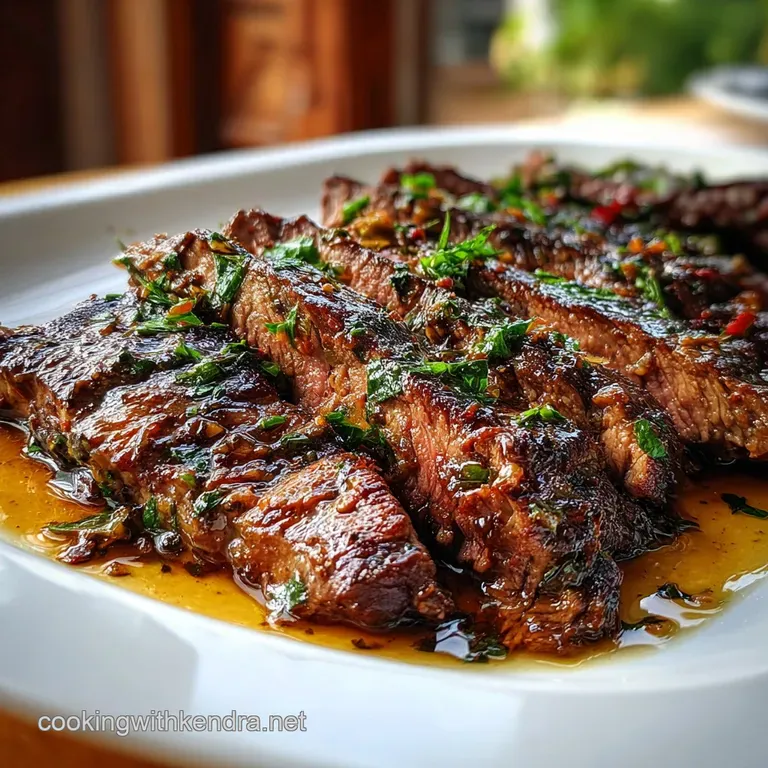
- Time: Active 30 minutes, Passive 30 minutes, Total 1 hours
- Flavor/Texture Hook: Smoky, citrus forward, and velvety
- Perfect for: over High heat grilling or fast weeknight cast iron searing
- Create a Tangy Skirt Steak Marinade
- The Chemistry of Acid Softening
- Component Analysis and Flavor Roles
- Essential Spices and Liquid Swaps
- Prepping Your Cast Iron Gear
- Searing for Maximum Surface Char
- Fixing Common Searing Flaws
- Simple Dietary and Flavor Adjustments
- Smart Fridge and Freezer Storage
- Pairing with Fresh Summer Sides
- Recipe FAQs
- 📝 Recipe Card
Create a Tangy Skirt Steak Marinade
The hiss and sizzle of cold beef hitting a 500 degree grate is easily my favorite summer soundtrack. I remember the first time I tried making skirt steak for a family gathering - I thought I could just throw some salt on it and call it a day. The result was basically leather.
I spent the next twenty minutes watching my cousins politely chew the same bite for what felt like an eternity. It was a total kitchen fail that sent me down a rabbit hole of acid ratios and enzyme activity.
We've all been there, standing over a grill, hoping the center is tender while the outside looks like charcoal. But this Skirt Steak Marinade is the fix for all those "chewy meat" nightmares.
It uses a specific blend of lime juice and red wine vinegar to chemically tenderize the fibers, paired with honey to encourage that dark, beautiful crust we all crave. You don't need a fancy outdoor setup to make this work, either. A heavy pan and some patience will get you there.
What I love most about this specific blend is how it balances the salt from the soy sauce with the earthy hum of toasted cumin. It isn't just a liquid you soak meat in - it's a structural transformation.
By the time the steak hits the heat, the proteins are primed to relax, giving you that melt in-your mouth experience that usually costs fifty bucks at a steakhouse. Let's get into why this works so well.
The Chemistry of Acid Softening
Proteolysis Trigger: The combination of lime juice and vinegar denatures the tough collagen sheaths surrounding the muscle fibers, effectively "pre chewing" the meat.
Emulsified Adhesion: Whisking the oil into the soy sauce creates a stable emulsion that clings to the steak's irregular surface rather than pooling at the bottom of the bag.
Maillard Acceleration: Honey provides the reducing sugars necessary to trigger rapid browning at high temperatures, creating a complex, savory crust in under eight minutes.
| Thickness | Internal Temp | Rest Time | Visual Cue |
|---|---|---|---|
| 1/2 inch | 130°F (Med Rare) | 5 minutes | Deep brown crust, red center |
| 3/4 inch | 135°F (Medium) | 7 minutes | Charred edges, pink center |
| 1 inch | 145°F (Med Well) | 10 minutes | Firm touch, hint of pink |
When you're dealing with a thin cut like skirt steak, those internal temperatures move fast. I usually pull the meat off the heat about 5 degrees before my target because carryover cooking is very real here.
If you wait until it hits 135°F on the grill, you'll be eating medium well by the time you sit down at the table.
Component Analysis and Flavor Roles
| Ingredient | Science Role | Pro Secret |
|---|---|---|
| Lime Juice | Primary Acid | Use fresh limes only - bottled juice lacks the bright, volatile oils found in the zest. |
| Soy Sauce | Brine & Umami | The salt in soy sauce travels deeper into the meat than dry salt alone through osmosis. |
| Extra Virgin Olive Oil | Fat Carrier | Fat carries the flavor of the garlic and paprika into the fat soluble parts of the beef. |
| Honey | Browning Agent | A tiny amount of sugar is the difference between a grey steak and a dark, caramelized one. |
Essential Spices and Liquid Swaps
Choosing the right components for your Skirt Steak Marinade makes a massive difference in the final bite. I always reach for low sodium soy sauce because it allows me to control the saltiness without sacrificing that deep umami base.
If you use the full salt version, you might find the end result a bit too aggressive on the palate.
- 1.75 lbs skirt steak, trimmed: The star of the show. Make sure to remove any excess silver skin.
- 1/3 cup low sodium soy sauce: Provides the salty backbone. Why this? It seasons the meat deeply while adding savory depth.
- 1/4 cup extra virgin olive oil: Helps with heat transfer. Why this? Prevents sticking and carries aromatic flavors.
- 2 tbsp Worcestershire sauce: Adds fermented complexity. Why this? Anchovies and tamarind add a "steakhouse" finish.
- 1 tbsp honey: For balance. Why this? Counteracts the sharp acids and aids caramelization.
- 6 cloves garlic, minced: The aromatic punch. Why this? Garlic is non negotiable for a classic savory profile.
- 1 tsp toasted cumin powder: Earthy notes.
- 1 tsp smoked paprika: For a "grilled" flavor even if using a stove.
- 1/2 tsp coarse black pepper: Basic seasoning.
- 1/4 tsp red pepper flakes: Just enough heat to wake up the tongue.
- 1/4 cup freshly squeezed lime juice: The main tenderizer.
- 1 tbsp red wine vinegar: Secondary acid for a different flavor profile.
| Original Ingredient | Substitute | Why It Works |
|---|---|---|
| Low Sodium Soy Sauce | Tamari | Same salt/umami profile. Note: Keeps the recipe gluten-free without changing the taste. |
| Honey | Maple Syrup | Similar sugar content. Note: Adds a slightly woodier, autumnal sweetness to the beef. |
| Red Wine Vinegar | Apple Cider Vinegar | High acidity level. Note: Adds a fruity note that pairs well with the lime. |
If you're looking for a similar vibe but with a different cut, this marinade actually works beautifully on a Juicy Flank Steak recipe. Just keep in mind that flank is thicker, so you'll want to extend the marinating time by at least an hour to let those acids really do their job.
Prepping Your Cast Iron Gear
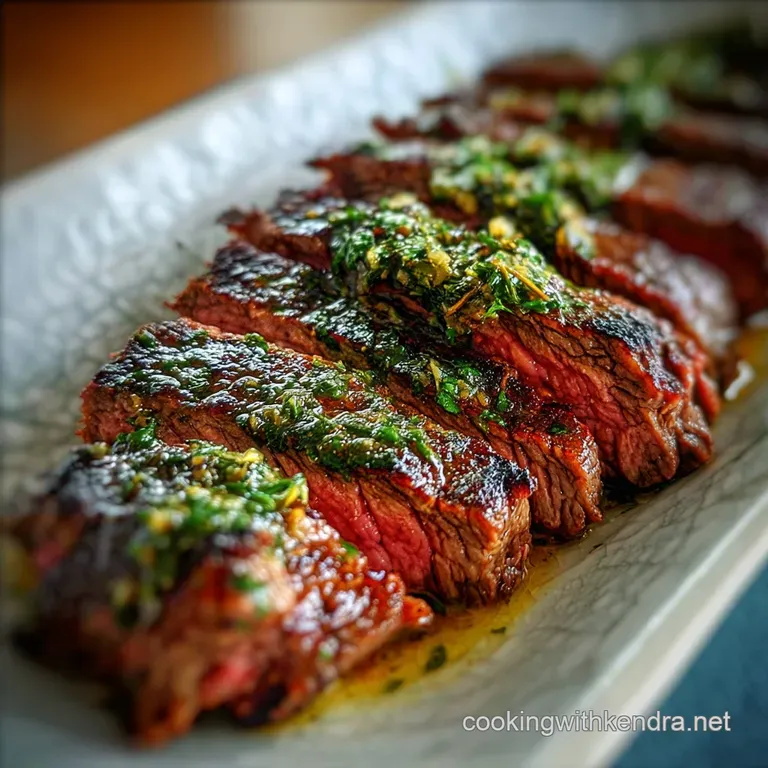
You don't need a professional kitchen, but a few basics help. A heavy cast iron skillet is my go to because it holds heat like a champion, which is vital for getting that "shatter" on the crust without overcooking the inside. If you're grilling, make sure your grates are scrubbed clean.
Any old bits of food will cause the steak to stick, and you'll lose that precious charred surface when you try to flip it.
Chef's Tip: Use a microplane to grate your garlic directly into the marinade. It creates a paste that distributes the flavor much more evenly than mincing with a knife, and it won't fall off the steak as easily during the sear.
I also recommend a pair of long tongs. Skirt steak is long and floppy, and you need to be able to move it around with confidence. If you're working indoors, turn your exhaust fan on high before the meat even touches the pan.
This recipe creates a lot of smoke due to the sugars in the honey, but that smoke is exactly what gives it that outdoor flavor.
Searing for Maximum Surface Char
- Combine the soy sauce, olive oil, Worcestershire, honey, lime juice, and vinegar in a medium bowl. Note: Use a whisk to ensure the honey is fully dissolved and the oil is emulsified.
- Stir in the minced garlic, cumin, smoked paprika, black pepper, and red pepper flakes until the mixture looks dark and glossy.
- Place the 1.75 lbs skirt steak in a large gallon sized bag or a shallow glass dish.
- Pour the marinade over the steak. Note: Massage the bag to ensure every inch of the meat is coated.
- Seal and refrigerate for at least 30 minutes. Note: Don't go over 8 hours, or the lime juice will turn the meat mushy.
- Remove the steak from the fridge 20 minutes before cooking. Note: Bringing it to room temperature ensures an even sear.
- Preheat a cast iron skillet or grill over high heat until a drop of water flicked onto it dances and evaporates instantly.
- Remove steak from marinade and pat dry with paper towels. Note: Moisture is the enemy of a good crust.
- Sear the steak for 3-4 minutes per side until a deep, dark brown crust forms.
- Transfer to a cutting board and let rest for 10 minutes. Note: This allows the juices to redistribute so they don't flood the board when you slice.
Fixing Common Searing Flaws
Why Your Steak Looks Grey
If your steak comes out looking more like boiled wool than a grilled masterpiece, it’s usually a moisture issue. If the surface of the meat is wet when it hits the pan, it will steam instead of sear. Always pat the meat bone dry with paper towels right before cooking.
Why the Meat is Tough
Skirt steak has long, coarse fibers. If you slice it the wrong way, you’re essentially eating rope. The "fix" happens at the cutting board, not the stove. Look for the direction the lines are running in the meat and cut across them, not with them.
| Problem | Root Cause | Solution |
|---|---|---|
| Bitter flavor | Burnt garlic | Wipe off excess garlic bits before searing; they burn faster than the meat. |
| Rubbery texture | Over marinating | Limit marinating time to under 8 hours to prevent acid from "cooking" the proteins. |
| Uneven cooking | Cold meat | Let the steak sit at room temperature for 20 minutes before it hits the pan. |
- ✓ Pat the steak completely dry before searing (prevents steaming)
- ✓ Preheat your pan for at least 3-5 minutes on high
- ✓ Don't overcrowd - if your steak is too long, cut it in half and cook in batches
- ✓ Always slice against the grain for maximum tenderness
- ✓ Use a high smoke point oil like avocado oil if the olive oil smokes too much
Simple Dietary and Flavor Adjustments
If you are cooking for a crowd with different needs, this Skirt Steak Marinade is actually quite flexible. For a keto friendly version, simply swap the honey for a few drops of liquid stevia or just omit it entirely; the steak will still be velvety, though it won't brown quite as fast. If you're looking for a vegetarian alternative, this same liquid mix is fantastic for a BalsamicMarinated Portobello Steaks Recipe. Mushrooms have a similar porous structure that drinks up the soy and lime beautifully.
When scaling this recipe for a big BBQ, keep the "1.5x rule" in mind for the spices. If you double the meat to 3.5 lbs, you don't necessarily need to double the cumin and pepper flakes. I usually start with 1.5 times the spices and then taste the liquid before adding it to the raw meat.
However, you should double the liquids (soy, oil, lime juice) fully to ensure everything gets a good soak.
| Premium Option | Budget Option | Flavor Impact | Savings |
|---|---|---|---|
| Fresh Lime Juice | Bottled Lime Juice | Less "zing," more muted citrus | Save $2-3 |
| EVOO | Vegetable Oil | Neutral flavor vs. fruity notes | Save $1-2 |
| Skirt Steak | Flap Meat | Very similar texture and flavor | Save $4-6 per lb |
Smart Fridge and Freezer Storage
Storing your Skirt Steak Marinade (and the meat!) correctly is the key to a stress free dinner. You can actually freeze the steak directly in the marinade. The freezing process slows down the acid's work, meaning you won't end up with mushy meat even if it stays in the freezer for a month.
- Fridge: Store leftovers in an airtight container for up to 3 days. The flavor actually intensifies on the second day, making it great for cold steak salads.
- Freezer: Keep the raw steak in the marinade for up to 3 months. Thaw it in the fridge overnight for the best texture.
- Zero Waste: Don't throw away the leftover marinade in the bag! Pour it into a small saucepan, bring it to a rolling boil for at least 5 minutes to kill any bacteria, and use it as a finishing sauce or a base for stir fried peppers and onions.
Pairing with Fresh Summer Sides
Searing the meat is only half the battle; how you serve it matters just as much. I love to serve this steak sliced thin on a big wooden board with a pile of charred corn and a handful of fresh cilantro. The acidity in the marinade makes it a natural partner for creamy sides like avocado or a cooling crema. If you're in the mood for a one pan meal, you might want to try the technique used in The Speedy Sizzle recipe for those perfect peppers and onions.
One myth I hear all the time is that you have to "seal in the juices" by searing the meat. Science tells us that's not true - moisture is lost regardless of the crust. The sear is purely for flavor and texture! The real way to keep a steak juicy is the rest period.
When the meat sits for 10 minutes, those muscle fibers relax and hang onto the liquid. If you cut it too soon, all that delicious marinade ends up on your cutting board instead of in your mouth. Trust me on this one; the wait is the hardest part, but it's the most important.
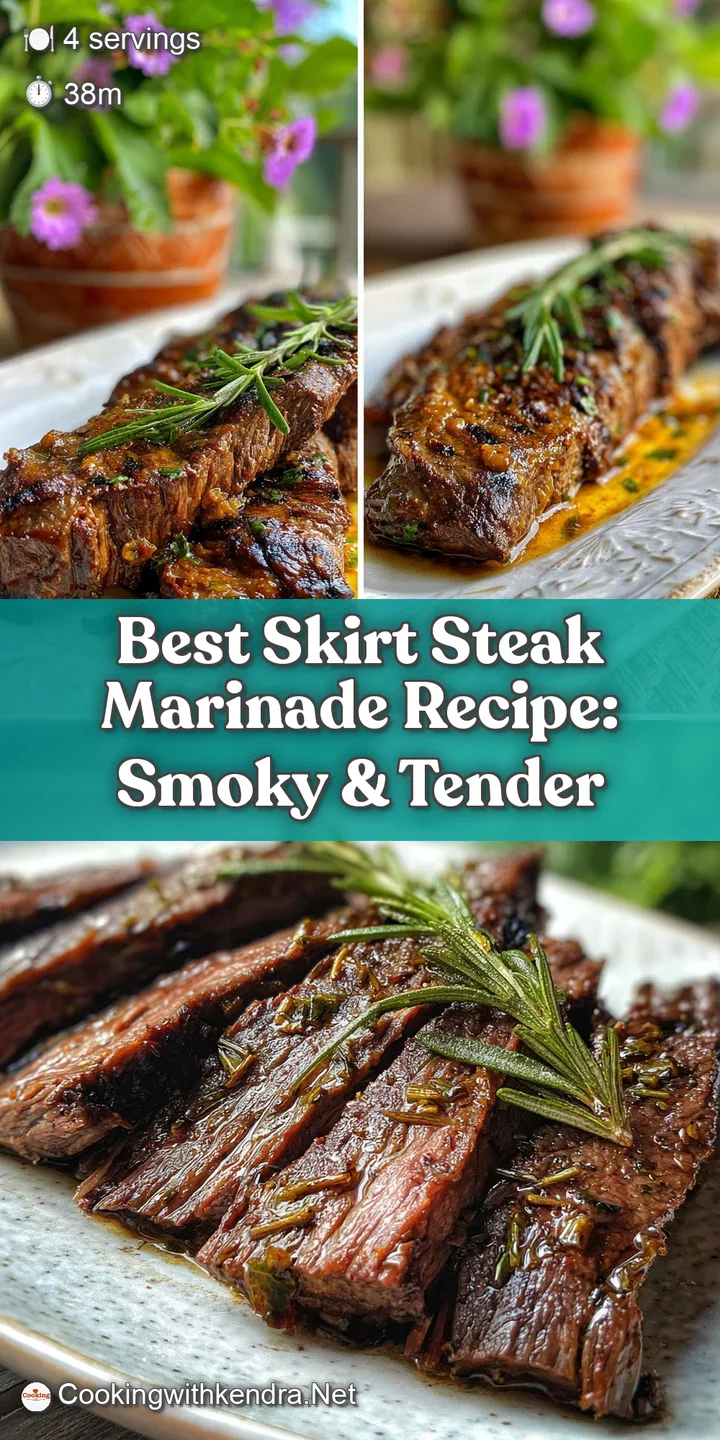
Recipe FAQs
What is the best thing to marinate steak with?
An emulsified blend of acid and fat is best. For skirt steak, use a balance of citrus (lime) for chemical tenderization and olive oil to carry savory flavors deep into the fibers.
How to best tenderize skirt steak?
Marinate for 30 minutes to 8 hours using a dual acid approach. The combination of lime juice and red wine vinegar denatures the tough muscle fibers, making the meat significantly more tender when cooked over high heat.
What is a good marinade for skirt steak fajitas?
Use a high flavor, high acid blend featuring cumin, garlic, and lime. This recipe perfectly balances the savory depth from soy sauce with the sharpness needed for classic fajita flavor; try cooking the pepper strips immediately after the steak for maximum flavor transfer from the Sizzling Weeknight Steak recipe.
What are the three main ingredients when marinating?
Acid, Fat, and Salt are the three pillars. Acid tenderizes (lime/vinegar), Fat carries fat-soluble aromatics (oil), and Salt breaks down proteins and draws flavor inward (soy sauce).
Should I marinate skirt steak for more than 12 hours?
No, do not marinate for more than 8 hours. Skirt steak is thin, and the high concentration of lime juice will begin to chemically "cook" the exterior proteins, leading to a grainy or mushy texture.
Is it better to grill or sear skirt steak after marinating?
Searing in a ripping hot cast iron skillet yields the most consistent results. High, direct heat creates the best Maillard reaction crust, especially because this marinade contains honey which promotes rapid browning; if you prefer grilling, focus on mastering high heat zone control, similar to how we handle temperature in the My Guide to recipe.
What should I do with leftover marinade?
Boil the leftover marinade rapidly for five minutes before using it. This essential step raises the temperature high enough to eliminate bacteria picked up from the raw meat, making the reduction safe to serve over the cooked steak or vegetables.
Best Skirt Steak Marinade
Ingredients:
Instructions:
Nutrition Facts:
| Calories | 432 kcal |
|---|---|
| Protein | 42.5 g |
| Fat | 26.5 g |
| Carbs | 5.2 g |
| Fiber | 0.4 g |
| Sugar | 3.8 g |
| Sodium | 615 mg |
