Mahogany-Crusted Bourbon Glazed Salmon
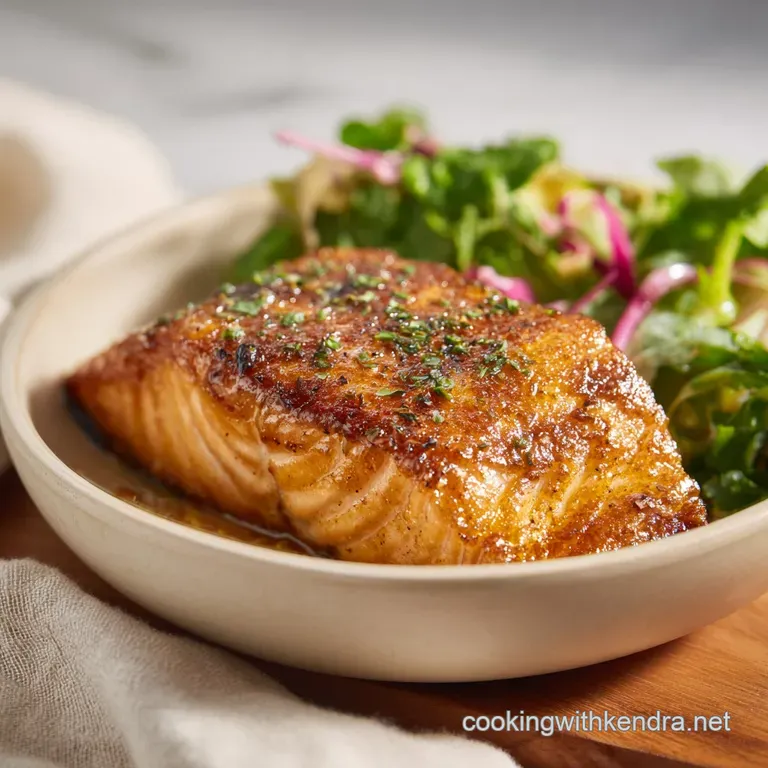
- Time: Active 10 minutes, Passive 12 minutes, Total 22 minutes
- Flavor/Texture Hook: Silky, mahogany glazed exterior with a buttery, flaky center.
- Perfect for: A cozy Sunday supper or impressing guests at a dinner party.
- Sweet Mahogany Salmon with Bourbon Glaze
- Why This Glaze Just Works
- Essential Elements for Better Flavor
- Tools for Kitchen Success
- Steps to Mastering the Sear
- Fix Common Salmon Cooking Mistakes
- Customizing Your Southern Salmon Dish
- Storing and Using Every Scrap
- Best Sides for Glazed Salmon
- Kitchen Myths Debunked
- Recipe FAQs
- 📝 Recipe Card
Sweet Mahogany Salmon with Bourbon Glaze
Picture this: it’s a slow Sunday evening, the kind where the golden hour light is spilling across the kitchen counter and you’ve got a little jazz playing in the background.
My favorite way to welcome friends into my home isn't with a fancy appetizer, but with the intoxicating smell of bourbon and brown sugar bubbling away on the stove. There is something about that specific aroma sweet, sharp, and deeply woody that makes everyone instantly lean in and ask, "What on earth are you making?"
This dish isn't just about the food; it’s about that moment when the salmon hits the hot oil and the sizzle fills the room. I remember the first time I made this for my family; the kitchen was filled with the scent of toasted ginger and garlic, and for a few minutes, all the chaos of the week just seemed to melt away.
We sat down to these beautiful, lacquered fillets that looked like they belonged in a high end bistro, but the soul of the dish was pure comfort.
You don't need to be a professional chef to pull this off, trust me. We’re going to walk through how to get that perfect, shattering sear on the skin while keeping the inside as velvety as butter.
It’s a simple process, but the results are so grand you’ll feel like you’ve performed a bit of kitchen magic. Let's get that skillet hot and start making some memories.
Why This Glaze Just Works
When we talk about this specific glaze, we aren't just tossing things in a pan and hoping for the best. There is a beautiful bit of logic behind why these ingredients play so well together.
- Sugar Caramelization: The dark brown sugar and honey don't just add sweetness; they undergo a transformation under the high heat of the oven, creating a sticky, mahogany colored lacquer that clings to the fish.
- Alcohol as a Solvent: The bourbon acts as a bridge, carrying the fat soluble flavors of the garlic and ginger deeper into the salmon's surface than water based liquids ever could.
- Acidic Balance: Without the lime juice, the glaze would be cloying; the acid cuts through the richness of the salmon and the intensity of the sugar to keep your palate refreshed.
- Thermal Reduction: By simmering the liquid until it reduces by half, we are physically concentrating the flavor molecules and creating a thick, molasses like consistency that won't just slide off into the pan.
| Method | Time | Texture | Best For |
|---|---|---|---|
| Stovetop Only | 10 mins | Very crispy skin, can be tricky to cook through | Thin fillets or quick lunches |
| Oven Only | 12 mins | Evenly cooked, softer texture, less mess | Large batches or thicker cuts |
| Stovetop to Oven | 12 mins | Shattering crust with a perfectly tender center | Achieving restaurant quality results |
The "stovetop to oven" method is what we are using today because it gives us the best of both worlds: that incredible crust from the initial sear and the gentle, even heat of the oven to finish the middle without drying it out. It’s the secret to getting that professional finish every single time.
Essential Elements for Better Flavor
Understanding what each component brings to the party is the first step in becoming a more intuitive cook. We aren't just following a list; we are building a profile of flavors.
| Component | Science Role | Pro Secret |
|---|---|---|
| Bourbon (120ml) | Flavor Carrier | Use a high rye bourbon for a spicier, more complex finish. |
| Dark Brown Sugar (50g) | Caramelization | The molasses in dark sugar creates a deeper color than light brown sugar. |
| Fresh Ginger (1 tsp) | Enzyme Action | Grating it fresh releases oils that dried ginger simply cannot mimic. |
| Salmon (4 fillets) | Protein Structure | Let it sit at room temp for 15 mins to ensure even cooking. |
It is worth noting that the choice of bourbon matters. You don't need the most expensive bottle on the shelf, but you should use something you’d actually enjoy sipping. The alcohol cooks off, but the toasted oak and vanilla notes stay behind, wrapping the salmon in a blanket of sophisticated flavor.
Tools for Kitchen Success
Having the right gear makes the process go from stressful to smooth. For this recipe, the most important tool in your arsenal is a heavy bottomed, oven safe skillet. I swear by my 30cm cast iron skillet because it holds heat like a champion, which is exactly what you need to get that initial sear.
If you use a thin pan, the temperature will drop the moment the cold fish hits it, and you’ll end up steaming your salmon instead of searing it.
You’ll also want a good fish spatula those long, flexible ones with the slots. They are designed to slide under the delicate skin without tearing it. And finally, a microplane is your best friend here for grating the garlic and ginger into a fine paste.
You want those aromatics to melt into the glaze, not leave you with big, bitter chunks to bite into.
Steps to Mastering the Sear
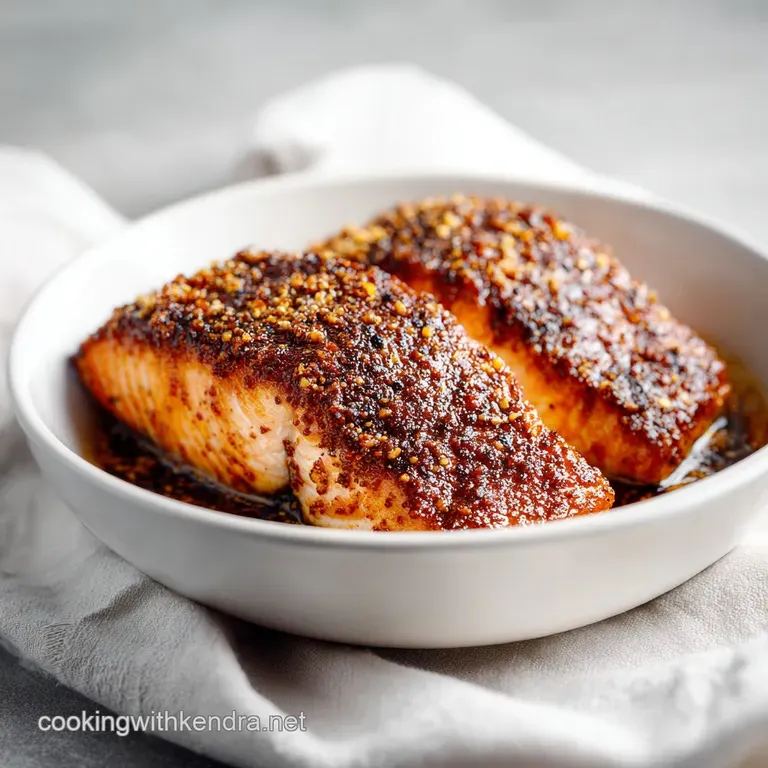
Before you even turn on the stove, take a deep breath and get your station ready. Cooking is so much more enjoyable when you aren't scrambling for a measuring spoon while the oil is smoking.
- Combine the 120ml bourbon, 50g dark brown sugar, 30ml honey, 30ml soy sauce, 15ml lime juice, and your grated garlic and ginger in a small saucepan. Note: Start this on medium heat so the sugar dissolves slowly without burning.
- Simmer the mixture for 6–8 minutes. Smell Checkpoint: You'll notice the sharp sting of alcohol fades, replaced by a deep, caramelly aroma as the liquid thickens into a syrup.
- Preheat your oven to 200°C. While that warms up, take your salmon fillets and pat them bone dry with paper towels. Note: Moisture is the enemy of a good sear; if the fish is wet, it will steam.
- Season the flesh side with the kosher salt and cracked black pepper. Keep it simple; the glaze is the star here.
- Heat 15ml of neutral oil in your oven safe skillet over medium high heat. Wait until you see a faint shimmer on the surface.
- Place the salmon flesh side down into the pan. Sound Checkpoint: You should hear an immediate, confident sizzle. If it’s quiet, your pan isn't hot enough. Sear undisturbed for 3 minutes.
- Carefully flip the fillets so the skin side is down. Use a pastry brush to paint a thick layer of that bourbon reduction over the seared tops.
- Slide the whole skillet into the oven for 5–7 minutes. Visual Cue: The salmon is done when it just starts to flake at the touch of a fork and the glaze is bubbling and tacky.
- Remove the pan from the oven and apply one last coat of glaze. Let the fish rest for 2 minutes in the pan. Note: This rest allows the juices to redistribute and the glaze to set into a beautiful, shiny finish.
I’ve found that the smell of the bourbon reducing is one of the most therapeutic things in the kitchen. It’s that transition from a harsh liquid to a sophisticated sauce that really makes you feel like you're creating something special.
Fix Common Salmon Cooking Mistakes
Even the best of us have a bad day in the kitchen. If things aren't looking quite right, don't panic. Most salmon issues are easily fixed with a little know how.
Why Your Salmon Is Leaking White Stuff
That white substance is called albumin. It’s just a protein that gets pushed out of the muscle fibers when they contract too quickly. It usually happens when the heat is too high or the fish is overcooked.
It’s perfectly safe to eat, but if it bothers you, you can gently scrape it off with a knife before serving. To prevent it next time, try a lower oven temperature or take the fish out a minute earlier.
Why the Glaze Is Too Runny
If your glaze is sliding right off the fish and pooling in the bottom of the pan, it likely didn't reduce enough in the saucepan. You’re looking for a "nappe" consistency that’s a fancy way of saying it should coat the back of a spoon. If you’ve already started cooking, just keep brushing it on in layers as it bakes; the heat of the oven will help it thicken up eventually. For a similar flavor profile with a different technique, you might like my Honey Garlic Glazed Salmon.
| Problem | Root Cause | Solution |
|---|---|---|
| Skin is soggy | Fillets were wet or pan wasn't hot enough | Pat dry thoroughly and wait for the oil to shimmer before adding fish. |
| Glaze tastes bitter | Garlic or ginger burned in the pan | Grate aromatics finely so they dissolve into the liquid rather than frying. |
| Fish is dry | Overcooked in the oven | Use a meat thermometer; pull the salmon when it hits 52°C for medium rare. |
Common Mistakes Checklist:
- ✓ Skipping the pat dry step (this is why skin sticks!).
- ✓ Using a non stick pan that isn't oven safe (always check the handle!).
- ✓ Not letting the glaze reduce enough before brushing it on.
- ✓ Crowding the pan, which lowers the temperature and causes the fish to stew.
- ✓ Slicing into the fish immediately instead of letting it rest for those crucial 2 minutes.
Customizing Your Southern Salmon Dish
One of the things I love most about being a home cook is that a recipe is just a starting point. Once you've mastered the basic technique, you can start playing with the flavors to suit your mood.
If you’re feeling a bit of heat, try adding a half teaspoon of red chili flakes to the glaze while it simmers. The spice works incredibly well with the sweetness of the honey. For a more bright, summery version, you could double the lime juice and add a bit of lime zest right at the end for a citrus punch. If you find yourself out of bourbon, you can swap it for a dark rum or even a smoky scotch for a completely different vibe. If you're looking for something a bit more classic and less boozy, my Lemon Garlic Butter Salmon is a fantastic alternative that hits all the right notes without the alcohol.
Downscaling for Two
If you're just cooking for yourself or a partner, you can easily halve this recipe. However, I suggest making the full amount of glaze anyway. It keeps beautifully in the fridge and you can use it to glaze chicken thighs or even roasted carrots later in the week.
When cooking only two fillets, use a smaller skillet (about 20cm) so the oil and glaze don't spread out too thin and burn.
Upscaling for a Crowd
When cooking for eight or more, I recommend searing the salmon in batches. Don't try to cram eight fillets into one pan; you'll lose all that beautiful heat and the fish won't sear. Once they are all seared, you can transfer them to a large baking sheet, glaze them heavily, and finish them all together in the oven.
For the glaze, you can double the ingredients, but keep an eye on the reduction time it might take 10-12 minutes instead of 8 to reach that thick consistency.
Storing and Using Every Scrap
Salmon is best eaten fresh, but life happens! If you have leftovers, you can keep them in an airtight container in the fridge for up to 2 days. When reheating, avoid the microwave if you can it turns the texture rubbery.
Instead, put the salmon in a cold oven, turn it to 150°C, and let it warm up slowly for about 10-15 minutes. This preserves the moisture.
For zero waste cooking, don't toss out the salmon skin if it comes off! You can fry it up in a little oil until it's as crispy as a potato chip and use it as a garnish. If you have leftover glaze, it’s basically liquid gold.
Drizzle it over steamed broccoli, use it as a dip for grilled shrimp, or stir a spoonful into a stir fry. Even the lime shells can be tossed into a pot of water with some ginger scraps to make a quick aromatic steam for your kitchen.
Best Sides for Glazed Salmon
To really lean into that Southern comfort feel, I love serving this salmon over a bed of creamy stone ground grits. The grits soak up any extra glaze, and the textures together are just heaven.
If you want something a bit lighter, a simple wild rice pilaf with toasted pecans adds a lovely crunch that mirrors the woody notes in the bourbon.
For greens, I usually go for quick sauteed kale with a little garlic or some roasted asparagus. The bitterness of the greens provides a great counterpoint to the sweet and salty salmon. And if you're really feeling indulgent, a side of cornbread with honey butter is never a bad idea.
This is the kind of meal that deserves a good glass of iced tea extra lemon, please and a long conversation at the dinner table.
Kitchen Myths Debunked
There’s a lot of old school advice out there that can actually hold you back in the kitchen. Let’s clear a few things up.
"You must cook salmon until it's opaque all the way through." This is a one way ticket to dry, chalky fish. Modern food safety standards for high-quality salmon mean you can safely enjoy it medium or medium rare.
Aim for an internal temp of 52°C to 54°C for a center that is still moist and buttery.
"Alcohol always cooks out completely." While most of the harsh ethanol evaporates during the simmering and baking process, a tiny percentage remains. It's not enough to affect you, but it’s enough to keep those complex flavor compounds intact.
That’s why the sauce tastes so much deeper than if you just used sugar and water.
"Searing 'locks in' the juices." This is a classic myth. Searing is actually about flavor and texture (the Maillard reaction), not moisture retention. In fact, over high heat cooking causes some moisture loss, but we trade that for the incredible crust and savory depth that makes the dish worth eating.
The resting period is actually what helps the juices stay put!
Recipe FAQs
How to achieve the perfect crust on the salmon?
Pat the fillets completely dry with paper towels before searing. Moisture is the enemy of a golden brown crust, so removing excess water allows the fish to develop a proper sear in the skillet.
How to ensure the glaze reaches the right consistency?
Simmer the bourbon mixture for 6 8 minutes until it reduces by half. You are looking for a molasses like consistency that coats the back of a spoon, which happens as the alcohol evaporates and the sugars concentrate.
Can I store leftover salmon safely?
Yes, keep it in an airtight container in the refrigerator for up to 2 days. If you enjoyed learning to balance the sweet and savory notes in this sauce, you might appreciate how we use similar glaze ratios in our maple glazed salmon.
How to reheat the salmon without making it rubbery?
Place the salmon in a cold oven set to 150°C and warm it for 10 15 minutes. Avoiding the microwave is essential for keeping the fish tender and preventing the proteins from seizing up.
Is it necessary to flip the salmon while it cooks in the oven?
No, the flipping happens only once in the skillet before it goes into the oven. You sear the flesh side for 3 minutes, then flip it to skin side down before transferring the skillet to the oven for the final 5 7 minutes of baking.
How to prepare the aromatics for the best flavor?
Grate the garlic and ginger into a fine paste. This ensures they dissolve seamlessly into the glaze, providing consistent flavor throughout the sauce rather than leaving chunky pieces.
What is the secret to a professional looking finish?
Apply a final layer of glaze immediately after removing the salmon from the oven. Letting the fish rest for 2 minutes allows the residual heat to set that final glossy, lacquered layer onto the crust.
Bourbon Glazed Salmon
Ingredients:
Instructions:
Nutrition Facts:
| Calories | 518 kcal |
|---|---|
| Protein | 35g |
| Fat | 26g |
| Carbs | 22g |
| Fiber | 0.2g |
| Sugar | 21g |
| Sodium | 685mg |
