Lobster Tail: Queens Broiled Dinner Recipe
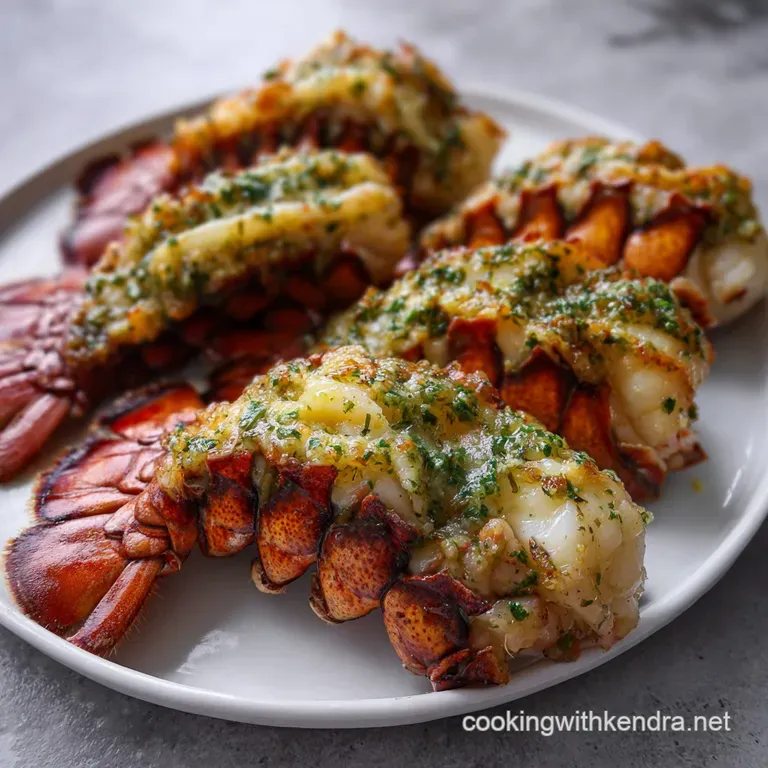
- Elevate Your Feast: Perfect Broiled Lobster Tails, The Royal Treatment
- Procurement & Prep: Essential Ingredients for the Garlic-Herb Basting Butter
- Mastering the Technique: From Shell Prep to Golden Finish
- Culinary Science: The Secret to Succulent Texture and Intense Flavor
- Troubleshooting the Broiler: Professional Tips for Flawless Results
- Beyond the Banquet: Storing and Reheating Leftover Indulgence
- Completing the Spread: Elegant Side Dishes and Drink Pairings
- Recipe FAQs
- 📝 Recipe Card
Elevate Your Feast: Perfect Broiled Lobster Tails, The Royal Treatment
That buttery, slightly salty aroma hitting your nose? That’s the smell of pure victory. When you pull these beautiful, bright red Lobster Tail s out of the broiler, glistening with garlic butter, you realize dinner is about to be spectacular.
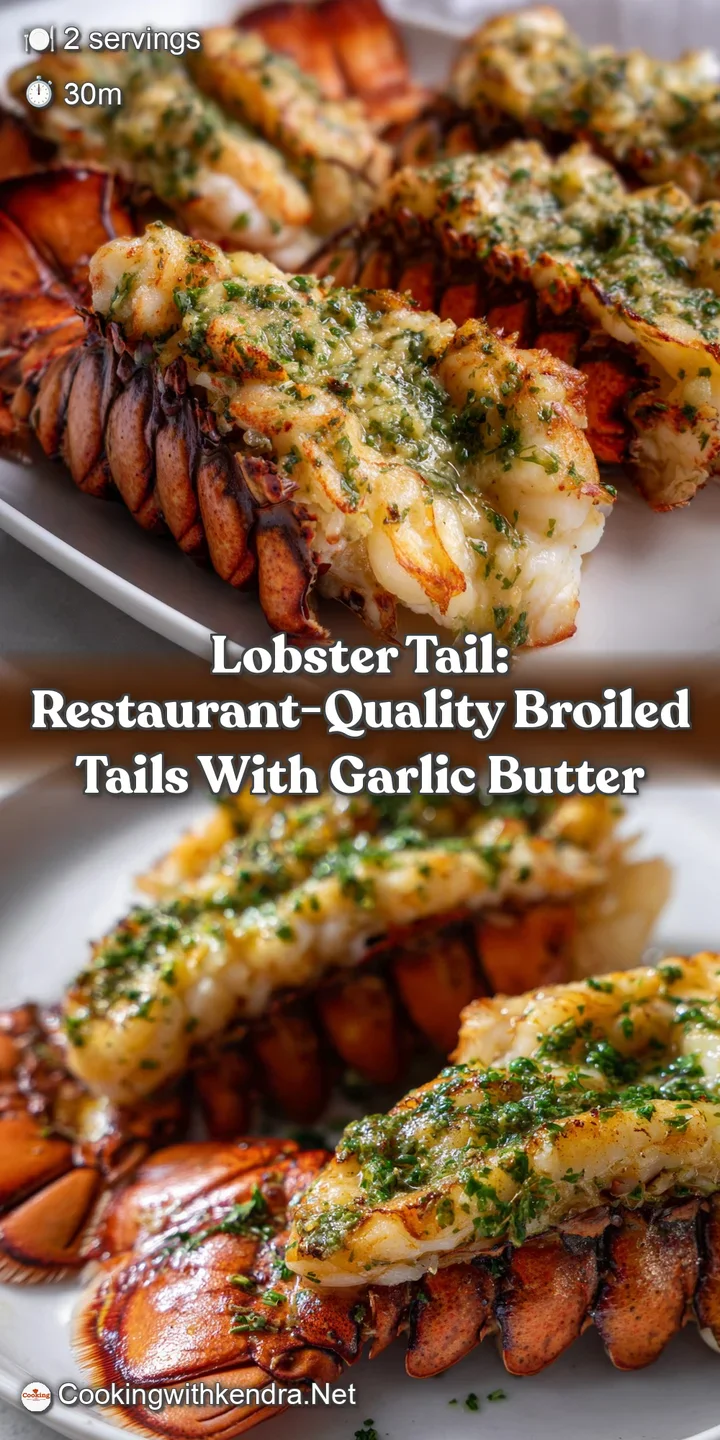
Honestly, people think preparing a luxury item is hard, but this is one of the fastest, easiest ways to feel incredibly fancy without breaking the bank. Skip the crazy restaurant markups! This is a simple, budget friendly dinner lobster solution that delivers pure drama in under 30 minutes.
I’m going to walk you through the famous "piggyback" method. Trust me, once you see how easy it is to cut and lift the raw meat, you’ll be making this incredibly easy lobster tail recipe every time you want to impress.
What Makes This 'Piggyback' Technique So Effective?
This method is genius because it exposes the thickest part of the meat directly to the heat while protecting the delicate connective tissue underneath. The lifted meat acts like a little crown, ensuring every millimeter of the Lobster Tail gets perfectly basted with that glorious garlic butter sauce.
It guarantees the meat cooks evenly from top to bottom, which is crucial for achieving that succulent, firm texture we crave.
Why Broiling is the Fastest Route to Tender Meat
Forget boiling, which waterlogs the meat and dilutes the flavor, or grilling, which can be tricky to control and dry out the edges. Broiling is direct, fierce heat that seals in moisture quickly. It’s absolutely the best way for how to cook lobster when time is short and perfection is required.
When done right, this broiled lobster tail recipe gives you beautifully caramelized edges without compromising the moisture inside.
Ditch the Shell Shock: Recipe Difficulty Breakdown
If you can handle sharp kitchen shears, you can handle this. The only challenging part is the initial cut and lift on the shell. Take your time during the butterfly phase that’s where the presentation magic happens!
The subsequent cooking is simple: quick, direct, and basically hands off until the basting moment.
Procurement & Prep: Essential Ingredients for the Garlic Herb Basting Butter
Sourcing the Best Tails: Cold Water vs. Warm Water Varieties
Always, always opt for cold water Lobster Tail s if you can. They typically come from Maine or South Africa, and the meat is inherently firmer, sweeter, and won't shrink as much as the warm water varieties (which can sometimes be a bit mushy).
Look for tails that feel heavy for their size; that indicates denser meat.
The Aromatic Trio: Garlic, Fresh Chives, and European Butter
Seriously, spring for the good butter here something European with a higher fat content melts beautifully and carries the flavour better. We are using freshly minced garlic and chives because that punchy, sharp flavour is what stands up best to the richness of the shellfish.
The addition of fresh lemon zest cuts through the fat, making the whole thing bright and clean.
Quick Swaps: Adapting the Herb Blend and Seasonings
| Ingredient Swap | Recommended Substitute | Flavor Impact |
|---|---|---|
| Unsalted Butter | Ghee or refined Coconut Oil | Slightly nutty (Ghee) or subtle tropical flavour (Coconut Oil) |
| Fresh Chives | Fresh Tarragon or Parsley | Anise like (Tarragon) or fresh/mild (Parsley) |
| Paprika | A pinch of Cayenne Pepper | Adds a subtle background heat |
Chef's Note: If you don't have fresh herbs, use freeze dried chives or parsley. But skip dried herbs entirely if possible; they just taste dusty here and won't blend into the Garlic Butter Sauce properly.
Tools of the Trade: Kitchen Gear Checklist
The absolute key tool here is sharp kitchen shears. Trying to cut the hard shell with a heavy knife is frustrating and potentially dangerous, trust me. Also, invest in a simple instant read thermometer, especially if you are using large frozen Lobster Tail s.
I burned so many expensive dinners before I realized temperature is everything!
Mastering the Technique: From Shell Prep to Golden Finish
Phase I: The Expert 'Piggyback' Butterfly Cut
Start with completely thawed, dried Lobster Tail s. Run the shears right down the center spine of the shell, starting near the thickest end and stopping before the fan tail. Now, gently push your thumbs into the cut to loosen the meat from the bottom membrane.
Carefully lift the meat right over the slit you made, resting it on top of the shell. It should look like a magnificent white pearl resting on a red boat. Finally, score the top of the lifted meat slightly to allow that butter to seep deep inside.
Phase II: Creating the Aromatic Basting Glaze
Melt the unsalted butter gently. Do not let it brown, just let it melt into liquid gold! Stir in the minced garlic, chopped chives, lemon zest, salt, pepper, and paprika. It should smell intensely fragrant immediately.
Brush half of this gorgeous liquid liberally over the exposed lobster tails in oven (or broiler, in this case) before cooking.
Phase III: Precise Broiling Time for Optimal Doneness
Your broiler needs to be cranked to high, and the rack needs to be up close about six inches from the element. This method is incredibly fast! After about five minutes, the edges of the Lobster Tail should start turning opaque white and the shells will deepen in color.
Pull the tray out, baste with the remaining butter, and return to the broiler.
The Final Garnish and Serving Presentation
Pull the tray out when the internal temperature hits 140°F (60°C). Squeeze the teaspoon of fresh lemon juice over the cooked meat (that brightness cuts the richness perfectly!) and let it rest for exactly three minutes. Resting allows the juices to redistribute and ensures the ultimate succulent texture.
Serve immediately while the garlic butter is still bubbling.
Culinary Science: The Secret to Succulent Texture and Intense Flavor
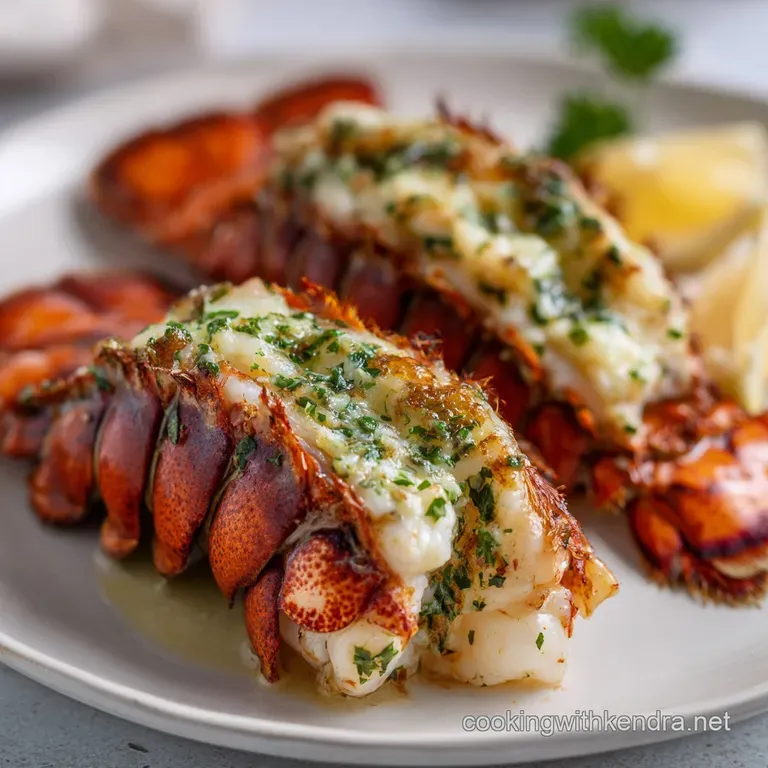
The true danger of preparing a premium protein like this is textural failure. The rubbery outcome happens because the protein (specifically collagen) seizes up when overheated. We are aiming for firm, tender, but still juicy meat.
Overcooking ruins the natural sweetness of the Lobster Tail entirely, turning it into expensive chewing gum.
Mistake Alert: Overcooking Is Instant Ruin (Targeting Internal Temperature)
I once just guessed the timing and ended up serving tough, fibrous meat. Never again! The magic number for a perfect broiled Lobster Tail is 140°F (60°C). Do not push it past 145°F (63°C), even if you think it needs more color.
Pull the tails slightly early because they will continue cooking as they rest off-heat.
How to Know When the Lobster Meat Is Perfectly Opaque
Visually, the raw, gray translucent meat must be completely opaque white throughout. There should be absolutely no gray left in the center. The shell will look vividly red, almost glowing. If you are unsure, just cut into the smallest tail to check the very center before removing the rest.
Troubleshooting the Broiler: Professional Tips for Flawless Results
The Maillard Reaction and Perfect Broiling Temperatures
Broiling initiates the Maillard reaction extremely fast on the butter basted surface. This leads to that rich, savory, slightly caramelized flavour on the exposed edges of the Lobster Tail .
This combination of intense heat and fat is what separates great broiled lobster from merely cooked lobster. If the butter starts smoking fiercely, move the rack down one notch immediately.
Preventing the Dreaded Rubbery Texture
The secret to preventing dryness is the constant basting and ensuring the internal temperature is hit precisely. If your frozen lobster tails recipe requires thawing, make sure they are completely defrosted and patted dry before basting.
This ensures the melted garlic butter sauce adheres properly and provides a layer of protection against the intense, drying heat of the broiler.
Beyond the Banquet: Storing and Reheating Leftover Indulgence
Refrigerator Lifespan: Best Practices for Cooked Shellfish
Cooked Lobster Tail meat should be removed from the shell immediately after cooling and stored in an airtight container. It keeps beautifully in the fridge for up to three days.
I never recommend freezing cooked lobster, as the texture degrades dramatically upon thawing, becoming stringy and tough.
The Gentle Art of Reheating Without Drying Out
Do not microwave leftover lobster, please! It transforms the meat into vulcanized rubber in seconds. The best way is to place the cold lobster meat in a foil packet with a tiny splash of white wine or water, and reheat gently in a preheated oven (150°C/300°F) for 5- 8 minutes until warmed through.
Alternatively, chop it up cold for a stellar seafood salad or mix it with my zesty [Cocktail Sauce Recipe: Best Homemade Shrimp Dip Easy Zesty].
Completing the Spread: Elegant Side Dishes and Drink Pairings
This spectacular main course deserves worthy partners that don't steal the show. For a classic feel, I often serve this alongside simple drawn butter, roasted lemon wedges, and perhaps a simple green salad dressed lightly with vinegar and oil.
For a full-on luxury seafood feast, pair this broiled Lobster Tail with a buttery Orzo pasta or some garlicky grilled asparagus spears. If you're a fan of different cooking techniques, I also recommend checking out my tips on making the best [Cooked Lobster Tails: The Easiest Butter Basted Recipe] if you prefer a poached approach for a different flavor profile.
For drinks, nothing complements the richness better than a dry, crisp Sancerre or a perfectly chilled New World Chardonnay.
Recipe FAQs
Why did my lobster tail turn out rubbery or tough?
This is the classic and most common sign of overcooking. Lobster meat cooks incredibly fast, especially when placed directly under a high heat broiler, so quick timing is essential.
Use a meat thermometer to ensure the internal temperature does not exceed 145°F (63°C), pulling the tails immediately once they hit 140 143°F due to carryover cooking.
How should I properly thaw frozen lobster tails before cooking?
The safest and best method for maintaining texture is slow thawing overnight in the refrigerator, which usually takes 12 18 hours. If you are pressed for time, place the sealed tails in a large bowl of cold tap water, ensuring you change the water every 30 minutes until they are fully defrosted.
Never use warm water or thaw them at room temperature, as this severely compromises the meat quality.
Can I bake or grill these lobster tails instead of broiling them?
Yes, this recipe is highly adaptable for other cooking methods, though cooking time will increase. For baking, preheat your oven to 400°F (200°C) and bake the tails for 12 15 minutes, or until the meat is opaque white.
If grilling, place the tails shell side down over medium high heat for 8 10 minutes, continuously basting with the garlic herb butter.
What internal temperature indicates the lobster is perfectly done?
The recommended safe internal temperature for seafood is 145°F (63°C), measured at the thickest part of the tail. For maximum tenderness, many chefs remove the lobster slightly earlier, around 140°F, anticipating a couple of degrees of carryover cooking.
The flesh should transform completely from translucent gray to opaque white when finished.
I don't have fresh herbs for the garlic butter. What are my best substitution options?
While fresh chives and parsley provide optimal brightness, you can substitute with high-quality dried herbs, using only about one-third of the measure requested for fresh. Alternatively, you can omit traditional herbs and instead mix in finely grated lemon zest and a pinch of smoked paprika to enhance the rich butter flavour.
How should I store leftover cooked lobster and how long will it keep?
Cool the lobster meat completely before sealing it tightly in an airtight container and storing it in the refrigerator. Cooked lobster is best consumed within two days, as it quickly loses its premium texture upon storage.
We recommend using leftovers cold for maximum flavour integrity, such as in a pasta salad or a classic lobster roll.
Can I butterfly and prepare the lobster tails ahead of time?
It is best to butterfly and prepare the tails immediately before cooking for the most tender outcome. If necessary, you can butterfly them up to 4 hours in advance, but they must be kept tightly wrapped and chilled in the coldest part of your refrigerator.
Crucially, do not apply the butter or seasonings until you are ready to place them under the broiler.
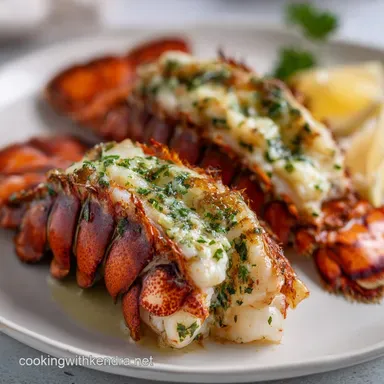
Broiled Lobster Tail With Garlic Butter
Ingredients:
Instructions:
Nutrition Facts:
| Calories | 488 kcal |
|---|---|
| Protein | 50.1 g |
| Fat | 27.2 g |
| Carbs | 2.4 g |
