Buttermilk Rhubarb Scones: Tender and Golden
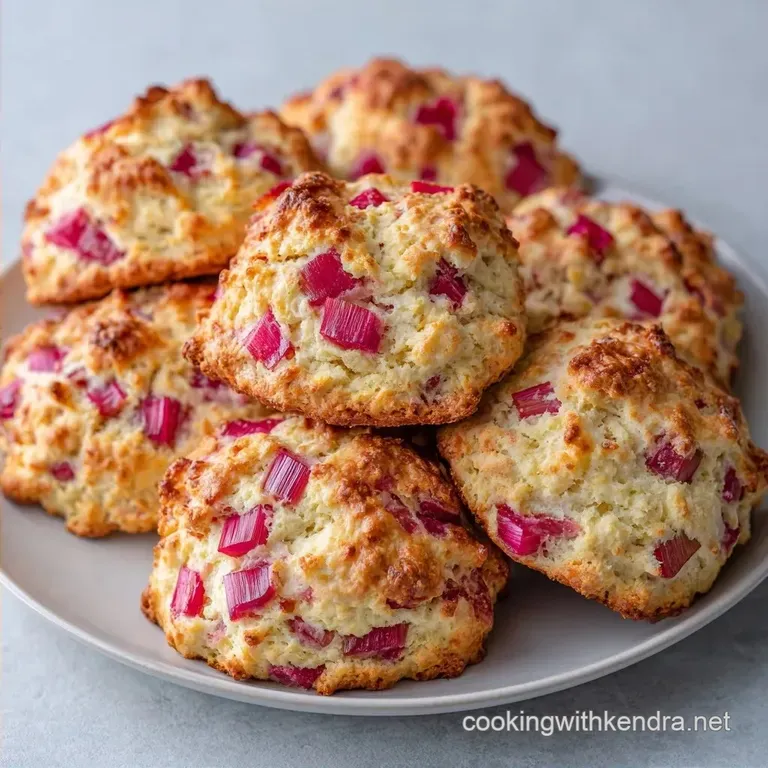
- Time: 15 min active + 20 min baking
- Flavor/Texture Hook: Tangy fruit pops with golden, flaky edges
- Perfect for: Slow weekend brunches or tea time
Forget the idea that you need a professional pastry cutter or a culinary degree to get a flaky scone. I used to think those little metal tools were mandatory, but a sturdy fork and a cold hand do the job just as well. The real trick isn't the gear, it's the temperature of your ingredients.
There is nothing quite like the smell of tart rhubarb hitting a hot oven. It starts as a bright, sharp scent and settles into a warm, jammy aroma that fills the whole kitchen. These Rhubarb Scones bring that same coziness to the table, mixing the zing of spring fruit with the comfort of a heavy cream glaze.
You can expect a treat that's crisp on the outside and soft in the middle. These aren't those dry, crumbly versions you find at some coffee shops. Because we use buttermilk, the interior stays moist while the edges brown into a deep mahogany.
The Magic of Tart Rhubarb Scones
Cold Butter: Keeping the fat solid creates tiny steam pockets in the oven. These pockets push the dough up, creating those sought after flaky layers.
Buttermilk Acidity: The acid in the buttermilk reacts with the baking powder. This creates an immediate lift, making the Rhubarb Scones feel light rather than dense.
Fruit Pre Treatment: Tossing the rhubarb in sugar first draws out excess water. This prevents the dough from becoming a soggy mess around the fruit pieces.
| Feature | Fresh Rhubarb | Frozen Rhubarb | Jam Shortcut |
|---|---|---|---|
| Texture | Firm, distinct pops | Softer, more moist | Smooth, sweet |
| Prep Time | 10 min dicing | 5 min thawing | 0 min |
| Flavor | Bright and sharp | Mellowed tartness | Very sweet |
The way the butter interacts with the flour is what gives these Rhubarb Scones their soul. It is a simple process of creating a "rubbed in" mixture where the flour coats the fat.
What Each Ingredient Does
| Ingredient | What It Does | Best Swap |
|---|---|---|
| All Purpose Flour | Provides the structure | White whole wheat (denser) |
| Cold Butter | Creates flakiness | Chilled coconut oil (less rich) |
| Buttermilk | Adds tang and lift | Milk + 1 tbsp lemon juice |
| Fresh Rhubarb | Adds tart flavor | Diced Granny Smith apple |
The Pantry List
- 2 cups (250g) all purpose flour
- 1/3 cup (65g) granulated sugar Why this? Balances the tart fruit
- 1 tbsp (12g) baking powder
- 1/2 tsp (3g) salt
- 1/2 cup (115g) unsalted butter, chilled and cubed Why this? Essential for the flaky lift
- 3/4 cup (180ml) cold buttermilk Why this? Tenderizes the crumb
- 1 tsp (5ml) vanilla extract
- 1 cup (150g) fresh rhubarb, diced small
- 2 tbsp (25g) granulated sugar (for the fruit)
For the glaze: - 1/2 cup (60g) powdered sugar - 2 tbsp (30ml) milk or heavy cream - 1/4 tsp (1ml) vanilla extract
| Original Ingredient | Substitute | Why It Works |
|---|---|---|
| Buttermilk (3/4 cup) | Greek Yogurt (thinned) | Similar acidity. Note: Makes a slightly heavier scone |
| Fresh Rhubarb | Frozen Rhubarb | Same flavor. Note: Must be thawed and squeezed dry |
Make sure your butter is truly cold. If it starts to soften while you're working, just pop the bowl back in the fridge for 10 minutes.
Kitchen Tools Required
You don't need much for these Rhubarb Scones. A large mixing bowl is the main requirement. I prefer using a wide bowl so I have room to toss the flour without spilling.
A baking sheet and parchment paper are non negotiable. Without the paper, the bottom of the scones can stick and tear when you try to move them. A simple spatula or a fork works for cutting in the butter.
Baking Process Steps
- Toss the diced rhubarb with 2 tablespoons of sugar in a small bowl. Let it sit for 10 minutes until the fruit looks glossy and wet, then drain the excess liquid.
- Whisk the flour, 1/3 cup sugar, baking powder, and salt in a large bowl. Make sure there are no clumps of baking powder.
- Add the chilled, cubed butter to the flour. Use a fork to press the butter into the flour until it looks like coarse crumbs with some pea sized lumps still visible.
- Stir in the cold buttermilk and vanilla extract with a spatula.
- Gently fold in the drained rhubarb pieces. Mix only until the dough just begins to come together. Note: Overmixing leads to tough scones.
- Turn the dough onto a floured surface. Pat it into a circle about 1 inch thick.
- Cut the circle into 8 equal wedges.
- Place the wedges on a parchment lined baking sheet.
- Bake at 400°F (200°C) for 18-22 minutes until the edges are mahogany colored and the tops are golden brown.
- Whisk the powdered sugar, milk, and vanilla together. Drizzle over the cooled Rhubarb Scones.
As they bake, you'll notice the kitchen start to smell like a warm bakery. That sweet, toasted scent is the sign that the sugars are caramelizing on the crust.
Common Baking Hurdles
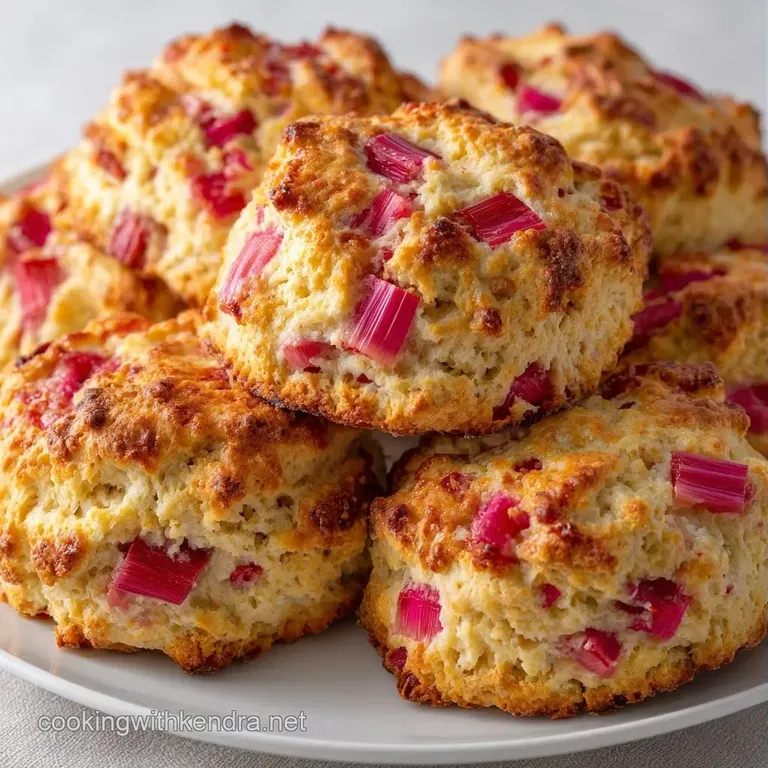
The most frequent issue people have with Rhubarb Scones is the "brick" effect. This happens when the dough is handled too much. The heat from your hands melts the butter, and the gluten develops too much, leading to a hard scone.
Why Your Scones Are Tough
If your scones aren't flaky, you likely overworked the dough. The goal is a shaggy, barely mixed mess. If it looks too dry, resist the urge to keep kneading it.
Why Your Scones Spread
This usually happens if the butter was too warm before it hit the oven. The fat melts instantly instead of creating steam, causing the scone to flatten.
| Problem | Root Cause | Solution |
|---|---|---|
| Scones are flat | Butter too warm | Freeze butter for 10 mins before cubing |
| Soggy bottoms | Too much fruit juice | Drain rhubarb thoroughly after sugaring |
| Pale tops | Oven temp too low | Use an oven thermometer to verify 200°C |
If you find the hand mixing process tedious, you might prefer a food processor version to cut the butter quickly.
Other Taste Combos
You can easily tweak these Rhubarb Scones to suit your mood. For a summer twist, fold in some diced strawberries to make Strawberry Rhubarb Scones. The berries add a deeper sweetness that complements the tart rhubarb.
If you want something more aromatic, try adding a teaspoon of orange zest to the dry ingredients. This creates Rhubarb Vanilla Scones with a citrusy brighten up. For those who prefer a sweeter, more concentrated fruit flavor, check out my Rhubarb jam scones recipe.
Decision Shortcut:
- If you want more tartness, add a squeeze of lemon juice to the buttermilk.
- If you want a crunchier top, sprinkle coarse turbinado sugar on the wedges before baking.
- If you want a richer glaze, use heavy cream instead of milk.
Adjusting Batch Size
When making a double batch of Rhubarb Scones, don't just double everything and dump it in one bowl. The weight of the dough can make it harder to keep the butter cold. I recommend working in two separate batches.
If you're cutting the recipe in half, you'll need to use half an egg or a tablespoon of buttermilk to replace the binding power of a full egg if you've added one. Reduce the baking time by about 20% and start checking for doneness at 15 minutes.
For larger batches, lower the oven temperature by about 10°C and extend the time by 5 minutes. This ensures the middle cooks through without burning the outer edges.
Kitchen Myths
One common myth is that you must "knead" scone dough to make it smooth. In reality, kneading is the enemy here. You want a rough, uneven texture to ensure the butter stays in chunks.
Another misconception is that room temperature butter is easier to mix. While true, it ruins the texture. Cold butter is the only way to get that distinct, layered crumb.
Keeping Them Fresh
Store any leftover Rhubarb Scones in an airtight container at room temperature for up to 2 days. If you live in a humid area, the fridge is better, but it can dry out the crumb.
For long term storage, freeze the baked scones without the glaze. Wrap them individually in plastic wrap and place them in a freezer bag for up to 3 months.
To reheat, avoid the microwave as it can make them rubbery. Instead, pop them in a 175°C oven for 5-8 minutes. This brings back the crisp edges and warms the center.
As for zero waste, don't toss the rhubarb leaves if they are organic and clean, though some find them too bitter. Instead, use any leftover rhubarb stems to make a quick compote for yogurt or oatmeal.
Best Serving Ideas
These Rhubarb Scones are best served warm, perhaps with a dollop of salted butter or a smear of clotted cream. The richness of the cream cuts through the acidity of the fruit.
For a drink pairing, a strong black tea or a light roast coffee works best. The bitterness of the coffee balances the sugar in the glaze. If you're serving these for brunch, pair them with a fresh fruit salad and some crisp bacon.
The beauty of Rhubarb Scones is their versatility. They work as a breakfast treat, a mid afternoon snack, or even a light dessert. Just make sure you enjoy them while that buttery aroma is still lingering in the air.
Recipe FAQs
How to cook these rhubarb scones?
Bake at 400°F (200°C) for 18-22 minutes. Ensure the edges are mahogany colored and the tops are golden brown before removing them from the oven.
What are scones best eaten with?
Serve them warm with clotted cream or a fresh cup of tea. If you enjoyed achieving a tender lift with buttermilk here, see how the same principle works in our pumpkin scones.
What is the ideal temperature for serving scones?
Serve them warm or at room temperature. Warming them slightly softens the butter and enhances the jammy aroma of the rhubarb.
Are scones more sweet or savory?
They can be both, but these are sweet. The sharp tartness of the rhubarb is balanced by granulated sugar in the dough and a powdered sugar glaze.
How are scones made?
Whisk dry ingredients, cut in chilled butter, and fold in buttermilk and sugar tossed rhubarb. Pat the dough into a 1 inch thick circle and cut into wedges before baking.
What is the best unrefrigerated way to keep scones fresh?
Store them in an airtight container at room temperature. This prevents the crumb from drying out for one to two days.
Is it true you need a professional pastry cutter for flaky scones?
No, this is a common misconception. A sturdy fork works perfectly well to work chilled butter into the flour until coarse crumbs form.
Buttermilk Rhubarb Scones