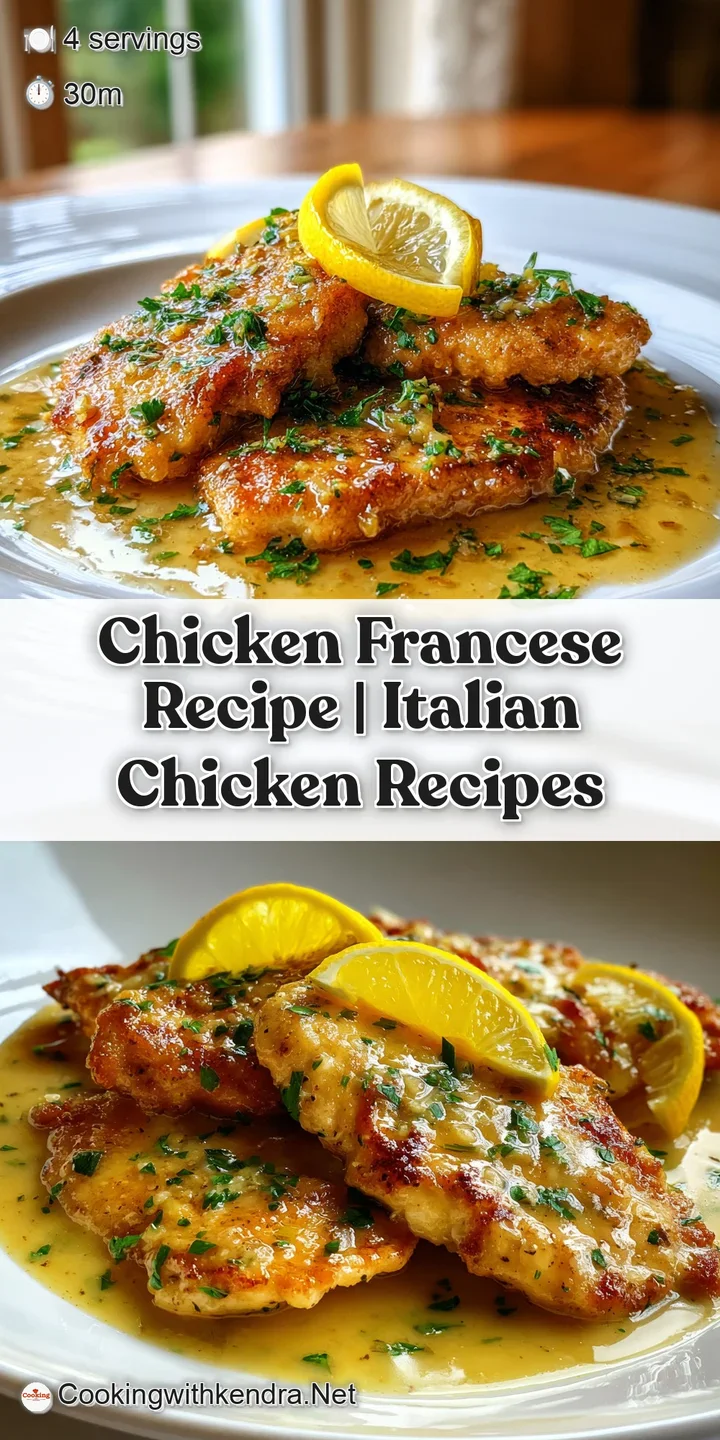
Chicken Francese Recipe
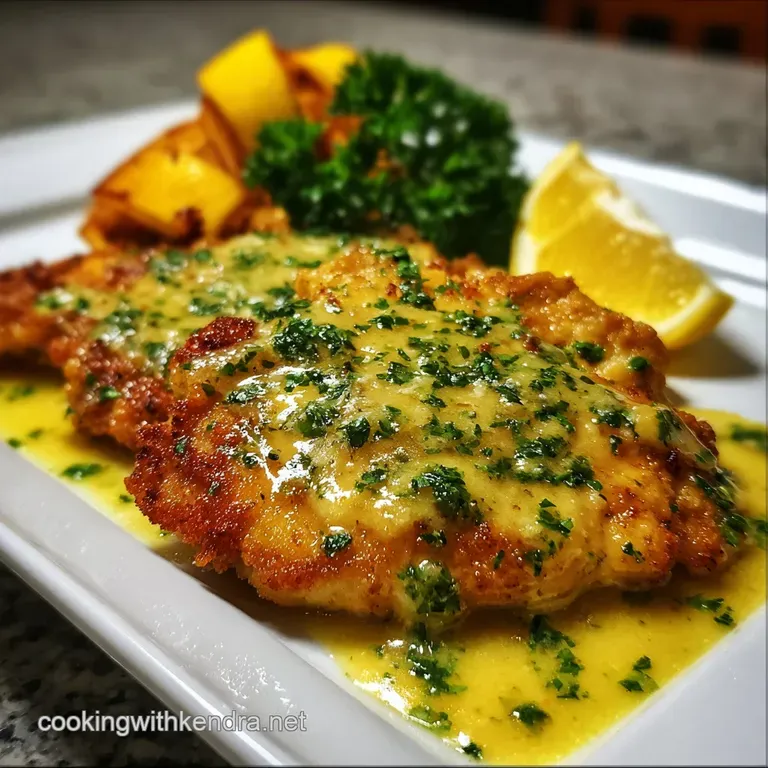
- Time: Active 15 minutes, Passive 15 minutes, Total 30 minutes
- Flavor/Texture Hook: Zesty lemon butter coating with a velvety, egg dipped finish
- Perfect for: Quick weeknight dinners or a light weekend family lunch
- The Science Behind Achieving a Shatter Crisp Coating
- Quick Decision Table for Handling Different Meat Thicknesses
- Component Analysis for a Silky Restaurant Quality Sauce
- Selecting the Best Pantry Staples for Your Kitchen
- Minimal Tool Kitchen Kit for Quick Meal Prep
- Master the Golden Pan Sear and Emulsified Sauce
- Troubleshooting Common Sauce and Coating Mistakes at Home
- Adapting This Chicken Francese Recipe for Every Dietary Need
- Debunking Popular Kitchen Myths
- Storage and Zero Waste Methods for Leftovers
- The Best Ways to Plate and Pair Your Meal
- Chicken Francese Recipe FAQs
- 📝 Recipe Card
You know that frantic 5:00 PM feeling where you want something fancy but only have 30 minutes before the kids start asking what's for dinner? That's exactly when I pull out this chicken francese recipe.
I used to think the "francese" part meant it was complicated, but after making it dozens of times, I realized it's actually just a clever way to dress up basic cutlets.
The first time I tried this, I made a massive mistake and didn't dry the meat properly. The coating just slid right off into the oil, leaving me with a soggy mess. I felt so defeated! But after a few tweaks and learning how the flour and egg actually bond, I've got it down to a science.
Now, it's the one meal my family asks for every single week without fail.
Right then, let's get into why this works so well. We're going to create a silky, citrusy sauce that hugs the chicken without making it heavy. It’s light, bright, and honestly, you'll want to soak up every last drop of that sauce with a piece of crusty bread.
Trust me, once you master the "flour then egg" sequence, you’ll never go back to basic breaded chicken again.
The Science Behind Achieving a Shatter Crisp Coating
- Protein Coagulation: The eggs create a structural matrix that binds to the flour, forming a protective layer that steams the meat from within.
- Starch Gelatinization: As the all purpose flour hits the hot oil, the starch molecules swell and burst, creating a golden crust that holds onto the sauce later.
- Emulsification: Chilled butter whisked into the warm lemon and wine reduction creates a stable, glossy emulsion that coats the tongue.
Quick Decision Table for Handling Different Meat Thicknesses
| Cutlet Thickness | Internal Temp | Rest Time | Visual Cue |
|---|---|---|---|
| 0.5 cm (1/4 inch) | 74°C (165°F) | 3 minutes | Edges are golden and slightly curled |
| 1.25 cm (1/2 inch) | 74°C (165°F) | 5 minutes | Coating is deep gold and firm to touch |
| 2 cm (3/4 inch) | 74°C (165°F) | 5 minutes | Juice runs clear when pierced with a fork |
Pounding your meat to a uniform thickness isn't just about making it look nice. It ensures every piece finishes cooking at the exact same moment. If you have thick and thin spots, the thin parts will turn into rubber by the time the center is safe to eat.
Use a heavy pan or a rolling pin if you don't have a meat mallet.
Component Analysis for a Silky Restaurant Quality Sauce
| Ingredient | Science Role | Pro Secret |
|---|---|---|
| Large Eggs | Provides the "sponge" for the sauce | Use room temperature eggs for a smoother, more even cling |
| White Wine | Adds acidity and dissolves brown bits | Choose a dry Pinot Grigio to avoid unwanted sweetness |
| Chilled Butter | Thickens the sauce via emulsification | Keep it in the fridge until the very last second |
Most home cooks make the mistake of using room temperature butter when finishing the sauce. If the butter is warm, it will melt instantly and separate into a greasy puddle. By using cubed, cold butter, you're slowly introducing fat into the liquid, which results in that velvety, professional finish we're looking for.
Selecting the Best Pantry Staples for Your Kitchen
- 680g (1.5 lbs) chicken breasts: Sliced thin. Why this? Lean protein that cooks fast and stays tender under the egg coating.
- 65g (0.5 cup) all purpose flour: For the base coat. Why this? It provides the "grip" needed for the egg wash to stay attached.
- 3 large eggs: Room temperature. Why this? Creates the signature light, airy coating that defines a francese recipe.
- 2 tbsp fresh parsley: Finely chopped.
- 25g (0.25 cup) Parmesan cheese: Freshly grated.
- 0.5 tsp garlic powder: For subtle depth.
- 45ml (3 tbsp) neutral oil: Like canola or grapeseed.
- 120ml (0.5 cup) dry white wine: For deglazing.
- 240ml (1 cup) low sodium chicken stock: The sauce base.
- 60ml (0.25 cup) lemon juice: Freshly squeezed is non negotiable.
- 1 fresh lemon: Sliced into thin rounds.
- 55g (4 tbsp) unsalted butter: Chilled and cubed.
- 1 tsp kosher salt: For seasoning layers.
- 0.5 tsp black pepper: Freshly cracked for heat.
If you don't have white wine on hand, you can substitute it with an equal amount of extra chicken stock mixed with a teaspoon of white wine vinegar. It won't have the same floral depth, but it provides the necessary acidity to cut through the butter. If you love this flavor profile, you might also enjoy the buttery richness found in a Skillet Chicken with recipe.
Minimal Tool Kitchen Kit for Quick Meal Prep
For this recipe, you don't need a pantry full of gadgets. A wide, shallow skillet is essential ideally stainless steel or cast iron because you want those brown bits (the fond) to form on the bottom for the sauce. You'll also need three shallow bowls for your dredging station.
I often use pie plates or even just basic dinner plates with a bit of a rim to keep the flour and egg contained.
A pair of locking tongs makes flipping the delicate, egg coated chicken much easier than using a fork, which might tear the batter. Finally, a small whisk helps combine the lemon juice and stock into a smooth liquid.
If you're cooking for a larger family, having two skillets going at once will save you about 10 minutes of total cook time.
Master the Golden Pan Sear and Emulsified Sauce
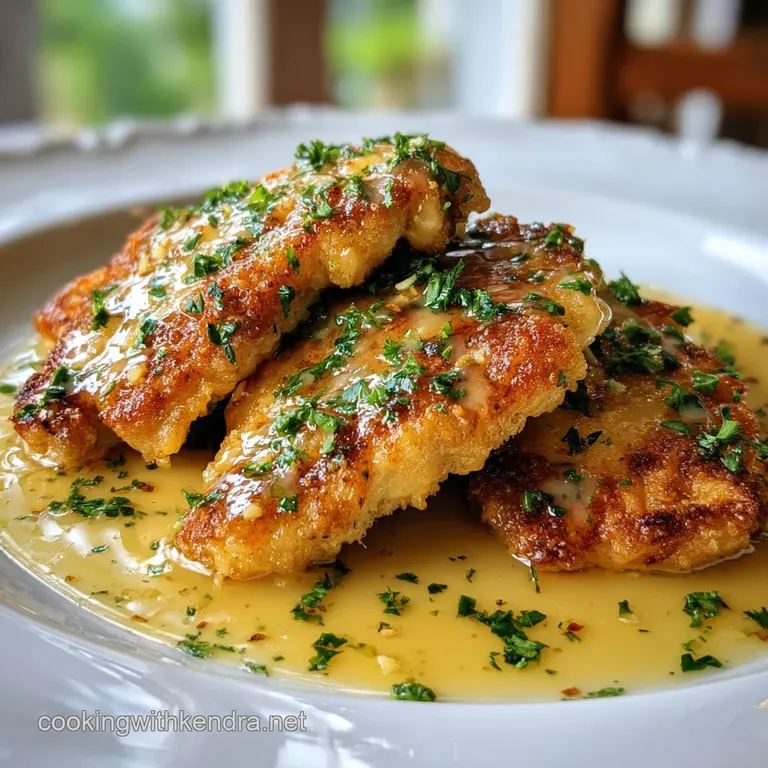
- Prep the chicken. Slice the 680g of breasts into thin cutlets and pound them to 0.5 cm thickness. Note: Uniform thickness prevents dry edges.
- Season the meat. Sprinkle both sides of the cutlets with half of the salt and pepper.
- Set up stations. Put the 65g of flour in one bowl. In a second bowl, whisk the 3 eggs with the Parmesan, parsley, and garlic powder.
- Dredge in flour. Coat each piece in flour, shaking off every bit of excess. Note: Too much flour makes the coating gummy.
- Dip in egg. Submerge the floured chicken into the egg mixture until fully coated and dripping slightly.
- Heat the oil. Add the 45ml of oil to your skillet over medium high heat until it shimmers and wisps of smoke appear.
- Sear the cutlets. Fry the chicken for 2-3 minutes per side until the coating is golden and puffed. Work in batches to avoid crowding.
- Deglaze the pan. Remove chicken to a plate. Pour in the 120ml of wine and scrape the bottom until the brown bits dissolve.
- Simmer the liquid. Add the 240ml of stock, 60ml of lemon juice, and lemon slices. Boil for 5 minutes until the liquid reduces by half.
- Finish the sauce. Turn heat to low. Whisk in the 55g of chilled butter one cube at a time until the sauce looks glossy and thick. Return chicken to the pan for 1 minute to warm through.
Troubleshooting Common Sauce and Coating Mistakes at Home
Preventing the Soggy Coating Separation
The most common issue is the coating sliding off the chicken like an oversized coat. This usually happens because the surface of the meat was wet before it hit the flour. When moisture is trapped under the flour, it turns into steam during cooking, pushing the batter away from the protein.
Always pat your chicken bone dry with paper towels before you even touch the flour bowl.
Rescuing a Broken or Greasy Sauce
If your sauce looks like yellow oil floating on top of grey water, it has "broken." This happens if the pan is too hot when you add the butter. The fat separates from the milk solids instead of emulsifying. To fix this, remove the pan from the heat immediately.
Add a splash of cold chicken stock or a teaspoon of heavy cream and whisk vigorously. The cold liquid helps the fats and water based liquids re bond.
| Problem | Root Cause | Solution |
|---|---|---|
| Coating is gummy | Too much flour remained on meat | Shake off excess flour until only a translucent veil remains |
| Chicken is tough | Overcooked or not pounded | Use a meat thermometer to pull meat at exactly 74°C (165°F) |
| Sauce is too sour | Lemon was too large/tart | Add 0.5 tsp of sugar or a bit more butter to balance acidity |
Common Mistakes Checklist
- ✓ Pat the chicken completely dry before dredging (prevents the "slip").
- ✓ Don't skip the flour step; the egg needs it to have something to grip onto.
- ✓ Ensure the oil is hot enough if it doesn't sizzle immediately, the breading will soak up oil and get greasy.
- ✓ Use low sodium stock to prevent the sauce from becoming a salt bomb after it reduces.
- ✓ Add the butter only at the very end on low heat to keep the sauce silky.
Adapting This Chicken Francese Recipe for Every Dietary Need
If you're cooking for a larger crowd, you can easily double this recipe. However, don't just double the salt and spices. Increase the salt by only 1.5 times to start, then taste at the end. When scaling up, you'll need to work in batches for the frying.
Keep the finished chicken on a wire rack over a baking sheet in a 90°C (200°F) oven to keep it crisp while you finish the rest.
If you need a gluten-free version, swap the all purpose flour for a 1 to-1 gluten-free flour blend. The texture will be slightly grainier, but it still holds the egg wash well. For a dairy-free twist, replace the butter with a high-quality vegan butter stick (ensure it's the kind meant for baking) and omit the Parmesan cheese from the egg wash.
| Variation | Change | Flavor Impact |
|---|---|---|
| The Piccata Hybrid | Add 2 tbsp of drained capers | Adds a salty, briny punch to the finish |
| gluten-free | Use almond or GF blend flour | Slightly denser crumb but still delicious |
| Extra Creamy | Add 30ml of heavy cream | Softens the lemon's sharp bite significantly |
If you enjoy the rich, savory notes of this sauce, you should definitely try my Chicken Marsala Recipe next time you're in the mood for an Italian American classic.
Debunking Popular Kitchen Myths
One common myth is that you must use expensive wine for cooking. In reality, the nuanced flavors of a $50 bottle are lost once you boil it down with chicken stock and lemon juice. Use something drinkable but affordable. Another misconception is that "neutral oil" isn't as good as olive oil for this dish.
Actually, neutral oil has a higher smoke point, which prevents the egg batter from burning before the chicken is cooked through.
Storage and Zero Waste Methods for Leftovers
Store any leftover chicken and sauce in an airtight container in the fridge for up to 3 days. To reheat, don't use the microwave; it will turn the egg coating into a rubbery mess. Instead, place the chicken in a skillet over low heat with a tiny splash of water or stock.
Cover the pan for 2 minutes to let the steam revive the sauce without overcooking the meat.
Don't toss those lemon ends! Throw the squeezed rinds into a jar of white vinegar to make a natural kitchen cleaner, or toss them into your garbage disposal to freshen it up. If you have extra egg wash left over, you can scramble it up for a quick "chef's snack" it's basically a savory, cheesy omelet.
The Best Ways to Plate and Pair Your Meal
This chicken francese recipe is traditionally served over a bed of angel hair pasta or linguine, which does a fantastic job of catching every drop of that liquid gold sauce. If you want something lighter, try serving it alongside garlicky sautéed spinach or roasted asparagus.
The green vegetables provide a beautiful color contrast to the golden chicken and bright yellow lemon slices.
Always garnish with an extra sprinkle of fresh parsley right before serving. The heat of the dish will release the herb's oils, giving you a fresh aroma as you bring the plate to the table. If you're looking for something even heartier for a cold night, consider the Chicken Stew recipe for a slow simmered comfort feel. Enjoy your meal!
Chicken Francese Recipe FAQs
What are the ingredients in chicken francese?
Key ingredients include thinly sliced chicken breasts, all-purpose flour for dredging, eggs for the batter, dry white wine, chicken stock, and fresh lemon juice for the signature sauce. Butter is crucial for emulsifying the sauce to a velvety finish.
What's the difference between chicken Piccata and chicken francese?
Chicken Piccata uses a lemon butter sauce with capers, while chicken francese features an egg-dipped coating and a lemon wine sauce. Francese's egg batter creates a slightly richer, softer texture, whereas Piccata relies on a simple flour dredge and the briny pop of capers for its distinct flavor.
What sides to serve with chicken francese?
Serve with pasta, vegetables, or a light salad. Angel hair pasta or linguine are classic choices to soak up the delicious sauce. Roasted asparagus, sautéed spinach, or a simple green salad also pair beautifully and offer a fresh contrast.
Do you need white wine for chicken francese?
Yes, dry white wine is highly recommended for authentic flavor. It provides acidity that cuts through the richness of the sauce and deglazes the pan, incorporating flavorful brown bits. If you absolutely can't use wine, a mix of chicken stock and white wine vinegar can be a substitute.
How do I prevent the egg coating from falling off?
Pat the chicken completely dry before dredging. Moisture on the chicken prevents the flour and egg from adhering properly, leading to a soggy or detached coating during cooking.
Can I make chicken francese ahead of time?
Yes, you can prepare the chicken and sauce components separately. Slice and pound the chicken up to 24 hours in advance. The sauce can also be made ahead and gently reheated. However, the final dredging and frying steps are best done just before serving for optimal texture.
Why is my sauce greasy?
This usually happens if the butter is added to a pan that's too hot. Adding chilled butter to the sauce over low heat and whisking continuously helps create a stable emulsion. If it breaks, try whisking in a splash of cold stock off the heat to bring it back together.
Chicken Francese Recipe
Ingredients:
Instructions:
Nutrition Facts:
| Calories | 598 kcal |
|---|---|
| Protein | 61.2 g |
| Fat | 28.1 g |
| Carbs | 13.8 g |
| Fiber | 1.1 g |
| Sugar | 1.8 g |
| Sodium | 685 mg |
