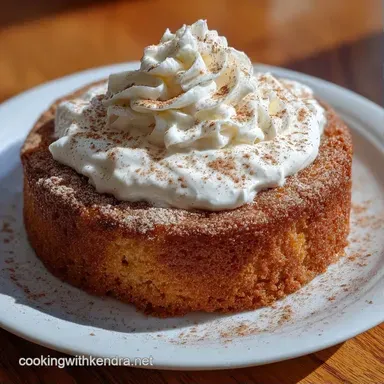
Cinnamon Horchata Poke Cake: Silky and Spiced
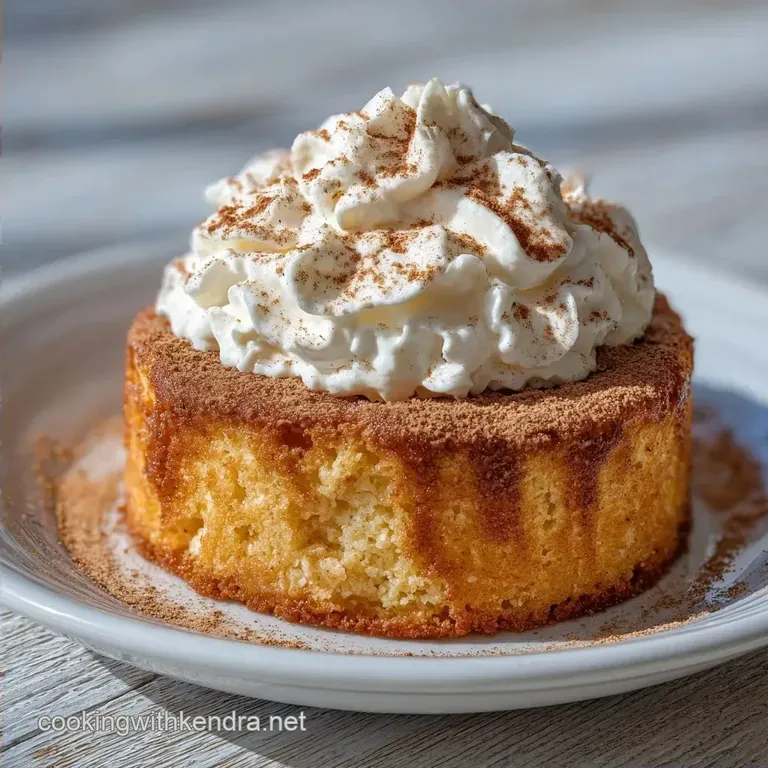
- Time: 30 min active + 4 hours chilling
- Flavor/Texture Hook: Velvety, cinnamon spiced crumb with a silky cream cheese finish
- Perfect for: Family gatherings, cultural celebrations, or a weekend project
- Making the Best Cinnamon Horchata Poke Cake
- The Logic Behind the Soak
- Ingredient Breakdown
- Gather Your Gear
- Step by Step Guide
- Fixing Common Mistakes
- Troubleshooting Common Issues
- Dietary Changes
- Adjusting the Yield
- Common Baking Misconceptions
- Freshness and Waste
- Great Side Pairings
- Recipe FAQs
- 📝 Recipe Card
Making the Best Cinnamon Horchata Poke Cake
The first time I smelled cinnamon simmering in rice milk, it took me straight back to the street markets in Mexico. That specific, woody aroma of a cinnamon stick hitting hot milk is something you can't replicate with just a powder. It's warm, nostalgic, and feels like a hug in a pot.
I wanted that exact feeling in a dessert, but I didn't want a heavy pudding. I wanted something with the structure of a cake but the soul of a cold glass of horchata.
That's how this Cinnamon Horchata Poke Cake came to be. I spent a lot of time figuring out how to get the liquid to soak in without turning the whole thing into a mushy mess. Most people overdo the liquid or use it while it's too hot, which kills the cake's structure.
But when you get the temperature and the "poke" pattern just right, the cake transforms into this lush, moist layer that practically melts on your tongue.
You can expect a dessert that is deeply aromatic and not overly sweet. The coconut sugar gives the sponge a mahogany hue and a slight caramel undertone, which plays perfectly against the creamy rice milk. It's a bit like a Tres Leches, but with a distinct, spiced profile that makes it feel a bit more special.
Trust me, once you try this, a regular vanilla cake will feel a bit boring.
The Logic Behind the Soak
Understanding why this cake behaves the way it does helps you avoid the "soggy bottom" syndrome. It's all about how the liquids interact with the baked crumb.
- The Pore System: Poking holes while the cake is warm creates vertical channels. These channels act like straws, pulling the horchata soak deep into the center of the cake instead of letting it just sit on top.
- Temperature Delta: Using a warm soak on a warm cake allows the liquid to flow more easily. If the cake is cold, the starches have set too firmly, and the liquid just slides off the sides.
- Yogurt Stability: The Greek yogurt adds acidity and fat. This keeps the crumb tight enough to hold the liquid without collapsing, giving you that velvety texture rather than a porridge consistency.
- Sugar Hydration: Coconut sugar is more hygroscopic than white sugar. It holds onto moisture, which means the cake stays fresh and damp for days in the fridge.
Right then, before we get into the ingredients, let's look at how the cooking method changes the result. I've tried this both ways, and there's a clear winner for texture.
| Method | Time | Texture | Best For |
|---|---|---|---|
| Oven Bake | 25 min | Airy, structured sponge | Traditional slices |
| Stovetop (Steamed) | 45 min | Dense, pudding like | Individual ramekins |
Choosing the oven is the way to go here because it gives you those little air pockets that the horchata soak can actually fill.
Ingredient Breakdown
Not every ingredient is just a filler. In a Cinnamon Horchata Poke Cake, each part has a job to do to ensure the flavor is authentic and the texture is right.
| Ingredient | Science Role | Pro Secret |
|---|---|---|
| Greek Yogurt | pH Balance | Adds a slight tang that cuts through the heavy cream cheese frosting |
| Rice Milk | Flavor Base | Use unsweetened to control the sugar levels of the soak |
| Coconut Sugar | Color/Flavor | Gives the cake a deep, toasted sugar taste and dark color |
| Cinnamon Stick | Aromatic | Simmering the whole stick provides a woody depth powder can't match |
I've found that the rice milk is what really makes this feel like horchata. If you use almond milk, it's too nutty. If you use soy, it's too beany. Rice milk has that specific, neutral creaminess that lets the cinnamon shine.
Gather Your Gear
You don't need a professional kitchen for this, but a few specific tools make it easier. You'll need a 9x13 inch baking pan, as the surface area is key for the poke method. A wooden skewer or a chopstick is better than a fork for the holes, because it creates a cleaner channel for the milk to travel through.
I also suggest using a hand mixer for the frosting. You want that cream cheese and butter to be completely whipped; otherwise, you'll get little lumps of butter that don't melt in your mouth. If you have a stand mixer such as KitchenAid, that's even better for getting the frosting fluffy.
Step by step Guide
Let's crack on with the actual process. Pay attention to the smells and the colors, as those are your best indicators of doneness.
Phase 1: Baking the Base
- Preheat your oven to 350°F (175°C). Grease a 9x13 inch baking pan with butter or a light spray.
- Whisk together the all purpose flour, coconut sugar, baking powder, salt, and 1 tsp ground cinnamon in a large bowl. Note: Sifting the flour here prevents lumps in the final sponge.
- Beat in the softened butter, eggs, Greek yogurt, and vanilla extract. Mix until the batter is smooth and has a rich, mahogany colored appearance.
- Spread the batter evenly across the pan. Bake for 20-25 minutes until a toothpick inserted in the center comes out clean and the edges are slightly pulling away.
Phase 2: The Infusion
- While the cake is still warm from the oven, take your wooden skewer. Poke holes approximately 1 inch apart across the entire surface. Note: Go about halfway down into the cake, but don't hit the bottom of the pan.
- In a small saucepan, combine the rice milk, evaporated milk, maple syrup, and the cinnamon stick. Simmer over medium heat for 5 minutes until it smells intensely of warm cinnamon and is steaming.
- Remove the cinnamon stick. Slowly pour the warm horchata soak over the cake, making sure to cover all the holes.
- Place the cake in the fridge for 4 hours. This is the hardest part, but the soak needs this time to penetrate the crumb fully.
Phase 3: Chilling and Finishing
- In a mixing bowl, beat together the low-fat cream cheese, softened butter, powdered monk fruit sweetener, 0.5 tsp cinnamon, and vanilla. Mix until it's smooth and fluffy.
- Spread the frosting evenly over the chilled Cinnamon Horchata Poke Cake and serve.
Chef's Note: If you're in a rush, you can chill the cake in the freezer for 1 hour, but the fridge is better for a consistent texture. Also, try grating a little fresh nutmeg on top for an extra aromatic kick.
Fixing Common Mistakes
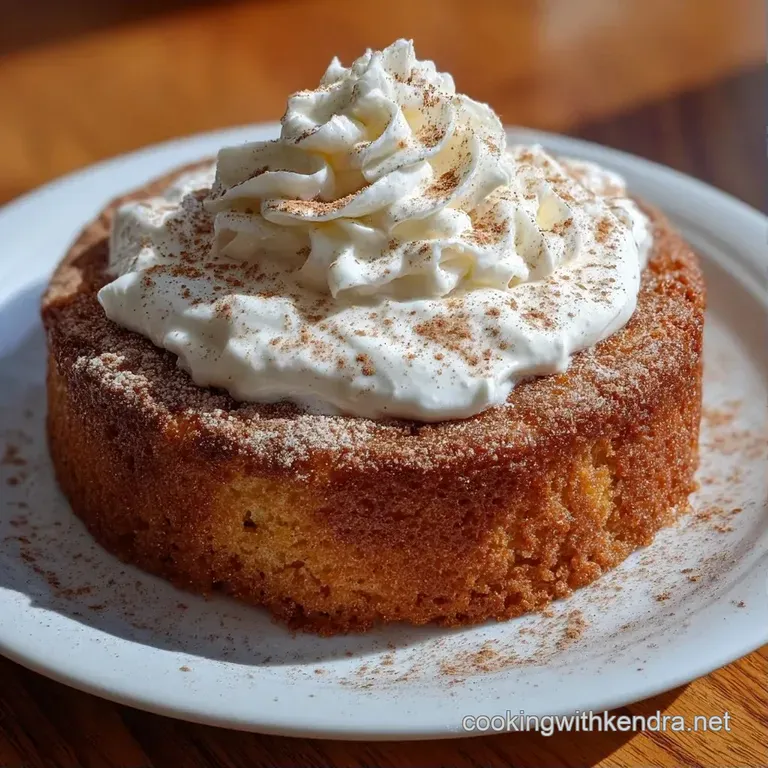
Even the best of us mess up. The most common issue with this recipe is the texture of the cake after the soak.
Troubleshooting Common Issues
| Issue | Solution |
|---|---|
| Why Your Cake Is Too Mushy | This usually happens if you poke the holes too close together or if you use too much liquid. If the holes are essentially touching, you're just removing the structure of the cake. |
| Why the Soak Didn't Absorb | If you wait until the cake is completely cold before poking and pouring, the "pores" of the cake close up. The liquid will just sit on top in a puddle. |
| Why the Frosting Is Runny | This is almost always due to the cream cheese being too warm or the butter not being properly softened. If the frosting is too loose, pop it in the fridge for 15 minutes, then beat it again. |
Quick Success Checklist:
- ✓ Oven preheated to exactly 350°F (175°C)
- ✓ Batter is a deep mahogany color before baking
- ✓ Holes are spaced 1 inch apart
- ✓ Cake chilled for a full 4 hours before frosting
Dietary Changes
Depending on who you're serving, you might need to swap a few things. Since this is a Cinnamon Horchata Poke Cake, we want to keep that creamy, spiced vibe even with substitutions.
| Original Ingredient | Substitute | Why It Works |
|---|---|---|
| All Purpose Flour | Almond Flour | Grain free. Note: Result is denser and more fragile |
| Coconut Sugar | Brown Sugar | Similar molasses flavor. Note: Increases total sugar content |
| Rice Milk | Oat Milk | Similar creaminess. Note: Adds a slightly grainier taste |
| Greek Yogurt | Sour Cream | Similar acidity and fat. Note: Makes the cake slightly richer |
If you're looking for other ways to use coconut sugar in your baking, you might enjoy my Soft Chewy Sugar Cookies which use a similar sweetness profile to get that perfect chew.
For those wondering about the sugar, the monk fruit sweetener in the frosting is a great way to keep the calories down without losing the sweetness. You can use regular powdered sugar, but the monk fruit keeps the frosting tasting "cleaner" and less cloying.
Adjusting the Yield
Sometimes a 9x13 pan is too much, or you're feeding a crowd. Here is how to handle the numbers.
Scaling Down (Half Recipe): Use an 8x8 inch square pan. Reduce the baking time by about 20% (check it at 15-18 minutes). Since you can't easily half an egg, beat one egg in a small bowl and use about 2 tablespoons of it.
Scaling Up (Double Recipe): Work in two separate 9x13 pans. Don't try to bake a double batch in one deep pan, or the middle will stay raw while the edges burn. Keep the salt and cinnamon at 1.5x instead of 2x to avoid the spices becoming overpowering.
Lower the oven temp to 325°F (160°C) and extend the baking time by 5-10 minutes to ensure the center sets properly.
Right then, if you're making this for a huge party, remember that the chilling time stays the same. Four hours is the magic number regardless of how many cakes you have in the fridge.
Common Baking Misconceptions
There are a few things people believe about poke cakes that just aren't true.
One big myth is that you need to use a boxed cake mix for a poke cake to work. While that's the "easy" way, making it from scratch with ingredients like Greek yogurt gives you a much more stable crumb. A boxed cake is often too airy and can collapse under the weight of the soak.
Another misconception is that the soak has to be boiling hot. In reality, a simmer is all you need. If the liquid is boiling when it hits the cake, it can actually "cook" the starch in the sponge, making it gummy rather than velvety.
Freshness and Waste
This cake actually tastes better on day two because the flavors have more time to marry.
Storage Guidelines: Keep the cake in an airtight container in the fridge. It will stay fresh and moist for up to 5 days. Because of the high moisture content from the horchata soak, do not leave this cake on the counter for more than 2 hours.
Freezing Tips: You can freeze the unfrosted cake. Wrap it tightly in plastic wrap and foil. It will last about 2 months. When you're ready to eat it, thaw it in the fridge overnight, then frost it fresh.
Zero Waste Tips: If you have leftover rice milk or evaporated milk from the soak, don't toss it. It's already cinnamon infused! Use it as a creamer for your morning coffee or swirl it into a bowl of oatmeal. If you have leftover frosting, it makes a great dip for fresh apple slices.
Great Side Pairings
Because this Cinnamon Horchata Poke Cake is so rich and creamy, it pairs best with things that have a bit of contrast, either something tart or something with a crunch.
I love serving this with a side of fresh berries, like raspberries or blackberries. The tartness of the fruit cuts right through the cream cheese frosting. If you want something even more decadent, this cake actually goes surprisingly well with a scoop of vanilla bean ice cream or a dollop of whipped cream.
If you're planning a full dessert spread, this is a great companion to something with a different texture. For example, the crunch of my Praline Butter Cake provides a nice contrast to the soft, soaked layers of the horchata cake.
Right then, you've got everything you need. Just remember: don't rush the chill time, and don't be afraid of that cinnamon stick. Let's get baking!
Recipe FAQs
How do I prevent a soggy poke cake?
Space the holes approximately 1 inch apart. Poking them too close together destroys the cake's structure and results in a mushy texture.
Is it true that horchata is just milk and cinnamon?
No, this is a common misconception. Authentic horchata uses a rice base; this recipe blends rice milk, evaporated milk, maple syrup, and a cinnamon stick for a richer flavor.
How to make the horchata soak?
Simmer rice milk, evaporated milk, maple syrup, and a cinnamon stick over medium heat for 25 minutes. Remove the cinnamon stick before slowly pouring the warm liquid over the cake.
How do I achieve a custardy texture in the cake?
Poke holes while the cake is warm and refrigerate for 4 hours. If you enjoyed mastering this custardy crumb, see how a similar moisture profile works in our brioche classic.
Why is the horchata soak sitting on top of the cake?
The cake was likely too cold when you poked the holes. The "pores" of the cake close as it cools, so you must pour the soak while the cake is still warm to ensure absorption.
Why is the frosting runny?
The cream cheese or butter was likely too warm. Ensure these ingredients are properly softened but not melted to maintain a smooth and fluffy consistency.
How to store the cake before serving?
Refrigerate the cake for 4 hours before applying the frosting. This allows the soak to fully penetrate the crumb and stabilizes the cake for a cleaner finish.
Cinnamon Horchata Poke Cake for 12