Crock Pot Roast with Potatoes and Carrots: the Sunday Best Slow Cooker Recipe
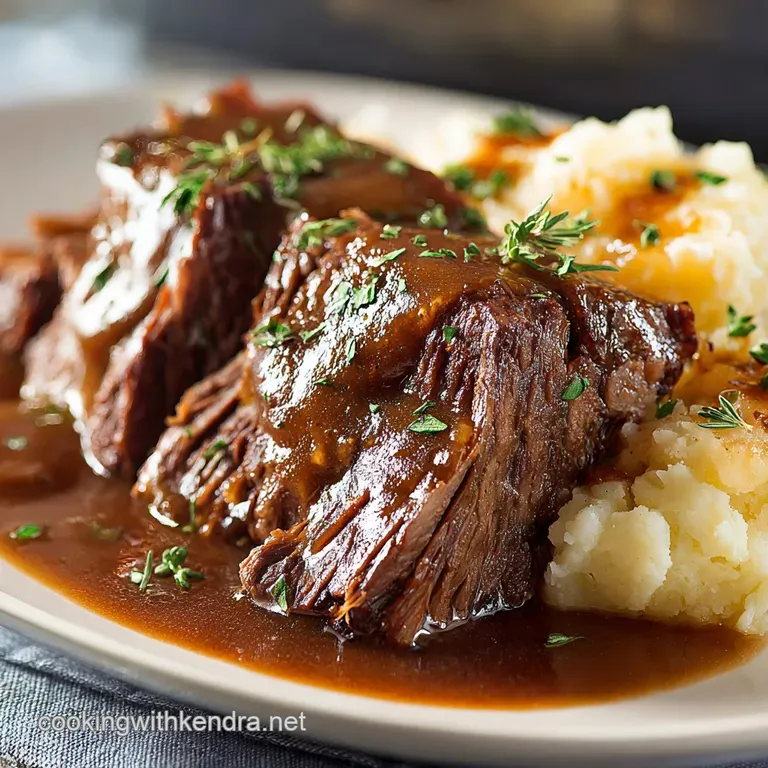
- The Ultimate 'Sunday Best' Crock Pot Roast: A Family Tradition
- Essential Ingredients for the Perfect Pot Roast Gravy
- Slow Cooking Success: Step-by-Step Instructions
- The Science of Tenderness: Why Searing is Non-Negotiable
- Troubleshooting Your Crock Pot Roast: Expert Tips and Fixes
- Storage Solutions: Preserving the Quality of Leftovers
- The Perfect Companions: Serving Suggestions for Your Hearty Meal
- Recipe FAQs
- 📝 Recipe Card
The Ultimate 'Sunday Best' Crock Pot Roast: A Family Tradition
The scent of this Crock Pot Roast filling your kitchen is pure magic, instantly turning an ordinary Tuesday into a cozy Sunday afternoon. It’s that deep, savory, earthy aroma that just promises comfort food at its very best.
When you finally pull the roast apart, the strands are so tender and silken they practically fall into the thick, rich gravy all by themselves.
This recipe is truly a weeknight lifesaver because it uses an inexpensive cut of meat and requires only 20 minutes of active attention. You toss everything in your slow cooker, walk away for eight hours, and return to an utterly spectacular meal that costs way less than takeout.
It’s the easiest way I know to feed a hungry crowd without breaking the bank or sacrificing flavour.
I spent years making dry, sad roasts because I skipped the crucial first step. Never again! I’m going to share all my secrets including the one non-negotiable step that gives you maximum flavour so you can enjoy this classic without any stress.
Let’s crack on and make the best pot roast you’ll ever try.
What Makes This Pot Roast Truly Meltingly Tender
This recipe works because we understand the magic of time and temperature. A tough, hardworking piece of meat like a chuck roast is packed with collagen, which is basically flavor wrapped in elastic bands. High heat just makes it seize up and become chewy, which is why quick cooking never works here.
Low Effort, High Reward: The Slow Cooker Advantage
The slow cooker’s gentle, consistent heat (especially on the LOW setting) breaks down that tough collagen into luscious, velvety gelatin over several hours. This process releases all the moisture back into the meat, ensuring every bite is succulent and tender. This technique is similar to what we use for our famous Crock Pot Beef Stew: The Tender, Flavor Rich Slow Cooker Recipe .
Skill Level Required: Absolutely Foolproof
Don't be intimidated by the searing step; it’s quick and simple. Honestly, if you can chop a carrot and press a button, you can master this pot roast. The biggest skill required is patience while you wait for the beautiful aromas to develop.
Essential Ingredients for the Perfect Pot Roast Gravy
The best pot roast isn’t just about the meat; it’s about the incredible sauce it creates. We build flavor from the bottom up, ensuring the liquid is rich enough to become a spectacular gravy later.
Selecting the Right Cut for Slow Cooking (Chuck vs. Other Cuts)
We rely on the Chuck Roast (sometimes labeled Pot Roast) because of its excellent marbling and high collagen content. This is what guarantees that wonderful, shredded texture.
Avoid leaner cuts like sirloin; they don’t have enough fat or connective tissue to stay moist during the long cooking time.
Building the Aromatic Foundation (Root Vegetables and Herbs)
Onions, carrots, celery, and potatoes not only provide a great textural contrast, but they also act as a crucial 'rack' to lift the roast off the bottom of the crock pot. I always use fresh thyme and bay leaves because they give the liquid a robust, earthy background note that tastes deeply homey.
The Key to Richness: Stock Selection and Seasoning
Tomato paste adds a crucial layer of deep umami flavor that you can't get otherwise don't skip spreading it directly onto the seared roast. I highly recommend using a dry red wine (like Cabernet) if possible; the tannins and acidity add complexity and depth, transforming the final gravy into something truly luxurious.
If you’re skipping the wine, a splash of balsamic vinegar in the stock helps replace some of that necessary acid.
Customizing the Recipe: Adjusting for Dietary Needs
Need to adjust for allergies or dietary preference? I've got you covered with a simple table of swaps.
| Ingredient | Substitute Recommendation |
|---|---|
| Chuck Roast | Brisket (Flat Cut) or Blade Roast |
| Dry Red Wine | Equal parts strong brewed coffee or Beef Stock + 1 tsp Red Wine Vinegar |
| Worcestershire Sauce | Soy Sauce (use 1/2 the amount) or Coconut Aminos |
| All-Purpose Flour (for Gravy) | Cornstarch slurry (1 Tbsp Cornstarch + 2 Tbsp Cold Water) |
Slow Cooking Success: step-by-step Instructions
Preparing the Roast: Patting Dry and Seasoning Deeply
Before you do anything else, pat that chuck roast bone dry. Seriously. If the surface is damp, it will steam instead of sear, and we want maximum crust! Season the meat generously with salt and pepper, then lightly dredge it in flour this aids browning and helps the final gravy thicken beautifully.
The Critical Searing Phase: Achieving a Deep Golden Brown Crust
This is the step I foolishly skipped for years to save five minutes. You must sear the roast. Heat your oil in a heavy skillet until shimmering hot, then sear the meat on all sides for 3– 4 minutes each until it develops a deep mahogany crust.
That dark layer, known as the Maillard reaction, is where 80% of your final flavor lives.
Chef's Note: After removing the seared roast, pour a little red wine into the hot pan and scrape up those beautiful dark bits stuck to the bottom. That is pure flavor the fond —and you absolutely want that in your slow cooker liquid.
Setting the Slow Cooker: Timing and Temperature Control
Layer the chopped vegetables (onions, carrots, celery, potatoes) in the bottom of the slow cooker first, making a cushion for the roast. Place the seared, tomato paste-slathered roast on top. Pour in your deglazing liquid, beef stock, Worcestershire, and balsamic, then tuck the herbs around the edges.
Cook on LOW for 8 hours . The LOW setting is your friend here; resist the urge to rush it on HIGH unless you are truly desperate.
Finishing the Dish: Making the Silky, Thick Gravy
Once the roast is fall apart tender, remove it along with the vegetables and let it rest, tented with foil. Pour the remaining liquid into a saucepan and skim off the excess fat that’s floating on top.
If you want a thicker, silky gravy, bring the liquid to a simmer and whisk in a quick roux (equal parts softened butter and flour) until it thickens up beautifully.
The Science of Tenderness: Why Searing is Non-Negotiable

Achieving the Perfect Crust (The Maillard Reaction)
Searing the meat triggers the Maillard reaction, which is a complex chemical process involving amino acids and sugars, resulting in hundreds of different flavor compounds. It creates a deep, nutty, savory crust. Without this step, your pot roast will taste pale, flat, and watery, no matter how long you cook it.
Transforming Tough Cuts into Silky Strands
The low and slow cooking environment is specifically designed to work against the tough nature of the chuck cut. The process of turning collagen into gelatin acts as an internal basting mechanism, yielding meat that is literally saturated with moisture and flavour.
Troubleshooting Your Crock Pot Roast: Expert Tips and Fixes
Why Your Roast Might Still Be Tough (And How to Fix It)
If your roast comes out of the crock pot after eight hours and still resists shredding, it is not overcooked— it is undercooked. When collagen is broken down, the meat becomes fall apart tender. If it’s tough, it means it hasn't reached that crucial temperature/time threshold yet.
Fix: Cover the slow cooker and cook for another 1– 2 hours on LOW. I made this mistake once when my old slow cooker ran a little cool.
Preventative Measures Against Dry Meat
Dry meat usually happens when the roast sits above the liquid line and lacks adequate moisture. To prevent this, ensure your total liquid comes up at least halfway, and always use the vegetables as a natural cushion beneath the meat. Using the chuck cut, which has plenty of internal fat, also helps immensely.
Storage Solutions: Preserving the Quality of Leftovers
Leftover pot roast is a genuine culinary gift. It’s perfect for sandwiches, filling savory pastries, or turning into a shepherd’s pie base.
Safe Refrigeration Guidelines for Cooked Meat and Gravy
Cool the roast and the gravy quickly before storage. I recommend storing the shredded roast submerged in the gravy in an airtight container; this keeps the meat moist and flavourful. It will last safely in the refrigerator for up to 4 days.
Best Practices for Freezing and Thawing Pot Roast
Yes, this freezes beautifully! Pack the shredded roast and gravy together in a freezer safe bag or container, leaving about an inch of headspace for expansion. It maintains great quality for up to 3 months.
To reheat: Thaw overnight in the fridge, then gently reheat on the stovetop or in the oven (covered with foil) until piping hot throughout. Do not microwave if you can avoid it, as it tends to dry out the edges.
The Perfect Companions: Serving Suggestions for Your Hearty Meal
A dish this rich demands sturdy side dishes ready to soak up every drop of that gravy.
- Creamy Mashed Potatoes: Non-negotiable, in my book. You need a fluffy, blank canvas for the thick, wine infused sauce.
- Simple Crusty Bread: Perfect for swiping the last bits of gravy off the plate.
- A Bright, Crunchy Salad: Something simple tossed with vinaigrette provides a nice acidic contrast to the richness of the meat.
- A Classic Comfort Pairing: Sometimes I take these leftovers and layer them beneath cheesy mash for a quick version of Cottage Pie: The Rich Pub-Style Recipe with Cheesy Potato Mash . It's the ultimate winter warm-up.
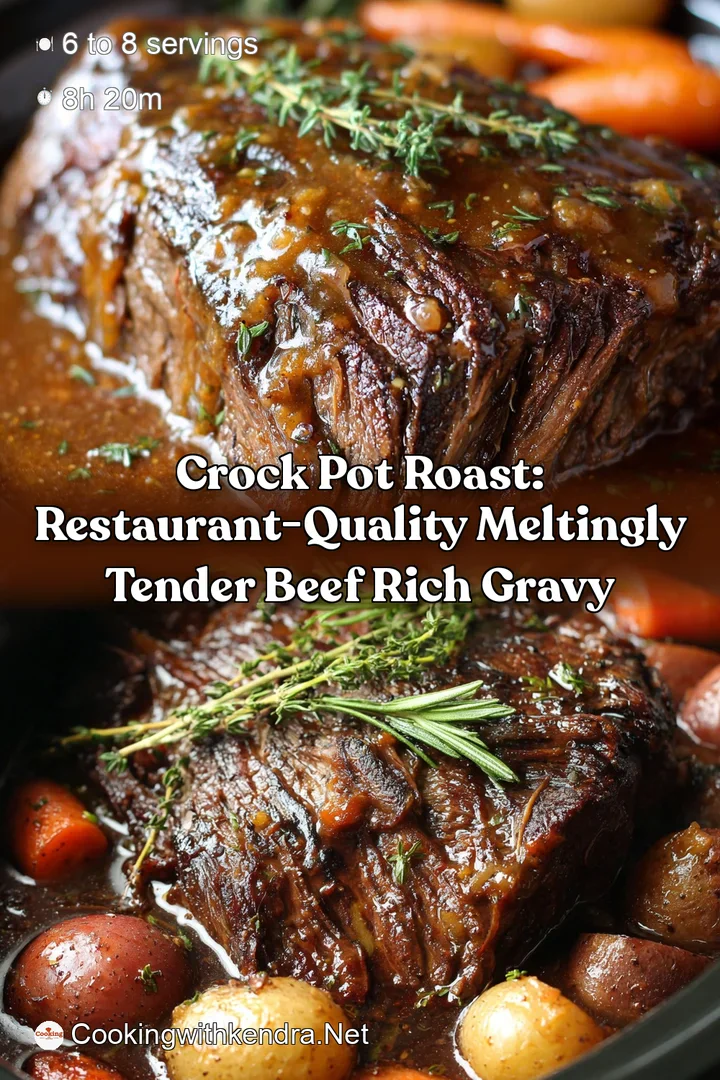
Recipe FAQs
Why is my pot roast still tough after cooking all day?
A tough roast usually means it hasn't cooked long enough yet to fully break down the collagen and connective tissues. Tough cuts like chuck require sustained, low heat, often 8 to 10 hours on the LOW setting, to reach that fall apart tenderness. If it's tough, simply keep cooking it until it shreds easily.
Is the initial searing step truly necessary for a slow cooker roast?
While you technically can skip it, searing is essential for the Maillard reaction, which develops deep, complex flavour and colour that transfers to the gravy. It creates a critical layer of richness we highly recommend, as it defines the "Sunday Best" quality of this recipe.
Skipping the sear results in a flatter, less robust flavour profile.
What other cuts of beef can I use besides a Chuck Roast?
Look for other economical, well marbled cuts high in connective tissue, such as Rump Roast, Brisket (point or flat), or even Shoulder Clod. Avoid using very lean cuts like Sirloin or Tenderloin, as they will dry out significantly during the extended cooking process required for a traditional roast.
My roast is cooked, but the resulting gravy is too thin. How do I thicken it?
Remove the meat and vegetables, then transfer the cooking liquid to a separate saucepan and bring it to a gentle simmer. Create a slurry by mixing 1 tablespoon of cornstarch with 2 tablespoons of cold water, whisk it into the simmering liquid, and cook until the gravy reaches your desired consistency.
How long can I store leftover pot roast, and can I freeze it?
Leftovers should be stored in an airtight container and can be safely refrigerated for 3 to 4 days. Pot roast freezes exceptionally well; ensure you freeze the meat and the gravy together in a freezer safe bag or container to keep the meat moist, and consume within 3 months.
Can I substitute the beef broth with red wine or another liquid?
Yes, you can substitute up to half of the beef broth with a dry, flavourful red wine like Cabernet Sauvignon or Merlot for a deeper, more acidic background note. Alternatively, you can use vegetable broth, although this may slightly dilute the signature rich beef flavour.
Can I cook this recipe on the High setting instead of Low?
While technically faster, we strongly advise against using the High setting, as the connective tissues require a long, gentle heat to fully dissolve and tenderize the meat. Cooking too quickly often results in a roast that is tough and dry before the desired 'fall apart' texture is achieved.
Always aim for the LOW setting for optimal tenderness.
Classic Slow Cooker Pot Roast
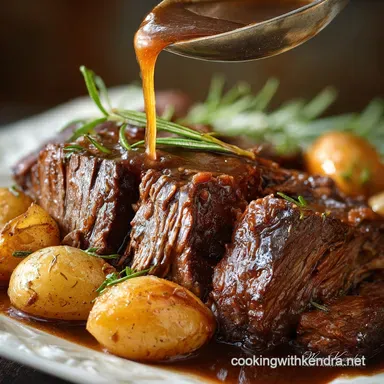
Ingredients:
Instructions:
Nutrition Facts:
| Calories | 615 kcal |
|---|---|
| Protein | 53.0 g |
| Fat | 33.0 g |
| Carbs | 23.0 g |
