Pumpkin Pie with Sweetened Condensed Milk: the Silky Smooth, No-Fuss Filling
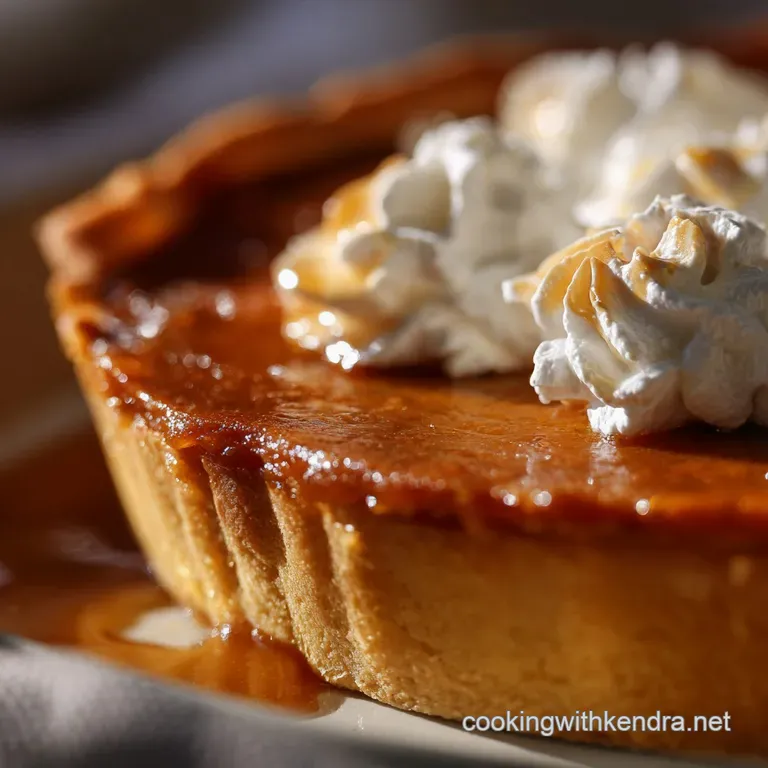
- Achieving the Silky Smooth Finish: Why Sweetened Condensed Milk is the Secret
- Why This Recipe Works: The Science Behind the Velvety Texture
- Essential Pantry Checklist: Ingredients for the Perfect Condensed Milk Pumpkin Pie
- Substitutions and Ingredient Prep Notes
- Baking Instructions: How to Make the Best Pumpkin Pie with Sweetened Condensed Milk
- Expert Tips and Troubleshooting Common Pumpkin Pie Mistakes
- Extending Freshness: Storage and Freezing Your Condensed Milk Pumpkin Pie
- Presentation and Pairings: How to Serve This Decadent Dessert
- Recipe FAQs
- 📝 Recipe Card
Achieving the Silky Smooth Finish: Why Sweetened Condensed Milk is the Secret
That first wave of scent when the door opens, heavy with cinnamon, ginger, and brown sugar? It’s pure, immediate autumn joy. This Pumpkin Pie with Sweetened Condensed Milk gives you a filling that is impossibly creamy, deeply flavored, and set perfectly every time.
It’s the dessert everyone fights over at the holiday table, guaranteed.
Honestly, traditional recipes can be a bit of a nightmare sometimes, demanding careful temperature control and resulting in grainy textures if you blink wrong. This Pumpkin Pie Recipe With Condensed Milk is a lifesaver because the SCM does all the heavy lifting, replacing multiple sugars and creams in one reliable can.
It is fast, incredibly reliable, and delivers a velvety texture with zero fuss.
I wasted years stressing over cracked tops and weeping custards, honestly, my early pie attempts were genuinely tragic. But trust me on this shortcut: we have absolutely cracked the code for the best, most straightforward Creamy Pumpkin Pie imaginable. Let's dive into the foolproof process!
Why This Recipe Works: The Science Behind the Velvety Texture
The Condensed Milk Advantage: Texture and Richness Defined
Sweetened Condensed Milk (SCM) is the secret weapon here. It provides three things simultaneously: high sugar content, intense dairy richness, and the binding proteins that help the custard set perfectly.
Because the water content is significantly reduced compared to regular milk, we get a fudgier, denser texture that holds up beautifully when sliced. It’s impossible to achieve this level of velvety richness with standard evaporated milk alone.
Is This the Easiest Pumpkin Pie with Sweetened Condensed Milk Recipe?
Yes, because we skip complicated temperature stages or fussy double boilers. You literally whisk everything together in one bowl. The high concentration of sugar in the condensed milk helps to stabilize the eggs and the pumpkin purée.
This simplification means less time worrying about curdling and more time enjoying the aroma coming from your oven.
Flavor Science: Achieving a Perfectly Balanced Sweet Custard Set
Since the SCM is intensely sweet, we must ensure the spices are bold and powerful enough to prevent the pie from tasting overwhelmingly saccharine. We are using a higher ratio of ginger and cinnamon than you might find in a traditional recipe.
Adding the fine sea salt is non-negotiable ; it acts as a flavor anchor, balancing the high sugar and elevating the earthy pumpkin notes.
Avoiding the 'Dry' Pie: How SCM Increases Moisture Retention
Pumpkin pies often crack or dry out because the custard sets too quickly and shrinks upon cooling. The high fat and sugar content in the Sweetened Condensed Milk Pumpkin Pie works like a protective blanket.
It keeps the moisture locked in, resulting in a slightly soft, incredibly moist filling even after days in the fridge.
Essential Pantry Checklist: Ingredients for the Perfect Condensed Milk Pumpkin Pie
| Ingredient | Role in the Pie | Substitution Notes |
|---|---|---|
| Pumpkin Purée | Structure, flavor base | Use butternut squash purée 1:1 if you are in a pinch. |
| Sweetened Condensed Milk (SCM) | Sweetener, binder, texture | See Dairy Swaps section below for alternatives, but SCM is highly recommended. |
| Large Eggs | Leavening, setting agent | Can use 4 large egg yolks instead of 2 whole eggs for an even richer custard (but don’t skip them entirely!). |
| Spice Blend | Aroma, balance | Use 2 tsp pre-mixed pumpkin spice if you lack individual spices. |
| Pie Shell | Foundation | Graham cracker crust works beautifully here for a no-bake variation. |
Substitutions and Ingredient Prep Notes
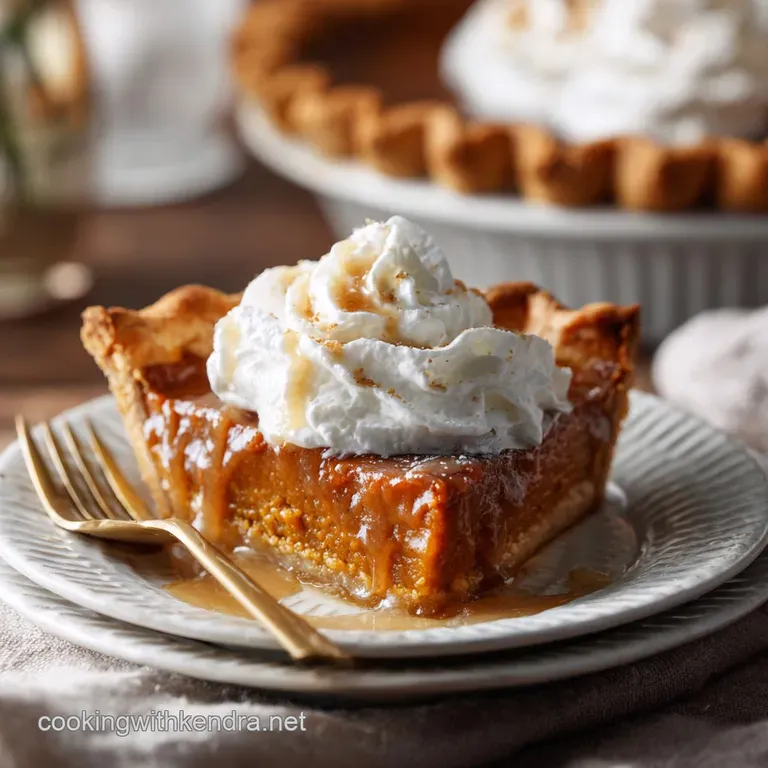
The Star Spice Blend: Balancing Cinnamon, Nutmeg, and Ginger Ratios
I swear by a heavy hand when it comes to the spices. Don't be shy with the cinnamon, but use cloves sparingly because they can overpower the entire filling and make it taste medicinal. Kendra's Top Tip: Whisk the spices, salt, and half a cup of the pumpkin purée together first.
This simple trick "blooms" the spices, intensifying their aromatic power before the rest of the wet ingredients dilute them.
Choosing Your Pumpkin Puree (Canned vs. Homemade Considerations)
I am giving you full permission to use the canned stuff it is consistent, cheap, and always works perfectly. Ensure you grab pure pumpkin purée, not the pre-spiced "pumpkin pie filling." If you insist on using homemade roasted pumpkin purée, make sure you drain it thoroughly through cheesecloth first.
Excess moisture is the enemy of a beautifully set custard.
Crumb or Crust? Pre-Made vs. Homemade Pie Shell Notes
You can definitely use a store-bought crust here; just make sure it's a deep dish nine inch size. If you’re feeling ambitious, use a classic shortcrust pastry, and remember to blind bake it. A buttery graham cracker crust is also a lovely pairing for this creamy, heavily spiced filling.
Dairy Swaps: Can I Use Evaporated Milk Instead of Condensed Milk?
You technically can use evaporated milk, but the result will be much lighter, less rich, and you will need to add a significant amount of sugar (about 3/4 cup granulated) to compensate for the lost sweetness and density.
If you want the true, Traditional Pumpkin Pie Recipe decadence that holds its shape, stick with the SCM. It’s what delivers that signature silky texture.
Baking Instructions: How to Make the Best Pumpkin Pie with Sweetened Condensed Milk
Prepping the Shell: Blind Baking for a Soggy Proof Base
The first step is setting the oven to 425°F (220°C). If you are using a raw pastry shell, blind baking is essential to prevent a soggy bottom. Prick the shell all over, line it with foil and weights (or dry beans), and bake for 10 minutes.
Then remove the weights and reduce the oven temperature immediately to 350°F (175°C) before moving on.
Mixing the Filling: Achieving the Seamless, Uniform Texture
In a large bowl, whisk the canned pumpkin and the condensed milk until completely incorporated and glossy. Next, lightly whisk the eggs and I mean lightly, don't incorporate too much air and fold them into the pumpkin mixture along with the vanilla and spices. Mix until just combined.
Overmixing introduces air bubbles that can cause the pie to puff up too much and then crack dramatically when cooling.
The Critical Baking Window: Temperature and Time Guide
Carefully pour the filling into your prepared pie shell. Place the pie on a sturdy baking sheet for easy transfer. Bake for 50– 60 minutes at 350°F (175°C). Ensure you shield the crust edges with foil or a pie protector halfway through the baking time to prevent them from burning.
The Cooling Process: Why Rest is Non-Negotiable for Setting
This is where impatience will ruin your perfect pie. Once the pie is done (see the Doneness Test section below), remove it and let it cool completely on a wire rack at room temperature for at least two hours. After that, slide it into the fridge.
You must chill the pie for a minimum of three hours (or ideally overnight) to allow the custard proteins to fully firm up and lock in that silky set.
Expert Tips and Troubleshooting Common Pumpkin Pie Mistakes
Preventing Cracks and Sinking: The Water Bath or Shielding Method
The biggest mistake people make is baking the pie too hot, too fast. This causes the outside to cook quickly while the center is still liquid. The result is a cracked top as the edges shrink.
Chef's Note: For the ultimate insurance policy against cracking, use a water bath (bain marie). Place the pie dish inside a larger pan and fill the outer pan halfway up the pie dish with boiling water before putting it in the oven. This steamy environment promotes even, gentle cooking.
Doneness Test: The Jiggle or Thermometer Method
You need to stop cutting into the pie to check! The pie is done when a thin, sharp knife inserted one inch from the edge comes out clean, and the center still has a slight, soft wobble like very loose jelly. It is essential to take the pie out while the center still jiggles.
It will finish setting through residual heat (carry over cooking) as it cools down on the counter.
Proper Cooling and Refrigeration for Longevity
As soon as the pie is cool to the touch (around 2 hours after baking), transfer it to the refrigerator. Keeping it cool immediately prevents bacterial growth and speeds up the full setting process.
Always cover the pie loosely with plastic wrap once fully chilled to prevent it from drying out or absorbing fridge odors.
Extending Freshness: Storage and Freezing Your Condensed Milk Pumpkin Pie
Freezing Slices vs. Whole Pies (A Practical Guide)
This pie freezes beautifully, thanks to the high fat content of the SCM! You can freeze the entire pie, but I prefer freezing individual slices. Wrap each slice tightly in plastic wrap, then wrap again in aluminum foil. They keep well for up to three months.
To thaw, simply unwrap the foil and let the slices defrost overnight in the refrigerator.
Storage and Reheating
Store the pie tightly covered in the refrigerator for up to 4 days. While many people prefer to eat this pie cold, you can gently reheat slices if you prefer a warm dessert. Put slices in a 300°F (150°C) oven for about 10– 15 minutes until just warm through.
Be warned: Reheating can sometimes make the crust slightly softer.
Presentation and Pairings: How to Serve This Decadent Dessert
Best Toppings: Whipped Cream Alternatives and Garnishes
Skip the aerosol can you deserve better than that. Make fresh whipped cream sweetened lightly with maple syrup or brown sugar. Alternatively, a dollop of thick crème fraîche offers a beautiful tanginess that cuts through the sweetness of the condensed milk.
Garnish with a light dusting of cinnamon or freshly grated nutmeg right before serving.
Pairing Recommendations: Coffee, Spiced Tea, and Dessert Wines
This rich dessert needs a beverage with a bit of backbone. A strong, dark roast coffee or a deeply spiced black tea works wonderfully. If you are looking for something boozy, a glass of robust Tawny Port or a rich, dark rum sipper will complement the intense caramel notes of the Sweetened Condensed Milk Pumpkin Pie. If you need a savory counterpoint to serve before this dessert, you could always check out my recipe for Tailgate snacks for a crowd: Robust Sausage Rolls with Cheddar .

Recipe FAQs
Why is my pumpkin pie filling runny or cracked?
Runniness usually indicates under baking; ensure the pie edges are completely set and the center jiggles only slightly like firm gelatin before removing it from the oven. Cracking often occurs due to rapid cooling or over baking, so let the pie cool slowly on a wire rack away from drafts to prevent temperature shock.
Can I use evaporated milk instead of sweetened condensed milk (SCM)?
No, substituting evaporated milk for SCM will fundamentally change the outcome of this specific recipe. Sweetened condensed milk is crucial as it provides both the necessary sugar content and the high viscosity required to ensure the filling sets properly without additional binders.
Evaporated milk is thin and unsweetened, resulting in a liquid filling.
How can I intensify the spice flavor in the pie?
To deepen the spice profile, slightly increase the amount of ground cinnamon, ginger, and cloves by half a teaspoon each, or incorporate a small amount of freshly grated nutmeg. For an advanced technique, gently toast your dried spices in a dry pan for 30 seconds before mixing them into the puree to activate their essential oils.
Is it necessary to pre-bake (blind bake) the crust for this recipe?
While not strictly mandatory, blind baking the crust is highly recommended when dealing with wet fillings like this condensed milk mixture. Pre-baking the shell for about 10 15 minutes ensures a robust, crisp foundation that prevents the dreaded 'soggy bottom' when the heavy filling is poured in.
How long does the finished pie last, and does it need refrigeration?
Yes, due to the high content of dairy (SCM) and eggs, the baked pumpkin pie must be refrigerated after cooling completely on the counter for no more than two hours. When properly wrapped in plastic or stored in an airtight container, the pie maintains peak freshness and quality for 3 to 4 days.
Can I make this specific condensed milk pie recipe dairy-free or vegan?
Yes, this pie can be adapted by utilizing canned sweetened condensed coconut milk, which offers a comparable sweetness and thickness to regular SCM. Ensure you also select a suitable vegetable based fat crust and confirm that your pumpkin puree does not contain any hidden milk solids for a truly vegan result.
What is the ideal internal temperature for a perfectly baked pumpkin pie?
The ideal internal temperature for safe consumption and perfect texture is between 175°F and 180°F (79°C to 82°C). Using an instant read thermometer ensures accuracy, confirming the custard is fully cooked while retaining its silky smooth quality without becoming tough or rubbery.
Condensed Milk Pumpkin Pie Recipe
Ingredients:
Instructions:
Nutrition Facts:
| Calories | 430 kcal |
|---|---|
| Protein | 7.0 g |
| Fat | 19.0 g |
| Carbs | 59.0 g |
