How to Cook Flank Steak
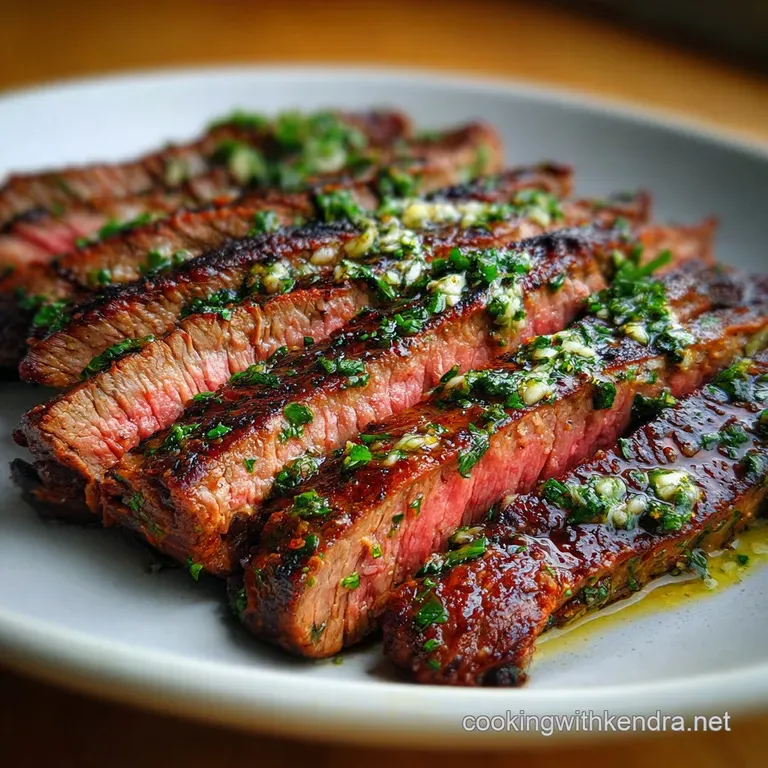
- Time: Active 10 minutes, Passive 10 minutes, Total 20 minutes
- Flavor/Texture Hook: Velvety garlic butter over a charred, savory crust
- Perfect for: Busy weeknights, meal prep, or a budget-friendly date night
- Master how to cook flank steak for tenderness
- The Science of Seared Protein
- Essential Timing and Recipe Details
- Pantry Staples for Bold Marinades
- Heavy Tools for High Heat
- Walkthrough for Buttery Seared Results
- Fixing Common Steak Texture Issues
- Easy Flavor and Dietary Swaps
- Storage and Zero Waste Tips
- Perfect Pairings for Family Dinner
- High in Sodium
- Recipe FAQs
- 📝 Recipe Card
Master how to cook flank steak for tenderness
Listen for that aggressive hiss the moment the meat touches the heavy iron. It is the sound of success. I remember the first time I tried to cook this cut; I treated it like a ribeye, tossed it in a lukewarm pan, and ended up with something that had the texture of a high end garden hose.
It was a disaster that my family still teases me about. But that failure taught me the most important lesson in the kitchen: lean meat needs a specific strategy.
We are going to take 1.5 lbs Flank Steak and turn it into something so tender it practically melts. The secret isn't just in the heat, but in how we handle the fibers before and after they hit the pan. This isn't about expensive ingredients; it is about smart techniques that respect the anatomy of the cow.
We want that deep, dark char on the outside while keeping the center a lush, glowing pink.
By the time we finish, you will have a technique that works every single time, whether you are making a quick Tuesday dinner or hosting friends on a Saturday night. This recipe is built for the home cook who wants maximum impact without spending a fortune.
Let's get into the details of why this specific method is the only one you will ever need.
The Science of Seared Protein
Enzymatic Breakdown: The balsamic vinegar in our marinade acts as a gentle acid that weakens surface proteins, allowing moisture to penetrate deeper into the lean fibers.
The Maillard Reaction: Honey provides the necessary reducing sugars to accelerate browning at high temperatures, creating that savory, charred crust in under four minutes per side.
Muscle Fiber Orientation: Flank steak consists of long, distinct muscle bundles; slicing against these fibers at a 45 degree angle shortens them, physically removing the "chew" from the meat.
| Method | Time | Texture | Best For |
|---|---|---|---|
| Cast Iron | 10 mins | Deep crust, juicy | Achieving restaurant quality indoors |
| Outdoor Grill | 8 mins | Smoky, charred edges | Summer gatherings and large batches |
| Oven Broiler | 12 mins | Even browning, soft | Hands off cooking with minimal cleanup |
The cast iron method is my personal favorite because it allows us to baste the meat in 3 tbsp Unsalted butter and 2 cloves grated garlic right at the finish. This creates a velvety fat cap that lean flank steak naturally lacks. If you are looking for other ways to use your oven for hearty meals, you might enjoy learning how to cook recipe for those nights when you want a slower pace.
Essential Timing and Recipe Details
Precision is the difference between a steak that is "fine" and a steak that people talk about for weeks. Because flank is so lean, the window for a perfect medium rare is tiny usually just a matter of sixty seconds.
We use a over high heat sear to lock in the juices while the internal temperature climbs steadily.
| Component | Science Role | Pro Secret |
|---|---|---|
| Soy Sauce | Brining agent | Season the meat from the inside out to retain moisture |
| Honey | Caramelization | Use just enough to bridge the gap between salty and sweet |
| Garlic | Aromatic depth | Grate the garlic for the butter to ensure it dissolves into the fat |
The interaction between the soy sauce and the balsamic vinegar creates a complex umami profile that mimics aged beef. This is a classic "budget smart" move. You are using pantry staples to elevate a $15 piece of meat into something that tastes like a $50 entrée.
It is all about how these molecules react when they hit 400°F.
Pantry Staples for Bold Marinades
Gathering your ingredients for this recipe is straightforward. Most of these are likely already in your cupboard, which is why this is such a winner for a busy family.
- 1.5 lbs Flank Steak: Look for a piece with even thickness so it cooks at the same rate. Why this? It's a lean, flavorful muscle that loves over high heat cooking.
- 3 tbsp Soy sauce: Use tamari if you need a gluten-free option. Why this? Provides salt and breaks down tough proteins.
- 2 tbsp Olive oil: Standard extra virgin works perfectly here. Why this? Carries fat soluble garlic flavors into the meat.
- 1 tbsp Balsamic vinegar: A budget friendly red wine vinegar works too. Why this? The acidity tenderizes the outer layers.
- 1 tbsp Honey: Maple syrup is a great alternative. Why this? Encourages a dark, crackling crust during the sear.
- 3 cloves Garlic, minced: For the marinade depth. Why this? Infuses the meat with foundational savory notes.
- 3 tbsp Unsalted butter: Essential for the finishing baste. Why this? Adds the necessary richness to a lean cut.
- 2 cloves Garlic, grated: Specifically for the finishing butter. Why this? Raw grated garlic has more "bite" than minced.
- 1 tsp Fresh parsley: Adds a pop of color and freshness. Why this? Cuts through the richness of the butter.
- 0.5 tsp Coarse sea salt: For finishing texture. Why this? Provides a clean, sharp salty crunch.
- 0.5 tsp Cracked black pepper: Freshly ground is non negotiable. Why this? Adds heat and floral notes to the crust.
Heavy Tools for High Heat
To get that restaurant style sear, you need a pan that can hold onto heat like a grudge. A cast iron skillet is the gold standard here. When you drop a cold piece of meat onto a thin stainless steel pan, the temperature drops instantly, leading to steaming rather than searing.
We want a sizzle that sounds like a standing ovation.
If you don't have cast iron, a heavy bottomed carbon steel pan or a thick grill pan will work. You also need a pair of sturdy tongs. Don't use a fork to turn your steak; piercing the meat allows those precious juices to escape into the pan.
A reliable meat thermometer is your best friend here guessing is for people who like eating shoe leather.
Chef's Tip: Freeze your butter for 10 minutes before grating the garlic into it. It makes the butter easier to handle and ensures it doesn't melt too fast when you start the finishing baste.
Walkthrough for Buttery Seared Results
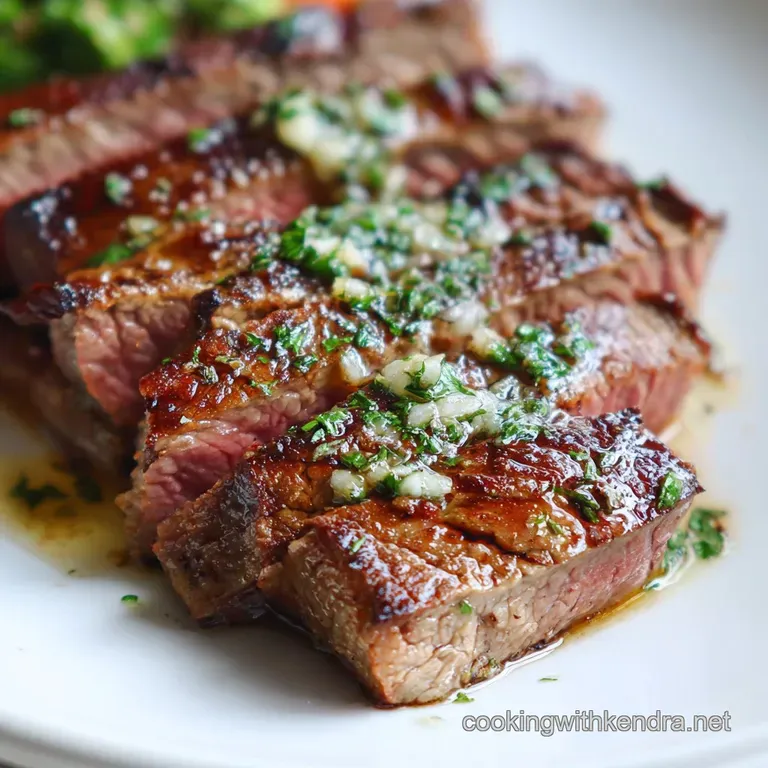
Phase 1: Quick Prep
Whisk together 3 tbsp Soy sauce, 2 tbsp Olive oil, 1 tbsp Balsamic vinegar, 1 tbsp Honey, and 3 cloves minced Garlic in a large bowl. Place the 1.5 lbs Flank Steak in the marinade, ensuring every inch is coated.
Note: Let it sit for at least 30 minutes, or up to 4 hours in the fridge.
Phase 2: Sizzling Sear
Heat your cast iron skillet over high heat until it just begins to smoke. Remove the steak from the marinade and pat it completely dry with paper towels. Note: Moisture on the surface creates steam, which prevents browning.
Phase 3: Precision Finish
Place the steak in the pan and sear for 3 to 4 minutes without moving it. Wait until a dark mahogany crust forms before flipping.
Phase 4: Critical Rest
Flip the steak and add 3 tbsp Unsalted butter and 2 cloves grated garlic to the pan. Tilt the skillet and spoon the foaming butter over the meat for another 3 minutes. Cook until the internal temp hits 130°F for a perfect medium rare.
Phase 5: The Final Cut
Transfer the steak to a cutting board and let it rest for a full 10 minutes. Wait until the juices redistribute before slicing against the grain.
Phase 6: Finishing Touches
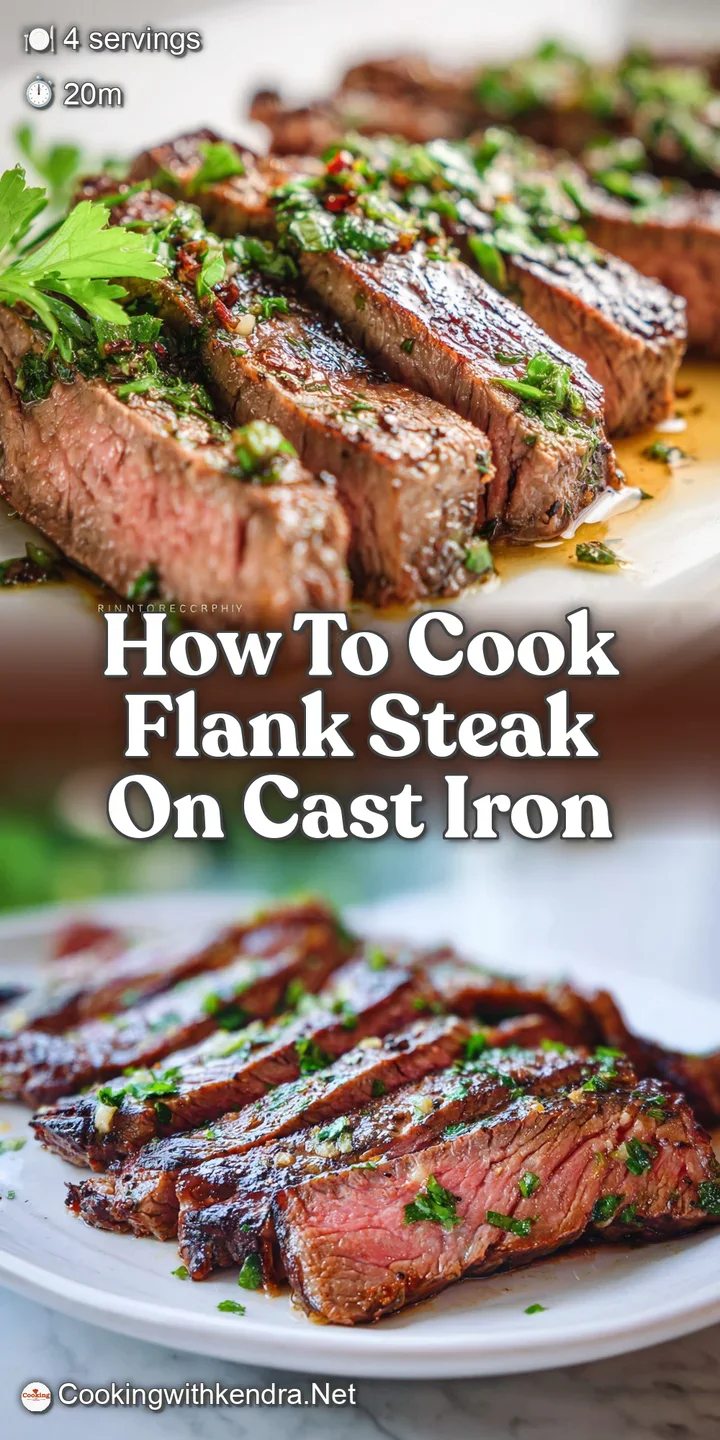
Slice the meat at a 45 degree angle into thin strips. Sprinkle with 1 tsp Fresh parsley, 0.5 tsp Coarse sea salt, and 0.5 tsp Cracked black pepper.
Phase 7: Serving Preparation
Arrange the slices on a warm platter and pour any remaining garlic butter from the pan over the top.
Phase 8: Flavor Integration
Let the slices sit in the butter for 60 seconds before serving to ensure every bite is coated in that velvety garlic fat.
Fixing Common Steak Texture Issues
If your flank steak turns out chewy, it is almost always a mechanical error rather than a heat error. This muscle is designed for movement, meaning the fibers are thick and strong. If you slice along those fibers, you are asking your teeth to do the work that your knife should have done.
Prevent Chewy Results
The most common mistake is slicing with the grain. If you look at the steak, you will see lines running in one direction. You must cut perpendicular to those lines. It transforms the experience from "rubbery" to "tender." If you find your kitchen filling with smoke, your pan is likely too hot or you are using an oil with a low smoke point.
Avoid a Smoky Kitchen
Using olive oil is fine for the marinade, but when you hit the pan, ensure you aren't leaving puddles of extra marinade on the meat. That sugar in the honey will burn quickly.
| Problem | Root Cause | Solution |
|---|---|---|
| Gray, bland exterior | Surface moisture | Pat the steak bone dry before searing |
| Tough, rubbery texture | Sliced with grain | Always slice perpendicular to the visible lines |
| Burnt garlic flavor | Added too early | Only add garlic butter in the last 2 minutes |
Common Mistakes Checklist
- ✓ Forgot to pat the meat dry (leads to gray, boiled looking meat)
- ✓ Skimped on the resting time (all the juices will run out on the board)
- ✓ Sliced the steak too thick (thin slices are key for flank)
- ✓ Overcrowded the pan (causes the temperature to plummet)
- ✓ Used a cold steak (take it out of the fridge 20 mins before cooking)
Easy Flavor and Dietary Swaps
If you need to adjust this for your family's needs, it is quite flexible. For a gluten-free version, tamari is a straight 1:1 swap for soy sauce. If you want to skip the honey for a keto friendly option, a few drops of liquid monk fruit or just omitting it entirely works, though you will lose some of that deep mahogany color.
| Original Ingredient | Substitute | Why It Works |
|---|---|---|
| Soy Sauce (3 tbsp) | Tamari (3 tbsp) | Provides the same saltiness and umami without gluten |
| Balsamic Vinegar (1 tbsp) | Lime Juice (1 tbsp) | Swaps the deep sweetness for a bright, citrusy acidity |
| Honey (1 tbsp) | Brown Sugar (1 tbsp) | Offers a deeper molasses flavor but burns slightly faster |
For Flank Steak Tacos
Swap the balsamic for lime juice and add a teaspoon of cumin to the marinade. The over high heat sear still works perfectly, and the thin slices are ideal for tucking into charred corn tortillas.
Quick Flank Steak Stir Fry
If you have a slightly smaller piece of meat, slice it raw first, then toss it in the marinade. Flash fry it in a wok for 2 minutes. The technique is different, but the flavor profile holds up beautifully. If you're looking for another classic beef dish, our Salisbury Steak is recipe is another fantastic way to make beef go further on a budget.
Storage and Zero Waste Tips
Fridge: Store leftovers in an airtight container for up to 4 days. When reheating, do it gently in a pan with a splash of water or beef broth to prevent the meat from becoming tough.
Freezer: You can freeze the marinated, raw steak for up to 3 months. The acid in the marinade will continue to work slightly, so it will be incredibly tender once thawed.
Zero Waste: Don't throw away the "silver skin" or trimmings if you do your own butchery. Toss them into a bag in the freezer for the next time you make beef stock. Even the leftover garlic butter in the pan can be saved I like to toss it with roasted potatoes the next day. It is pure gold.
Perfect Pairings for Family Dinner
A steak this bold needs sides that can stand up to the garlic and soy. I almost always serve this with crispy smashed potatoes or a simple rice pilaf to soak up the extra garlic butter.
If you want to keep it lighter, a charred broccoli or a zesty arugula salad provides a great bitter contrast to the richness of the meat.
For those who want a truly festive spread, this flank steak pairs beautifully with a zesty relish, much like the one found in my Guide to recipe. The acidity of a relish or chimichurri cuts right through the buttery finish of the steak, making every bite feel fresh.
Searing Does Not Seal in Juices This is a myth that won't die. Searing creates a flavor packed crust through the Maillard reaction, but it doesn't create an impermeable barrier. Moisture is actually lost during the searing process.
The reason we sear is for the flavor and texture, not for "locking in" liquid.
Room Temperature Myth While I suggest taking the steak out 20 minutes early, it won't actually reach room temperature in that time. The real benefit is taking the "chill" off so the pan doesn't lose too much heat.
You don't need to leave it out for hours; a quick 20 minute rest on the counter is plenty.
The "Flip Only Once" Rule You can actually flip your steak multiple times! Some studies show that flipping every minute leads to more even cooking and a faster result.
However, for flank steak, the "3 minutes per side" rule is simpler for most home cooks to follow and yields that signature thick crust we love.
Whether you're making this for a quick Monday meal or a weekend treat, remember: dry the surface, high heat, and slice against the grain. You've got this!
High in Sodium
985 mg mg of sodium per serving (43% % of daily value)
The American Heart Association recommends limiting sodium intake to about 2,300mg per day for overall health.
Sodium Reduction Tips for this Flank Steak Recipe
-
Low-Sodium Soy Sauce-20%
Replace regular soy sauce with a low-sodium version. This simple swap can significantly reduce the sodium content.
-
Reduce Added Salt-25%
Eliminate the 0.5 tsp of coarse sea salt entirely or reduce it to 1/4 tsp. Taste the steak after cooking and add a small amount only if needed.
-
Adjust Honey-5%
Reduce the amount of honey by 1/2 tbsp to decrease sweetness and balance the flavor profile after reducing the sodium.
-
Unsalted Butter-10%
Ensure that the butter used for the garlic butter is unsalted. This prevents hidden sodium from creeping into the recipe.
-
Enhance with Herbs & Spices
Experiment with other herbs and spices like garlic powder, onion powder, smoked paprika, or red pepper flakes to boost flavor without adding sodium.
Recipe FAQs
What is the best way to cook flank steak?
Sear it over high heat in a cast iron skillet. This method creates a beautiful, flavorful crust while keeping the inside tender and juicy. Ensure the steak is patted completely dry before hitting the hot pan, and always slice it thinly against the grain after a good rest.
What is the best thing to do with flank steak?
Marinate it, sear it hot, and slice it thin. Flank steak shines when it's marinated to add flavor and tenderness, then cooked quickly over high heat for a great sear. Thinly slicing against the grain is crucial for its signature tender texture, making it perfect for dishes like tacos or stir fries.
Does flank steak get tender the longer you cook it?
No, quite the opposite. Flank steak is a lean cut that can become tough and dry if overcooked. It’s best cooked quickly to medium rare, as prolonged cooking breaks down the proteins too much, resulting in a chewy texture. If you're looking for a tender result from slow cooking, consider a cut like chuck roast in a Crockpot Recipe with Beef and Potatoes - Comfort Food Classic.
What are the common mistakes when cooking flank steak?
The most common mistakes are not patting the steak dry, slicing with the grain, and overcooking it. Moisture on the surface prevents a good sear, slicing with the grain leaves it tough, and cooking it past medium rare makes it chewy. Always let it rest before slicing thinly against the grain.
How do I tenderize flank steak?
Marinate it with an acidic component and slice against the grain. A marinade with ingredients like balsamic vinegar or soy sauce helps break down muscle fibers. Crucially, slicing the cooked steak thinly against the direction of the muscle fibers drastically shortens them, making it much more tender to eat.
Can I grill flank steak?
Yes, grilling is an excellent method for flank steak. High, direct heat from the grill sears the outside quickly, creating a delicious crust while keeping the inside tender. Just like with pan-searing, ensure you marinate it beforehand and slice it thinly against the grain after resting.
What temperature should flank steak be cooked to?
For medium rare, aim for an internal temperature of 130-135°F (54-57°C). This range offers the best balance of tenderness and juiciness for flank steak. Use a meat thermometer to ensure accuracy, and remember the temperature will rise a few degrees during the resting period.
Cook Flank Steak
Ingredients:
Instructions:
Nutrition Facts:
| Calories | 432 kcal |
|---|---|
| Protein | 33.5 g |
| Fat | 31.2 g |
| Carbs | 4.8 g |
| Fiber | 0.2 g |
| Sugar | 3.2 g |
| Sodium | 985 mg |
