Cottage Cheese Alfredo Pasta: Creamy Fast
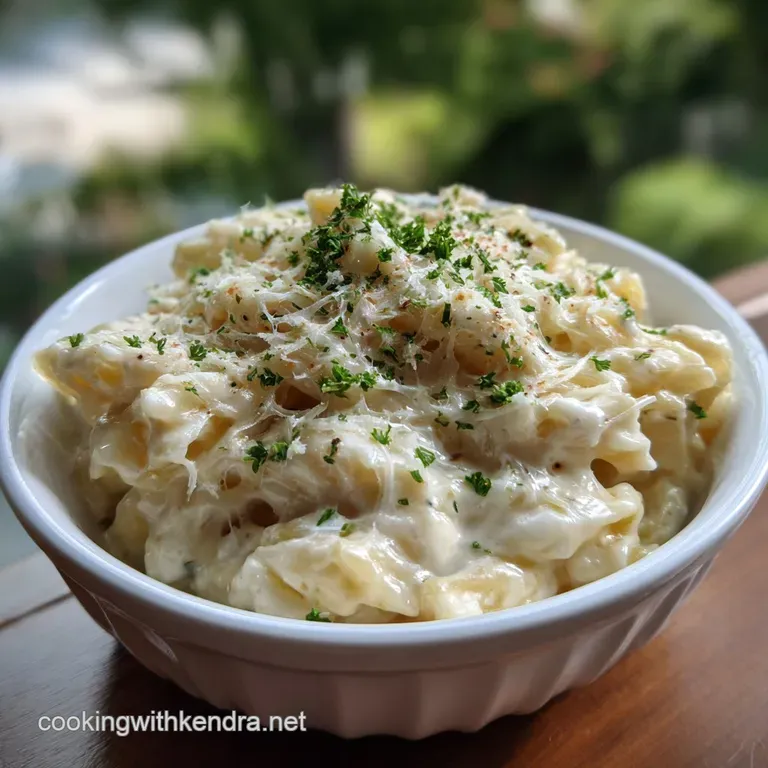
- Velvety High-Protein Cottage Cheese Alfredo Pasta
- Why Cottage Cheese Creates the Perfect Creamy Alfredo Sauce
- Ingredients Needed for Cottage Cheese Alfredo & Easy Swaps
- How to Make Creamy Cottage Cheese Pasta Alfredo (Step-by-Step)
- Common Mistakes When Making Cottage Cheese Alfredo
- Storing and Reheating Cottage Cheese Alfredo
- Recipe FAQs
- 📝 Recipe Card
Velvety High Protein Cottage Cheese Alfredo Pasta
If you’ve ever walked into my kitchen when this dish is cooking, you know exactly what I mean when I say pure magic happens: the butter hits the pan, the minced garlic starts to sizzle and release that intoxicating fragrance, and suddenly, you’re making high protein Cottage Cheese Alfredo Pasta .
I know, I know. Cottage cheese and Alfredo in the same sentence sounds like blasphemy, but trust me, this ultra creamy, ridiculously easy recipe is about to change your life.
For years, I avoided making classic Alfredo because, well, it’s basically just heavy cream and butter, and sometimes my stomach just screams NO. But I missed that luscious, rich, cheesy comfort. The secret to this specific Cottage Cheese Alfredo Pasta Recipe ?
We completely ditch the heavy cream and use the humble curd as our base. It delivers over 45g of protein per serving and takes less than 25 minutes. Hello, healthy comfort food!
This isn't just a passable substitute; this is legitimately the silkiest, most satisfying Creamy Cottage Cheese Alfredo Pasta you will ever make. It's truly a weeknight lifesaver when you need something quick, delicious, and legitimately good for you.
Why Cottage Cheese Creates the Perfect Creamy Alfredo Sauce
Understanding Casein Protein and Texture
The reason this substitution works isn’t just about making a healthier swap; it's about food science. Cottage cheese is mostly casein protein and water, and when you blend it high speed, you mechanically break down those curds until they are microscopically tiny.
This results in a liquid that, texture wise, is incredibly similar to the fat globules found in heavy cream.
But here’s the key: Protein is volatile when heated. Unlike fat (which stabilizes), protein can seize or separate if the heat is too high. So, the secret to making perfect, non-grainy Cottage Cheese Alfredo is twofold. First, you need a high speed blender to achieve that velvety base.
Second, you must introduce the heat gently, almost like you’re tucking in a baby, ensuring the proteins don't get shocked and break their beautiful structure.
Achieving Smoothness: Blending Techniques Explained
The starch in the reserved pasta water is also essential. When you add that starchy water to the blended cottage cheese, you create what chefs call an emulsion . The starch molecules grab onto the fat and protein from the cheese, binding them together into a thick, glossy sauce that clings perfectly to every single strand of pasta.
That’s why you always, always, always reserve that starchy liquid!
Ingredients Needed for Cottage Cheese Alfredo & Easy Swaps
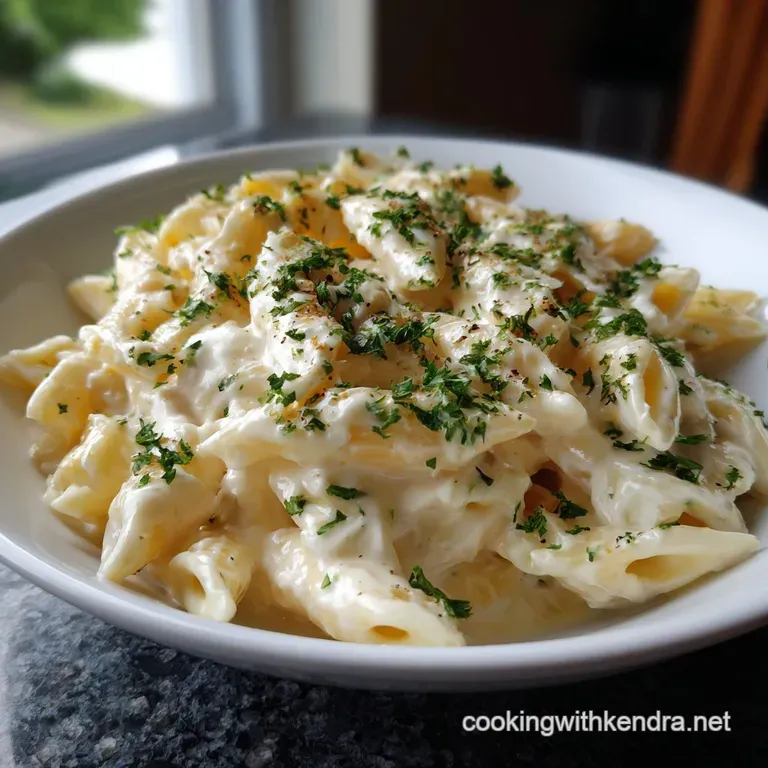
To get the best texture, always choose full fat cottage cheese (4% milkfat) if you can it has a lower water content, meaning the blended sauce will be richer and more stable.
| Ingredient | Role in the Recipe | Swap/Alternative |
|---|---|---|
| Full Fat Cottage Cheese | High protein base, texture | Full fat ricotta (blended), plain Greek yogurt (use slightly less liquid), silken tofu (for dairy-free). |
| Grated Parmesan | Flavor, salt, stabilizing agent | Pecorino Romano, Nutritional Yeast (for depth), or Grana Padano. |
| Unsalted Butter | Fat, flavor, helps sauté garlic | Olive oil or Ghee, though butter is best for true Alfredo flavor. |
| Reserved Pasta Water | Starch, emulsification | Chicken broth or vegetable stock, but results will be less glossy. |
| Nutmeg | Secret flavor enhancer | Don’t skip it! If you must, a tiny pinch of white pepper works. |
If you love cheesy comfort dishes like this, but need a great appetizer, check out my recipe for Mac and Cheese Cups Recipe: Crispy Baked Bites — they use similar savory elements!
How to Make Creamy Cottage Cheese Pasta Alfredo (step-by-step)
Prep Time: 10 minutes | Cook Time: 15 minutes | Total Time: 25 minutes | Servings: 4
1. Boil and Reserve the Liquid Gold
Bring a large pot of water to a violent, rolling boil. Salt the water heavily it should taste like the ocean! Add your pasta and cook until perfectly al dente . Crucially, before draining, scoop out at least 1 cup of that beautifully cloudy, starchy water. Set the drained pasta aside.
2. Create the Velvety Sauce Base
In your high speed blender, combine the cottage cheese, grated Parmesan, black pepper, nutmeg, and 1/2 cup of the reserved pasta water (start with less liquid; you can always add more). Blend on high for 60 to 90 seconds until the mixture is completely, utterly smooth. Seriously, blend until you see zero visible curds.
This creamy base is the core of our Cottage Cheese Alfredo Pasta .
3. Sauté and Sizzle
Melt the butter in a large skillet or sauté pan over medium low heat. Add the minced garlic and sauté for about 30 45 seconds, just until you smell that heavenly fragrance and the garlic edges are lightly golden brown. Don't let it burn, or the flavor will become bitter!
4. Gently Heat the Cottage Cheese Alfredo Sauce
Reduce the heat to the lowest possible setting. Pour the blended cottage cheese mixture into the skillet with the garlic butter. Stir continuously and gently heat the sauce for 2– 3 minutes.
Important: Do not let this sauce boil or simmer rapidly, or the protein will break and look grainy.
5. Combine and Emulsify
Add the cooked pasta directly into the sauce in the skillet. Toss vigorously I mean, really toss it to coat every single surface. If the sauce looks too thick or sticky, slowly incorporate the remaining reserved pasta water, one tablespoon at a time, until the sauce clings beautifully.
It should look glossy and tight. This is where the magic emulsification happens, giving you that authentic Cheese Alfredo Pasta texture.
6. Serve Immediately
Transfer the pasta immediately to warm bowls. Garnish with fresh parsley and extra Parmesan. Enjoy this delicious, high protein take on a classic!
Common Mistakes When Making Cottage Cheese Alfredo
This recipe is simple, but working with dairy proteins requires a tiny bit of finesse. Here are the 2 big pitfalls I learned the hard way:
| The Mistake | Why It Happens (The Science) | The Fix |
|---|---|---|
| Grainy Texture | The cottage cheese curds weren't fully broken down in the blender, or the sauce got too hot, causing the proteins to tighten and separate. | Blend longer initially (use the highest speed). If it’s already grainy, whisk in 1 2 tbsp of cold milk or heavy cream off the heat to cool it down and attempt to re-emulsify. |
| Watery Sauce | Too much liquid was added before the pasta, or the pasta wasn't tossed vigorously enough to release starch and bind the liquid. | Toss harder! If that fails, place the skillet over low heat and gently whisk, allowing some excess moisture to evaporate. Alternatively, mix 1 teaspoon of cornstarch with 1 tablespoon of cold water, then slowly whisk into the sauce until thickened. |
| Lack of Flavor Depth | Skipping the nutmeg or using pre-grated Parmesan (which contains anti caking agents). | Always use freshly grated nutmeg and block Parmesan. The quality of the cheese drastically changes the flavor of your Cottage Cheese Alfredo Pasta . |
Storing and Reheating Cottage Cheese Alfredo
Because this is a protein heavy sauce rather than a traditional heavy cream sauce, you need to be extra careful with how you handle the leftovers to prevent separation.
Safe Storage Guidelines (Refrigeration)
Store leftovers in an airtight container in the refrigerator for up to 3 days. Do not leave the Cottage Cheese Pasta sitting out at room temperature for more than two hours.
Can You Freeze Cottage Cheese Alfredo Pasta?
Technically, yes, but I strongly advise against it. Freezing and thawing dairy based, high protein sauces almost always results in a highly grainy, separated texture because the protein structure breaks down completely in the cold.
If you must, stir in an extra 1/4 cup of heavy cream (if you have it) before freezing, as the added fat will offer some stabilization.
The Best Way to Reheat Leftovers Without Separating
Forget the microwave. The high, uneven heat is the enemy here.
- Place the leftovers in a non-stick skillet over the absolute lowest heat setting.
- Add a splash (1 2 tablespoons) of fresh milk, broth, or water.
- Stir continuously, scraping the bottom of the pan, until the pasta and sauce are warmed through and have recombined into a creamy consistency. This patient, gentle approach keeps your Cheese Alfredo Pasta silky smooth.
Serving Ideas
Since you’re making such a smart, high protein main dish, keep the sides simple! This dish pairs beautifully with a simple, acidic salad to cut through the richness. If you want a quick dessert that uses similar pantry ingredients (like cream cheese!), you absolutely have to try my Cheesecake Stuffed Strawberries: No-Bake Easy Dessert .
To make this the ultimate High Protein Pasta Recipes meal, serve it alongside grilled chicken, seared shrimp, or even crumbled Italian sausage mixed right into the sauce.
This Cottage Cheese Alfredo Pasta is proof that comfort food doesn't have to be heavy. It’s rich, fast, and satisfies that craving every single time. Seriously, go make it now!
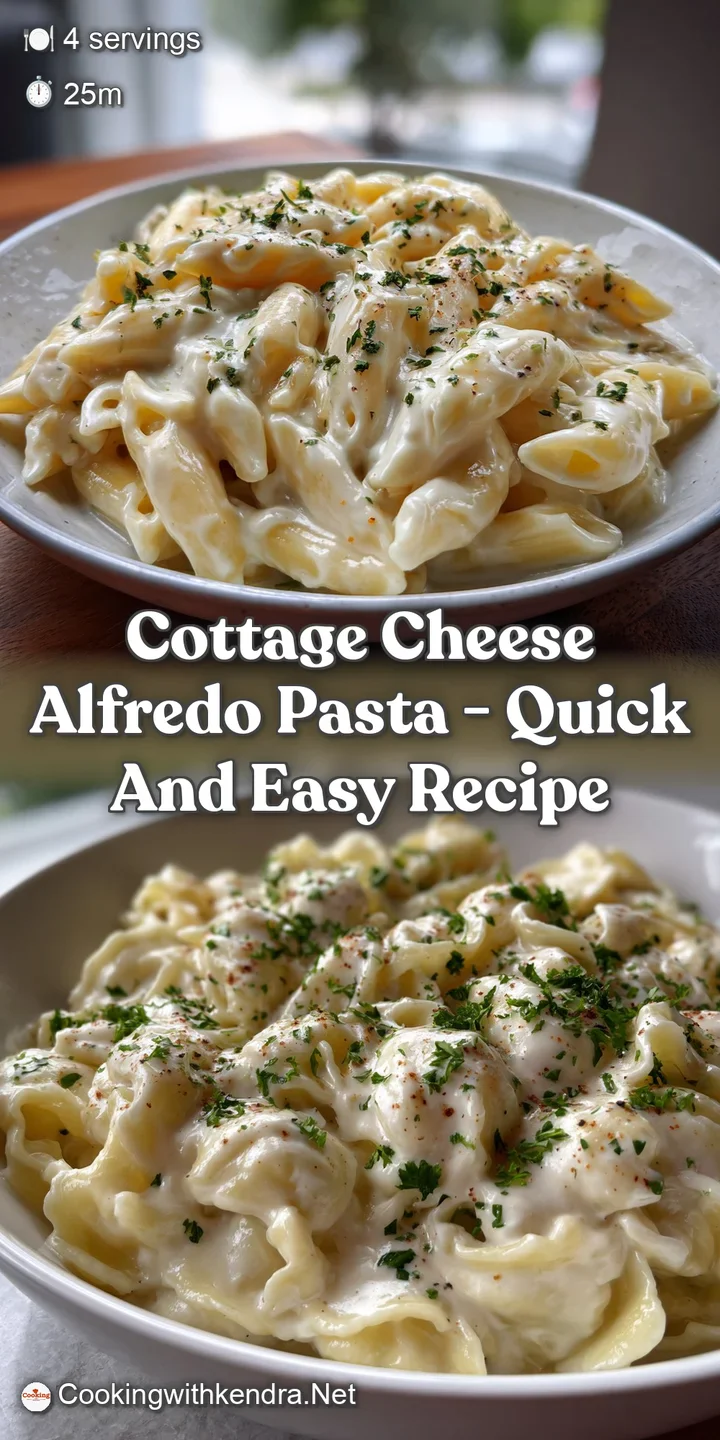
Recipe FAQs
How does cottage cheese create a creamy Alfredo sauce without heavy cream?
The key to this transformation is blending. When cottage cheese is fully pureed using a high powered blender, the curds break down and emulsify into a smooth, liquid base that perfectly mimics the richness and velvety texture of traditional heavy cream.
Will this high protein sauce taste noticeably like cottage cheese?
No, the flavor of cottage cheese is completely masked. The intense, savory components fresh garlic, rich butter, and potent grated Parmesan cheese dominate the sauce profile. The blending process further neutralizes the subtle cottage cheese tang, leaving behind only a luxurious, savory base.
How much protein does this version add compared to a traditional Alfredo?
Traditional Alfredo is primarily fat-based and offers minimal protein. By substituting the cream base with cottage cheese, this recipe drastically boosts the nutritional value, often tripling the overall protein content per serving depending on the type of cottage cheese used.
Why did my sauce turn out grainy or lumpy?
Graininess usually happens if the cottage cheese was not blended long enough to achieve a perfectly smooth consistency prior to heating. Alternatively, the sauce may have curdled if it was heated too aggressively or boiled after combining with the pasta. Ensure gentle heating and thorough pureeing.
Can I use low-fat or fat-free cottage cheese for this recipe?
While you can use lower fat versions, full fat (4%) cottage cheese is highly recommended. The higher fat content provides the best emulsion and mimics the mouthfeel of traditional cream most closely, ensuring the richest and most satisfying texture.
How should I store and reheat leftover Cottage Cheese Alfredo?
Store leftovers in an airtight container in the refrigerator for up to three days. To reheat, add a tablespoon of milk or water to the sauce, warm it gently over very low heat, and stir constantly. This prevents the sauce from separating or drying out.
Can I use other types of cheese besides Parmesan?
Parmesan is crucial for that classic Alfredo flavor profile. However, you could substitute a portion of it with Pecorino Romano for a sharper taste, or use nutritional yeast for a mild, cheesy, dairy-free flavor boost if needed.
Cottage Cheese Alfredo Pasta
Ingredients:
Instructions:
Nutrition Facts:
| Calories | 600kcal |
|---|---|
| Protein | 50g |
| Fat | 28g |
| Carbs | 53g |
| Fiber | 3g |
