Cottage Cheese Alfredo: High Protein Creamy Sauce
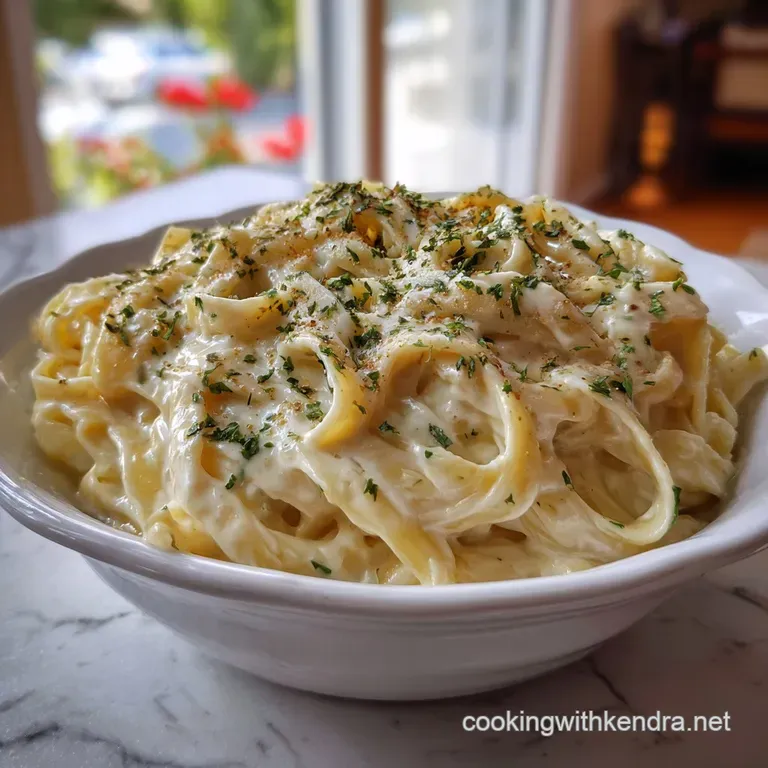
- The Ultimate High-Protein Cottage Cheese Alfredo Recipe
- The Science Behind the Creaminess
- Key Ingredients for High-Protein Cottage Cheese Alfredo
- Step-by-Step: Making Creamy Cottage Cheese Sauce
- Troubleshooting and Expert Recipe Tips
- Storing and Reheating Cottage Cheese Alfredo
- Making Cottage Cheese Alfredo a Complete Meal
- Recipe FAQs
- 📝 Recipe Card
The Ultimate High Protein Cottage Cheese Alfredo Recipe
Did you catch that sound? That aggressive sizzle when butter melts into a hot pan, followed by the intoxicating smell of fresh garlic softening just before it turns golden brown. That is the true scent of comfort food, and usually, it leads to a big, rich bowl of classic Alfredo.
But let’s be real. Sometimes, traditional Alfredo leaves you feeling heavy, bogged down, and certainly not hitting your protein goals for the day. I spent years trying to crack the code for a truly Cottage Cheese Alfredo —one that didn't taste like sad, chunky diet food.
This Cottage Cheese Alfredo recipe is the definitive answer. It’s shockingly creamy, intensely garlicky, and packs 32g of protein per serving.
This isn't just a swap; it's a superior, healthy Alfredo sauce that takes about 25 minutes from start to finish. If you’re hunting for fast macro friendly meals that deliver that velvety coating texture you crave, stop scrolling.
Let’s get cooking.
The Science Behind the Creaminess
Why This Works: Achieving Classic Alfredo Flavor Without Heavy Cream
The magic of this Cottage Cheese Alfredo lies entirely in the blender. Cottage cheese is essentially tiny curds of casein protein, suspended in whey. If you just heated it, those curds would seize and release the whey, resulting in a separated, grainy mess.
The high speed blender is key. When you blend the cottage cheese, you physically shatter the protein curds and emulsify them with the small amount of milk and the existing fat content. This creates a completely stable liquid base that, texturally, mimics heavy cream.
When you add the hot, starchy reserved pasta water, that starch acts like glue (a stabilizer), binding the fat and moisture together, giving you a smooth, creamy Cottage Cheese Alfredo that clings perfectly to every strand of fettuccine.
This process maximizes protein content while drastically reducing the saturated fat and calories typically found in traditional recipes. It’s genuinely a brilliant method for creating a lighter, high protein Alfredo sauce .
Key Ingredients for High Protein Cottage Cheese Alfredo
Using high-quality ingredients, especially the Parmesan and garlic, is non-negotiable here. Since the sauce base is mild (cottage cheese), these aromatics need to step up and carry the flavor profile.
Choosing the Right Cottage Cheese (Curd Size Matters)
I prefer small curd or 2% cottage cheese for this recipe simply because it takes less time to fully break down in the blender. If you only have large curd, you just need to blend for a full two minutes.
For those who love cream cheese flavors, and for another decadent dairy treat, you might enjoy my [Cheesecake Stuffed Strawberries: No-Bake Easy Dessert].
Ingredient Swaps and Dietary Substitutions
Remember, cooking is flexible! If you don't have exactly what the recipe calls for, try these easy swaps.
| Ingredient | Swap/Substitute | Notes on Texture/Flavor Impact |
|---|---|---|
| Cottage Cheese | Ricotta Cheese (whole milk) | Results in a slightly sweeter, thicker sauce. Requires more milk/pasta water for thinning. |
| Parmesan Cheese | Grana Padano or Pecorino Romano | Pecorino is saltier and sharper; reduce added salt accordingly. |
| Milk (2% or Whole) | Water, Half and Half, or Cashew Milk | Half and half adds richness; non-dairy milks work but may slightly reduce stability upon reheating. |
| Unsalted Butter | Olive Oil or Ghee | Olive oil changes the flavor profile but is a great swap for fat. |
| Nutmeg | White Pepper or Mace | Nutmeg is a classic Italian addition that enhances the salt perception of the cheese don't skip this pinch! |
step-by-step: Making Creamy Cottage Cheese Sauce
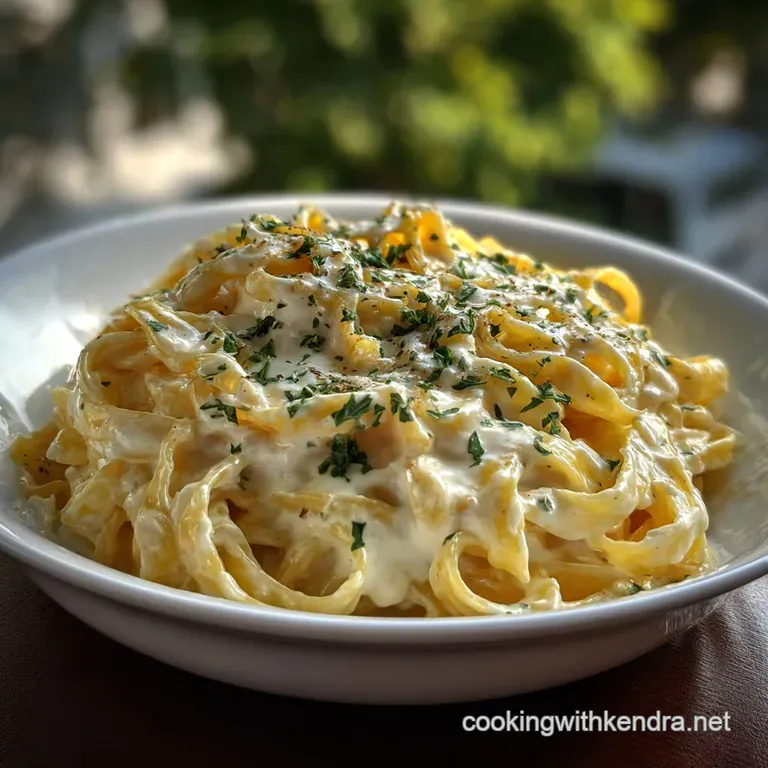
Get your blender ready this is the easy part. The key is setting up your timing so the sauce is ready the instant the pasta finishes cooking.
Step 1: Blending the Sauce Base Until Silky Smooth
- Start the Water & Pasta: Get that large pot of water boiling heavily and salt it aggressively (it should taste like the ocean!). Drop your fettuccine in and cook until just shy of al dente .
- Reserve the Gold: Before draining, use a mug or fine mesh sieve to scoop out at least 1 cup (240 ml) of that starchy, cloudy hot pasta water. Don’t skip this step!
- Blend: While the pasta is cooking, combine the cottage cheese, grated Parmesan, 1/4 cup milk, pepper, and the pinch of nutmeg in your high speed blender. Blend for a full 60 90 seconds until the mixture is perfectly smooth like thick pancake batter. You should see zero trace of curds remaining.
Step 2: Heating and Tempering the Sauce
- Sauté the Aromatics: In a large skillet, melt the butter over medium low heat. Add the minced garlic. Sauté gently for about 45 seconds, just until the fragrance hits you, but before the garlic gets even a touch of brown. Burnt garlic will ruin the Cottage Cheese Alfredo .
- Temper: Reduce the heat to the absolute lowest setting. Pour the blended cottage cheese pasta sauce mixture into the skillet. Stir constantly for 2– 3 minutes, letting it warm up completely. Crucial: Never let this sauce boil, or it will break!
Step 3: Emulsifying the Sauce with Pasta Water
- Build the Emulsion: Still over low heat, start incorporating the reserved hot pasta water, 1 tablespoon at a time, whisking vigorously after each addition. The steam should be rising and the sauce will thicken as the starch activates, becoming smooth and glossy. You should use at least 1/2 cup (120 ml).
- Check Consistency: Stop adding water when the sauce coats the back of a spoon and holds its shape. Taste and adjust salt, knowing the pasta water was already salty.
Step 4: Toss and Serve Immediately
- Toss: Add the freshly drained, hot pasta directly into the skillet with the Cottage Cheese Alfredo . Toss like crazy for 60 seconds. The residual heat and starch will ensure the sauce is perfectly stable and thick.
- Garnish: Serve immediately. Top with more Parmesan that you grate right over the bowl, and a final, fresh grind of black pepper.
Troubleshooting and Expert Recipe Tips
Even the easiest recipes have pitfalls. Here’s what usually goes wrong with high protein dairy sauces and how to fix it immediately.
| Problem/Mistake | Cause | Solution/Fix |
|---|---|---|
| The Sauce is Grainy/Lumpy | Overheating (causing protein curds to separate) or under blending. | Run the sauce through the blender again, adding 1 Tbsp of warm milk. Ensure you are blending the raw base for a full 90 seconds. |
| The Sauce is Too Thick/Paste like | Not enough liquid or too much grated Parmesan. | Whisk in more hot reserved pasta water, 1 tablespoon at a time, over very low heat until desired consistency is achieved. |
| The Sauce Tastes Flat | Lack of high-quality salt, garlic, or nutmeg. | Add a tiny bit more salt, a few dashes of freshly ground black pepper, and if you're feeling adventurous, 1/2 teaspoon of lemon zest for brightness. |
The Importance of Using Hot Pasta Water
I need to emphasize this one more time: Do not use tap water to thin the sauce. Only the starchy, hot pasta water contains the crucial emulsifiers needed to create a stable, non-breaking Cottage Cheese Alfredo .
If you mess up and forget to reserve it, you can whisk in a tiny amount of flour or cornstarch mixed with cold milk before heating the sauce, but it won't be the same.
Storing and Reheating Cottage Cheese Alfredo
Because this sauce relies on cottage cheese protein and a starch based emulsion rather than fat, it behaves differently than traditional Alfredo. Storage requires a little extra care.
Safe Refrigeration of Leftover Sauce
Store leftovers in an airtight container in the fridge for up to 3 days. You might notice the sauce looks much thicker and perhaps a little grainy when cold don’t worry, this is normal! The starch and protein seize up when chilled.
Can You Freeze Cottage Cheese Alfredo Sauce?
I really, truly do not recommend freezing this sauce. Dairy, especially cottage cheese, tends to separate and get very grainy when frozen and thawed, regardless of how stable the initial emulsion was.
For a future freezer meal, maybe try my [Mac and Cheese Cups Recipe: Crispy Baked Bites] instead they freeze beautifully!
Best Method for Reheating While Maintaining Creaminess
The secret to reheating this High Protein Alfredo Sauce is moisture and slow heat.
- Place the cold leftovers in a skillet over low heat.
- Add a generous splash (2 3 Tbsp) of water or milk.
- Stir constantly and gently as the sauce warms through. The moisture will re-hydrate the starch and protein, bringing back the creaminess.
Making Cottage Cheese Alfredo a Complete Meal
This Cottage Cheese Alfredo is a perfect canvas for customization. It’s rich enough to stand alone but plays well with others.
Protein Additions: Chicken, Shrimp, or Steak
For a truly macro friendly meal, add your protein of choice. I often toss in grilled or shredded rotisserie chicken breast at the very end. Since the sauce is already so garlicky, simply seasoning your meat with salt, pepper, and maybe some smoked paprika works beautifully.
Recipe Variations (Spicy, Lemon, or Pesto Alfredo)
- Lemon Herb Alfredo: Stir in 1 tablespoon of fresh lemon zest and 2 tablespoons of chopped fresh parsley or chives right before serving for a bright, acidic lift.
- Spicy Kick: Add a half teaspoon of red pepper flakes to the butter along with the garlic for a noticeable, but not overwhelming, heat.
- Pesto Alfredo: Whisk 1/4 cup of good quality basil pesto into the blended cottage cheese base before heating it.
This delicious, easy, and creamy Cottage Cheese Alfredo makes weeknight cooking feel indulgent again. Go forth and enjoy this fantastic comfort food dinner idea !

Recipe FAQs
How do I ensure my Cottage Cheese Alfredo sauce is completely smooth and not gritty?
The key to a velvety smooth sauce is blending the cottage cheese thoroughly until absolutely no lumps remain, often requiring 60-90 seconds in a high speed blender. If the sauce still feels slightly gritty after heating, try adding a splash of reserved pasta water or milk and quickly re-blend off-heat.
Does this high protein Alfredo sauce taste strongly of cottage cheese?
No, when the cottage cheese is blended and cooked with assertive flavors like garlic, parmesan, and seasoning, its signature taste dissipates significantly. It primarily provides a creamy, tangy base that successfully mimics the richness and mouthfeel of traditional Alfredo sauce.
How much protein does this cottage cheese version add compared to traditional Alfredo?
Because cottage cheese is the primary base, replacing fat-heavy ingredients like heavy cream, this recipe drastically boosts the overall protein content per serving. This makes it a significantly more macro friendly dish that supports muscle maintenance and satiety, ideal for those monitoring their protein intake.
What is the best way to store leftover Cottage Cheese Alfredo sauce?
Store the sauce separately from the pasta in an airtight container in the refrigerator for up to 3 to 4 days. Be aware that the sauce will thicken considerably upon cooling due to the structure of the blended dairy proteins.
How should I reheat the sauce to prevent it from separating or curdling?
Reheat the sauce gently over very low heat, adding 1 to 2 tablespoons of milk or water to help loosen the texture as it warms. You must stir constantly and avoid bringing the sauce to a rapid boil, which can cause the protein base to split.
My sauce turned out too thick (or too thin). How can I adjust the consistency?
If the sauce is too thick, simply incorporate small amounts of reserved pasta water, tablespoon by tablespoon, while gently warming the sauce. If it is too thin, stir in a little extra grated Parmesan cheese over low heat; the cheese helps to bind and thicken the sauce quickly without risking curdling.
Can I use low-fat or fat-free cottage cheese for this recipe?
Yes, you can use low-fat or fat-free cottage cheese, which will slightly reduce the calorie count without compromising the protein content. However, using whole milk cottage cheese generally yields a richer, slightly creamier texture that is closer to traditional Alfredo.
Cottage Cheese Alfredo Recipe
Ingredients:
Instructions:
Nutrition Facts:
| Calories | 575 calories |
|---|---|
| Protein | 32g |
| Fat | 20g |
| Carbs | 65g |
| Fiber | 4g |
