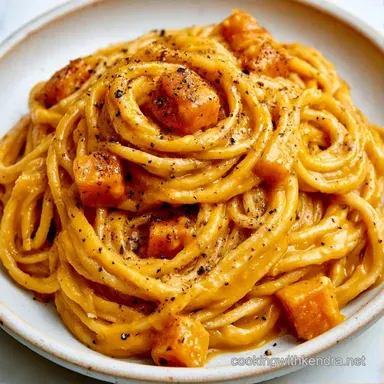
Creamy Butternut Squash Pasta with Browned Butter
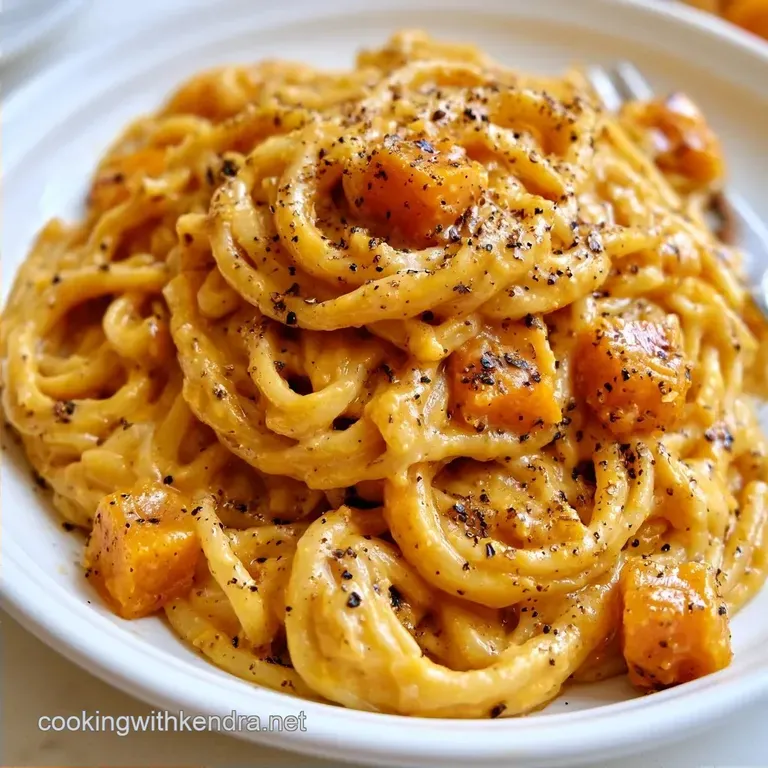
- Time: 10 min active + 35 min cooking
- Flavor/Texture Hook: Rich, savory sauce with nutty browned butter
- Perfect for: Busy weeknights or cozy autumn dinners
The aroma of browned butter and toasted sage sizzling in the pan is instantly mouthwatering. My partner usually finds squash too sweet for dinner, but after one taste of this sauce, he was completely won over.
This recipe is pure comfort that feels sophisticated without the hard work. Instead of boiling the squash, which can result in a bland, watery texture, we roast it to achieve a concentrated, intense flavor.
The result is a thick, velvety sauce that clings to every ridge of the noodles. This Creamy Butternut Squash Pasta relies on the perfect harmony between the roasted sweetness and the salty kick of Parmesan.
The One Thing That Changes Everything
- over High heat Roasting: Cooking the cubes at 425°F (220°C) browns the edges. This adds a savory, charred note that cuts through the natural sugar of the squash.
- Sautéed Aromatics: Browning the shallots and garlic in butter creates a flavor base that anchors the cream. It stops the sauce from feeling one dimensional.
| Base Type | Prep Time | Flavor Profile | Best For |
|---|---|---|---|
| Fresh Roasted | 45 mins | Deep, nutty, caramelized | Maximum flavor |
| Canned Puree | 15 mins | Milder, smoother, sweeter | Quick weeknights |
| Frozen Cubes | 30 mins | Fresh, clean, bright | Medium effort |
Recipe Specs
This dish is designed for a family of four. It's a budget-friendly meal because butternut squash is usually cheap in the fall, and the pantry staples do most of the heavy lifting.
Right then, let's look at the timing. You've got 10 minutes of chopping and a 35 minute window where the oven and stove do the work. It's a great way to get a home cooked meal on the table without spending the whole night in the kitchen.
The Building Blocks
The ingredients here are simple. The goal is to let the squash shine while using the cheese and cream to carry the flavor.
| Ingredient | Role | If You Don't Have It |
|---|---|---|
| Butternut Squash | Main body and sweetness | Pumpkin or Hubbard squash |
| Heavy Cream | Thickness and richness | Full fat coconut milk (for vegan) |
| Parmesan Cheese | Salty, umami finish | Pecorino Romano or Grana Padano |
| Fresh Sage | Earthy, aromatic contrast | Fresh thyme or dried sage |
The Grocery List 1 lb (450g) butternut squash, peeled and diced into ½-inch cubes 2 tbsp (30ml) extra virgin olive oil ½ tsp (3g) kosher salt ¼ tsp (1g) cracked black pepper 2 tbsp (28g) unsalted butter 1 medium shallot, finely minced 3 cloves garlic, minced 8 fresh sage leaves, chopped Why this? Adds a woody, autumn scent that cuts the cream. ½ cup (120ml) vegetable broth ½ cup (120ml) heavy cream ½ cup (50g) freshly grated Parmesan cheese ¼ tsp (1g) ground nutmeg Why this? A tiny pinch brings out the squash's depth. 12 oz (340g) rigatoni or penne pasta
Quick Ingredient Swaps
| Original Ingredient | Substitute | Why It Works |
|---|---|---|
| Rigatoni | Shells or Fusilli | Any pasta with ridges holds the thick sauce better |
| Heavy Cream | Cashew Cream | Similar thickness. Note: Lacks the dairy tang |
| Vegetable Broth | Pasta Water | Same salt profile. Note: Less depth than broth |
I usually go with rigatoni because the holes trap the sauce. If you're feeling adventurous, try some homemade pasta. If you're into making your own from scratch, my Homemade Ravioli is a great weekend project.
Equipment Needed
A few standard kitchen staples are all you'll need to get started.
- Large baking sheet (for the squash)
- Large pot (for the pasta)
- Large skillet (for the aromatics)
- High speed blender or immersion blender
- Colander
Pro Tip: For a heartier, more rustic texture, simply mash the roasted squash with a fork instead of using a blender. It won't be as smooth, but it's still delicious.
Bringing It Together
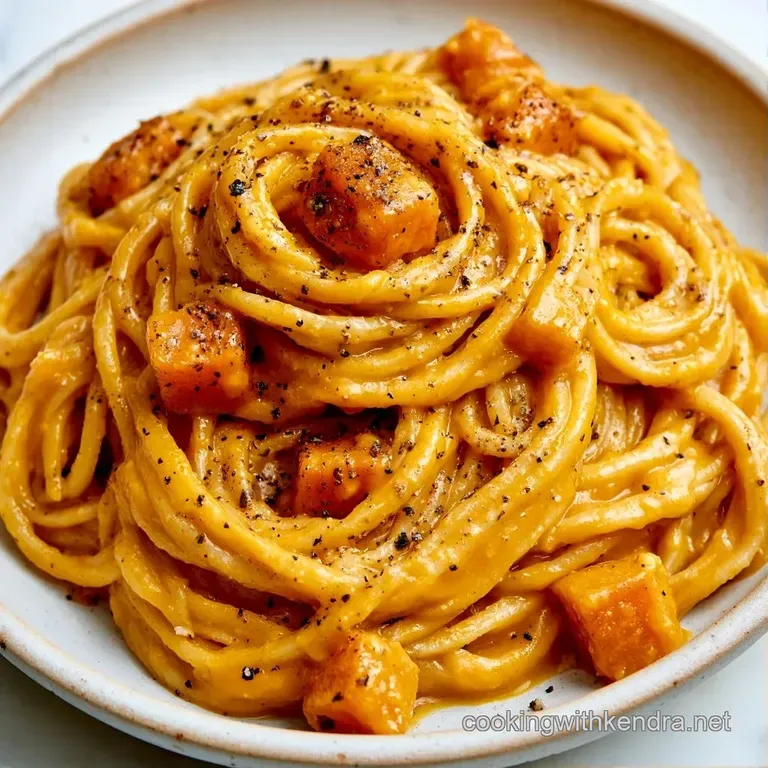
Phase 1: Roasting the Base 1. Set your oven to 425°F (220°C). 2. On a baking sheet, coat the diced squash in olive oil, salt, and pepper, spreading them into a single layer.
Note: If the pan is too crowded, the squash will steam rather than brown. 3. Bake for 20-25 minutes, stirring once midway, until tender with mahogany-brown edges.
Phase 2: Prepping the Pasta and Aromatics 4. Cook pasta in a large pot of boiling salted water according to the package instructions until al dente. 5. Using a large skillet over medium heat, melt the butter and sauté the minced shallots for 3 minutes until translucent.
6. Mix in the garlic and chopped sage, cooking for 1 minute until fragrant.
Phase 3: The Blend 7. Place the roasted squash into a blender along with the sautéed aromatics, vegetable broth, heavy cream, nutmeg, and Parmesan. 8. Process on high until the mixture is completely smooth.
Note: If the sauce is too thick to blend, stir in a splash of reserved pasta water.
Phase 4: The Finish 9. Toss the cooked pasta into the velvety sauce and serve immediately.
- Squash Size
- Keep cubes exactly ½-inch to ensure they roast in 20-25 mins.
- Oven Temp
- Maintain 425°F (220°C). Lower temperatures will fail to caramelize the sugars.
- Pasta Texture
- Drain the pasta 1 minute before the package suggests; it will finish cooking in the sauce.
Fixing Common Problems
Eliminating Grainy Textures
If the sauce feels gritty, you likely have under blended squash or the cream was too cold. Blend for another 60 seconds on high. If it's still grainy, pass it through a fine mesh strainer.
Preventing Sauce Separation
This usually happens if the sauce boils too hard after the cheese is added. Keep the heat on low when tossing the pasta. If it separates, whisk in a tablespoon of hot pasta water to bring the emulsion back together. For more tips on managing thick sauces, check out my Pasta Primavera guide.
Fixing Bland Flavor
Squash varies in sweetness. If the dish tastes flat, add another pinch of salt or a squeeze of lemon juice. The acid wakes up the heavy cream and Parmesan.
Managing Thin Sauce
If the sauce is too runny, let it simmer in the skillet for 2-3 minutes before adding the pasta. The water evaporates, thickening the sauce.
Presentation Tips
Since this Creamy Butternut Squash Pasta is a monochromatic orange color, you need some visual contrast. I like to top it with a few extra toasted sage leaves and a handful of toasted walnuts. The crunch of the nuts balances the softness of the puree.
- For the goal
- More protein, add sliced grilled chicken or browned Italian sausage.
- For the goal
- More greens, stir in two handfuls of fresh baby spinach at the very end until it wilts.
- For the goal
- Extra punch, grate some fresh lemon zest over the top right before serving.
Serve this in wide bowls rather than flat plates. It keeps the heat in and lets you pile the pasta high. A side of crusty sourdough bread is a must for mopping up the extra sauce.
Storage and Freshness
Keep leftovers in a sealed glass jar. They will stay fresh in the fridge for 3 days.
Upon reheating, you'll likely find the sauce has thickened into a paste. Not to worry, just add a bit of water or milk and warm it slowly on the stove over medium-low heat. This will bring back the consistency without breaking the sauce.
You can also freeze the sauce by itself for up to 2 months. I recommend against freezing the mixed pasta, as the noodles become mushy. Freeze the sauce in silicone molds, then thaw and toss with freshly cooked pasta.
Zero Waste Tip Send your squash peels to the compost bin. If you're making a large batch, save the seeds, toss them with salt and oil, and roast at 325°F (160°C) for 15 minutes for a healthy snack.
Creative Twists
Plant-Based Options Creating a vegan version is simple. Substitute the butter with vegan butter or olive oil, and replace the heavy cream with cashew cream or full-fat coconut milk. For a cheesy finish, use a Parmesan substitute made from nutritional yeast.
Adding Seasonal Texture For a bit of contrast, avoid blending all the squash; keep a few roasted cubes intact. This creates a lovely balance of chunky pieces and silky sauce. A small pinch of cinnamon also adds a cozy, warm aroma.
The Baked Version To turn this into a pasta bake, transfer the mixture to a baking dish. Add a layer of panko breadcrumbs and mozzarella on top. Heat it at 400°F (200°C) for 15 minutes until the cheese bubbles and browns.
Low-Carb Alternatives If you're reducing carbs, this sauce pairs perfectly with a roasted vegetable base. My roasted spaghetti squash is a fantastic substitute for traditional pasta.
Now you're all set. This flavorful dish is an affordable, autumn-inspired favorite. Just ensure you roast the squash to a deep mahogany color for the best results.
Recipe FAQs
How do I save leftovers?
Place them in a sealed glass container. They will stay fresh for 3 days.
What if the sauce thickens during reheating?
Stir in a splash of water or vegetable broth while heating slowly on the stove. This restores the velvety consistency without breaking the emulsion.
Can I substitute rigatoni for another pasta?
Penne works just as well for catching the thick sauce. If you enjoy this creamy texture, you might like the high protein sauce in our cottage cheese version.
Is it true that I need to boil the squash before roasting it?
Actually, no. Roasting the diced squash at 425°F creates caramelized edges that add deep flavor to the final sauce.
Roasted Creamy Butternut Squash Pasta