Chicken Florentine: the Classic Pan-Seared Dinner Recipe with a Silky Cream Sauce
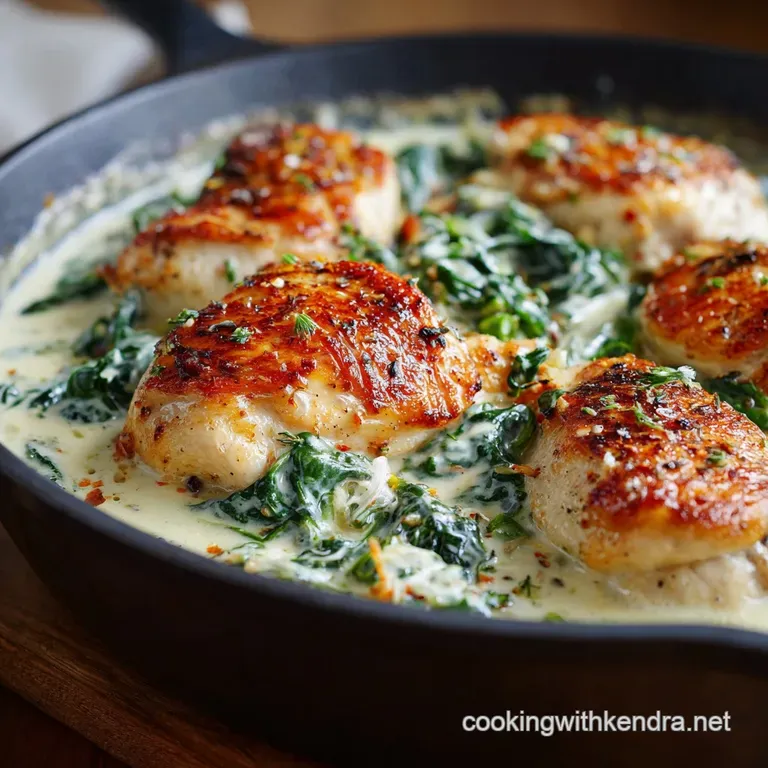
- Mastering The Ultimate Comfort: Chicken Florentine
- The Science of Success: Why This Sauce Doesn't Split
- Essential Components for Authentic Chicken Florentine
- Your Guide to Flawless Pan-Seared Florentine Cutlets
- Troubleshooting & Pro Tips for Restaurant-Quality Results
- Practical Guide: Storing and Reheating Leftovers
- Perfect Pairings: Completing Your Chicken Florentine Meal
- Recipe FAQs
- 📝 Recipe Card
Mastering The Ultimate Comfort: Chicken Florentine
That first whiff of sautéed garlic and simmering white wine? It’s pure magic, promising creamy richness and unbelievably tender cutlets. This [Chicken Florentine] is one of those dishes that smells like a five star restaurant but honestly requires zero fussy techniques.
The texture of the pan-seared protein bathed in that silky, savory sauce is just incredible.
Look, we all need reliable recipes that feel decadent but come together fast. This is your weeknight savior, truly. It’s significantly easier than making something complex like my Fried Chicken Breast: The Ultra Crunchy Buttermilk Fillet Recipe and often uses ingredients you already have. You can get this stunning Florentine on the table in under 40 minutes, making you feel like a total culinary genius, and that's the whole point.
I’ve learned a few non-negotiable tricks over the years to stop that cream sauce from splitting, because yes, I’ve absolutely been there. Let’s ditch the dry cutlets and the grainy sauce forever. We are going to make the most perfect, easy [Chicken Florentine Recipe] you’ve ever had, guaranteed.
The Science of Success: Why This Sauce Doesn't Split
The Florentine Distinction: What Makes This Dish Special
When you see "Florentine" on a menu, it means one thing: spinach, lots of it. This isn't just a basic cream sauce; it's a deeply flavorful reduction that uses over high heat searing for maximum fond —those sticky, browned bits left in the pan.
The dark color and flavor crust we get on the cutlets become the savory backbone for the sauce. Without that initial sear, the dish tastes flat.
Quick Elegance: Time Investment vs. Reward
The beauty of using thin cutlets is the speed. Pounding them out means they cook in about four minutes per side, eliminating the risk of drying them out while you wait for the center to reach temperature.
That intense, quick cooking process allows us to dedicate more time to building the sauce's flavor complexity, which is crucial for a great [Creamy Garlic Chicken] dinner.
A Nod to Tuscany: Origins of the Creamy Classic
While the dish, as we know it, is largely Italian American comfort food, the concept is decidedly Tuscan. Florence is known for utilizing fresh spinach. My favorite, sneaky touch that ties the whole dish together is a tiny pinch of fresh nutmeg; it brightens the cream and cheese flavor in a way you wouldn't expect.
Perfecting the Pan Sear: Achieving Maximum Flavor Crust
You must use medium high heat and a combination of oil and butter for the sear. The oil has a higher smoke point, while the butter provides rich flavor and helps the crust develop a beautiful golden brown color.
If your pan isn't hot enough, the protein will just steam, and you lose all that essential flavor.
The Acid Fat Balance: Preventing Curdling in Rich Sauces
This is where people usually panic. Adding cold heavy cream or grating Parmesan straight into a violently boiling liquid is a recipe for disaster. The key is to reduce your acidic ingredients (wine/stock) first, then remove the pan from the direct heat before whisking in the room temperature cream and the Parmesan.
Heat breaks down dairy proteins, but stabilizing them with a quick stir off the heat keeps the sauce incredibly smooth.
The Power of Wilted Greens: Spinach Integration
We use fresh baby spinach here, never frozen. Fresh spinach wilts down quickly and integrates perfectly into the sauce, providing a slight bitterness that cuts through the creaminess. Wait until the sauce is almost completely finished before stirring the spinach in; you want it slightly vibrant, not mushy.
Essential Components for Authentic Chicken Florentine
Selecting and Preparing the Protein Cutlets
I always start with boneless, skinless breasts, mostly because they are easy to pound into uniform cutlets. Uniform thickness ensures that every piece of [Florentine Chicken] cooks exactly the same, resulting in tender perfection across the board. If you skip pounding, you risk dry edges and raw middles.
Dairy Decisions: Heavy Cream vs. Half and Half
For true richness and stability, heavy cream (or double cream) is the winner. It has the fat content needed to withstand the heat and emulsify properly. Half and half tends to be watery and is much more likely to split, especially when introducing acidic wine or sharp cheese.
Aromatics and Deglazing Agents: Building the Base
You need shallots and garlic; they’re the foundation. The deglazing agent, usually a dry white wine (Pinot Grigio is perfect), pulls all that lovely caramelized fond off the pan floor. If you skip deglazing, you’re leaving half the flavor behind.
Smart Swaps for Dietary Needs and Flavor Variations
| Component | Standard Ingredient | Viable Substitute |
|---|---|---|
| Protein | Cutlets | Boneless pork chops or firm white fish fillets. |
| Heavy Cream | Heavy cream (36% fat) | Crème fraîche or thick, unsweetened coconut cream. |
| White Wine | Dry Pinot Grigio | Extra chicken stock + a tablespoon of lemon juice added at the end. |
| Parmesan | Freshly grated Parmesan | Grated Pecorino Romano (for a sharper flavor). |
Your Guide to Flawless Pan-Seared Florentine Cutlets
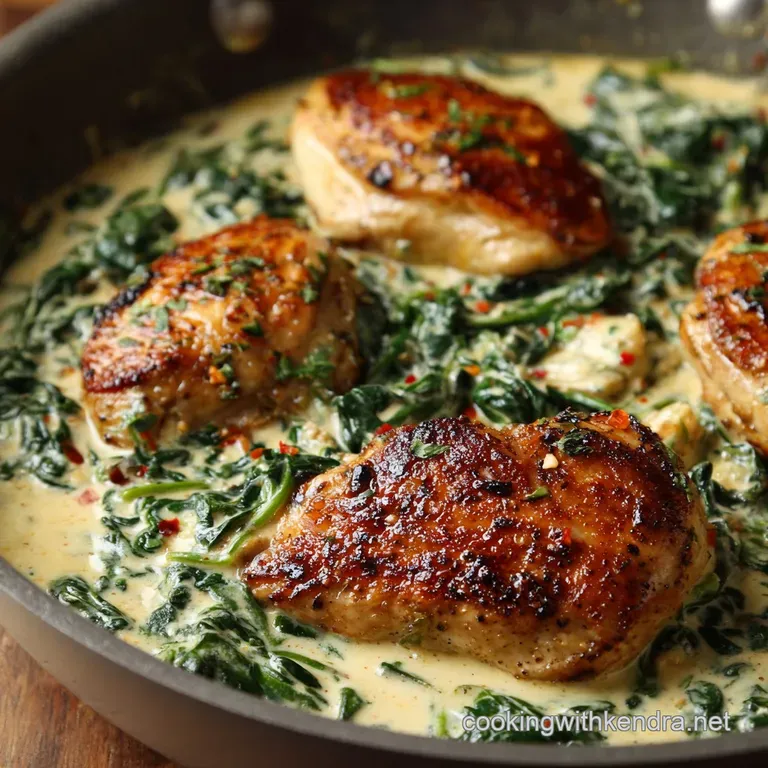
Step 1: Pounding and Seasoning the Protein
Place your cutlets between wax paper or plastic wrap, please. It keeps the mess contained. Use the smooth side of a meat mallet and gently pound them out to about a half inch thickness this doesn't take much effort, so be gentle! Season heavily on both sides with Kosher salt and pepper.
Don't be shy; this is the only seasoning they get before the sauce step.
Step 2: Achieving the Golden Sear and Deglazing the Pan
Heat your olive oil and one tablespoon of butter in a heavy bottomed pan over medium high heat until the butter foams and subsides. Sear the cutlets for 3– 4 minutes per side, getting that gorgeous golden crust. Cook in batches if necessary; I cannot stress this enough.
Once cooked through, remove the cutlets and immediately set them aside, tenting loosely with foil. Reduce the heat before the next step.
Step 3: Building the Silky Cream Base
Add the remaining butter to the pan. Sauté the shallots until soft, which only takes about a minute. Then, add the garlic and cook until you smell that nutty aroma, about 30 seconds. Pour in the wine and scrape the bottom of the pan thoroughly with a wooden spoon that’s the deglazing magic!
Let the wine reduce by half, then pour in the stock and reduce that liquid slightly, maybe 5 to 7 minutes.
Step 4: Integrating the Wilted Greens and Finishing the Dish
Once the stock has thickened slightly, take the pan off the direct heat source. Now, whisk in the heavy cream and a tiny pinch of nutmeg. Add the spinach in handfuls, stirring until it completely wilts down it shrinks dramatically!
Once wilted, stir in the grated Parmesan cheese until the sauce is uniform and smooth.
Chef's Note: If you want a fun side dish that also uses similar Italian style ingredients, try my Chicken Scampi Recipe: Zesty Weeknight Pasta Ready in 35 Minutes . It pairs perfectly with crusty bread for dipping in this Florentine sauce, too!
Nestle the seared cutlets back into the pan. Spoon the beautiful, creamy sauce over them and let everything warm through for just one minute. Serve immediately for the absolute best texture.
Troubleshooting & Pro Tips for Restaurant Quality Results
Avoid Overcrowding the Pan During the Sear
This is the number one mistake home cooks make with pan-searing. If the pieces are touching, moisture is trapped, the temperature drops, and the cutlets steam. Steamed protein tastes sad, honestly. Work in two batches if needed, or better yet, use two separate large pans simultaneously.
Managing Heat: Preventing Scorching and Sauce Separation
When you introduce the heavy cream, the heat must be low, or preferably, off completely when adding the Parmesan. If the cream boils violently after the reduction step, the fat separates from the liquid, resulting in a grainy, broken sauce. Keep that temperature gentle and slow.
The Temperature Check: Knowing When the Cutlets Are Done
Since we pounded them thin, they cook quickly! Use an instant read thermometer inserted into the thickest part of the cutlet. Once it registers 165°F (74°C), pull them out immediately. They will continue cooking slightly while resting under foil, keeping them perfectly tender.
Practical Guide: Storing and Reheating Leftovers
Refrigeration Best Practices for Cream Based Meals
This [Florentine Recipe] is delicious the next day! Cool the entire dish completely before transferring it to an airtight container. It’s best stored for up to 3 days in the refrigerator. Cream sauces don't tend to hold well beyond that, trust me.
Freezing Florentine: Expectations and Limitations
Can you freeze cream sauces? Yes, but know that the texture will definitely change. When thawed, the heavy cream may look slightly separated or grainy. If you absolutely must freeze it, freeze the sauce separately from the cutlets in a heavy duty freezer bag. It will last about 2 months.
Reviving the Cream Sauce: Techniques for Reheating
To reheat, the stovetop is your best friend. Place the leftovers in a pan over very low heat. If the sauce looks grainy or tight, you can revive it! Whisk in a tablespoon or two of extra cold stock or heavy cream while heating gently. This re-emulsifies the fat and liquid, restoring some of that silky texture.
Perfect Pairings: Completing Your Chicken Florentine Meal
The richness of this [Perfect Chicken] dish requires something light to accompany it. I love serving it over a bed of creamy polenta it’s the ideal delivery vehicle for that incredible sauce.
- For Carbs: Plain white rice, or simple egg noodles work perfectly.
- For Vegetables: Asparagus or green beans steamed with a tiny squeeze of lemon zest provide a clean contrast.
- For a Casserole Vibe: If you want a heartier, baked meal, this Florentine sauce is a perfect base for a casserole style, similar to my method for Chicken Divan: The Ultimate scratch made Comfort Casserole . Bake it with extra cheese and breadcrumbs!

Recipe FAQs
Why did my cream sauce curdle or split?
This common issue usually occurs if the cream is added while too cold or if the heat is too high after the dairy is introduced. To prevent splitting, ensure your heavy cream is slightly warmed or at room temperature, and always keep the heat very low gently simmering but never boiling once the cream is incorporated.
Can I freeze leftover Chicken Florentine?
Freezing is generally not recommended for dishes with rich cream sauces, as the dairy tends to separate and take on a grainy, broken texture upon thawing and reheating. The dish will keep well in the refrigerator for up to 3 days in an airtight container, but for the best texture, it should be consumed fresh.
My chicken came out dry; how can I ensure it stays tender?
Dryness is often the result of overcooking lean chicken breasts, which cook very quickly once pounded thin. Use an instant read thermometer to remove the chicken immediately when it hits 160°F (71°C); it will safely finish cooking to 165°F (74°C) while resting in the warm sauce.
What can I use if I want to avoid using white wine?
You can substitute the white wine with an equal amount of good quality chicken broth to deglaze the pan. For the necessary acidity to balance the richness of the cream, add a teaspoon of white wine vinegar or fresh lemon juice to the broth mixture.
Do I need to thaw and drain the frozen spinach before using it?
Yes, it is essential to thaw and squeeze out every bit of excess liquid from the frozen spinach using a cheesecloth or sturdy paper towels. If you skip this step, the high water content will significantly dilute and thin out the rich, creamy sauce.
Can I substitute boneless chicken thighs for the breasts?
Absolutely. Chicken thighs are a flavorful alternative that stay incredibly moist due to their higher fat content, though they should not be pounded thin like the breasts. Remember that thighs require a slightly longer cooking time, usually about 5-7 minutes per side, depending on their thickness.
My sauce is too thin. How can I thicken it up quickly?
If simmering hasn't sufficiently reduced the sauce, mix equal parts cornstarch and cold water to create a slurry (starting with one tablespoon of each). Whisk the slurry into the gently simmering sauce and let it cook for one minute; the heat will activate the cornstarch, thickening the sauce immediately.
Creamy Chicken Florentine Recipe
Ingredients:
Instructions:
Nutrition Facts:
| Calories | 520 kcal |
|---|---|
| Fat | 30 g |
| Fiber | 2 g |
