Shoyu Chicken Ramen in 30 Minutes

- Total30 Mins
- Servings4 bowls
- Calories542 kcal
- Time: 10 min active + 20 min cooking
- Flavor & Texture: Savory, salty, and springy
- Perfect for: Weeknight dinner
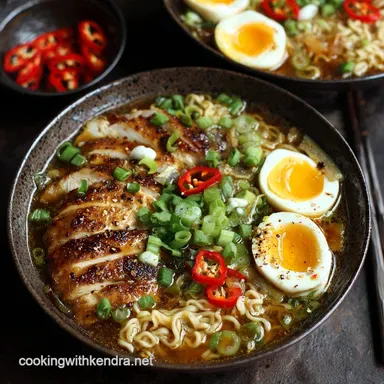
The smell of ginger and garlic hitting a hot skillet is where it all starts. You're looking for a deep amber broth that looks deep and rich, paired with the bright pop of yellow corn and vivid green onions.
Making shoyu chicken ramen doesn't require a twelve-hour bone simmer to taste like it came from a professional shop. It's about layering the right flavors quickly so you get that savory hit in under half an hour.
The goal is a balance of colors and tastes. The saltiness of the soy is rounded out by a bit of sweetness, and the seared chicken adds a smoky note that cuts through the soup. This version of shoyu chicken ramen focuses on a dynamic presentation that looks as good as it tastes.
Shoyu Chicken Ramen
This recipe brings together a concentrated flavor base and a quick-simmer broth to create a meal that feels high-end but stays practical.
| Noodle Type | Cook Time | Texture | Best For |
|---|---|---|---|
| Fresh Ramen | 2-3 mins | Springy | Traditional feel |
| Dried Ramen | 4-6 mins | Firmer | Pantry convenience |
Gathering Your Essentials
| Ingredient | What It Does | Best Swap |
|---|---|---|
| Soy Sauce | Provides salt and depth | Tamari (for gluten-free) |
| Sugar Syrup | Balances the salinity | Honey (adds floral notes) |
| Shiitake | Adds earthy umami | Dried Porcini (more intense) |
| Chicken Thighs | Adds richness and fat | Chicken breast (leaner, drier) |
The Full List
- 1/2 cup low-sodium soy sauce
- 3 tbsp sugar syrup Why this? Keeps the tare smooth and balanced
- 1 tbsp grated fresh ginger
- 2 cloves minced garlic
- 6 cups low-sodium chicken stock
- 2 dried shiitake mushrooms, sliced
- 2 cloves smashed garlic
- 1 piece (2-inch) smashed ginger
- 1 lb boneless, skinless chicken thighs, thinly sliced Why this? Thighs stay juicy under high heat
- 4 portions (approx. 5oz each) fresh or dried ramen noodles
- 1 tbsp vegetable oil
- 4 soft-boiled eggs, halved
- 2 stalks green onion, thinly sliced
- 1 cup fresh baby spinach
- 1/2 cup sweet corn kernels
Tools for the Job
Standard kitchen gear is all you need. A large pot for the broth, a small saucepan for the tare, and a heavy skillet for the chicken will work perfectly. A colander is essential for draining the noodles quickly to ensure they don't overcook.
How to Make It
For the Tare
In a small saucepan over medium heat, combine 1/2 cup low-sodium soy sauce, 3 tbsp sugar syrup, 1 tbsp grated fresh ginger, and 2 cloves minced garlic. Simmer for 3-5 minutes until the liquid slightly thickens and becomes fragrant. Set this tare aside.

For the Broth
Pour 6 cups low-sodium chicken stock into a large pot. Add 2 sliced dried shiitake mushrooms, 2 cloves smashed garlic, and 1 piece smashed ginger. Get the liquid boiling, then lower the heat to a simmer for 15 minutes.
For the Protein
While the broth simmers, warm 1 tbsp vegetable oil in a frying pan over medium-high heat. Arrange 1 lb thinly sliced chicken thighs in a single layer. Sear for 5-7 minutes until the edges are well-seared and the meat registers 165°F (74°C) internally. Remove from heat immediately.

For the Noodles
Bring a separate pot of water to a boil. Cook the 4 portions of ramen noodles as directed on the package, then drain them well in a colander.
For the Assembly
Divide the Shoyu tare equally among four deep ramen bowls. Pour the hot, strained broth over the tare and stir gently. Place the drained noodles in each bowl, then nestle the seared chicken, 2 soft-boiled egg halves, baby spinach, and sweet corn on top. Garnish with sliced green onions.
Chef: To keep the colors vibrant, add the spinach and corn at the very last second. The heat of the broth will wilt the spinach just enough without turning it gray.
Avoiding Kitchen Disasters
Broth Too Salty
Soy sauce brands vary in sodium levels. If the broth tastes too sharp, stir in a splash of hot water or an extra teaspoon of sugar syrup to mellow it out.
Preventing Mushy Noodles
Noodles keep cooking even after you drain them. Rinse them briefly with hot water if you aren't plating immediately, and always cook them one minute less than the package suggests.
Overcooked Chicken
Chicken thighs are forgiving, but they can still toughen. Use a meat thermometer to pull them at exactly 165°F (74°C) to ensure they stay tender.
Different Ways to Eat It
To give your shoyu chicken ramen a spicy kick, mix a teaspoon of sriracha or chili oil into the tare before adding the broth. For a vegetable-centric option, substitute the chicken with seared tofu and include some sliced bok choy.
When time is limited, you can bypass the broth simmer in favor of a premium store-bought stock, though you'll miss out on that concentrated shiitake depth. For a meal that's even faster, try these soy sauce noodles.
Storage and Reheating
Keep the broth and chicken refrigerated in sealed containers for up to 3 days. Store your noodles separately to prevent them from absorbing the liquid and becoming mushy.
Both the tare and broth freeze well for up to 3 months. Let them defrost in the refrigerator overnight prior to reheating. To serve, gently warm the broth on the stove and heat the chicken within the liquid until it reaches 165°F (74°C) internally.
I suggest preparing fresh noodles for each serving to avoid a gummy consistency.
Best Side Pairings

Since this bowl is quite filling, pair it with something light and acidic. A side of chilled cucumber salad with rice vinegar and sesame seeds works well. Gyoza or steamed edamame are also great if you're hosting a full Japanese-style dinner.
Why It All Clicks
- Umami Synergy: Combining dried shiitakes with soy sauce creates a depth that usually takes hours to develop. This is similar to how my homemade ramen soup builds layers of flavor.
- High-Heat Searing: Searing the chicken thighs provides a savory, browned contrast to the velvety broth.
- Balanced Tare: The sugar syrup rounds out the salt from the soy, creating a smooth base for the soup.
Critical in Sodium
1437 mg of sodium per serving (62% of daily value)
American Heart Association recommendation: no more than 2,300 mg of sodium per day
Tips to Reduce Sodium
-
Swap the Soy Sauce
Replace low-sodium soy sauce with coconut aminos, which provides a similar savory flavor with significantly less sodium.
-
Upgrade Your Broth
Substitute the low-sodium chicken stock with no-salt-added chicken stock or a homemade unsalted vegetable broth.
-
Choose Fresh Noodles
Opt for fresh, preservative-free ramen noodles or brown rice noodles instead of dried varieties that often contain added salt.
-
Enhance Natural Umami
Increase the amount of dried shiitake mushrooms to create a deeper, savory base that reduces the need for salty condiments.
-
Boost Fresh Aromatics
Add extra fresh ginger, garlic, and a squeeze of lime juice to provide a bright, pungent flavor that mimics the satisfaction of salt.
Good to Know
What kind of ramen is shoyu ramen?
It is a soy sauce-based ramen.
Tip: The savory depth comes from combining soy sauce with fresh ginger and garlic.
How many calories are in chicken ramen?
This recipe provides 615 kcal per serving.
Tip: You can modify the total calories by adjusting the amount of sweet corn added.
How to make shoyu ramen broth?
Simmer chicken stock with sliced dried shiitake mushrooms, smashed garlic, and smashed ginger for 15 minutes.
Tip: Strain the broth carefully before adding it to the bowls.
Can I store the leftovers?
Keep the broth and cooked chicken in the refrigerator for 3 days.
Tip: Store noodles in a separate container to prevent them from turning into mush.
Is this recipe easy for beginners?
This version is simple since it uses a quick simmer and seared chicken thighs.
Tip: Set the tare aside first so you can focus on the broth and chicken.
Shoyu Chicken Ramen in 30 Minutes