Creamy Chicken Spaghetti: Cheesy and Savory
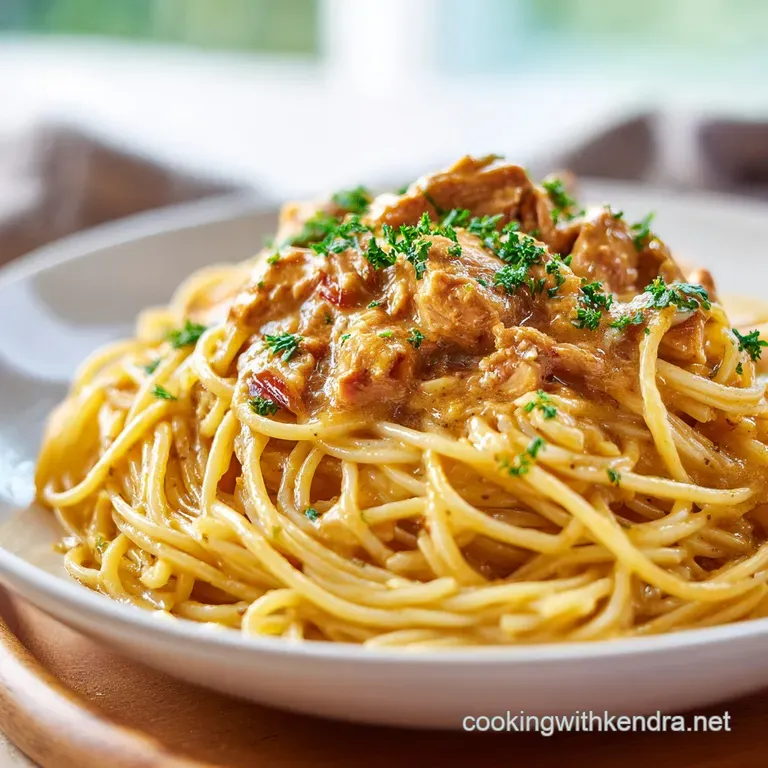
- Time: Active 15 minutes, Passive 20 minutes, Total 35 minutes
- Flavor/Texture Hook: Silky, cheesy, and savory with a golden, bubbling crust
- Perfect for: Busy weeknight dinners, potluck gatherings, or beginner friendly meal prep
- Master the Ultimate Creamy Chicken Spaghetti
- Techniques for a Silky Smooth Sauce
- Crucial Recipe Details and Times
- Selecting the Best Quality Ingredients
- Essential Tools for This Bake
- A Detailed Cooking Process Walkthrough
- Fixing Common Texture and Flavor Issues
- Easy Substitutions for Dietary Needs
- Adjusting Portions for Groups
- Debunking Traditional Cooking Beliefs
- Smart Storage and Freezing Methods
- Best Sides for This Meal
- High in Sodium
- Recipe FAQs
- 📝 Recipe Card
Master the Ultimate Creamy Chicken Spaghetti
The kitchen transformed the moment the timer dinged. I remember pulling this dish from the oven, the edges of the casserole dish bubbling with a golden, cheesy rim that smelled like pure comfort. As I pierced the crust with a spoon, a plume of steam escaped, carrying the scent of garlic and sharp cheddar.
It’s that specific, nostalgic aroma that takes me back to Sunday afternoons at my grandmother’s house, where the only rule was that you had to go back for seconds.
Writing about this recipe feels like sharing a family secret. I’ve spent years tweaking the ratios because I used to struggle with the sauce breaking or the noodles turning into a gummy mess. But after a lot of trial and error (and a few dry dinners), I finally cracked the code.
This version is plush, rich, and stays moist even if you’re the type who likes to linger over your plate.
We are going to walk through the exact steps to ensure your pasta stays distinct and your sauce remains perfectly emulsified. It is not just about throwing things in a bowl; it’s about the order of operations and a few specific tricks that make this the best chicken spaghetti you’ve ever tasted.
Let's get into the kitchen and make some magic happen.
Techniques for a Silky Smooth Sauce
The Emulsion Bridge: Processed cheese acts as a stabilizer, containing emulsifiers that prevent the sharp cheddar from separating into oil and solids. This ensures a velvety texture that doesn't become grainy during the over high heat bake.
Starch Management: Boiling the pasta in chicken broth or salted water until just under "al dente" allows it to absorb the creamy sauce later without losing its structure. This prevents the "mush factor" common in many baked pasta dishes.
Fat to Liquid Ratio: The combination of cream soups and chicken broth creates a specific viscosity that coats the noodles without drowning them. This balance ensures the dish is moist but holds its shape when scooped.
| Pasta Thickness | Internal Temp | Rest Time | Visual Cue |
|---|---|---|---|
| Standard Strand | 165°F (74°C) | 5 minutes | Bubbling edges, matte top |
| Thick Bucatini | 165°F (74°C) | 8 minutes | Sauce thickened, glossy |
| Thin Angel Hair | 160°F (71°C) | 3 minutes | Browned peaks, firm set |
Managing the moisture is the most important part of any baked pasta. If you've ever made my Homemade Chicken Noodle Casserole recipe, you know that the "slump" of the sauce is what makes or breaks the experience. For this dish, we want a sauce that is thick enough to coat but loose enough to wiggle.
Crucial Recipe Details and Times
Right then, before we start chopping and boiling, let's look at the logistics. You need a 9x13 inch (about 33x23 cm) baking dish for this. If you use something smaller, the middle won't heat through properly, and the edges will get too crunchy. Trust me, the surface area matters for that golden finish.
| Component | Science Role | Pro Secret |
|---|---|---|
| Processed Cheese | Emulsifier | Cube it small so it melts instantly into the hot broth |
| Dry Spaghetti | Structure | Break the strands in half to make serving and eating easier |
| Diced Tomatoes | Acidity | Don't drain them; the juice thins the sauce perfectly |
Keep your oven rack in the center position. If it's too high, the cheese burns before the middle is hot. If it's too low, you might scorch the bottom of the pasta. We’re aiming for a gentle, even heat that coaxes everything into a unified, creamy masterpiece.
Selecting the Best Quality Ingredients
You'll need these specific items to get the texture just right. I always suggest using a sharp cheddar that you grate yourself. Pre shredded cheese is coated in potato starch to keep it from clumping in the bag, but that starch can make your sauce feel dusty.
- 1 lb dry spaghetti: The backbone. Why this? Provides the classic long strand texture that holds the heavy sauce well.
- Substitute: Linguine or fettuccine for a wider, heartier bite.
- 3 cups cooked chicken, shredded: Use a rotisserie for speed. Why this? Shredded texture allows the sauce to fill every nook and cranny.
- Substitute: Canned chicken (drained) or leftover turkey.
- 1 tbsp extra virgin olive oil: For the initial sauté. Why this? Adds a subtle fruity note and prevents sticking.
- Substitute: Unsalted butter for a richer, more Southern flavor profile.
- 10.5 oz cream of mushroom soup: The primary thickener. Why this? Provides an earthy umami base and stable creaminess.
- Substitute: Cream of celery for a lighter, brighter flavor.
- 10.5 oz cream of chicken soup: The flavor enhancer. Why this? Intensifies the poultry notes throughout the entire bake.
- Substitute: Greek yogurt mixed with a teaspoon of chicken bouillon.
- 10 oz diced tomatoes with green chiles: For a little kick. Why this? Adds acidity to cut through the heavy fats of the cheese.
- Substitute: Canned crushed tomatoes with a pinch of red pepper flakes.
- 0.5 cup low sodium chicken broth: To adjust the viscosity. Why this? Ensures the pasta doesn't dry out in the oven.
- Substitute: Vegetable broth or the reserved pasta cooking water.
- 2 cups sharp cheddar cheese: For that classic tang. Why this? Melts beautifully and provides a bold flavor contrast.
- Substitute: Monterey Jack for a milder, stretchier cheese pull.
- 1 cup processed cheese, cubed: The secret to silkiness. Why this? Contains salts that keep the whole sauce from separating.
- Substitute: Cream cheese for a tangier, denser result.
Chef Tip: Freeze your block of cheddar for 10 minutes before grating. It makes the cheese firmer and prevents it from clumping or turning into mush against the grater.
Essential Tools for This Bake
You don't need a professional kitchen, but a large pot for the pasta is non negotiable. You want the spaghetti to swim, not cramp. Also, get a large mixing bowl larger than you think you need.
Tossing 1 lb of pasta with three cups of chicken and several cans of soup takes space, and you don't want to be cleaning sauce off your counters later.
A sturdy whisk helps incorporate the broth into the soup concentrates. If you just stir with a spoon, you might end up with little "islands" of thick soup that don't get seasoned. I also recommend a box grater over the handheld kind for the cheese; you want those long, thick shreds that melt into beautiful puddles on top of the casserole.
A Detailed Cooking Process Walkthrough
- Preheat the oven to 180°C (350°F). Note: This ensures the casserole starts cooking the moment it enters.
- Boil the spaghetti in salted water for 2 minutes less than the package directions until barely flexible.
- Drain the pasta and toss it with the olive oil. Note: The oil prevents the strands from fusing together while you prep the sauce.
- Whisk the soups together with the chicken broth in your large bowl until the mixture is uniform.
- Fold in the tomatoes, garlic powder, and onion powder. Add salt and black pepper to taste.
- Add the chicken and half of the sharp cheddar along with all the cubed processed cheese.
- Incorporate the pasta into the sauce mixture, using tongs to lift and coat every strand until no dry spots remain.
- Transfer to the dish and spread it out evenly, pressing down slightly to remove air pockets.
- Top with cheese using the remaining sharp cheddar. until the surface is completely covered.
- Bake 20 minutes until the cheese is bubbling and the edges are lightly crisped.
When you're tossing the chicken and pasta, it's very similar to making a Proper Homemade Chicken recipe in terms of ensuring everything is coated. But here, we aren't stir frying; we are building a foundation for a slow, gentle bake. You'll know it's ready when the aroma of the green chiles starts to fill the room, mixing with the nutty scent of the browning cheddar.
### For a Silky Sauce
To ensure your sauce never turns grainy, don't let the casserole sit in the oven too long. Once the cheese is melted and the center is hot, pull it out. Over baking causes the proteins in the cheese to tighten and squeeze out the fat, which is what creates that oily, separated mess we want to avoid.
### To Maximize Flavor Depth
Adding the garlic and onion powder directly to the liquid base before adding the solids ensures even distribution. If you've ever bitten into a "garlic clump" in a casserole, you know why this matters. The spices need time to hydrate in the soup and broth to fully release their flavor.
### For Perfect Al Dente Texture
The pasta will continue to cook in the oven as it absorbs the liquid from the soups and tomatoes. If you cook it all the way on the stove, it will be mushy by the time the cheese melts. Aim for a bite that still has a firm "white" center when you drain it from the boiling water.
Fixing Common Texture and Flavor Issues
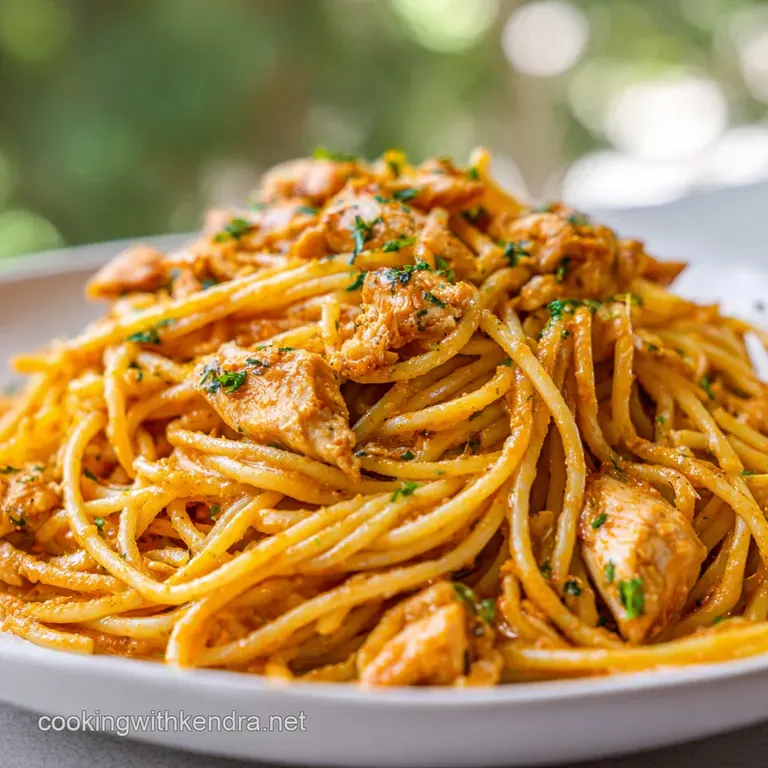
One mistake I once made was skipping the broth because I thought the tomatoes had enough liquid. Big error. The pasta soaked up every drop of moisture, and I ended up with a dish that was more like a brick than a creamy pasta bake. If the mixture looks too thick before it goes into the oven, splash in a bit more broth.
Why Your Spaghetti Broke
If the noodles are snapped into tiny pieces, you likely over stirred them while they were hot and soft. Use a pair of tongs and a "lift and fold" motion rather than a vigorous circular stir. This keeps the long strands intact and makes for a much better mouthfeel.
| Problem | Root Cause | Solution |
|---|---|---|
| Oily Surface | Cheese overheated | Reduce oven temp; use processed cheese as a stabilizer |
| Dry Pasta | Not enough liquid | Add 1/4 cup broth before baking; cover with foil |
| Bland Flavor | Under seasoned chicken | Season the chicken specifically before adding to the mix |
Common Mistakes Checklist
- ✓ Don't overcook the pasta on the stovetop (it should be quite firm).
- ✓ Avoid using pre shredded cheese from a bag (grate your own!).
- ✓ Never drain the tomatoes; that juice is flavor gold.
- ✓ Let the dish rest for 5 minutes after baking to set the sauce.
- ✓ Preheat your oven for at least 15 minutes before the dish goes in.
Easy Substitutions for Dietary Needs
If you want a tangy "red sauce" twist, you can actually swap the cream of mushroom for a thick marinara. It changes the profile completely, but it’s a brilliant way to use what you have. Honestly, don't even bother with low-fat cheese here; it doesn't melt the same way and can turn rubbery in the oven.
For a gluten-free alternative, use a high-quality corn or brown rice pasta. Just be aware that gluten-free noodles are much more fragile, so you'll want to reduce the stovetop boiling time even further. They tend to "dissolve" if over baked, so keep a close eye on the timer.
Adjusting Portions for Groups
Scaling this recipe down is quite simple. If you only need four servings, just halve everything and use an 8x8 inch square baking pan. For the egg based recipes, you'd use half an egg, but here, we don't have that issue. Just watch the bake time; a smaller pan might finish 5 minutes earlier.
If you are doubling this for a large crowd, don't just double everything and put it in one massive pan. Use two separate 9x13 dishes. This ensures the heat can reach the center of both casseroles evenly. If you pile it too high in a single deep dish, the bottom will be cold while the top burns.
Debunking Traditional Cooking Beliefs
Many people believe you must rinse pasta after boiling to "stop the cooking." This is a mistake for casseroles! The starch on the outside of the pasta helps the sauce stick to the strands. If you rinse it off, the sauce will slide right off to the bottom of the dish, leaving your noodles naked and bland.
Another myth is that "fresh is always better" when it comes to the chicken. While fresh roasted chicken is great, a rotisserie chicken from the store often has a higher fat content and more seasoning, which actually makes it better for a baked dish where moisture is key. Don't feel guilty about taking that shortcut!
Smart Storage and Freezing Methods
Storage: This keeps beautifully in the fridge for up to 4 days. In fact, many people (myself included) think it tastes even better the next day because the flavors have had time to settle and the pasta has fully absorbed the savory sauce.
To reheat, add a tiny splash of water or milk to keep it from drying out.
Zero Waste: Don't throw away the chicken skin or bones if you used a whole bird! Simmer them with an onion and a carrot for an hour to make your own broth for the next time you make this.
Also, if you have leftover parsley that’s starting to wilt, chop it up and freeze it in an ice cube tray with a little olive oil to use as a flavor starter for future meals.
Best Sides for This Meal
Since this is such a rich, heavy dish, I always pair it with something bright and crisp. A simple green salad with a sharp lemon vinaigrette is usually my go to. The acidity of the lemon cuts right through the creaminess of the spaghetti and refreshes your palate between bites.
If you're looking for something more substantial, garlic bread is the classic choice. Use the bread to swipe up any extra sauce left on your plate. It’s also great alongside some steamed broccoli or roasted asparagus, which adds a bit of color and a nice crunch to the meal.
Whether it's a weeknight or a special Sunday, this dish always feels like a celebration.
High in Sodium
845 mg mg of sodium per serving (37% of daily value)
The American Heart Association recommends limiting sodium intake to about 2,300mg per day for overall cardiovascular health.
Tips to Reduce Sodium in Your Chicken Spaghetti
-
DIY Cream Soup-25%
Skip the canned cream of mushroom and chicken soups. Make your own sauce using a roux (butter and flour) and milk or broth. This allows you to control the sodium content and add fresh mushrooms and chicken for enhanced flavor. Use low-sodium broth if you have it!
-
Cheese Choice Matters-20%
Replace the processed cheese entirely with freshly shredded, low-sodium cheddar cheese. Processed cheese is notoriously high in sodium. Using more low-sodium cheddar will significantly cut back on sodium.
-
Rinse Canned Tomatoes-15%
Drain and rinse the canned diced tomatoes with green chiles before adding them to the recipe. Rinsing can remove approximately 30-40% of the sodium from canned goods.
-
Broth Control-15%
Ensure the chicken broth you are using is truly low-sodium. Even better, use homemade chicken broth without any added salt, or omit it entirely and use water if the sauce is already the desired consistency.
-
Omit Added Salt-10%
Eliminate the 'salt to taste' entirely. The other ingredients already contribute a significant amount of sodium. Taste the dish after cooking and only add salt if absolutely necessary, but try it without first!
-
Unsalted Chicken-5%
When cooking your chicken, avoid adding any salt during the cooking process. This provides better control of the amount of sodium in your finished dish.
-
Flavor Boost
Enhance the flavor with fresh herbs and spices like garlic, onion, black pepper, and a generous amount of fresh parsley. These additions provide flavor without adding sodium.
Recipe FAQs
What all goes in chicken spaghetti?
The core ingredients include: spaghetti noodles, cooked and shredded chicken, cream of mushroom soup, cream of chicken soup, diced tomatoes with green chiles, sharp cheddar cheese, and cubed processed cheese for stabilization.
What are some common mistakes to avoid when making chicken spaghetti?
Overcooking the pasta on the stove is the biggest pitfall. Noodles should be firm because they continue cooking in the oven, and rinsing the pasta after boiling washes off starches needed for the sauce to adhere.
Can I use chicken instead of beef in spaghetti?
Yes, absolutely. Chicken spaghetti is a very popular variation on traditional beef based tomato sauces, often favoring a creamy, cheesy profile over acidic red sauce.
What sides go well with chicken spaghetti?
Serve something bright and crisp to balance the richness. A simple salad with a sharp lemon vinaigrette or crusty garlic bread are excellent accompaniments.
How do I prevent my cheesy sauce from separating or becoming oily when baked?
Incorporate cubed processed cheese. This type of cheese contains emulsifying salts that stabilize the mixture, preventing the sharp cheddar from separating during the high heat of baking. If you master this stability trick here, you can apply the same principle when making a stable The Proper Job recipe.
How should I adjust the cooking time if I use spaghetti squash instead of pasta?
Cook the squash until tender and scoop out the strands first. Since squash has higher water content, you will need significantly less added broth and might want to bake it uncovered for the final 10 minutes to evaporate excess moisture.
Is it true I must use only pre-shredded cheese for the topping?
No, this is a common misconception. Pre-shredded cheese contains anti caking agents that can result in a dusty or gritty sauce consistency; grate your cheddar fresh for the best melting quality.
Creamy Chicken Spaghetti Bake
Ingredients:
Instructions:
Nutrition Facts:
| Calories | 572 calories |
|---|---|
| Protein | 35.9 g |
| Fat | 22.9 g |
| Carbs | 48.8 g |
| Fiber | 2.1 g |
| Sugar | 4.2 g |
| Sodium | 845 mg |
