Crockpot Soup Recipe with Chicken and Vegetables
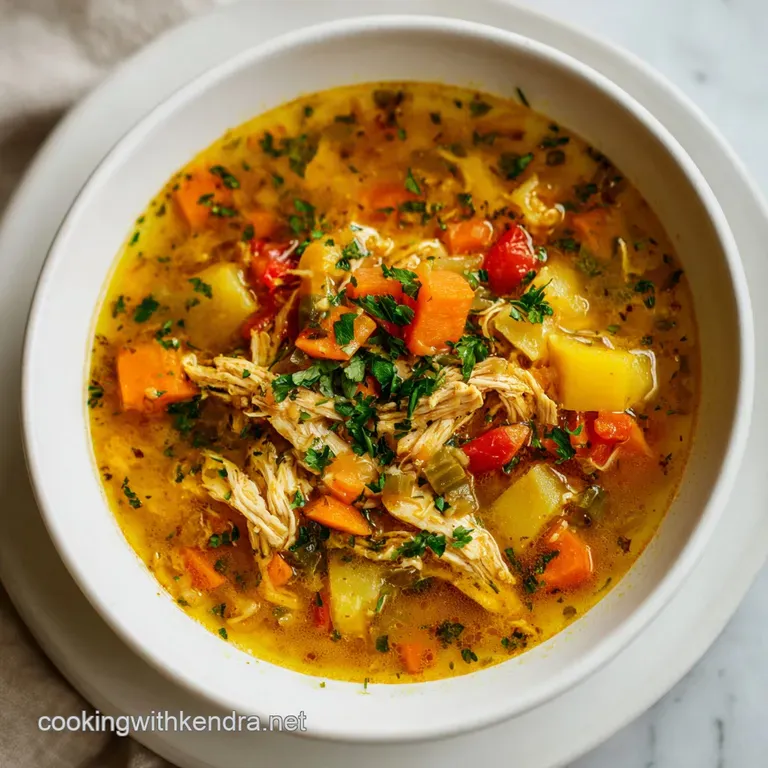
- Time: Active 15 minutes, Passive 7 hours, Total 7 hours 15 minutes
- Flavor/Texture Hook: Velvety broth paired with tender, melt in-the mouth chicken and buttery potatoes
- Perfect for: Stress free weeknight dinners or hands off weekend meal prep
- Mastering the Best Crockpot Soup Recipe with Chicken and Vegetables
- Vital Recipe Metrics for a Smooth Cooking Experience
- The Essential Components for Your Hearty Comfort Bowl
- Selecting the Right Tools for Your Slow Cooker Meal
- Step by Step Guide to a Perfectly Simmered Soup
- Solving Common Kitchen Hiccups and Flavor Fixes
- Creative Variations to Suit Every Family Preference
- Smart Storage and Reheating for Busy Weeknight Success
- How to Serve and Enjoy
- Recipe FAQs
- 📝 Recipe Card
Mastering the Best Crockpot Soup Recipe with Chicken and Vegetables
Picture this: It’s 5:30 PM on a Tuesday. The rain is drumming against the window, the kids are arguing over a lost LEGO piece, and you’ve just walked through the door after a day that felt twice as long as it actually was.
Instead of the usual "what's for dinner?" panic, you're greeted by the earthy, herbal aroma of thyme and slow simmered garlic wafting through the hallway. It’s that specific, warm scent that tells your brain the day is officially over and comfort is served.
Discover the best Crockpot Soup Recipe with Chicken and Vegetables you'll want to make again and again. I started making this specific version years ago when I realized that most slow cooker soups ended up as a mushy, grey mess.
I wanted something that felt fresh but didn't require me to stand over a stove when I’m exhausted. This dish is the answer. It’s a hug in a bowl, built on a foundation of rich bone broth and finished with a bright pop of lemon that wakes everything up.
We're moving away from those "dump and go" recipes that taste like canned salt. This is about layering flavors correctly so that even after 7 hours of cooking, the carrots still have a hint of sweetness and the chicken doesn't turn into dry strings.
It's practical cooking for real life, where we want the quality of a French bistro with the effort of a microwave meal. You’ll find that the Yukon Gold potatoes create a naturally thick texture without needing a heavy flour roux, making every spoonful feel incredibly satisfying.
Vital Recipe Metrics for a Smooth Cooking Experience
Understanding the "why" behind the slow cooker is what separates a soggy soup from a spectacular one. Most people think you can just throw everything in and hit start, but the order of operations matters more than you’d think.
By placing the denser vegetables at the bottom, they act as a heat shield for the delicate chicken while absorbing all those juices.
Collagen Breakdown: Using chicken thighs instead of breasts is key; the 7 hours on low heat allows the connective tissue to melt into the broth, creating a silky mouthfeel.
Starch Suspension: The Yukon Gold potatoes release just enough starch during the long simmer to give the broth body without making it cloudy or thick.
Acid Balance: Adding the lemon juice at the very end is non negotiable because heat kills the bright citrus notes; it cuts through the fat of the chicken for a clean finish.
Residual Heat Cooking: The frozen peas and spinach go in last because they only need the carryover heat to stay vibrant and green rather than turning olive drab.
| Servings | Ingredient Adjustments | Pan Size | Cook Time |
|---|---|---|---|
| 2-3 people | 0.75 lb chicken, 3 cups broth | 3 quart crockpot | 6 hours on Low |
| 6-7 people | 1.5 lbs chicken, 6 cups broth | 6 quart crockpot | 7 hours on Low |
| 10-12 people | 3 lbs chicken, 12 cups broth | 8 quart crockpot | 8 hours on Low |
When you're feeding a larger crowd, it's tempting to just double everything and keep the time the same. However, a fuller pot takes longer to reach the simmering point. If you're maxing out your slow cooker's capacity, I always suggest adding an extra hour to the clock just to be safe.
It’s much better to have the soup ready early and sitting on the "warm" setting than to have hungry people waiting for a potato to finally soften up.
| Component Analysis | Science Role | Pro Secret |
|---|---|---|
| Chicken Thighs | Fat & Gelatin Source | Trim the excess skin fat but leave the internal fat for a richer broth. |
| Yukon Gold Potatoes | Natural Thickener | Keep the skins on for extra fiber and to help the dice hold its shape. |
| Lemon Juice | pH Balancer | This "brightens" the salt and herbs without actually adding more sodium. |
| Bone Broth | Umami Foundation | Use bone broth specifically for the extra protein and "velvety" texture it provides. |
The choice of potato really is the make or-break moment for this soup. While Russets are great for baking, they tend to disintegrate into a grainy texture when submerged in liquid for 7 hours. Yukon Golds have a medium starch content and a waxy skin, meaning they stay as distinct, buttery cubes even after the long haul. If you’re looking for a similar vibe in a different format, you might really enjoy my Cheesy Chicken Casserole which uses a similar flavor profile but in a bake.
The Essential Components for Your Hearty Comfort Bowl
Creating a stellar soup starts with the quality of your base. While water is an option, it's a wasted opportunity for flavor. I always reach for a high-quality chicken bone broth. It’s more concentrated than standard stock, which means your final bowl will have more depth and a more luxurious coating on the spoon.
- 1.5 lbs boneless skinless chicken thighs: These stay juicy during long cooks. Why this? Thighs have more fat/collagen, preventing the "dry stringy" texture of overcooked breast meat.
- Substitute: Chicken breasts (Reduce cook time to 5 hours to avoid dryness).
- 6 cups low sodium chicken bone broth: The liquid gold of the soup. Why this? Bone broth adds a richer mouthfeel and more protein than regular stock.
- Substitute: Vegetable broth + 1 tbsp soy sauce for depth.
- 1 lb Yukon Gold potatoes: 1/2 inch diced. Why this? They hold their shape perfectly while contributing a buttery flavor.
- Substitute: Red potatoes (same texture) or Cauliflower (for low carb).
- 2 large carrots: Peeled and sliced. Why this? Adds natural sweetness and a necessary pop of color.
- Substitute: Parsnips for an earthier, spicier sweetness.
- 2 stalks celery: Sliced. Why this? Part of the essential "mirepoix" flavor base.
- Substitute: Fennel bulb for a subtle anise note.
- 1 medium yellow onion: Finely diced. Why this? Provides the foundational savory aroma.
- Substitute: 2 large leeks (white parts only) for a milder taste.
- 4 cloves garlic: Minced. Why this? Essential for that "homemade" pungent depth.
- Substitute: 1 tsp garlic powder added to the broth.
- 1 tsp dried thyme & 1 tsp dried oregano: The classic herb duo. Why this? Dried herbs stand up better to long heat than fresh ones.
- Substitute: 1 tbsp Poultry Seasoning blend.
- 1 unit bay leaf: The secret layer. Why this? Adds a subtle floral/herbal background note you’d miss if it were gone.
- Substitute: A small sprig of fresh rosemary.
- 2 cups frozen peas: Added at the finish. Why this? They provide a sweet "pop" and stay bright green.
- Substitute: Edamame for a higher protein bite.
- 2 cups fresh baby spinach: Chopped. Why this? An easy way to bulk up the nutrients without changing the flavor.
- Substitute: Kale (Add this 30 mins before finishing so it softens).
- 1 tbsp lemon juice: The final touch. Why this? Cuts through the richness and balances the salt.
- Substitute: 1 tsp Apple Cider Vinegar.
I’m a big fan of using what you have. If your crisper drawer is looking a little sad with half a bell pepper or some wilting parsley, throw them in! Soup is the ultimate "no waste" kitchen project. Just remember that the harder the vegetable, the earlier it needs to go into the pot.
| Fresh Approach | Shortcut Method | Flavor Impact |
|---|---|---|
| Whole carrots/celery | Pre cut "mirepoix" mix | Slightly less crunch, but identical flavor. |
| Fresh garlic cloves | Jarred minced garlic | Fresh is more pungent; jarred is milder/sweeter. |
| Bone broth from scratch | Boxed bone broth | Scratch has more gelatin; boxed is perfectly fine. |
Selecting the Right Tools for Your Slow Cooker Meal
You don't need a professional kitchen to make a world class soup, but a few specific tools make the process much smoother. The star, of course, is the slow cooker. I prefer a 6 quart oval model (like a Crock Pot or Hamilton Beach).
The oval shape allows the chicken thighs to lay flat, ensuring they cook evenly rather than being piled on top of each other.
A sharp chef's knife is your best friend here. Since the potatoes and carrots are the bulk of the texture, you want them to be uniform. If the potato chunks are wildly different sizes, some will be mush while others are still crunchy.
A 1/2 inch dice is the "sweet spot" for a slow cooker large enough to survive the 7 hours but small enough to fit comfortably on a soup spoon.
Chef's Tip: If you have an extra 5 minutes, sear the chicken thighs in a pan with a splash of oil before putting them in the crockpot. This creates a "crust" that adds a deeper, roasty flavor to the broth that you just can't get from simmering alone.
Finally,, make sure you have a good pair of tongs or two forks for the shredding stage. Trying to shred chicken inside a deep, hot pot of liquid can be splashy and dangerous. Pulling the meat out onto a cutting board for two minutes makes it much easier to get those perfect bite sized pieces.
step-by-step Guide to a Perfectly Simmered Soup
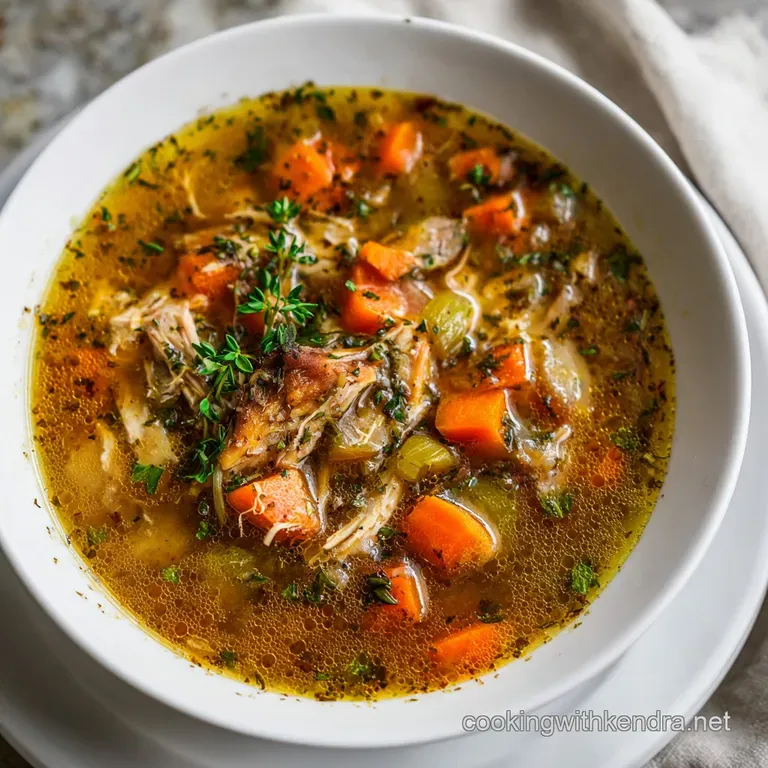
- Place the diced onions, garlic, and 1 lb Yukon Gold potatoes at the bottom of the crockpot. Note: This creates a "flavor bed" that seasons the broth from the bottom up.
- Lay the 1.5 lbs chicken thighs directly over the vegetables. Season the meat generously with the 1 tsp dried thyme, 1 tsp dried oregano, 0.5 tsp salt, and 0.5 tsp cracked black pepper.
- Pour the 6 cups chicken bone broth over the ingredients until everything is submerged by at least one inch. Add the unit bay leaf last.
- Cover and cook on LOW for 7 hours. Note: Avoid opening the lid; every time you peek, you lose about 15-20 minutes of heat.
- During the final 20 minutes of cooking, carefully remove the chicken thighs with tongs.
- Place chicken on a board and shred with two forks until you have bite sized pieces. Return the meat to the pot immediately.
- Stir in the 2 cups frozen peas, 2 cups chopped fresh baby spinach, and 1 tbsp lemon juice.
- Let sit for 5-10 minutes until the greens are wilted and the peas are bright green and hot.
- Remove the bay leaf and discard it before serving.
- Taste the broth and add a pinch more salt if the flavors don't "jump" yet.
One thing I've learned the hard way: don't skip the "rest" period at the end. When you add those frozen peas, the temperature of the soup drops slightly. Giving it that extra 10 minutes with the lid back on ensures the spinach is silky and the peas aren't icy in the middle.
It’s also the time when the lemon juice works its magic, mingling with the herbs to create that finished, professional taste.
Solving Common Kitchen Hiccups and Flavor Fixes
Even with a slow cooker, things can occasionally go sideways. The most common complaint I hear is that the soup tastes "watery" or "flat." Usually, this isn't a lack of salt; it's a lack of acid or a broth that wasn't concentrated enough. If you find yourself in this position, don't just keep dumping salt in.
A tiny splash of vinegar or extra lemon can often fix the problem instantly.
The Soup is Too Thin
If you prefer a heartier, thicker base, the fix is easy. Take a ladle full of the cooked potatoes and a bit of the broth, put them in a small bowl, and mash them into a paste with a fork. Stir that paste back into the main pot.
The starch will act as a natural thickener without you having to mess around with cornstarch or flour.
The Flavors Feel Flat
Slow cooking can sometimes dull the impact of dried herbs. If the soup tastes "boring" after 7 hours, it's likely because the volatile oils in the herbs have dissipated.
This is why we add the lemon juice at the end, but you can also stir in a handful of fresh parsley or dill right before serving to give it a fresh "top note."
Greasy Broth Surface
Chicken thighs are delicious because of their fat, but sometimes that fat can form a yellow slick on top of the soup. If this bothers you, take a clean paper towel and lightly drag it across the surface of the hot liquid. The paper towel will wick up the oil while leaving the flavorful broth behind.
| Problem | Root Cause | Solution |
|---|---|---|
| Mushy Vegetables | Diced too small or cooked on "High" | Keep potato chunks at 1/2 inch and always use "Low" setting. |
| Tough Chicken | Used breasts or cooked too long | Stick to thighs; they are much more forgiving of long cook times. |
| Bland Broth | Under seasoned or weak stock | Use bone broth and don't forget the lemon juice at the finish. |
Common Mistakes Checklist
- ✓ Don't use "High" heat to save time; it boils the chicken and makes it rubbery.
- ✓ Ensure the potatoes are at the bottom; they need the most direct heat.
- ✓ Never add the spinach at the beginning; it will turn into a slimy, grey mess.
- ✓ Taste your broth before adding extra salt at the end bone broths vary in sodium.
- ✓ Remove the bay leaf; nobody wants to crunch on a leathery leaf in their bowl!
Creative Variations to Suit Every Family Preference
This Crockpot Soup Recipe with Chicken is a fantastic "template" recipe. Once you have the timing and the base down, you can pivot the flavor profile in dozens of directions based on what’s in your pantry or what your family prefers.
The Low Carb Swap
If you're watching your starch intake, the potatoes are easy to replace. I’ve had great success using a large head of cauliflower cut into florets. You can also use diced radishes; interestingly, when radishes are slow cooked, they lose their spicy bite and take on a texture very similar to a potato.
The Mediterranean Twist
To give this a sun drenched feel, swap the oregano for dried basil and add a jar of drained chickpeas in the last hour. Finish the soup with a topping of crumbled feta cheese and a few kalamata olives. It transforms the dish from a classic "granny's kitchen" soup into something that feels like a seaside vacation. If you're a fan of those smoky, deep flavors, you might also want to check out my Pinto Bean Soup recipe which uses a similar "low and slow" approach but with a totally different vibe.
For scaling this recipe up or down, the math is relatively simple. If you’re cutting it in half for a smaller 3 quart slow cooker, reduce the cooking time by about 20% (around 5.5 to 6 hours) because smaller volumes of liquid tend to heat up faster.
If you’re doubling it for a massive 8 quart pot, keep the spices at 1.5x rather than a full 2x. Spices can become overwhelming when doubled exactly in a closed environment like a crockpot.
Smart Storage and Reheating for Busy Weeknight Success
One of the best things about this soup is that it actually tastes better on the second day. As it sits in the fridge, the flavors of the thyme and garlic continue to penetrate the potatoes and chicken, creating a more cohesive dish. It will keep perfectly in an airtight container in the fridge for up to 4 days.
When reheating, I recommend the stovetop over the microwave. Put your portion in a small pot over medium heat and add a splash of water or extra broth. Because the potatoes will have soaked up some liquid overnight, the soup might look a bit thick. A little extra liquid brings it back to that velvety consistency.
For freezing, this soup is a champion, with one small caveat: the potatoes. Freezing can sometimes make potatoes slightly "mealy." If you plan on making a huge batch specifically for the freezer, I suggest slightly undercooking the potatoes or leaving them out and adding them fresh when you reheat the soup.
It will stay good in the freezer for up to 3 months.
Zero Waste Tip: Don't throw away your vegetable scraps! Save the onion skins, celery ends, and carrot peels in a bag in your freezer. When the bag is full, simmer them with water for an hour to make your own "scrap broth" for the next time you make this soup.
How to Serve and Enjoy
While this soup is a complete meal on its own, the right accompaniments can turn it into a feast. I’m a firm believer that every bowl of soup needs a "crunch factor." A thick slice of sourdough bread, toasted with a little butter and garlic, is the classic choice for dipping.
The Topping Station
If you're serving this to a family, I love putting out small bowls of "extras" so everyone can customize their bowl. Some of our favorites include: Freshly grated Parmesan cheese for a salty, nutty kick. A dollop of Greek yogurt or sour cream for extra creaminess.
Extra cracked black pepper or red chili flakes for those who like heat. Fresh chives or green onions for a sharp, fresh finish.
The "shatter" of a well toasted baguette against the velvety backdrop of the broth is one of those simple kitchen pleasures that never gets old. Whether you're eating this curled up on the couch or at the dinner table with the whole family, it’s a recipe that feels like home.
It’s reliable, it’s nourishing, and most importantly, it’s delicious enough that you’ll actually look forward to those busy Tuesdays. Enjoy every spoonful!
I've found that serving this in wide, shallow bowls helps the soup cool down just enough to eat without burning your tongue, while still keeping the chicken warm. If you have any leftovers, they make the absolute best "office lunch" the next day just be prepared for your coworkers to ask what smells so good in the breakroom!
"Searing meat does not 'seal in juices.' Moisture loss occurs regardless. The crust adds flavor through the Maillard reaction, which gives the broth a deeper color and more complex taste."
"Adding 'High' heat doesn't just cook the soup faster; it can actually cause the vegetable fibers to break down too quickly while tightening the protein fibers in the meat. Stick to 'Low' for the most tender results."

Recipe FAQs
Can you cook raw chicken and vegetables together in the crockpot?
Yes, this is the intended method. Placing onions, garlic, and potatoes at the base allows them to soften perfectly while the chicken thighs cook evenly above them in the broth.
Which soup is best for diabetics?
This recipe is highly suitable for diabetic meal planning. Using nutrient dense ingredients like chicken bone broth, fresh spinach, and fiber rich Yukon Gold potatoes provides a balanced, low-glycemic impact meal.
How do you make chicken and vegetable soup in a slow cooker?
Layer vegetables on the bottom, top with chicken, and submerge in broth. Cook on low for 6 7 hours, shred the meat during the last 20 minutes, and stir in your greens and peas to finish. If you enjoyed the low-and-slow heat distribution here, see how it creates a perfectly tender texture in other poultry dishes.
Is it true that I should add all vegetables at the beginning?
No, this is a common misconception. While hardy items like potatoes and carrots need the full cook time, delicate vegetables like spinach and peas should only be added at the end to prevent them from becoming mushy.
What are common mistakes when making chicken soup?
Overcooking the chicken and forgetting to submerge ingredients are frequent errors. Always ensure your ingredients are covered by at least one inch of broth and keep the heat on low to prevent the proteins from toughening.
Why is my soup flavor bland?
You likely need to balance the acidity. Adding the final tablespoon of lemon juice is essential to brighten the savory flavors of the bone broth, thyme, and oregano.
How do I know when the soup is finished?
Check for fork tender chicken and wilted greens. After cooking for 6 7 hours on low and allowing the spinach and peas to heat through during the final 10 minutes, the flavors will be fully melded and ready to serve.
Crockpot Chicken Vegetable Soup
Ingredients:
Instructions:
Nutrition Facts:
| Calories | 267 kcal |
|---|---|
| Protein | 31.4 g |
| Fat | 4.7 g |
| Carbs | 22.6 g |
| Fiber | 4.3 g |
| Sugar | 4.1 g |
| Sodium | 485 mg |
