Daniel Fast Food Recipe with Roasted Vegetables
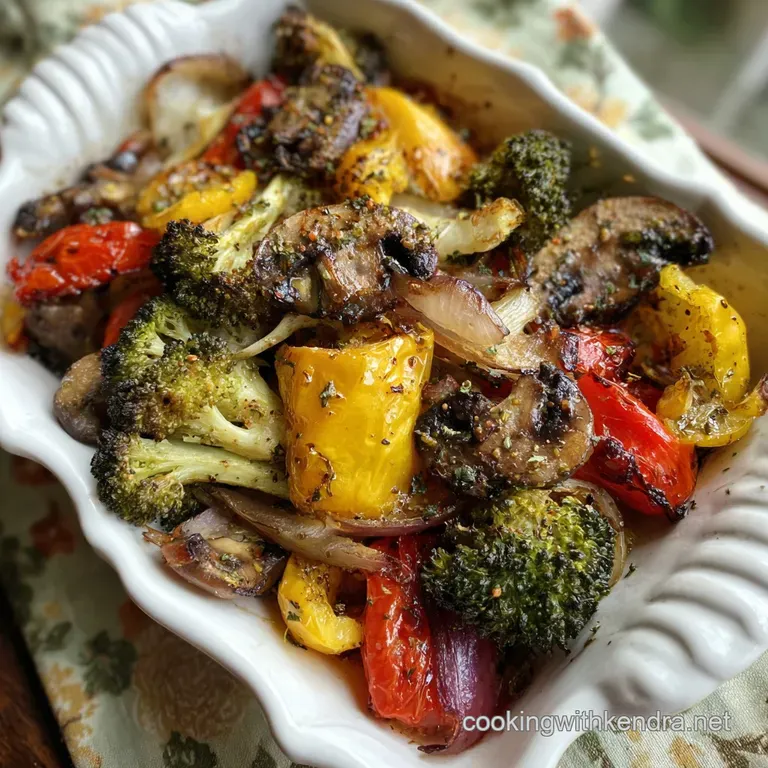
- Time: Active 15 minutes, Passive 30 minutes, Total 45 minutes
- Flavor/Texture Hook: Shatter crisp broccoli florets paired with velvety, spice rubbed sweet potatoes.
- Perfect for: Deeply nutritious meal prepping or a vibrant weeknight dinner.
- Achieve Radiant Results With This Daniel Fast Food Recipe with Roasted
- Core Metrics for Your Daniel Fast Food Creation
- Essential Elements for This Vibrant Recipe with Roasted
- Minimal Gear for Maximum Flavor Extraction
- Step-by-Step Guide to a Food Recipe with Roasted Vegetables
- Troubleshooting Your Roasted Vegetable Daniel Fast Recipes
- Global Variations for This Daniel Fast Food
- Debunking Roasted Vegetable Misconceptions
- Maintaining Texture and Freshness During Storage
- Perfect Pairings for Your Roasted Medley
- Recipe FAQs
- 📝 Recipe Card
Imagine the aroma of charred red onion hitting the air. It is that caramelized, deep sweetness that makes you forget you are even following a restricted plan. I have spent years figuring out how to make plant based food actually taste like something you want to eat, not just something you have to eat because your health app told you to.
The secret isn't just in what you cook, but how you treat the heat. When those sweet potatoes hit the hot pan and start to sizzle, you are building layers of flavor that don't require dairy or processed additives.
We are looking for those slightly blackened edges on the broccoli and the way a bell pepper softens into a silky, jammy strip.
Trust me on this, once you master the timing, this becomes a weekly staple. It is bright, it is filling, and it feels like a celebration of fresh produce rather than a sacrifice. We are going to skip the soggy, steamed veg of the past and embrace the over high heat magic that makes this Food Recipe with Roasted Vegetables a total winner.
Achieve Radiant Results With This Daniel Fast Food Recipe with Roasted
The Science of Why it Works: High heat triggers the Maillard reaction, turning natural sugars into complex, nutty flavor compounds. Quinoa absorbs liquid through starch gelatinization, expanding into fluffy, nutrient dense grains.
When we talk about roasting, we are really talking about moisture management. If you crowd the pan, the water escaping the vegetables turns into steam, leaving you with a soft, mushy mess. By giving each piece of zucchini and onion its own space, the dry air of the oven can evaporate that surface moisture quickly. This is what allows the exterior to crisp up while the interior stays tender. It is a technique I have refined over many trials, similar to the precise heat control I discuss in my Skillet Chicken with recipe.
- Maillard Reaction: Amino acids and sugars transform at 140°C (285°F) to create brown pigments and savory aromas.
- Starch Gelatinization: Quinoa seeds swell as they absorb vegetable stock, creating a "pop" in every bite.
- Osmosis: Salt draws moisture to the surface of the vegetables, helping the spices stick and the skin to crisp.
- Caramelization: The high natural sugar content in red onions and sweet potatoes undergoes pyrolysis, resulting in a sweet, complex finish.
| Ingredient | Science Role | Pro Secret |
|---|---|---|
| Sweet Potatoes | Complex Carbohydrate | Cube small (1.25 cm) to ensure the interior is velvety when the outside browns. |
| Quinoa | Structural Protein | Toast the dry grains for 2 minutes before adding liquid to enhance the nutty profile. |
| Extra Virgin Olive Oil | Heat Conductor | Use a high-quality oil to ensure even heat distribution and a silky mouthfeel. |
| Lemon Juice | Acid Brightener | Add only at the very end to prevent the vibrant green broccoli from turning olive drab. |
The interaction between the smoked paprika and the garlic powder is not just for heat; it creates a "pseudo umami" effect. Because we are not using meat or cheese, we need these potent, dry aromatics to signal to our brains that the dish is savory and substantial. The tri color quinoa isn't just for looks, either.
The darker grains (red and black) have a sturdier hull, providing a much needed textural contrast to the softer zucchini and peppers.
Core Metrics for Your Daniel Fast Food Creation
To get this right every single time, you need to pay attention to the physical changes in the oven. It is not just about the timer; it is about the visual cues. You want to see the red onion wedges turning translucent and then charring at the tips. This is where the flavor lives.
If you pull them too early, you miss that bittersweet edge that balances the earthy quinoa.
| Feature | Fresh Produce | Frozen Shortcut |
|---|---|---|
| Texture | Firm, crisp edges | Softer, can become watery |
| Flavor | Bright, distinct notes | Muted, requires more seasoning |
| Prep Time | 15 minutes | 2 minutes |
If you are in a rush, the shortcut is tempting, but for this specific Recipe with Roasted, fresh is king. Frozen vegetables are often blanched, which breaks down the cell walls and makes that "shatter crisp" roasted texture almost impossible to achieve.
- 1. Vegetable Uniformity
- Ensure sweet potato cubes are exactly 1.25 cm (1/2 inch). Anything larger will stay hard while the broccoli burns.
- 2. Pan Temperature
- Use a heavy duty metal sheet pan. Glass or ceramic won't conduct heat fast enough to sear the bottoms.
- 3. The Rest Phase
- Let the quinoa sit, covered, for exactly 5 minutes after the liquid is gone. This allows the remaining steam to finish the "fluffing" process.
Essential Elements for This Vibrant Recipe with Roasted
Every single ingredient here has a job. We aren't just filling a bowl; we are constructing a profile. The tri color quinoa provides the base, while the vegetables provide the soul. When shopping, look for the most vibrant colors you can find.
A deep purple red onion and bright yellow bell peppers don't just look better they often indicate higher phytonutrient content and better flavor.
- 2 large sweet potatoes: Peeled and cubed into 1.25 cm (1/2 inch) pieces. Why this? Provides the creamy, starchy heart of the dish.
- 1 head of broccoli: Cut into small florets. Why this? The "trees" catch the oil and spices for maximum crunch.
- 2 bell peppers (red and yellow): Sliced into thick strips. Why this? Adds a necessary sweetness and silky texture.
- 1 large red onion: Cut into wedges. Why this? Becomes jammy and savory when roasted.
- 1 zucchini: Sliced into half moons. Why this? Offers a refreshing, high moisture contrast.
- 3 tablespoons extra virgin olive oil: For roasting and flavor.
- 1 teaspoon sea salt: To draw out moisture and season.
- 1/2 teaspoon cracked black pepper: For a subtle, sharp bite.
- 1 teaspoon smoked paprika: For that essential "fire roasted" aroma.
- 1/2 teaspoon garlic powder: For an even, savory coating.
- 1 cup uncooked tri color quinoa: Rinsed thoroughly. Why this? Sturdier than white quinoa with more fiber.
- 2 cups water or unsalted vegetable stock: For cooking the grains.
- 1/4 cup fresh parsley: Chopped fine for a herbaceous finish.
- 1 lemon: Cut into wedges for a final acid hit.
| Original Ingredient | Substitute | Why It Works |
|---|---|---|
| Tri color Quinoa | Brown Rice | Similar heartiness. Note: Increases cook time by 20 minutes. |
| Smoked Paprika | Chipotle Powder | Adds smoke. Note: Significantly increases the spice level. |
| Extra Virgin Olive Oil | Avocado Oil | High smoke point. Note: More neutral flavor than olive oil. |
| Sweet Potatoes | Butternut Squash | Similar sweetness. Note: Slightly more fibrous texture. |
The salt choice matters here. Use a flaky sea salt if you can; it provides little bursts of flavor rather than a flat, metallic saltiness. And for the love of all things flavorful, don't skip rinsing the quinoa. Quinoa has a natural coating called saponin that can taste like soap if not washed away.
Minimal Gear for Maximum Flavor Extraction
You don't need a high end kitchen for this, but a few specific tools make the difference between a "fine" meal and a "brilliant" one. The most important is a large, rimmed baking sheet. If you have to use two pans to avoid crowding, do it. It is better to wash an extra dish than to eat soggy zucchini.
A sharp chef's knife is your best friend here. Because we need uniform cubes of sweet potato for even roasting, a dull blade will make the task frustrating and dangerous. If you are struggling with the sweet potatoes, try slicing a thin piece off one side first to create a flat, stable base on your cutting board.
I also recommend a fine mesh strainer for the quinoa. The grains are tiny, and they will escape through a standard colander. Finally, a heavy bottomed saucepan for the quinoa ensures the heat is distributed evenly, preventing the bottom layer of grains from scorching before the top layer is done.
step-by-step Guide to a Food Recipe with Roasted Vegetables
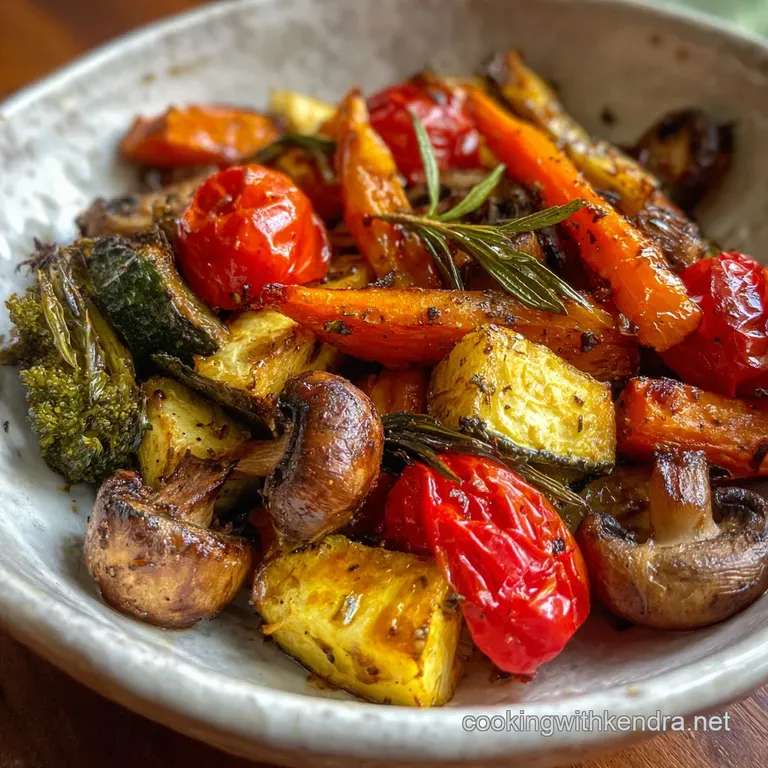
Roasting is a game of patience and high heat. We are going to build this dish from the bottom up, starting with the heartiest vegetables and finishing with the fresh garnishes.
- Preheat the oven. Set your oven to 200°C (400°F). Note: A fully preheated oven is crucial for that initial sear.
- Prep the vegetables. Cube the sweet potatoes, chop the broccoli, slice the peppers, onion, and zucchini.
- Season the medley. In a large bowl, toss all vegetables with olive oil, sea salt, pepper, smoked paprika, and garlic powder until every piece is glistening and coated.
- Spread on the pan. Place the vegetables on a baking sheet in a single layer. Ensure there is space between pieces to prevent steaming.
- Start the roast. Slide the pan into the oven and bake for 30 minutes. Halfway through, toss them with a spatula until the bottoms are browned.
- Simmer the quinoa. While the veg roasts, combine rinsed quinoa and 2 cups of stock in a pot. Bring to a boil, then reduce to a low simmer.
- Cook the grains. Cover and cook for 15 minutes until the water is absorbed and the quinoa spirals are visible.
- The rest phase. Remove quinoa from heat and let it sit, covered, for 5 minutes. Fluff with a fork until light and airy.
- Check the roast. Pull the vegetables out when the sweet potatoes are tender and the broccoli tips are charred and crispy.
- Assemble and garnish. Scoop the quinoa into bowls, top with the roasted bounty, and sprinkle with fresh parsley and a heavy squeeze of lemon.
Chef's Note: If you want a deeper flavor, toast the dry quinoa in the pot for 2-3 minutes until it smells like popcorn before you add the liquid. It's a small step that makes a massive difference in the final profile.
Troubleshooting Your Roasted Vegetable Daniel Fast Recipes
Even the best of us have bad oven days. If your vegetables aren't looking quite right, don't panic. Most issues come down to temperature or moisture. If you are not on the fast and want to adapt this for a different crowd, you might even consider serving these vegetables alongside my Creamy Mushroom Chicken recipe.
Why Your Vegetables Turned Out Soggy
This usually happens because the pan was too crowded or the oven wasn't hot enough. When vegetables are packed together, the moisture they release gets trapped, essentially steaming them. Next time, use two pans or a larger one.
Also, ensure you dried your vegetables thoroughly after washing them; extra water is the enemy of a good roast.
Why the Quinoa Is Crunchy
If your quinoa feels like birdseed, it's undercooked or didn't have enough liquid. Quinoa needs a strict 2:1 ratio. If it's still hard and the water is gone, add 2 tablespoons of hot water, cover it tightly, and let it sit on the warm burner for 5 more minutes. The residual steam will usually save the day.
| Problem | Root Cause | Solution |
|---|---|---|
| Burnt Broccoli | Cut too small or placed in a "hot spot" | Add broccoli to the pan 10 minutes after the sweet potatoes. |
| Bitter Quinoa | Saponin coating wasn't removed | Rinse under cold water for at least 60 seconds before cooking. |
| Hard Sweet Potatoes | Cubes were too large | Cut into 1.25 cm (1/2 inch) pieces or increase roasting time by 10 minutes. |
Global Variations for This Daniel Fast Food
The beauty of this Recipe with Roasted is that it acts as a blank canvas. You can take this basic framework and travel the world with different spices. If you are looking for more plant based inspiration, the flavors here are a great starting point for something like my Proper Homemade Chicken recipe (minus the chicken, of course, for the fast!).
Decision Shortcut:If you want a Mediterranean vibe, swap the paprika for dried oregano and add some sliced kalamata olives after roasting. If you want more heat, add 1/2 teaspoon of red pepper flakes to the oil before tossing the vegetables.
If you want a creamy finish, whisk together 2 tablespoons of tahini with the juice of half a lemon and a splash of water, then drizzle it over the top.
Mexican Inspired Twist: Swap the parsley for cilantro and the smoked paprika for cumin. Squeeze plenty of lime over the top and add a few slices of avocado for healthy fats. The creaminess of the avocado against the charred peppers is divine.
Curry Roasted Bowl: Toss the vegetables in 1 tablespoon of high-quality curry powder instead of paprika. Use coconut water for half of the quinoa cooking liquid for a subtle, tropical sweetness that pairs perfectly with the roasted onions.
Debunking Roasted Vegetable Misconceptions
One major myth is that you need a ton of oil to get things crispy. In reality, too much oil can lead to greasy, heavy vegetables that feel weighed down. You only need enough to lightly coat the surface so the spices stick and the heat conducts. The goal is a thin film, not a bath.
Another common mistake is thinking you should salt the vegetables long before they go into the oven. While salting ahead of time works for meat, for vegetables, it draws out moisture too early, which can lead to that dreaded steaming effect in the pan.
Salt them immediately before they slide into the heat for the best texture.
Searing vegetables does not "seal in" their juices. In fact, roasting is all about controlled moisture loss to concentrate the flavors. The goal isn't to keep the water inside; it's to remove enough of it that the natural sugars can reach high enough temperatures to brown beautifully.
Maintaining Texture and Freshness During Storage
This Recipe with Roasted is a meal prep dream. I often make a double batch on Sunday so I have lunch ready for half the week. The key to successful storage is letting the food cool completely before you seal the lid. If you trap the steam in the container, you'll lose all that hard earned roasted texture.
- Fridge Storage: Keep in an airtight container for up to 4 days.
- Freezer Guidelines: You can freeze this for up to 2 months, but be warned the zucchini and peppers will lose their structure and become soft upon thawing. It is better to freeze just the cooked quinoa and roast fresh veg.
- Reheating: Avoid the microwave if you have 5 minutes. Reheat in a dry skillet over medium high heat. This "re fries" the edges of the vegetables and the quinoa, bringing back some of that original crunch.
Zero Waste Tip: Don't throw away the broccoli stems! Peel the tough outer skin, dice the tender inner core, and roast them right along with the florets. They are actually the sweetest part of the plant. Also, the lemon rinds can be tossed into your water bottle for a refreshing drink while you cook.
Perfect Pairings for Your Roasted Medley
This dish is a powerhouse on its own, but sometimes you want a little extra something on the side. If you're staying strictly on the Daniel Fast, a side of homemade hummus or a simple massaged kale salad with lemon dressing works wonders.
The creaminess of a chickpea spread balances the "pop" of the tri color quinoa beautifully.
If you are cooking for a family where not everyone is fasting, this makes an incredible base for a larger spread. It pairs beautifully as a side dish for something like my Creamy Mushroom Chicken recipe. The earthy mushrooms in that sauce complement the roasted notes of the sweet potatoes perfectly.
For a bit of crunch, consider adding toasted pumpkin seeds (pepitas) or sliced almonds right before serving. This adds a layer of healthy fats and a textural shift that makes every forkful interesting.
A handful of fresh arugula folded into the warm quinoa just before serving adds a peppery bite that cuts through the sweetness of the roasted onions. Honestly, once you start experimenting with these layers, you'll see why this is one of my favorite ways to eat. Enjoy the process and the vibrant flavors!
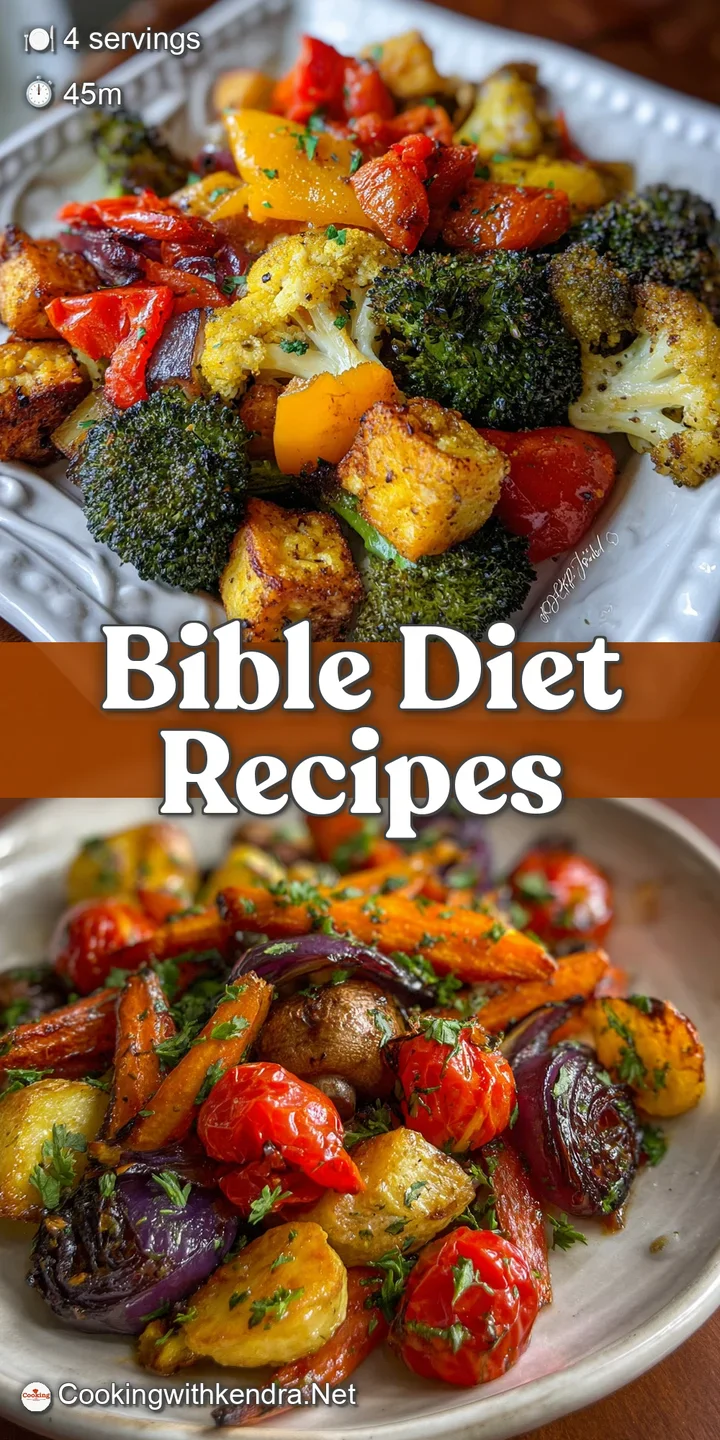
Recipe FAQs
Can I eat cooked vegetables on a Daniel Fast?
Yes, cooked vegetables are allowed. The Daniel Fast emphasizes whole, unprocessed foods, which includes vegetables prepared through methods like roasting, steaming, or sautéing.
What vegetables did Daniel eat on his fast?
Daniel and his companions ate pulse vegetables. This typically refers to legumes like lentils, beans, and peas, along with other vegetables that grow underground or on vines, fitting the definition of whole, natural produce.
Can I eat veggie chunks on Daniel Fast?
Yes, vegetable chunks are fine. As long as they are prepared without added fats, sweeteners, or processed ingredients, chunks of vegetables like those used in roasting are perfectly compliant with the Daniel Fast.
Can I eat roasted nuts during Daniel Fast?
No, nuts and seeds are generally excluded from the Daniel Fast. The fast typically focuses on fruits, vegetables, and whole grains, abstaining from nuts, seeds, and all animal products.
Is it true that roasted vegetables can be bland on a Daniel Fast?
No, this is a common misconception. Roasting vegetables like sweet potatoes and broccoli brings out their natural sugars and creates deep, savory flavors through caramelization. If you enjoyed mastering the controlled moisture loss for crispiness here, you'll find similar satisfying textures in our Loaded Baked Potato Soup: Ultimate Decadent Creamy Pub Classic by focusing on the rich, natural flavors.
How do I prevent my roasted vegetables from becoming soggy?
Spread vegetables in a single layer on a hot baking sheet. Crowding the pan causes moisture to steam rather than evaporate, leading to sogginess. Ensure adequate space between pieces for air circulation.
What spices are best for roasting vegetables on a Daniel Fast?
Use whole food spices like garlic powder, onion powder, smoked paprika, and black pepper. These add depth and complexity without violating the fast's restrictions. For example, the smoky notes of paprika pair wonderfully with the earthy base of grains, similar to how we layer flavor in our Chicken Stew: The Classic Comfort Recipe (Slow Simmered for Flavor) by focusing on natural aromatics.
Daniel Fast Roasted Vegetables 2
Ingredients:
Instructions:
Nutrition Facts:
| Calories | 457 kcal |
|---|---|
| Protein | 13.2 g |
| Fat | 13.6 g |
| Carbs | 72.8 g |
| Fiber | 11.4 g |
| Sugar | 9.2 g |
| Sodium | 585 mg |
