The Easiest Nye Appetizer: Glazed Cocktail Meatballs | 35-Minute Magic
- Effort/Time: 35 minutes total (Zero-stress assembly).
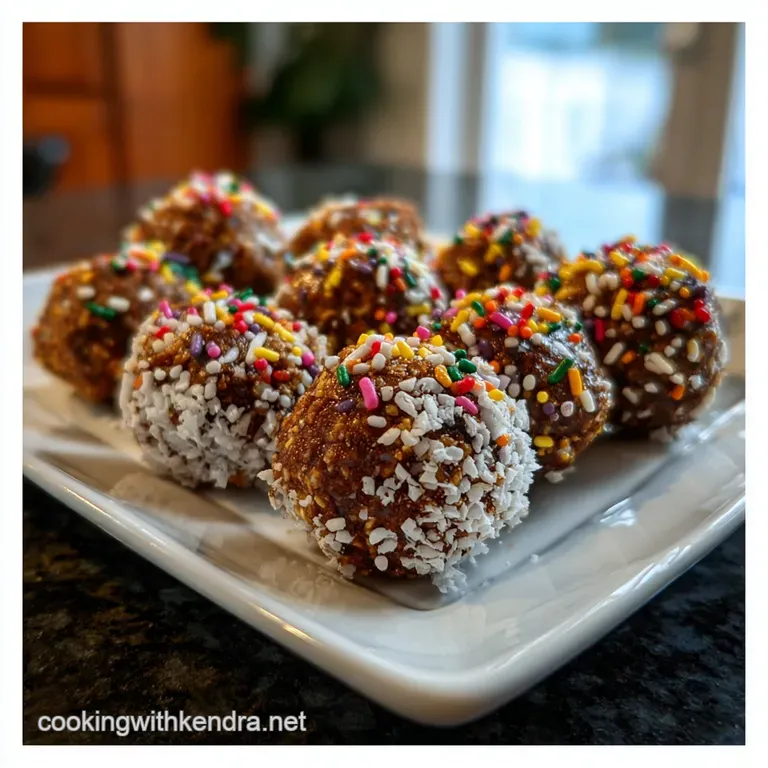
- Flavor Hook: A mahogany-colored glaze that shatters into a velvety, umami-rich finish.
- Perfect for: Low-maintenance hosting and high-impact NYE spreads.
- Master the Ultimate The Easiest NYE Appetizer: Glazed Cocktail Meatballs
- The Molecular Magic Behind Every Savory Sweet Bite
- Critical Dimensions: Time, Yield, and Precision Stats
- The Alchemy of Umami: Selecting Your Elements
- Essential Hardware for Achieving Maximum Sizzle
- Precision Assembly and Thermal Mastery Protocol
- Why Your Meatballs Fail: Solutions for Common Pitfalls
- Flavor Architecture: Creative Swaps and Regional Twists
- ⚗️ The Scaling Lab: The Physics of Quantity
- Common Myths
- Preserving Texture: Cooling, Freezing, and Reheating Physics
- Vibrant Presentations for Your Community Gathering
- Recipe FAQs
- 📝 Recipe Card
Master the Ultimate The Easiest NYE Appetizer: Glazed Cocktail Meatballs
Imagine spending $40 on premium lean beef only to serve your guests what essentially taste like rubber pencil erasers. I’ve seen it happen at countless New Year’s Eve parties dry, crumbly spheres that require a gallon of water to swallow.
It’s a texture failure that ruins the vibrant energy of a community gathering. Get ready to impress with this guide to the seven simplest New Year's Eve appetizers.
I’ll be the first to admit I used to overwork my meat. I thought the harder I kneaded the beef, the more cohesive the appetizer would be. Instead, I was inadvertently creating a dense protein mesh that squeezed out every drop of moisture.
It wasn't until I understood the physics of the panade that humble mix of breadcrumbs and egg that I finally achieved the velvety interior I was looking for.
The secret to The Easiest NYE Appetizer: Glazed Cocktail Meatballs isn’t just the seasoning; it’s the controlled Maillard reaction and the emulsion stability of the sauce.
By searing the exterior to create a mahogany crust and then bathing it in a honey soy reduction, we’re utilizing osmotic pressure to pull flavor into the center while the honey provides a glossy, glass like coating.
The result is a vibrant, aromatic snack that feels sophisticated but takes less than 40 minutes to execute.
The Molecular Magic Behind Every Savory Sweet Bite
- Panade Protection: Panko breadcrumbs and egg create a physical barrier between protein strands, preventing them from over linking and turning tough.
- Emulsion Stability: The combination of honey and soy sauce creates a viscous liquid that clings to the meat via surface tension, rather than sliding off.
- The Maillard Effect: Searing the beef at high heat rearranges amino acids and sugars, creating hundreds of new flavor compounds that raw meat lacks.
- Hydroscopic Honey: Honey attracts and retains moisture, ensuring the glaze doesn't just sit on top but creates a succulent, tacky finish.
Critical Dimensions: Time, Yield, and Precision Stats
| Metric | Value |
|---|---|
| Preparation Time | 15 minutes |
| Active Cook Time | 20 minutes |
| Total Thermal Processing | 35 minutes |
| Recipe Yield | 10 servings |
| Protein per Serving | 19g |
| Target Internal Temp | 71°C (160°F) |
The Alchemy of Umami: Selecting Your Elements
Selecting your components for The Easiest NYE Appetizer: Glazed Cocktail Meatballs requires an understanding of fat ratios and acidity. We are building a flavor architecture that balances the heavy fats of the beef with the sharp bite of fresh ginger and the fermented depth of soy sauce.
Ingredient Chemistry Breakdown
| Ingredient | Chemical/Physical Role (Science) | The Pro Secret (Why This Matters) |
|---|---|---|
| Lean Ground Beef | Myoglobin and fat provide the structural base for the Maillard reaction. | 90/10 blend prevents excessive shrinkage while maintaining a juicy mouthfeel. |
| Panko Breadcrumbs | Starch gelatinization occurs as it absorbs egg and meat juices. | Creates "pockets" of moisture that prevent the meat from becoming a solid, dense mass. |
| Honey | High fructose content provides rapid caramelization and viscosity. | Acts as the primary thickening agent without the need for flour or cornstarch. |
| Low-sodium Soy Sauce | Provides glutamates for umami without over saturating osmotic pressure. | Allows you to control the salt levels so the reduction doesn't become a "salt bomb." |
- 2 lbs Lean Ground Beef (90/10 blend)Why this? High protein-to-fat ratio ensures the meatballs hold their shape without swimming in grease.
- Substitute: Lean ground turkey (will be slightly softer; handle with care).
- 0.5 cup Panko breadcrumbsWhy this? Larger surface area than traditional crumbs for better moisture trapping.
- Substitute: Crushed saltine crackers for a saltier, buttery profile.
- 1 large Egg, lightly beaten
- Substitute: 2 tbsp plain Greek yogurt (adds tang and moisture).
- 1 tsp Garlic powder
- Substitute: Freshly microplaned garlic (use 2 cloves).
- 0.5 tsp Kosher salt (I recommend Diamond Crystal Kosher Salt for its flaky texture and even distribution).
- 0.5 tsp Black pepper
- 1 tbsp Neutral oil (e.g., Avocado oil for its high smoke point).
- 0.5 cup Honey
- 0.33 cup Low-sodium soy sauce (I always use Kikkoman Low Sodium Soy Sauce for consistent fermentation notes).
- 3 cloves Garlic, minced
- 1 tbsp Fresh ginger, grated
- 1 tsp Sriracha
Essential Hardware for Achieving Maximum Sizzle
To make The Easiest NYE Appetizer: Glazed Cocktail Meatballs correctly, you need tools that manage heat distribution effectively.
- Lodge Cast Iron Skillet (12 inch): This is non-negotiable for the sear. Cast iron has high thermal mass, meaning the temperature won't plummet when you add the cold meat.
- KitchenAid Stainless Steel Mixing Bowl: Metal stays colder than plastic, which keeps the beef fat from melting while you're mixing.
- Cookie Scoop (1 tablespoon size): Essential for geometric uniformity. If the meatballs aren't the same size, they won't cook at the same rate, leading to a mix of raw and overdone centers.
- Microplane Grater: For the ginger and garlic. We want a paste like consistency to ensure the aromatics integrate into the glaze without leaving fibrous chunks.
Precision Assembly and Thermal Mastery Protocol
- Chilled Prep: Place your KitchenAid Mixing Bowl in the fridge for 10 minutes before starting. Note: Keeping the meat cold prevents the fat from "smearing," which results in a grainier, more vibrant texture.
- Combine Aromatics: Mix the 2 lbs Lean Ground Beef, 0.5 cup Panko, 1 large Egg, 1 tsp Garlic powder, 0.5 tsp Kosher salt, and 0.5 tsp Black pepper.
- Gentle Integration: Use your hands to fold the ingredients until just combined and no streaks of egg remain. Do not squeeze or mash.
- Uniform Scaling: Scoop 1 tablespoon portions and roll them into 3 cm spheres.
- Preheat Surface: Heat 1 tbsp Neutral oil in your Lodge Cast Iron Skillet over medium high heat until the oil shimmers and a faint wisp of smoke appears.
- The Sizzle Sear: Place meatballs in the pan in batches. Sauté for 6 minutes, turning occasionally until a deep mahogany crust forms on all sides and the meat no longer sticks to the pan.
- Deglaze and Infuse: Remove meatballs and wipe out excess fat. Add 3 cloves minced garlic and 1 tbsp grated ginger. Sauté for 30 seconds until the fragrance is sharp and nutty.
- Glaze Activation: Pour in 0.5 cup Honey, 0.33 cup Soy sauce, and 1 tsp Sriracha. Whisk until the mixture bubbles vigorously at the edges.
- The Reduction Phase: Return meatballs to the skillet. Simmer for 8 10 minutes until the sauce thickens into a heavy syrup and the internal temperature reaches 71°C (160°F).
- Final Coating: Toss the meatballs continuously in the last 2 minutes until the glaze is tacky and clings to the meat like a second skin.
Why Your Meatballs Fail: Solutions for Common Pitfalls
Why Your Meatballs Fall Apart
The most common cause of structural failure is a lack of protein binding. This usually happens if the egg wasn't distributed properly or if the meat was too lean (below 90%). Without enough "glue" (egg protein) and "fat" (lubricant), the Panko actually pushes the meat fibers apart rather than holding them together.
| Problem | Root Cause | The Fix | Pro Protocol |
|---|---|---|---|
| Meatballs Crumbling | Low moisture or under mixing the binder. | Add 1 tsp of water or extra egg yolk. | Chill the rolled spheres for 15 mins before searing to set the shape. |
| Thin, Runny Sauce | Insufficient reduction time or too much soy sauce. | Simmer longer or add 1 extra tbsp honey. | Check for "nappe" consistency: it should coat the back of a spoon. |
| Burned Glaze | High sugar content + excessive heat. | Drop heat to medium low once honey is added. | If it smells acrid, add a splash of water immediately to stop the burn. |
Flavor Architecture: Creative Swaps and Regional Twists
If you’re looking to vary the profile of The Easiest NYE Appetizer: Glazed Cocktail Meatballs, focus on the acid and heat components. The base recipe is a canvas for your community’s preferences.
- Spicy Cranberry Twist: Replace half the honey with cranberry sauce. This adds a tart pectin boost that pairs perfectly with the soy sauce.
- Sesame Ginger Variation: Use the technique from my Kikkoman Teriyaki Sauce recipe by adding toasted sesame oil and sesame seeds at the very end.
- gluten-free Swap: Use certified gluten-free Panko and Tamari instead of soy sauce. The result is identical in texture but safe for all guests.
Chef's Note: If you want a more substantial party spread, these meatballs pair beautifully with a sweet dessert like my Monkey Bread recipe. The cinnamon sugar notes in the bread complement the salty sweet umami of the glaze.
⚗️ The Scaling Lab: The Physics of Quantity
Doubling this recipe for a large NYE bash isn't as simple as multiplying by two. Physics dictates how heat and flavor behave in larger volumes.
- The Evaporation Paradox: If you double the glaze in the same skillet, it will take twice as long to reduce because the surface area remains constant. Reduce the soy sauce by 10% to prevent the salt from concentrating too much during the longer boil.
- Pan Crowding (The Maillard Killer): Never double the meatballs in one pan. This drops the skillet temperature, causing the meat to release its juices and "steam" rather than sear. You'll end up with gray, soggy meatballs. Cook in batches to maintain that mahogany crust.
- Carry Over Heat: A larger pile of meatballs in a serving dish holds more thermal mass. They will continue to cook for 5 7 minutes after being removed from the heat. Pull them at 68°C (155°F) instead of 71°C if you are serving them in a warm slow cooker.
Common Myths
- Myth: You must use high fat beef for flavor.
- Truth: In cocktail meatballs, 90/10 is superior. The honey glaze provides the "fatty" mouthfeel, and leaner beef prevents the sauce from becoming greasy and breaking.
- Myth: Fresh breadcrumbs are better than Panko.
- Truth: Panko is specifically engineered for structure. Its dry, airy nature allows it to absorb more liquid without becoming a mushy paste, keeping the meatballs light.
Preserving Texture: Cooling, Freezing, and Reheating Physics
Storage: Store in an airtight container for up to 4 days. The honey in the glaze acts as a natural preservative, but the fat in the beef will eventually oxidize.
Freezing: These are the ultimate make-ahead appetizers. Freeze the cooked meatballs without the glaze for up to 3 months. When ready to serve, make the glaze fresh and toss the thawed meatballs in during the reduction phase.
Reheating: Avoid the microwave it turns the proteins into rubber. Instead, place them in a skillet with a splash of water over low heat. Cover with a lid to create steam, which thaws the glaze and re-hydrates the meat without overcooking the exterior.
💡 ZERO WASTE PHILOSOPHY: Don't discard ginger peels or garlic skins. Transform: Simmer them in a cup of water for 10 minutes to create an aromatic base for a quick soup or tea.
Science: These scraps contain concentrated essential oils and antioxidants that provide a vibrant flavor boost for zero cost.
Vibrant Presentations for Your Community Gathering
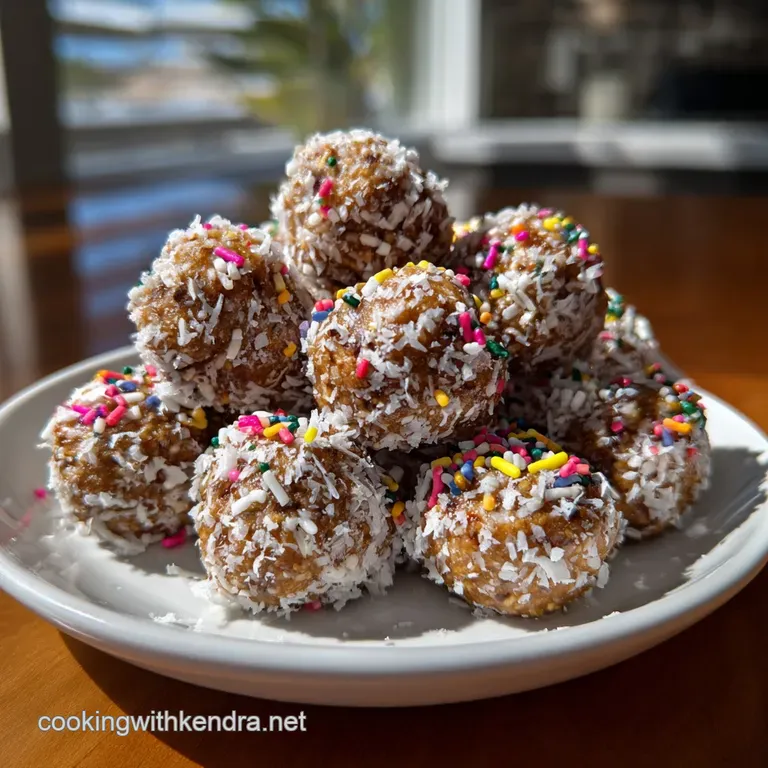
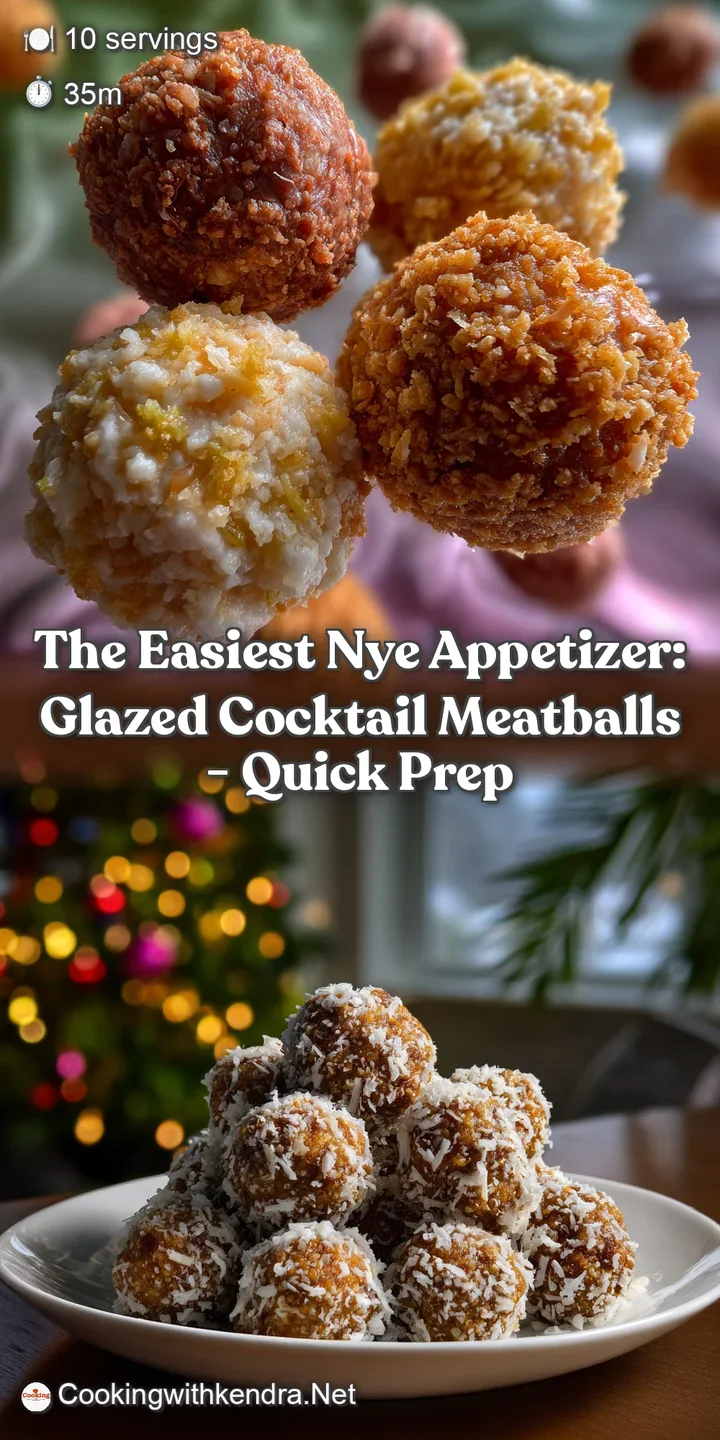
When serving The Easiest NYE Appetizer: Glazed Cocktail Meatballs, think about the visual "pop." A mahogany glazed meatball against a white ceramic platter is classic, but adding a sprinkle of fresh green scallions or toasted sesame seeds provides a textural and visual contrast that screams "fresh."
- The Party Platter: Use bamboo skewers instead of plastic toothpicks. They look more artisanal and offer a better grip for the tacky glaze.
- Slider Style: Place one meatball inside a small brioche bun with a dollop of slaw for a more filling appetizer.
- Decision Shortcut:
- If you want a crunchier exterior, increase the Panko by 2 tbsp and sear longer.
- If you want a stickier glaze, add 1 extra tbsp of honey in the last 2 minutes of simmering.
- If you want a spicier kick, double the Sriracha and add a pinch of red pepper flakes.
By following this masterclass, you aren't just making a snack; you're applying culinary physics to create a reliable, high-quality experience for your friends and family. Enjoy the sizzle, the aromas, and the company. That Bring Instant Party Magic is all about the details!
Recipe FAQs
What is the secret to keeping these meatballs moist and tender?
Panade Protection prevents over linking and moisture loss. The breadcrumbs and egg absorb the meat's juices, physically creating space between the protein strands that prevents them from squeezing dry during the sear.
- Use Panko for maximal liquid absorption
- Mix gently until just combined
- Avoid squeezing the mix too tightly during rolling
Can I make these completely ahead of time?
Yes, cook them first, then glaze later. Cook the meatballs fully, cool them, and freeze them without sauce for three months. Reheating involves steaming them slightly before tossing them in a freshly made reduction to maintain glaze shine. If you are looking for an easy baked appetizer alternative, consider our Buffalo Chicken Dip: The Creamiest, Easiest Oven Baked Recipe which reheats exceptionally well.
Should I use salted or unsalted butter in the glaze?
Low-sodium soy sauce is required for precise seasoning. Salted butter introduces variable sodium levels that clash with the pre-seasoned meat and the measured soy sauce. Using low-sodium soy allows you to control the overall salt profile based on the intense sweetness of the honey reduction.
Why do my meatballs stick to the cast iron pan?
The pan wasn't hot enough during the initial sear. Heat transfer requires the surface temperature to exceed the moisture evaporation point quickly. If the pan is too cool, the moisture escapes slowly, preventing the Maillard reaction and causing adhesion. If you mastered controlling the searing heat here, apply that same temperature precision when browning meat for our Pizza Casserole: The Easiest Weeknight Comfort Food Recipe.
How do I know when the glaze is perfectly reduced?
Myth: A thick glaze means it is done.Reality: You must check for "nappe" consistency it should coat the back of a spoon without dripping immediately. Over reducing causes the honey to scorch and turn bitter, regardless of appearance.
What temperature should the internal meat be?
Pull the meatballs at 160°F (71°C). Carry over heat will raise the internal temperature by an additional 3-5 degrees after they are removed from the stove. This accounts for residual cooking while they finish being coated in the hot glaze.
Can I substitute ground turkey for the beef?
Yes, but expect a softer texture. Turkey has less stabilizing fat, meaning the protein structure is inherently looser. For a firmer result, increase the binder ratio by substituting 1 tbsp of the egg for 1 tbsp of full fat Greek yogurt.
Easiest Nye Glazed Meatballs
Ingredients:
Instructions:
Nutrition Facts:
| Calories | 255 kcal |
|---|---|
| Protein | 19g |
| Fat | 11g |
| Carbs | 20g |
| Fiber | 1g |
| Sugar | 14g |
| Sodium | 435mg |
