Easy Skillet Lasagna: No Oven Required
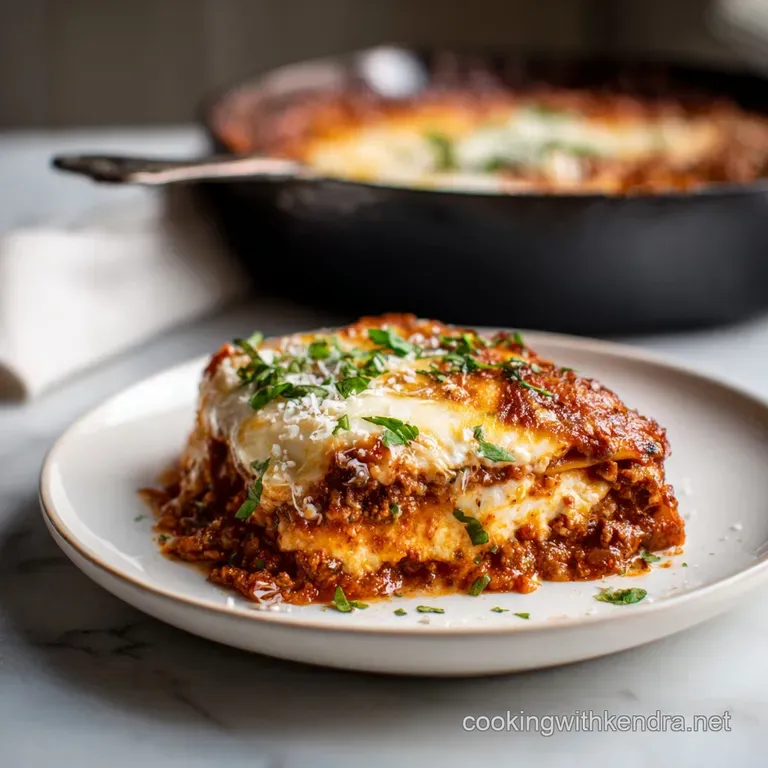
- Time: Active 10 minutes, Passive 20 minutes, Total 30 minutes
- Flavor/Texture Hook: Savory sausage and rich marinara meet silky, cheese blanketed noodles with a hint of spicy heat.
- Perfect for: Busy Tuesday nights when you want comfort food but don't want to scrub a giant casserole dish.
- Why This Skillet Lasagna Recipe Saves Weeknight Sanity
- Starch Bond Engineering
- Strategic Component Analysis
- Gathering Your Essential Ingredients
- Selecting the Right Equipment
- Executing the One Pan Method
- Solving Common Cooking Hurdles
- Adjusting for Different Groups
- Variations for Every Palate
- Culinary Legends Debunked
- Efficient Storage and Zero Waste
- Finding the Perfect Side Dish
- Very High in Sodium
- Recipe FAQs
- 📝 Recipe Card
Why This Skillet Lasagna Recipe Saves Weeknight Sanity
The first time I tried making a traditional lasagna on a Tuesday, I ended up eating dinner at 9:30 PM with a sink full of pots and a very grumpy toddler. It was a mess of boiling noodles, simmering sauce, and three different bowls for cheese mixtures.
I promised myself I’d find a better way, and that’s when the sizzle of the sausage hitting my cast iron skillet changed everything. This version gives you those crispy, browned edges and that gooey, molten center in half the time, all in one single pan.
You know that incredible aroma of garlic and oregano that wafts through a really good Italian restaurant? That’s exactly what hits you the moment you stir the marinara into the browned sausage.
It’s comforting, it’s fast, and honestly, the way the broken noodles tuck into the sauce creates these little pockets of ricotta that are much more fun to eat than the flat layers of the original. We’re going for high impact flavor with zero fuss here, and I can't wait for you to see how easy it is.
We’ve all been there where we crave something hearty but the thought of the cleanup feels like a second job. This dish solves that. We are essentially braising the pasta in the sauce, which means the noodles soak up all that meaty, herby goodness instead of just sitting there.
It’s a game of moisture management and heat control, and once you nail it, you’ll never go back to the labor intensive version on a weeknight again.
Starch Bond Engineering
Starch Suspension: Breaking the noodles releases raw starch into the liquid, which acts as a natural thickener to create a silky, cohesive sauce that clings to every bite.
Pressure Braising: Covering the skillet creates a pressurized steam environment that hydrates the pasta 40% faster than boiling water alone while concentrating the flavors of the marinara.
Fat Emulsification: The high fat content in the Italian sausage binds with the tomato acidity, resulting in a mellow, rounded flavor profile that mimics a sauce simmered for hours.
| Method | Cook Time | Texture Profile | Cleanup Level |
|---|---|---|---|
| Traditional Oven | 1 hours 15 mins | Structured layers, dry edges | High (3+ pots) |
| Stovetop Skillet | 30 minutes | Silky, rustic, saucy | Low (1 pan) |
| Slow Cooker | 4 hours | Very soft, unified flavor | Medium (Inset + prep pan) |
When you choose the stovetop method, you're trading the rigid structure of a sliced lasagna for a more "rustic" feel. It’s essentially the difference between a tailored suit and your favorite cashmere sweater. Both are great, but one is a lot more comfortable for a random Wednesday night. If you love this kind of efficient cooking, you might also enjoy the technique used in our How to Make recipe for a family favorite.
Strategic Component Analysis
| Ingredient | Science Role | Pro Secret |
|---|---|---|
| Italian Sausage | Provides fat and protein structure | Brown it until it's nearly dark brown for the best Maillard flavor. |
| Traditional Noodles | Releases starch to thicken the sauce | Don't use "no boil" sheets; the starch from regular noodles is vital for the sauce. |
| Beef Broth | Hydrates the pasta without diluting flavor | Use a low sodium version so you can control the final saltiness of the dish. |
| Ricotta Cheese | Adds creamy moisture and fat | Dollop it at the very end to keep it from completely melting into the sauce. |
The interaction between the acid in the marinara and the calcium in the cheese is what gives you that perfect "stretch" without the sauce breaking. If the sauce looks too thin at first, don't panic. The pasta is like a sponge, and it will continue to pull in moisture even after you take it off the heat.
This is why we use a specific ratio of broth to sauce.
Gathering Your Essential Ingredients
- 1 lb ground Italian sausage: Provides the savory, spicy foundation. Why this? The fennel and spices in sausage add instant depth without extra seasoning.
- Substitute: Ground turkey with an extra teaspoon of fennel seeds and salt.
- 1 tbsp extra virgin olive oil: For sautéing the aromatics. Why this? high-quality oil prevents the garlic from scorching too quickly.
- Substitute: Avocado oil or even a bit of butter.
- 1 medium yellow onion, finely diced: Adds sweetness and texture. Why this? Yellow onions have a higher sugar content which carmelizes beautifully.
- Substitute: White onion or 2 large shallots.
- 3 cloves garlic, minced: The aromatic backbone. Why this? Fresh garlic provides a punch that powder simply cannot match.
- Substitute: 1.5 teaspoons of jarred minced garlic (though fresh is better).
- 1 tsp dried oregano: For that classic earthy Italian flavor. Why this? Dried herbs hold up better during the simmering process than fresh.
- Substitute: Italian seasoning blend.
- 0.5 tsp red pepper flakes: Adds a gentle back of-the throat heat. Why this? Cuts through the richness of the cheese.
- Substitute: A pinch of cayenne or leave out for a milder version.
- 24 oz marinara sauce: Use a brand you love. Why this? This is the primary liquid and flavor source for the noodles.
- Substitute: Crushed tomatoes with an extra pinch of salt and sugar.
- 1.5 cups beef broth: Necessary for cooking the pasta. Why this? Broth adds more savory "umami" than plain water.
- Substitute: Chicken broth or vegetable stock.
- 10 oz traditional lasagna noodles: Broken into 2 inch pieces. Why this? The jagged edges catch the sauce perfectly.
- Substitute: Campanelle or Mafaldine pasta for a similar look.
- 1 cup whole milk ricotta cheese: For those creamy pockets of joy. Why this? Whole milk fat prevents the cheese from becoming grainy.
- Substitute: Small curd cottage cheese for a high protein swap.
- 1.5 cups low moisture mozzarella, shredded: The ultimate melting cheese. Why this? Low moisture means it melts smoothly without making the dish watery.
- Substitute: Mild provolone or Monterey Jack.
- 0.5 cup freshly grated Parmesan cheese: For a salty, nutty finish. Why this? Grating your own ensures it melts instead of clumping.
- Substitute: Pecorino Romano for a sharper bite.
- 0.25 cup fresh basil, chiffonade: The final fresh pop. Why this? Adds a sweet, peppery aroma that wakes up the cooked sauce.
- Substitute: Fresh parsley if basil isn't available.
Chef's Tip: Freeze your block of mozzarella for 10 minutes before grating. It makes the cheese firmer and prevents it from turning into a mushy mess against the grater.
Selecting the Right Equipment
The most important tool here is a large, heavy bottomed skillet. A 12 inch cast iron skillet (like a Lodge) is my absolute favorite because it retains heat so well, but a deep stainless steel sauté pan with a tight fitting lid works just as well. You need that lid!
Without it, the steam escapes and your noodles will stay crunchy while your sauce evaporates.
You'll also want a sturdy wooden spoon or a flat edged spatula. This is crucial for scraping up the "fond" those little browned bits of sausage stuck to the bottom of the pan. That’s where all the hidden flavor lives. If you have a microplane for the Parmesan, even better.
Freshly grated cheese has no anti caking agents, meaning it will melt into a velvety blanket rather than sitting on top like plastic.
Executing the One Pan Method
- Brown the meat. Heat the olive oil in your skillet over medium high heat and add the sausage. Cook 5-7 minutes until deeply browned and crispy, breaking it up with your spoon.
- Sauté the aromatics. Toss in the diced onion. Cook 3-4 minutes until the onion is translucent and soft.Note: This creates the sweet base for the sauce.
- Add the flavor agents. Stir in the minced garlic, oregano, and red pepper flakes. Cook 1 minute until the garlic is fragrant but not browned.
- Deglaze the pan. Pour in the beef broth and use your spoon to scrape those browned bits off the bottom. Wait until it starts to simmer.
- Build the sauce. Stir in the 24 oz of marinara sauce and bring the whole mixture to a gentle bubble.
- Incorporate the pasta. Add the 10 oz of broken lasagna noodles, pushing them down so they are mostly submerged. Simmer 12-15 minutes with the lid on.Note: Stir every 4 minutes to ensure the noodles don't stick to the bottom.
- Check for doneness. Test a noodle. It should be tender but still have a slight bite (al dente). Cook 2 more minutes uncovered if the sauce is too thin.
- Add the creaminess. Drop spoonfuls of the ricotta across the top of the mixture. Don't stir it in completely; you want those distinct pockets.
- Melting the cheese. Sprinkle the mozzarella and Parmesan over everything. Cover for 2 minutes until the cheese is molten and bubbly.
- Final touch. Remove from heat and garnish with the fresh basil. Let it rest for 5 minutes before serving. This allows the sauce to set so it's not "soupy."
Solving Common Cooking Hurdles
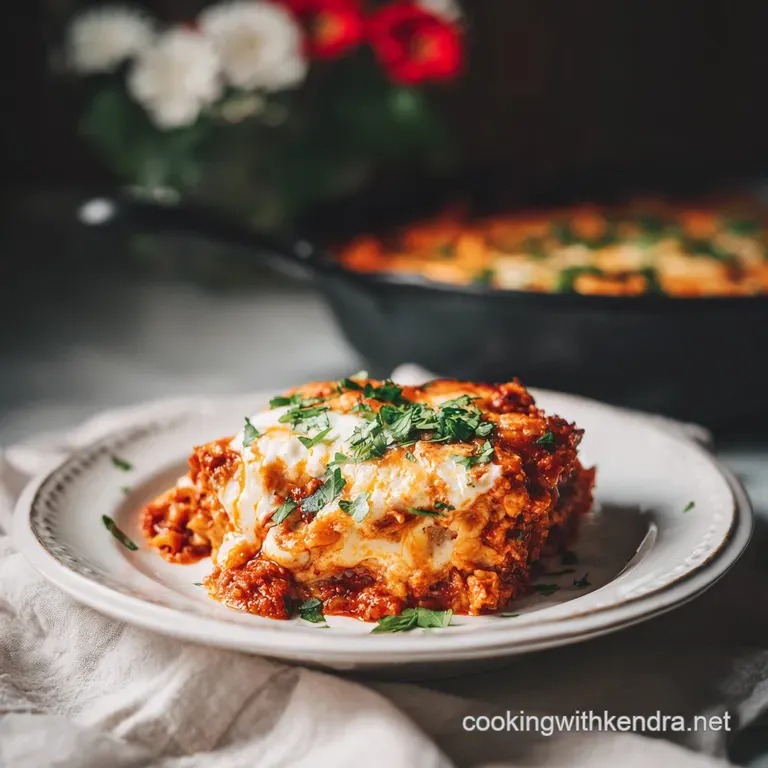
The most common issue people face with a skillet lasagna is the noodle texture. If your heat is too high, the liquid evaporates before the pasta softens, leaving you with crunchy bits. If it's too low, the noodles can get gummy.
It’s all about that "gentle bubble" not a violent boil, but more than a whisper.
The Mystery of the Crunchy Noodle
If you reach the 15 minute mark and the noodles are still hard, you likely lost too much steam. This happens if the lid isn't tight or if you're "peeking" too often. Add an extra 1/4 cup of broth, put the lid back on, and give it another 3 minutes. The steam is your best friend here.
Managing Liquid Ratios
Sometimes a marinara brand is much thicker than others, which affects the cook. If the sauce looks like paste before the noodles are done, don't be afraid to splash in more broth. You want the noodles to have enough "room" to swim a little while they hydrate.
Conversely, if it's too wet at the end, simmering uncovered for two minutes will fix it instantly.
| Problem | Root Cause | Solution |
|---|---|---|
| Noodles sticking | Not enough stirring or low liquid | Add 1/4 cup broth and stir the bottom thoroughly. |
| Bitter flavor | Burnt garlic | Sauté garlic for only 60 seconds; add liquid immediately after. |
| Soupy consistency | Didn't let the dish rest | Let the skillet sit off heat for 5 mins to thicken the starch. |
Common Mistakes Checklist
- ✓ Never use "no boil" noodles; they lack the starch needed to thicken this specific stovetop sauce.
- ✓ Don't skip the browning of the meat; that deep color is your primary source of umami.
- ✓ Always stir every few minutes; pasta starch is sticky and will glue itself to the skillet floor.
- ✓ Keep the lid on; steam is the only thing cooking the top layer of noodles.
- ✓ Let it rest; a 5 minute pause turns a soup into a proper lasagna.
Adjusting for Different Groups
If you’re cooking for just two people, this recipe halves beautifully. Use a smaller 10 inch skillet and reduce the cook time by about 5 minutes. For the egg based ricotta mixture (if you were using one), just beat one egg and use half, but in this skillet version, we skip the egg anyway, so it's even easier.
When scaling up for a crowd, I don't recommend trying to fit 2 lbs of sausage and 20 oz of noodles into one skillet unless you have a massive commercial sized pan. Instead, use two separate skillets. It ensures even heat distribution.
If you double the recipe, only increase the red pepper flakes to 0.75 tsp unless you want it very spicy; heat tends to compound.
Variations for Every Palate
| Original Ingredient | Substitute | Why It Works |
|---|---|---|
| Ground Sausage | Ground Lentils (1.5 cups) | Provides a hearty, earthy base for a vegetarian version. |
| Marinara Sauce | Pesto and Cream | Creates a "Lasagna Bianca" (White Lasagna) vibe. |
| Ricotta Cheese | Goat Cheese (Chevre) | Adds a tangy, sophisticated edge to the flavor. Note: Very strong flavor. |
If you are looking for a different protein experience, you might try a variation similar to a Chicken Marsala Recipe by using sliced chicken breast and mushrooms in the base instead of sausage. Just make sure the chicken is fully cooked before adding the pasta and liquids.
Meatless Comfort Alternatives
To make this a vegetarian masterpiece, swap the sausage for a mix of chopped cremini mushrooms and diced zucchini. Sauté them until the mushrooms have released all their moisture and turned golden brown. This provides that "meaty" texture without the actual meat.
Use vegetable broth instead of beef broth to keep it strictly vegetarian.
Boosting the Greens
I love stirring in two handfuls of fresh baby spinach right before adding the cheese. The residual heat wilts the spinach in seconds, adding color and nutrients without changing the cook time. It’s a great way to sneak some veggies into a dish that feels purely indulgent.
Culinary Legends Debunked
There is a common myth that you must boil lasagna noodles before they go into any dish. This is simply not true. As long as you have enough liquid and a sealed environment (the lid), the pasta will hydrate perfectly.
In fact, pasta cooked in the sauce is often more flavorful because it absorbs the seasoned liquid instead of plain water.
Another misconception is that "low-fat" cheese melts the same as full fat. Please, for the love of all things cheesy, stick to the full fat ricotta and mozzarella. low-fat versions often contain stabilizers that prevent them from melting smoothly, leading to a rubbery or watery texture that can ruin the velvety finish of your skillet lasagna.
Efficient Storage and Zero Waste
- Fridge Life
- This dish is actually better the next day. The flavors meld, and the starch fully sets. Store it in an airtight container for up to 4 days.
- Reheating
- The noodles will continue to absorb liquid in the fridge. When reheating, add a tablespoon of water or broth to loosen the sauce back up. Use a microwave or a small pan on the stove over low heat.
- Freezing
- You can freeze this for up to 3 months. I recommend freezing it in individual portions. Thaw in the fridge overnight before reheating for the best texture.
To keep things zero waste, don't throw away those herb stems! If you have leftover basil or oregano stems, toss them into the sauce while it simmers and pull them out before serving. They hold a ton of aromatic oils.
Also, if you have the rind from your Parmesan cheese, drop that into the skillet while the noodles cook. It adds a massive boost of salty, nutty depth to the sauce. Just remember to fish it out before the final cheese topping goes on.
Finding the Perfect Side Dish
Because this skillet lasagna is so rich and hearty, it pairs beautifully with something bright and acidic. A crisp arugula salad with a lemon vinaigrette is my go to. The peppery bite of the greens cuts through the heavy cheese and sausage.
If you're feeling fancy, a side of garlic bread made with a bit of the leftover Parmesan and basil is never a bad idea.
If you’re looking for a more unique pairing, a dollop of something punchy can really make the flavors pop. For instance, a small side of Kickin Romesco The recipe can add a smoky, nutty contrast that surprisingly complements the Italian flavors. Whatever you choose, keep it simple the skillet is the star of the show. Enjoy the fact that you just made a "fancy" dinner in 30 minutes with only one pan to wash. That’s the real win!
Very High in Sodium
1140 mg mg of sodium per serving (50% of daily value)
The American Heart Association recommends limiting sodium intake to about 2,300mg per day for most adults. This recipe exceeds 50% of that daily value in a single serving.
Sodium Reduction Tips for Your Lasagna
-
Low-Sodium Broth-30%
Substitute regular beef broth with low-sodium or no-salt added beef broth. This can significantly reduce the overall sodium content.
-
Lean Sausage Switch-25%
Opt for sweet Italian sausage or a leaner variety (like chicken or turkey) and ensure it is labeled as low-sodium. Some sausage brands are much higher in sodium than others.
-
Lower Sodium Cheese-15%
Use part skim mozzarella cheese or a reduced sodium mozzarella. Also, reduce the amount of Parmesan cheese used as it is naturally high in sodium.
-
DIY Marinara-15%
Prepare your own marinara sauce from scratch using fresh or canned crushed tomatoes (no salt added), herbs, and spices. This allows you to control the sodium levels.
-
Flavor Boost
Enhance the flavor profile with fresh herbs and spices like basil, oregano, garlic, and red pepper flakes. These provide a satisfying taste without adding sodium.
Recipe FAQs
Can I use "no-boil" lasagna noodles instead of traditional ones?
No, stick to traditional noodles. The starch released from traditional noodles as they break down is essential for naturally thickening the sauce during stovetop cooking.
How long should I simmer the pasta in the sauce before checking for doneness?
Simmer for 12 to 15 minutes with the lid on. You must stir every four minutes to prevent the starch from sticking and burning to the bottom of the skillet.
Why is my sauce too thin after adding the cheese layer?
Let the dish rest off the heat for 5 minutes uncovered. This crucial resting period allows the starches to fully hydrate and absorb residual moisture, setting the sauce from soupy to silky.
Is it true that I must use cast iron for this recipe to work properly?
No, a tight fitting lid is the most critical factor. While cast iron retains heat excellently, any deep, heavy bottomed stainless steel sauté pan will work if it has a lid that traps steam effectively.
How can I make this skillet lasagna richer and deeper in flavor?
Ensure the Italian sausage is deeply browned before adding aromatics. This critical Maillard reaction builds the base flavor; if you enjoyed mastering this technique, see how the same principle works in our The Homemade Chicken recipe to build deep savory notes.
What is the best way to store leftovers and reheat them the next day?
Store airtight in the refrigerator for up to four days. When reheating, add a small splash of water or broth, as the noodles will continue absorbing liquid while cooling.
How do I adapt this recipe for a vegetarian audience?
Substitute the sausage with 1.5 cups of finely chopped cremini mushrooms and zucchini. Sauté these ingredients until they release and absorb their moisture before proceeding with the aromatics and liquids.
Easy Skillet Lasagna Recipe
Ingredients:
Instructions:
Nutrition Facts:
| Calories | 719 kcal |
|---|---|
| Protein | 36.4 g |
| Fat | 41.6 g |
| Carbs | 49.5 g |
| Fiber | 3.1 g |
| Sugar | 7.8 g |
| Sodium | 1140 mg |
