Tea Party Food: Queens Favourite Scones Recipe
- The Majesty of the Tea Table: Crafting the Perfect Scone
- The Science of Lift: Why Buttermilk Makes the Best Scones
- Essential Provisions: Ingredients for Your High-Rise Buttermilk Scones
- Method to the Majesty: Baking the Queen's Favourite Scones
- Master Baker Secrets: Achieving Tender Crumb and Maximum Rise
- Preserving Perfection: Storage and Freezing Your Baked Treats
- Completing the Spread: Pairing Your Scones with Traditional Tea Party Bites
- Recipe FAQs
- 📝 Recipe Card
The Majesty of the Tea Table: Crafting the Perfect Scone
Can you smell that? It’s the incredibly comforting, slightly nutty aroma of butter and flour meeting heat, quickly followed by the sweet, tangy whisper of lemon and lavender.
That is the smell of truly perfect Tea Party Food , and today we are making the undisputed royalty of the spread: the scone. These glorious little baked clouds, split open and drenched in clotted cream and jam, are pure magic.
Listen, I know what you’re thinking: scones are fussy. They’re tricky. They look like they require a culinary degree, but they don't. This recipe is an absolute lifesaver because it’s fast less than 50 minutes total and utilizes techniques that guarantee height and tenderness, even if you’re stressed about your guest list.
Forget store-bought dryness; these high rise wonders prove that the best Tea Party Food is simple, elegant, and made with love (and cold butter).
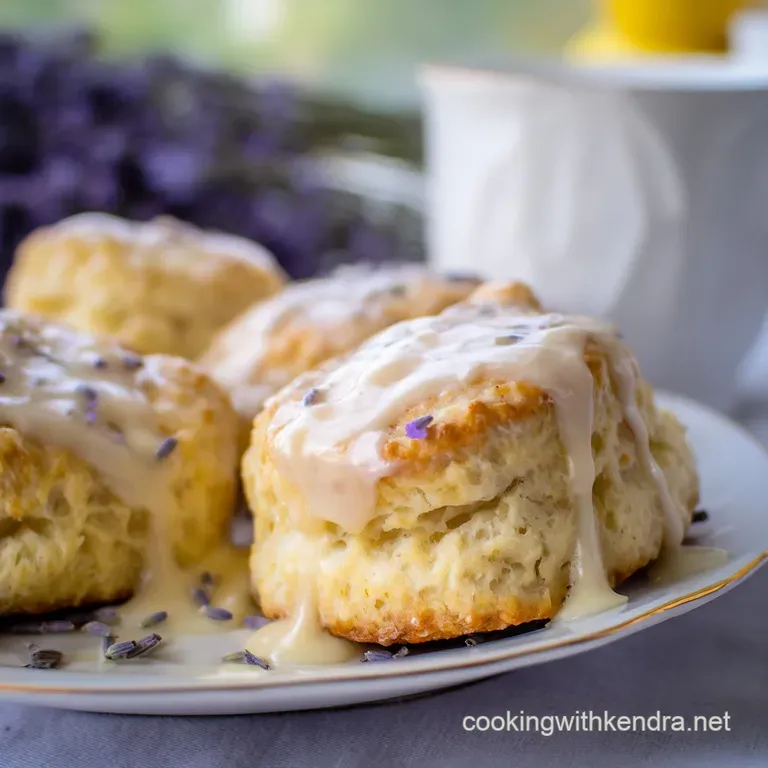
So, grab your apron, because we are tackling the cold butter conundrum and the mixing secrets that turn basic ingredients into magnificent architecture. This recipe for The Queen’s Favourite Buttermilk Scones with Aromatic Lemon Lavender Glaze will be the star of your next gathering.
This is the ultimate guide to elegant Tea Party Food done right.
The Science of Lift: Why Buttermilk Makes the Best Scones
Making a proper scone isn't about brute force; it’s about understanding temperature and chemistry. Unlike bread, we are actively trying to inhibit gluten development here. We want tenderness, not chewiness.
The entire logic behind this classic British bake centers on creating two key elements: pockets of air and layers of fat.
Why Lavender and Lemon Elevate the Classic Recipe
I adore the traditional scone, truly I do, but sometimes you need a sophisticated twist for truly elegant Tea Party Food . The combination of lemon zest and culinary grade lavender provides a subtle, floral note that cuts through the richness of the butter and cream.
You get that bright citrus zing first, followed by the fragrant warmth of the lavender. It whispers "summer garden party" without tasting soapy or overwhelming. Just be sure to use culinary lavender; the stuff in your potpourri bowl will ruin everything.
The History of the Afternoon Tea Ritual
It’s easy to forget that tea parties are relatively modern, invented in the mid-19th century by Anna, the Duchess of Bedford, who got peckish between lunch and dinner. She started having tea and small bites sandwiches, cakes, and crucially, scones to tide her over.
This ritual became the blueprint for all future Tea Party Food spreads. It’s a moment of intentional pause, a designated time for civilized indulgence, and the scone is the foundation upon which that indulgence rests.
Scone Terminology: Understanding Crumb and Shoulder
When a baker talks about a scone, they obsess over two things: the crumb and the shoulder. The crumb is the interior texture; ideally, it should be delicate, light, and almost melt-in-your mouth tender, achieved by gentle mixing.
The shoulder refers to the height and the clean, vertical rise of the scone. A strong shoulder means you nailed the cold butter and cutting technique. This is the difference between a sad, flat disc and glorious, high rise Tea Party Food .
The Cold Butter Technique: Ensuring Flaky Layers
This is the most critical step. Your butter cubes must be cold from the fridge, bordering on frozen. When you rub the butter into the flour, you are not trying to fully dissolve it; you want little pea-sized and oat-flake sized pieces remaining.
When these cold butter pieces hit the 425°F (220°C) oven, they melt and release steam, pushing the dough layers up. Warm butter equals flat scones, every time.
Buttermilk's Role in Tenderising the Dough
Buttermilk is an acidic ingredient, and that acidity plays beautifully with the baking soda or baking powder (which is alkaline) in your flour. This chemical reaction creates extra bubbles, boosting the rise.
More importantly, the acid tenderizes the dough by weakening the tough gluten strands, which is why buttermilk scones are always so much softer and more delicate than those made with plain milk. It’s the secret weapon of truly excellent Tea Party Food .
Mixing Ratios for the Ideal Dough Consistency
Too much liquid and your dough will spread out into puddles rather than rising vertically. Too little, and it won't hydrate properly, resulting in a dry, crumbling scone. Our ratio here 2 ¼ cups of flour to ¾ cup of buttermilk plus one egg is precisely balanced.
It results in a shaggy, slightly sticky dough that feels wrong to touch but yields the perfect light texture once baked. Resist the urge to add more flour!
Essential Provisions: Ingredients for Your High Rise Buttermilk Scones
For the best results, have everything measured and ready. Baking is a science, after all. This is the foundation for outstanding Tea Party Food .
| Ingredient | Role | Substitute Options |
|---|---|---|
| All-Purpose Flour | Structure | Self Rising: Omit the separate baking powder and salt. |
| Very Cold Butter | Lift and Flakiness | Solid Coconut Oil: Use the same quantity, ensuring it is chilled until rock hard. |
| Buttermilk | Tenderness & Rise | Milk + Acid: ¾ cup milk plus 1 Tbsp vinegar or lemon juice, rested 5 mins. |
| Egg | Moisture and Binding | Extra Buttermilk: Use 2 3 Tbsp of extra buttermilk, but results will be slightly less rich. |
| Lavender | Aroma/Flavour | Rosewater: Use 1 tsp rosewater in the glaze liquid instead of lavender. |
The Best Flour for Scones (Self Rising vs. Plain)
I always opt for standard All-Purpose (Plain) flour and add my own leaveners (baking powder and salt). Why? Because I can guarantee my baking powder is fresh and active. If you use self rising flour, you run the risk of using an older batch where the leavener has gone dormant.
If you must use self rising flour, make sure it’s very fresh, and skip the extra tablespoon of baking powder listed below. Consistent ingredients are vital for repeatable Tea Party Food success.
Preparing the Aromatic Lemon Lavender Glaze Base
The glaze is the modern kiss that lifts this classic recipe. For the dried lavender, make sure you crush it lightly. I sometimes put the ¼ teaspoon in a small mortar and pestle or just crush it between my fingers to release the essential oils. You want the fragrance, not giant chewy pieces of flower bud.
Mix the zest and the crushed lavender with the icing sugar before adding the lemon juice. This ensures the flavour permeates everything.
Substitutions for Buttermilk and Cream
If you don't have buttermilk, remember my old trick: milk and vinegar. It’s nearly identical in function. If you are aiming for a dairy-free Tea Party Food item, swap the butter for solid, cold vegan butter sticks (the block kind, not the spreadable tub kind) and use a soured oat milk substitute.
The fat content is crucial, so don't try substituting water or light milk.
Method to the Majesty: Baking the Queen's Favourite Scones
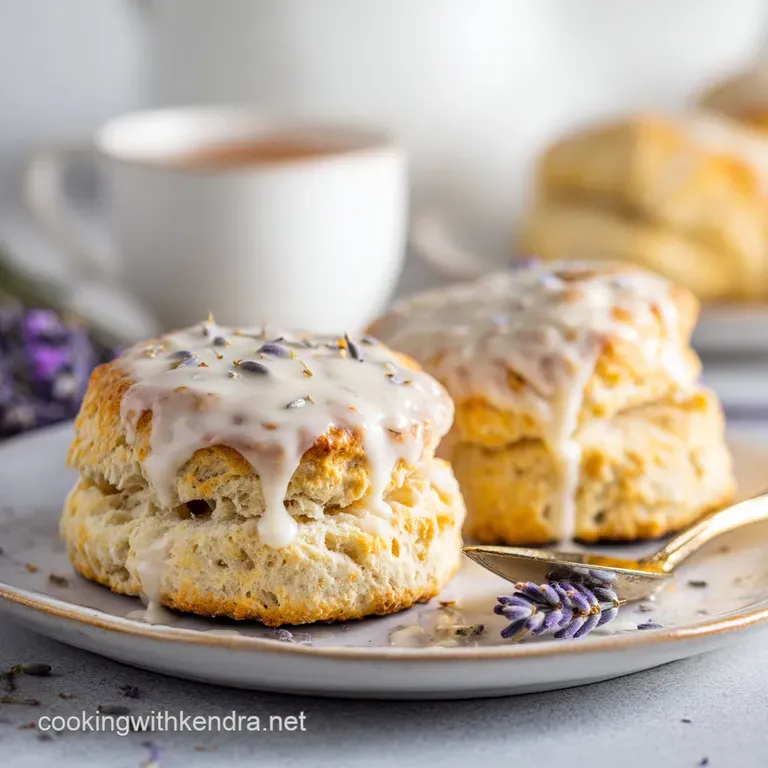
This process should be swift and gentle. Your hands should be quick, and your oven should be screaming hot. Preheat to 425°F (220°C).
1. The 'Rubbing In' Technique Explained
In a large bowl, whisk your dry ingredients (flour, sugar, baking powder, salt) until thoroughly combined. Now, toss in those frozen butter cubes. Using the pads of your fingertips the coldest part of your hand quickly pinch and rub the butter into the flour.
You are aiming for a texture that looks like coarse breadcrumbs, but critically, still has some larger, flat pieces of butter remaining. Work fast! If you take longer than 3 minutes, your butter is too warm.
2. Cutting Techniques for Uniform Rise
Once you've poured in the liquid and briefly mixed the shaggy dough, turn it out onto a floured surface. Pat it into a rough rectangle, about 1 inch (2.5 cm) thick. Then, fold it in thirds like a letter this is the quick layering step that guarantees flaky lift. Now, pat it back to 1 inch thick.
Dip your 2.5 inch cutter in flour and press straight down through the dough.
Chef’s Note: Do not, under any circumstances, twist the cutter! Twisting seals the sides of the dough, preventing the scone from rising high and creating that iconic "break" or split. Just press down cleanly and lift straight up.
This is non-negotiable for achieving proper Tea Party Food elevation.
3. Glazing and Baking Times for a Golden Finish
Place the cut rounds onto a parchment lined tray. They should be touching slightly; this actually helps them push each other up during baking. Now, put them in the fridge for 15 minutes. Don’t skip this chill step!
When you're ready, brush the tops (and only the tops) with a little beaten egg or extra buttermilk. Bake for 12– 15 minutes until gorgeously golden. The secret to perfect Tea Party Food is pulling them out just as the tops turn deep honey brown.
Master Baker Secrets: Achieving Tender Crumb and Maximum Rise
Every time I make scones, I remember the first batch I ever made they were dense, grey hockey pucks because I kneaded them like bread dough. Never again! The goal here is minimal contact. The less you touch the dough, the better.
Why Overworking the Dough Kills the Lift
If you knead or mix the dough for too long after adding the buttermilk, the gluten activates. Activated gluten creates strength and elasticity (great for Spaghetti Pie: The Ultimate Sliceable Comfort Food Classic ), but terrible for scones. When gluten is strong, it prevents the butter from steaming and pushing the dough layers up. Instead of a light, fluffy rise, you get tough, flat disks. Stop mixing the second all the dry flour disappears. It should look shaggy and uneven.
Troubleshooting: Scones That Spread Instead of Rise
If your scones turn into flat lakes in the oven, 99% of the time the issue is temperature. Either your butter was too warm when you mixed it in, or you didn't chill the cut scones before baking. Hot ovens and cold dough are the magical combination for high rising Tea Party Food .
If your oven temperature is slightly off, they won’t rise properly either, so check your thermometer!
Best Practice for Handling the Cutter (No Twisting!)
Let's reiterate this crucial tip because it’s where most people fail when making this quintessential Tea Party Food . Dip the cutter, press straight down, lift straight up.
If you twist, you essentially fuse the exterior layers of the dough, making it impossible for them to expand into those gorgeous, flaky sides.
Preserving Perfection: Storage and Freezing Your Baked Treats
Scones are undeniably best eaten warm, straight from the oven, ideally within the hour of baking. But life happens, and sometimes you need to prep your Tea Party Food ahead of time.
Short Term Storage for Freshness
If you plan to serve them within 24 hours, store them cooled, uncovered, on the counter. Do not seal them in an airtight container immediately, as that traps moisture and makes the crust soggy. Just cover them loosely with a tea towel.
To serve, a quick 5 minute reheat in a 350°F (175°C) oven restores the crispness.
Freezing Unbaked Scone Discs
This is the ultimate prep hack for future Tea Party Food emergencies! Cut and chill your scone rounds as directed. Once cold, transfer them to a freezer bag and freeze them solid. They will keep for up to 3 months.
When you want to bake them, pull them straight from the freezer, egg wash them, and bake them. They might need 2 3 extra minutes in the oven, but the results are just as good as baking fresh.
Reheating Baked Scones to Restore Texture
But does it freeze well once baked? You bet. If you have leftovers, allow them to cool completely, then freeze them in an airtight container for up to 6 weeks. To revive them, preheat your oven to 300°F (150°C), place the frozen scones directly on a baking sheet, and heat for 10– 12 minutes.
This slow heat warms them through gently without drying them out and returns that delightful tenderness to your lovely Tea Party Food .
Completing the Spread: Pairing Your Scones with Traditional Tea Party Bites
While the scone is the star, a perfect tea spread needs balance. This is why we often serve a selection of sweet and savoury Tea Party Food items. You want something rich, something tart, and something delicate.
Serve these gorgeous scones split, slathered with raspberry jam and clotted cream alongside small, crustless cucumber sandwiches. If you need a simple, satisfying savoury counterpoint that’s easy to prepare, small watercress and egg salad sandwiches are classic. For a slightly bolder savory bite, you could even include tiny portions of something like Ham and Cheese Sliders: The Sticky, Savoury Party Pucks Recipe , miniaturized, though they aren’t strictly traditional.
You absolutely need a strong black tea to accompany this magnificent spread. Assam or Darjeeling are perfect because their robust flavours stand up beautifully to the richness of the butter and cream.
Remember, the elegance of the spread is what defines good Tea Party Food —miniature treats, balanced flavours, and beautiful presentation.
This perfect batch of lemon lavender scones is now ready to anchor your entire table. Whether you call it afternoon tea, high tea, or just an excuse to gather your best friends, these light, high rise beauties ensure your Tea Party Food is remembered long after the last drop of Earl Grey is finished.
Enjoy every delicate crumb!

Recipe FAQs
Why are my scones tough or flat instead of light and high rising?
This is almost always due to overmixing the dough once the cold buttermilk is added; excessive handling develops the gluten, resulting in a tough crumb. Handle the dough as little as possible, pressing it gently together rather than kneading, and ensure your oven is fully preheated for a rapid rise.
What is the secret to getting a high, straight rise on my scones?
The key factors are using very cold ingredients (butter and buttermilk) and avoiding the twisting motion when cutting the shapes. Press the scone cutter straight down and pull it up immediately; twisting seals the edges and prevents the dough from rising upwards.
Can I prepare the scone dough ahead of time for a party?
Yes, you can cut the scone shapes and place them on a baking sheet, then freeze them until they are completely solid. Transfer the frozen scones to an airtight bag and bake them directly from the freezer on the day of your tea party, adding about five minutes to the specified baking time.
How should I store leftover scones, and can I freeze them after baking?
Scones are best eaten fresh on the day, but cooled, unglazed leftovers can be stored in an airtight container at room temperature for up to two days. You can also freeze unglazed, cooled scones in freezer bags for up to three months, reheating them briefly before serving.
I don't like floral flavors. Can I omit the lavender in the glaze?
Absolutely; the lavender is included purely for its aromatic complexity and unique presentation. You can easily substitute the fresh lavender with finely grated orange zest or a high-quality vanilla bean paste for a more traditional flavour profile.
Can I make these buttermilk scones gluten-free or vegan?
To make them gluten-free, substitute the all-purpose flour with a 1:1 gluten-free baking blend that contains xanthan gum, although the texture might be slightly denser. For a vegan option, swap the butter for a solid, cold vegan baking stick and use almond or oat milk soured with lemon juice in place of buttermilk.
What is the ideal temperature for the butter used in this recipe?
The butter must be extremely cold ideally grated or diced small and placed briefly in the freezer before use. Cold fat is crucial because it melts slowly during baking, creating pockets of steam that lift the scones and contribute to their famous light texture.
Elegant Buttermilk Scones Recipe
Ingredients:
Instructions:
Nutrition Facts:
| Calories | 463 kcal |
|---|---|
| Protein | 3.3 g |
| Fat | 18.8 g |
| Carbs | 70.3 g |
