The Ultimate Summer Strawberry Shortcake Fluffy Biscuits Fresh Cream
- Reimagining Summer: Why Our Biscuit-Based Strawberry Shortcake Reigns Supreme
- Ditching the Sponge: The Fluffy Secret to Authentic Shortcake Texture
- Assembling Your Components: Sourcing Ingredients for Peak Flavour
- The Strawberry Maceration Ritual: Achieving Juiciness
- Biscuit Mastery: Mixing, Cutting, and Baking to Golden Perfection
- Beyond the Classic: Creative Twists on This Beloved Dessert
- Recipe FAQs
- 📝 Recipe Card
Reimagining Summer: Why Our Biscuit Based Strawberry Shortcake Reigns Supreme
There are few desserts that capture the essence of a warm, sun-drenched afternoon quite like a proper Strawberry Shortcake . However, let’s be frank: too often, what passes for this classic is a sad, overly sweet sponge cake base drowning under mediocre toppings.
Our approach rejects that compromise entirely. We are diving headfirst into tradition, celebrating the short element the crumbly, tender, slightly savory biscuit as the true hero of this dish.
This recipe elevates the familiar into something truly spectacular, making it the quintessential Fresh Strawberry Dessert you’ll crave all season long. It’s a celebration of simple, perfect seasonal ingredients pure, unadulterated joy on a plate!
Ditching the Sponge: The Fluffy Secret to Authentic Shortcake Texture
The soul of a genuine Classic Strawberry Shortcake resides in its base. Forget airy cakes; we champion the tender, slightly savory buttermilk biscuit. This distinction is vital for achieving the textural contrast that makes the final creation so compelling: a robust yet yielding foundation ready to absorb the sweet juices of the fruit and support the cloud like cream.
This recipe is rated as medium difficulty because while the components (whipped cream, macerated fruit) are straightforward, nailing the biscuit texture demands respect for cold ingredients and minimal handling.
We estimate about 25 minutes of active prep, plus 30 minutes chilling, culminating in a total time of just over an hour to yield 6 generous servings.
A Toast to British Summer: The Heritage of the True Shortcake
While the name is widely embraced in American culinary lexicon, the ancestor of this treat has deep roots stretching back to simpler, less refined European baking. The original 'shortcake' was less about sweetness and more about the texture achieved by using fat (shortening, or butter) to inhibit gluten development, creating a crumbly, or 'short,' texture.
Our buttermilk version honors this heritage perfectly.
Why Buttermilk Elevates This Classic Strawberry Shortcake Experience
The magic ingredient in these Strawberry Shortcake Biscuits is undoubtedly buttermilk. Its acidity reacts beautifully with the baking powder, providing a superb lift, resulting in those high, fluffy peaks we are aiming for.
On top of that,, the slight tang it imparts cuts through the richness of the butter and the intense sweetness of the strawberries, creating a balanced flavour profile that keeps you coming back for another bite.
What to Expect: A Sensory Preview of Perfection
Prepare for a symphony of textures and temperatures. You will encounter the warm, soft interior of a freshly baked biscuit, yielding easily under the pressure of a fork. This gives way to the cool, deeply jeweled intensity of the Macerated Strawberries , their released syrup mingling with the butter in the biscuit crumb.
Finally, the lightness of the Homemade Whipped Cream provides a cooling, ethereal counterpoint. It’s the ultimate combination for Summer Desserts .
Assembling Your Components: Sourcing Ingredients for Peak Flavour
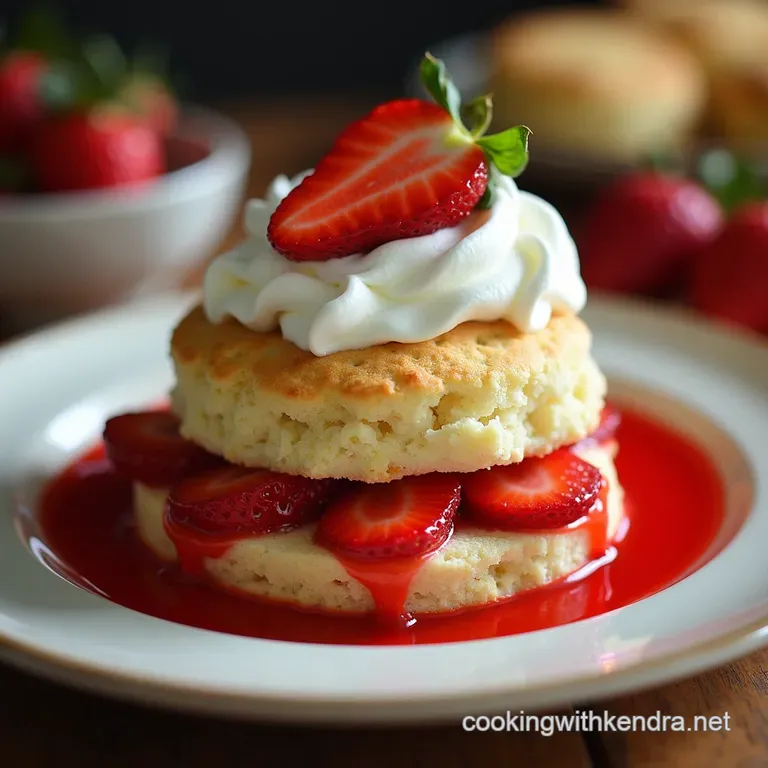
To achieve the zenith of this dessert, quality matters significantly. For the berries, we use a full pound of fresh, ripe strawberries, hulled and quartered, combined with just 2 tablespoons of granulated sugar and a critical teaspoon of fresh lemon juice to enhance their natural brightness.
For the biscuits, the secret lies in the butter: 6 tablespoons of unsalted butter must be kept frozen and cubed small before mixing. The structural integrity of the biscuit relies heavily on this temperature differential.
Finally, for the cream, you need 1 ½ cups of very cold heavy whipping cream, sweetened with ¼ cup of sifted powdered sugar and a teaspoon of fine vanilla extract.
Related Recipes Worth Trying
- Easy Strawberry Banana Smoothie Yogurt Recipe Ready in 5 — Need a quick healthy breakfast This strawberry banana smoothie yogurt recipe is a lifesaver Creamy delicious and ready in minutes Get the recipe now
- My Easy Strawberry Banana Smoothie with Yogurt Ready in 5 — Whip up this easy strawberry banana smoothie with Greek yogurt in just 5 minutes Its the perfect healthy smoothie recipe for a quick breakfast Get the...
- Strawberry Kiss Cookies for a Holiday Treat — Bake the best Strawberry Kiss Cookies for a festive treat A delightful twist on thumbprints filled with homemade jam Perfect for Christmas or Valentines Get...
The Strawberry Maceration Ritual: Achieving Juiciness
The process of macerating the fruit isn't just about softening the berries; it’s about coaxing out their deepest, sweetest juices the syrup that finishes the dish. This step requires patience, allowing the sugar to draw out moisture naturally.
Essential Tools for Perfect Biscuit Rises
Achieving those lofty rises demands the right equipment. A sturdy baking sheet lined with parchment paper is essential for even heat distribution. Crucially, you’ll need a 2 ½-inch round biscuit cutter and here is a pro tip: avoid using a glass edge if it’s not perfectly straight, as uneven edges can seal the dough.
A pastry blender or a food processor set to pulse is indispensable for incorporating the butter without warming it.
Selecting and Prepping Your Berries for Optimal Sweetness
When selecting your pound of fresh strawberries, look for deep, uniform colour and a sweet, earthy aroma. Once hulled and quartered, gently toss them with the sugar and lemon juice. Set this mixture aside at room temperature for at least 30 minutes while you bake the biscuits.
This time allows the sugar to break down the fruit cell walls, creating that rich, ruby red syrup.
The Buttermilk Biscuit Base: Dry vs. Cold Wet Ingredients
When constructing your biscuit dough, precision in temperature is non-negotiable. Whisk together 2 cups of all-purpose flour, 1 tablespoon of baking powder, 1 teaspoon of salt, and 2 tablespoons of granulated sugar in a large bowl. This dry mix is the canvas.
Next, the key is ensuring the butter cubes (cut from frozen sticks) are thoroughly coated in this dry mix before any liquid touches them.
Crafting the Cloud: Whipped Cream Consistency Secrets
The Homemade Whipped Cream should be the last component prepared. Ensure your bowl and whisk attachment are ice cold placing them in the freezer for 15 minutes beforehand is highly recommended.
Whip the cold heavy cream, powdered sugar, and vanilla extract until stiff peaks form. You want a structure that holds its shape firmly when you lift the whisk but still feels light and airy.
Biscuit Mastery: Mixing, Cutting, and Baking to Golden Perfection
This is where technique truly shines. After cutting in the frozen butter until the mixture resembles coarse meal with a few pea-sized chunks remaining, you introduce the cold buttermilk about ¾ cup. Stir just until the dough comes together into a shaggy mass. Resist the urge to knead!
Techniques for Tender Dough: Handling the Biscuit Batter Minimally
Turn the shaggy dough onto a lightly floured surface. Gently pat or roll it to a thickness of about ¾-inch. To build delicate layers, fold the dough in thirds, like a letter. Turn it 90 degrees and repeat this folding action once more.
This multi layering technique is key to light, flaky Strawberry Shortcake Biscuits .
Baking Times and Temperature Checks for a Fluffy Interior
Once you’ve cut the rounds (pressing straight down, never twisting!) and placed them close but not touching on your baking sheet, brush the tops with an egg wash (one egg mixed with a splash of milk) and sprinkle with coarse sugar for sparkle.
Bake at a hot 425° F ( 220° C) for 14– 16 minutes. The high heat creates immediate steam from the cold butter, puffing the biscuits high.
The Crucial Chill Factor: Resting Components Before Stacking
While the biscuits are baking and then cooling slightly, your strawberries are fully macerated and your cream is perfectly whipped. Allowing the biscuits to rest for a few minutes ensures they are warm, not scorching hot, when assembled. Overly hot biscuits will immediately melt the whipped cream into soup!
Building Your Strawberry Shortcake Tower: Structure and Presentation
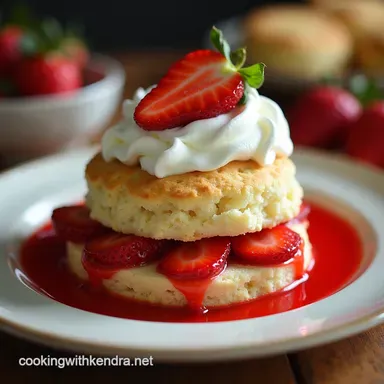
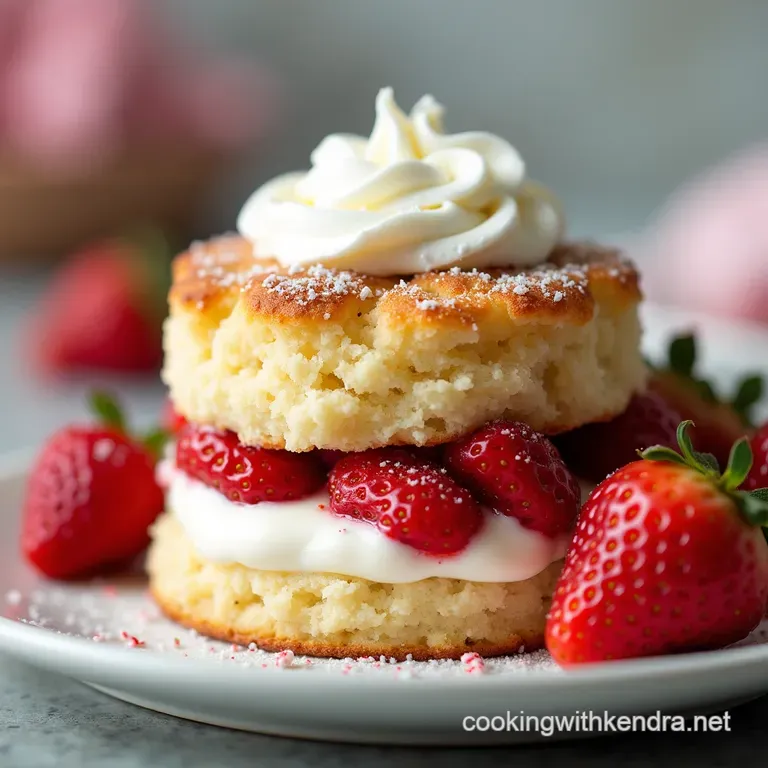
The final assembly is the payoff. Split the warm biscuits horizontally. Generously layer the bottom half with the macerated strawberries and be sure to spoon some of that precious syrup over the biscuit. Top generously with a large dollop of Homemade Whipped Cream .
Place the biscuit top on gently, and finish with another flourish of cream and a few crowning berries. This builds the perfect tower of Strawberry Shortcake .
Beyond the Classic: Creative Twists on This Beloved Dessert
While the buttermilk biscuit base is divine on its own, experimentation can lead to exciting results. If you want to explore different flavour profiles without changing the core structure, consider these additions.
Flavour Enhancements: Optional Add-ins for the Berries
For an unexpected depth, consider adding a small grating of fresh lime zest to the strawberries, which brightens the overall profile beautifully. Alternatively, for an adult twist, a tablespoon of good quality Kirsch or Grand Marnier stirred into the macerating fruit just before assembly can infuse the syrup with a sophisticated warmth.
Ingredient Swaps for Dietary Considerations (gluten-free Options)
This recipe can be adapted. If aiming for a gluten-free version, substitute the all-purpose flour with a high-quality, reputable 1:1 gluten-free blend containing xanthan gum. Be aware that GF biscuits may not achieve quite the same level of rise or flakiness, but they will still be delicious when drenched in fruit and cream!
How Long Does Fresh Whipped Cream Last?
Because we are using pure, unsweetened cream (stabilized only by sugar), the Homemade Whipped Cream is best used immediately. If stored in an airtight container in the refrigerator, it will hold its shape for up to 24 hours, though it might begin to weep or soften slightly after the first few hours.
Troubleshooting: Why Are My Biscuits Tough?
Tough biscuits are almost always the result of overworking the dough. Remember, the goal is to bring the ingredients just together. If you mix too vigorously, you activate too much gluten, transforming your intended light shortcake into something closer to a hard scone.
Next time, stop mixing the second you see no more dry flour streaks remaining. Also, confirm your baking powder is fresh; expired leavening agents lead to flat, dense results.
Recipe FAQs
My biscuits always come out flat and dense! What’s the secret to a proper rise in this Strawberry Shortcake?
Ah, that’s the perennial stumbling block! The key to those glorious, fluffy layers lies entirely in the butter and your handling. Ensure your butter is frozen solid and cut into small pieces, and work it into the flour quickly so it doesn't melt. Remember the mantra: "Cold ingredients make light biscuits!"
How long can I leave the strawberries sitting out, and do I need to use sugar?
Macerating the strawberries for about 30 minutes at room temperature is perfect; this draws out their juices to create that wonderful syrup. Yes, a little sugar is necessary as it helps pull the moisture out and balances the tartness.
Taste them before serving if your berries are incredibly sweet, you might need less sugar!
Can I prepare parts of this Strawberry Shortcake ahead of time to save time on the day?
Absolutely, you can certainly prep ahead! The strawberries can be macerated up to 4 hours in advance and kept in the fridge. You can also bake the biscuits entirely the day before and store them in an airtight container; just gently warm them before serving so they aren't rock hard.
My whipped cream always seems to deflate quickly. How do I keep my cream looking like proper, stiff clouds?
The secret here is threefold: 1) Everything must be cold the cream, the bowl, and even the whisk attachment if you have a stand mixer. 2) Use powdered sugar instead of granulated, as the cornstarch in it helps stabilize the structure.
3) Don't whisk past the stiff peak stage, or you’ll be halfway to making butter!
I’m not a fan of buttermilk. What’s an easy swap I can use for these shortcakes?
If you’re fresh out of buttermilk, fear not; you can easily whip up a substitute! Take regular milk (whole milk works best) and stir in one tablespoon of white vinegar or fresh lemon juice for every cup needed.
Let it sit for about five minutes until it looks slightly curdled voilà, you've got your acidic liquid ready to go.
Fluffy Biscuit Strawberry Shortcake