French Onion Pot Roast Recipe
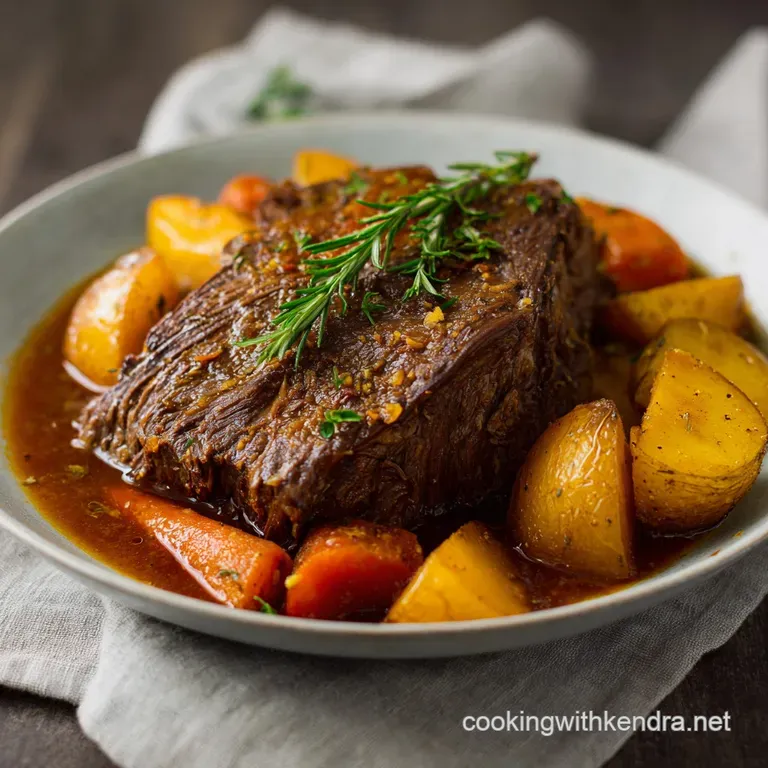
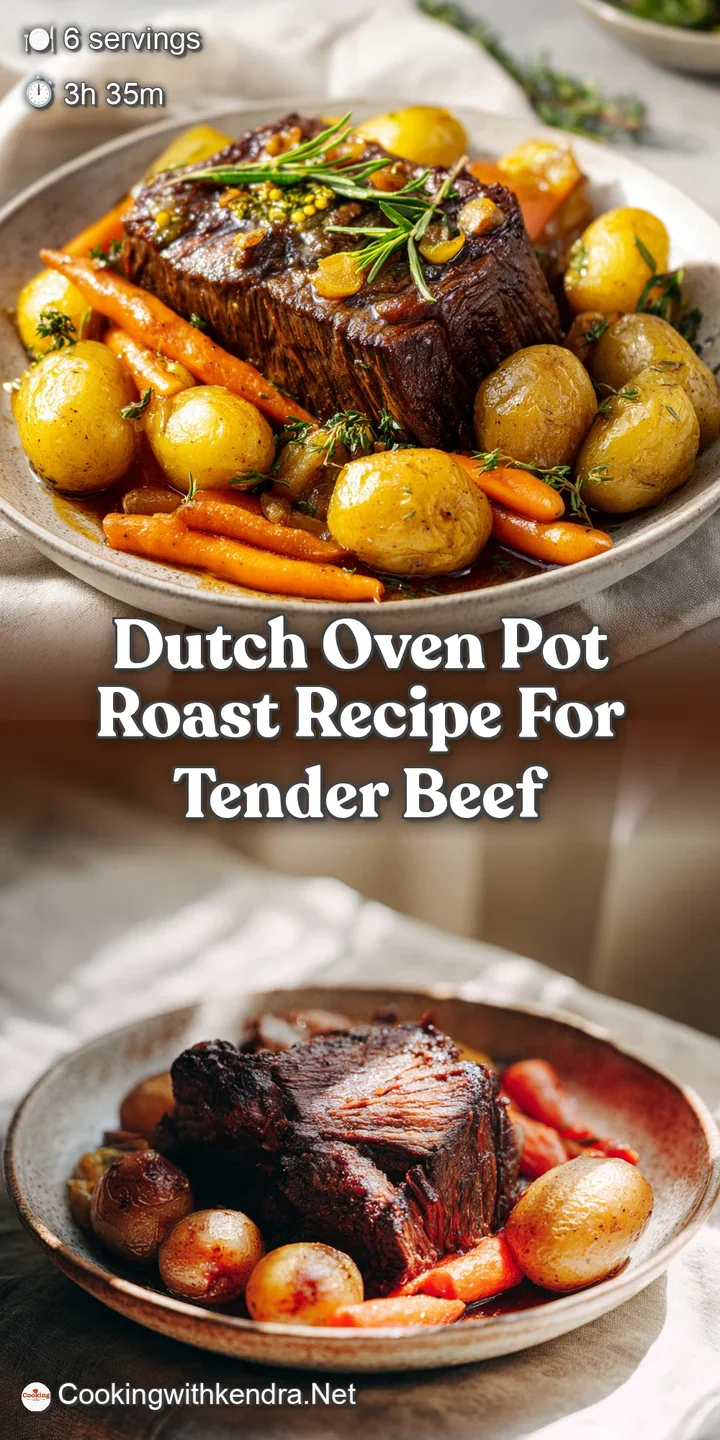
- Time: Active 20 minutes, Passive 3 hours 15 mins, Total 3 hours 35 mins
- Flavor/Texture Hook: Velvety, melt in-your mouth beef with jammy, caramelized onions.
- Perfect for: Sunday family dinner or stress free weekend meal prep.
- Master the Ultimate Pot Roast Recipe
- The Alchemy of Slow Braising
- Essential Recipe Specifications
- Selecting the Finest Ingredients
- Necessary Kitchen Tools
- Executing the Braising Steps
- Fixing Common Cooking Errors
- Adjusting for Different Portions
- Myths About Pot Roast
- Flavor Variations and Swaps
- Storage and Longevity Guide
- Serving Your Braised Feast
- HIGH in Sodium
- Recipe FAQs
- 📝 Recipe Card
Master the Ultimate Pot Roast Recipe
The sizzle of a 3.5 lbs beef chuck roast hitting hot oil is basically my love language. I remember the first time I tried making this for a Sunday dinner I was so impatient that I didn't let the meat brown properly, and the result was a gray, sad looking slab of beef that tasted like nothing.
It was a total flop, and honestly, I almost gave up on pot roast entirely. But then I learned the secret of the "mahogany sear," and everything changed.
Now, when that aroma of wine braised onions and fresh thyme starts wafting through the house about two hours in, my kids start hovering in the kitchen like little vultures. There is something so grounding about a heavy pot bubbling away on the stove while the windows get a little bit of steam on them.
It’s the ultimate comfort food that feels like a big hug at the end of a long week.
We're going to walk through how to take simple ingredients potatoes, carrots, and beef and turn them into a dish that tastes like it came from a high end bistro. Don't worry about it being fussy; once this goes into the oven, your work is basically done.
We'll get that beef so tender you won't even need a knife, and I'll show you exactly how to prevent that watery sauce mistake I made for years.
The Alchemy of Slow Braising
Success with this pot roast recipe relies on a few fundamental principles of kitchen physics. Understanding these helps you avoid the common pitfalls of dry or flavorless meat.
- Thermal Collagen Conversion: Sustained heat at 180°C (350°F) slowly melts tough connective tissue into liquid gelatin, creating a velvety mouthfeel.
- Maillard Reaction: over High heat searing creates hundreds of new flavor compounds on the beef's surface that later dissolve into the braising liquid.
- Osmotic Exchange: The salt in the liquid draws moisture out initially but then pulls seasoned broth back into the meat fibers as they relax.
- Aromatic Volatilization: Sautéing the onions and garlic before adding liquid releases essential oils that would otherwise stay trapped in the cell walls.
| Cooking Method | Total Time | Beef Texture | Best For |
|---|---|---|---|
| Dutch Oven | 3 hours 35 mins | Butter soft, rich crust | Maximum flavor depth |
| Instant Pot | 1 hour 15 mins | Very tender, less crust | Busy weeknights |
| Slow Cooker | 8 hours 15 mins | Shreddy, mellow flavor | Set it and forget it |
Choosing the right method depends on your schedule, but the Dutch oven is my personal favorite because of the way the heavy lid traps steam. This technique is actually very similar to the one I use in my How to Cook recipe for standard roasts, though here we are pushing the onion flavor much further.
Essential Recipe Specifications
To get that restaurant quality finish, we need to focus on the details of the beef and the aromatics. This isn't just a "dump and go" meal; it's a built masterpiece.
Transforming Collagen into Gelatin
The chuck roast is a hard working muscle filled with collagen. If you cook it fast, it tightens up like a rubber band. By keeping it submerged in a flavorful bath of 1 cup dry red wine and 3 cups beef bone broth, we allow that collagen to break down into gelatin.
This is what gives the sauce its body and the meat its "shatter on-the fork" texture.
Mastering the Maillard Reaction
Don't rush the sear. We use 3 tbsp neutral oil and high heat to create a deep brown crust. This isn't just for looks; those browned bits (called "fond") are the foundation of your gravy. If the meat is gray, your sauce will be bland.
Always pat the meat dry with paper towels before seasoning with 1.5 tsp kosher salt and 1 tsp freshly cracked black pepper.
Utilizing Acid for Structural Breakdown
The 1 cup of dry red wine does more than add flavor. The tannins and acidity help weaken the protein bonds in the beef. This makes the braising process more efficient and balances the richness of the 3.5 lbs beef chuck roast. If you prefer a lighter profile, you might enjoy the balance found in my Creamy Mushroom Chicken recipe.
| Component | Science Role | Pro Secret |
|---|---|---|
| Chuck Roast | Fat & Collagen Source | Choose a piece with thick white veins of marbling. |
| Dry Red Wine | Acidic Tenderizer | Use a Cabernet or Merlot; never use "cooking wine." |
| Tomato Paste | Umami Concentrator | Brown it in the pan until it turns a dark rust color. |
| Yellow Onions | Natural Sweetener | Slicing them thin allows them to melt into the sauce. |
When selecting your onions, go for the large yellow variety. They have a higher sugar content than white onions, which is essential for that "French onion" sweetness we’re after.
Selecting the Finest Ingredients
- 3.5 lbs beef chuck roast: Look for heavy marbling; the fat is what keeps the meat juicy during the long cook.
- 3 tbsp neutral oil: Grapeseed or canola oil works best because they won't burn at high searing temperatures.
- 1.5 tsp kosher salt: Why this? Coarse grains distribute more evenly and draw out surface moisture better than table salt.
- 1 tsp freshly cracked black pepper: Provides a floral heat that pre ground pepper lacks.
- 3 large yellow onions: Why this? They provide the bulk of the sauce's body and sweetness once caramelized.
- 6 garlic cloves: Smashed to release their oils without burning too quickly.
- 2 tbsp tomato paste: Adds a savory depth and helps thicken the final braise.
- 1 tbsp fresh thyme leaves: Why this? Thyme pairs naturally with beef and red wine for a classic French profile.
- 2 bay leaves: Provides a subtle herbal background note.
- 1 cup dry red wine: Use something you’d actually drink; it reduces down and concentrates.
- 3 cups beef bone broth: High in protein and minerals, it creates a much richer gravy than standard stock.
- 1 lb Yukon Gold potatoes: Why this? They hold their shape perfectly without becoming grainy or mushy in the braise.
- 4 large carrots: Cut thick so they don't disintegrate over three hours.
- 1 tbsp Worcestershire sauce: The "secret" ingredient for a salty, fermented kick.
Chef's Tip: Freeze your tomato paste in one tablespoon dollops on a tray. Once frozen, toss them in a bag. It's much better than letting half a can grow mold in the back of the fridge!
| Original Ingredient | Substitute | Why It Works |
|---|---|---|
| Dry Red Wine | Beef Broth + 1 tbsp Balsamic | Provides the necessary acidity without the alcohol content. |
| Yukon Gold Potatoes | Red Potatoes | Both are waxy and hold together during the long simmering process. |
| Fresh Thyme | 1 tsp Dried Thyme | Dried herbs are more concentrated; use a third of the fresh amount. |
If you find yourself out of beef broth, you can use chicken broth in a pinch, but the color of the sauce will be lighter. Just avoid using water, as you'll lose that essential flavor base.
Necessary Kitchen Tools
For this pot roast recipe, a heavy bottomed vessel is non negotiable. I use a 6 quart enameled cast iron Dutch oven (like a Le Creuset or Lodge). The heavy lid is crucial because it creates a tight seal, preventing the 3 cups of beef bone broth from evaporating and leaving you with a dry roast.
You'll also want a good pair of stainless steel tongs to flip the 3.5 lbs beef chuck roast. Don't use a fork to turn the meat while searing; piercing the flesh lets those precious juices escape before the crust has formed.
A sharp chef's knife is also essential for cutting the 4 large carrots into consistent 2 inch chunks so they cook evenly alongside the potatoes.
Executing the Braising Steps
- Prep the beef. Pat the 3.5 lbs beef chuck roast completely dry with paper towels and season generously with 1.5 tsp kosher salt and 1 tsp black pepper. Note: Dry meat sears; wet meat steams.
- Achieve the sear. Heat 3 tbsp neutral oil in the Dutch oven over medium high heat. Brown the beef for 5-7 minutes per side until a dark mahogany crust forms. Remove meat to a plate.
- Caramelize the onions. Lower the heat to medium. Add 3 large sliced yellow onions to the fat. Cook for 10-12 minutes, stirring occasionally, until they are soft and golden brown.
- Add aromatics. Stir in 6 garlic cloves and 2 tbsp tomato paste. Cook for 2 minutes until the paste smells toasty and looks dark red.
- Deglaze the pot. Pour in 1 cup dry red wine. Use a wooden spoon to scrape all the browned bits (the fond) off the bottom until the liquid reduces by half.
- Build the braise. Return the beef to the pot. Pour in 3 cups beef bone broth and 1 tbsp Worcestershire sauce. Add 1 tbsp thyme and 2 bay leaves.
- Start the oven. Cover with the lid and place in a preheated 180°C (350°F) oven. Bake for 2 hours 15 mins.
- Add the vegetables. Carefully remove the pot. Tuck 1 lb halved Yukon Gold potatoes and 4 large carrots around the meat.
- Finish the cook. Cover and return to the oven for another 45-60 minutes until the vegetables are tender and the beef shreds easily with a fork.
- Rest and serve. Transfer the meat and vegetables to a platter. Let the beef rest for 10 minutes before slicing or shredding. Skim any excess fat from the sauce before pouring it over the top.
The Foundation
The foundation of this dish is the fat. When you sear the beef, some of that rendered fat stays in the pan. This is liquid gold. We use it to soften the onions, which absorb the beefy essence right from the start.
The Aromatic Base
Adding the 6 garlic cloves and tomato paste at the end of the onion sauté prevents the garlic from burning. Burning garlic is a disaster it turns bitter and ruins the whole pot. We want it "mellow and sweet," not "charred and acrid."
Braising Liquid Details
The liquid should come about halfway up the side of the meat. If the meat is completely submerged, it's boiling, not braising. If there’s too little liquid, the meat will dry out. Aim for that "halfway" sweet spot for the best results.
Fixing Common Cooking Errors
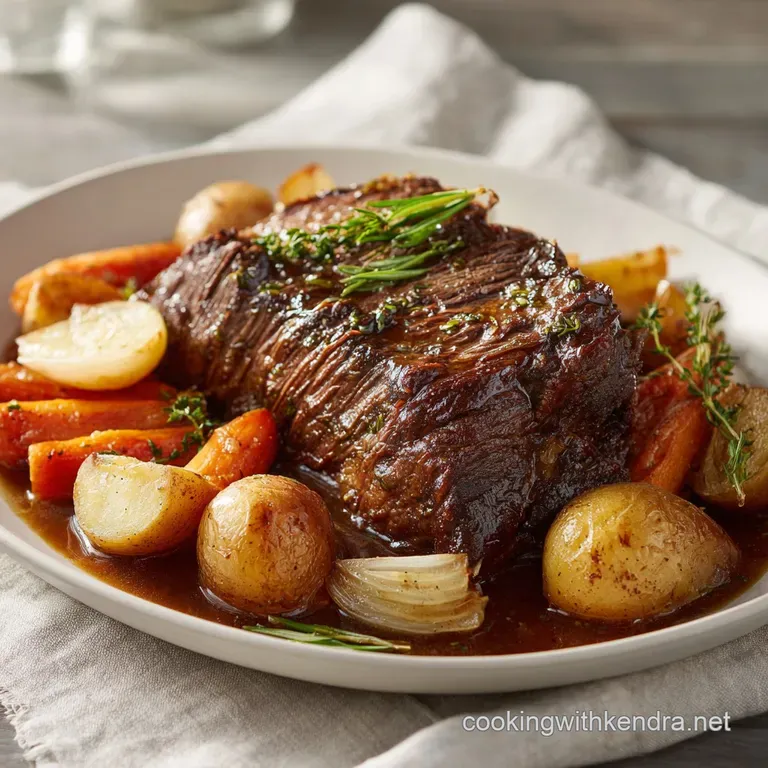
One of the biggest heartbreaks is waiting three hours only to find your beef is still tough. Usually, this means it just needs more time. People often think they've overcooked it, but with chuck roast, the opposite is almost always true.
Fixing Tough Meat
If your fork doesn't glide through the fibers like butter, put the lid back on. Give it another 30 minutes. The collagen might be stubborn, especially with a particularly thick 3.5 lbs beef chuck roast. It's almost impossible to overcook this cut in a braising liquid.
Thickening Thin Sauce
If your sauce looks more like soup than gravy, don't panic. Remove the meat and vegetables, then simmer the liquid on the stovetop over high heat for 10 minutes. This concentrates the flavors and thickens the texture naturally through evaporation.
| Problem | Root Cause | Solution |
|---|---|---|
| Tough Beef | Under cooking / Collagen not melted | Cook for another 30-45 mins until fork tender. |
| Bland Gravy | Poor searing or lack of salt | Add a splash of Worcestershire or a pinch more salt. |
| Mushy Carrots | Vegetables added too early | Add root vegetables only in the last hour of cooking. |
Common Mistakes Checklist
- ✓ Never skip the searing step; it’s where 80% of the flavor lives.
- ✓ Don't use a pot that is too large; if the liquid is too spread out, it evaporates too fast.
- ✓ Always let the meat rest for 10 minutes before serving to keep the juices inside.
- ✓ Check your oven temperature with a thermometer to ensure it's truly at 180°C (350°F).
- ✓ Skim the fat off the top of the sauce before serving for a cleaner flavor.
Adjusting for Different Portions
If you are cooking for a crowd or just for two, you can easily scale this recipe. However, don't just double everything blindly, or you'll end up with a pot of salt.
Scaling Down
For a 1.5 lb roast, use a smaller 3 quart pot. Reduce the 3 cups of beef bone broth to 1.5 cups. The cooking time will likely decrease by about 45 minutes, so start checking for tenderness at the 2 hour mark.
Scaling Up
If you're doing two roasts (7 lbs total), use a large roasting pan. Increase the salt and spices by 1.5x, but don't double them. You'll need to sear the meat in batches to avoid overcrowding the pan, which would lower the temperature and cause the meat to steam instead of brown.
| Problem | Cause | Fix |
|---|---|---|
| Bitter Sauce | Garlic or tomato paste scorched | Add a teaspoon of sugar to balance the bitterness. |
| Greasy Texture | Too much rendered fat in sauce | Use a bread slice or fat separator to remove top oil. |
| Salty Result | Broth reduced too much | Add a splash of water or unsalted broth to dilute. |
Myths About Pot Roast
One of the most common myths is that searing "seals in the juices." Science has proven this wrong many times! Moisture loss happens regardless of the sear. The real reason we sear is for the flavor development through the Maillard reaction. A seared roast will always taste "meatier" than one that wasn't.
Another myth is that you must use expensive wine. In reality, the subtle nuances of a $50 bottle are lost during a 3 hour braise. Use a decent $10-12 bottle that has good acidity. As long as it doesn't taste like vinegar, it will work beautifully in this pot roast recipe.
Flavor Variations and Swaps
If you want to change things up, try these variations to keep the recipe fresh for your family.
Mastering the Multi Cooker
To use an Instant Pot, follow the searing and sautéing steps using the "Sauté" function. Add only 2 cups of beef bone broth (since there is no evaporation). Cook on High Pressure for 60 minutes with a natural release.
Add the vegetables at the end and pressure cook for another 5 minutes.
Alcohol Free Options
If you prefer not to use wine, swap the 1 cup dry red wine for an extra cup of beef broth plus 1 tablespoon of balsamic vinegar. This provides the necessary acidity to break down the beef fibers without the alcohol.
- If you want a thicker gravy, whisk 1 tbsp cornstarch with 1 tbsp cold water and stir it into the boiling sauce at the end.
- If you want more spice, add a teaspoon of smoked paprika or a pinch of red pepper flakes to the onion mixture.
- If you want it earthy, add 8 oz of quartered cremini mushrooms when you add the onions.
Storage and Longevity Guide
Storage: This pot roast recipe is even better the next day. Store leftovers in an airtight container in the fridge for up to 4 days. The fat will solidify on top; just scrape it off before reheating.
Freezing: You can freeze the beef and sauce for up to 3 months. I recommend freezing the vegetables separately or making fresh ones when you reheat, as potatoes can sometimes become grainy after freezing and thawing.
Zero Waste: Don't toss the leftover braising liquid! It is a concentrated flavor bomb. I use it as a base for beef barley soup or even as a shortcut sauce for poutine. If you have leftover carrots and onions, mash them into some buttered noodles for a quick lunch.
Serving Your Braised Feast
When you're ready to eat, I love serving this family style. Place the 3.5 lbs beef chuck roast in the center of a large, warmed platter and surround it with the Yukon Gold potatoes and carrots. Pour a generous amount of that onion rich gravy over everything.
For sides, a simple green salad with a sharp vinaigrette helps cut through the richness of the beef. Some crusty sourdough bread is also a must for mopping up every last drop of the sauce. This dish is hearty enough that you don't need much else, making it a truly practical win for a busy home cook.
Trust me, once your family tastes that first bite of tender beef, this will become a permanent fixture in your rotation!
HIGH in Sodium
845 mg mg of sodium per serving (37% % of daily value)
The American Heart Association recommends limiting sodium intake to about 2,300mg per day for overall cardiovascular health.
Tips to Reduce Sodium in Your Beef Roast
-
Low-Sodium Broth-30%
Replace the regular beef bone broth with a low-sodium or no-salt added version. This can significantly reduce the overall sodium content of the dish without sacrificing flavor.
-
Reduce Added Salt-25%
Cut back on the kosher salt. Start by using just 0.75 tsp and taste before adding more. Remember, you can always add more salt, but you can't take it away!
-
Low Sodium Tomato Paste-20%
Use low-sodium tomato paste. Look for varieties specifically labeled as such.
-
Worcestershire alternative-20%
Use low-sodium soy sauce or coconut aminos as a substitute for Worcestershire sauce. Use sparingly, tasting as you go.
-
Herb Power!
Enhance the flavor with more herbs and spices. Add extra thyme, bay leaf or rosemary for deeper flavor without adding sodium.
Recipe FAQs
What is the secret to a good pot roast?
The sear is non-negotiable. Developing a deep mahogany crust on the meat surface using high heat (the Maillard reaction) creates hundreds of flavor compounds that dissolve into the braising liquid, forming the gravy base.
What is the best liquid to cook pot roast in?
A combination of dry red wine and beef bone broth. The wine provides necessary acidity to help break down the tough collagen, while the broth ensures a deep, savory foundation for the sauce.
How many hours does it take to do a pot roast?
Plan for 3 to 3.5 hours total in the oven using a Dutch oven. Active cooking time is only about 30 minutes; the rest is low-and-slow passive braising required to convert collagen to gelatin for fork tender results.
What cut of meat is pot roast usually?
Chuck roast is the preferred cut. It has the perfect amount of intramuscular fat and connective tissue (collagen) needed for long, slow cooking methods like braising.
How do I prevent my sauce from being watery?
Reduce the liquid uncovered at the end, or use a slurry. After the beef is rested, return the liquid to the stovetop and simmer vigorously until it reduces by one-third, concentrating the flavor and thickening the sauce naturally.
Can I substitute red wine with something else?
Yes, you can substitute with extra broth and acid. Replace the 1 cup of red wine with 1 cup of beef broth plus 1 tablespoon of balsamic vinegar to mimic the necessary acidity for tenderizing the meat fibers.
Is it true that searing the roast locks in all the juices?
No, this is a common misconception. Searing does not lock in moisture; moisture loss occurs regardless of searing temperature. The true purpose of searing is creating intense surface flavor through the Maillard reaction.
French Onion Pot Roast Recipe
Ingredients:
Instructions:
Nutrition Facts:
| Calories | 872 kcal |
|---|---|
| Protein | 54.2 g |
| Fat | 52.4 g |
| Carbs | 28.6 g |
| Fiber | 4.2 g |
| Sugar | 7.8 g |
| Sodium | 845 mg |
