How Long to Grill Salmon
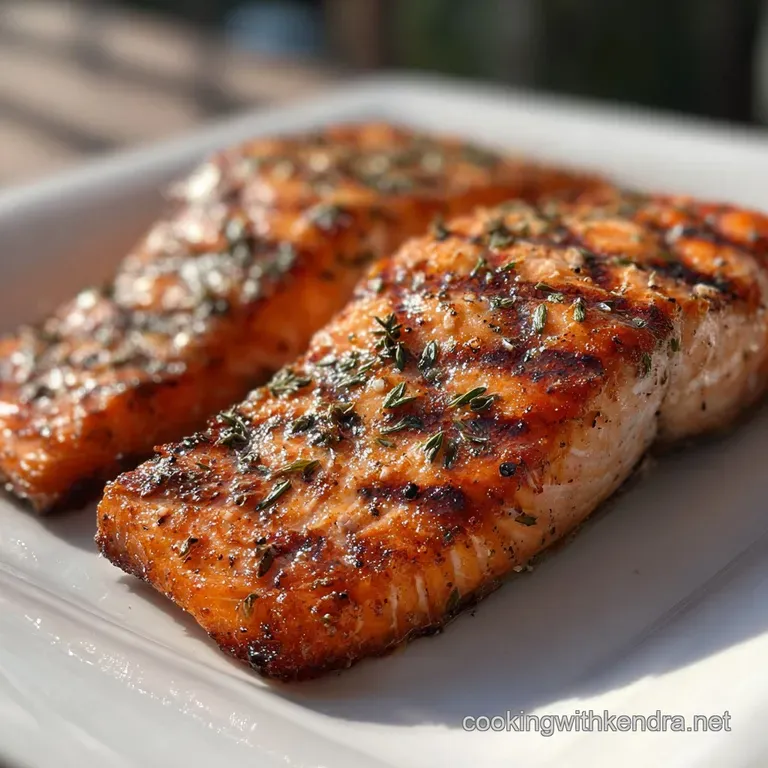
- Time: Active 10 minutes, Passive 10 minutes, Total 20 minutes
- Flavor/Texture Hook: Flaky, buttery fillets with a smoky, crackling skin.
- Perfect for: Busy weeknight dinners or a fast weekend family barbecue.
- Exactly How Long to Grill Salmon
- The Physics of the Flake
- Component Deep Dive and Analysis
- Fresh Ingredients and Smart Swaps
- Essential Tools for Best Results
- Precise Steps for Grilling Perfection
- Fixing Common Salmon Problems
- Simple Flavor and Texture Variations
- Storage and Leftover Solutions
- Beautiful Plating and Serving Ideas
- Recipe FAQs
- 📝 Recipe Card
Exactly How Long to Grill Salmon
Picture this: the sun is setting, the backyard is filled with the scent of charcoal, and you hear that aggressive sizzle the moment the fish hits the metal. There is nothing quite like the aroma of charred lemon mixing with fresh dill on a warm evening.
I remember my first attempt at this, I was so nervous about the fish sticking that I flipped it every thirty seconds, ending up with a pile of shredded pink mess. It was a disaster, but it taught me the most important lesson in grilling: patience is the primary ingredient.
Today, we are skipping the guesswork and the shredded fillets. I have refined this process so it works every single time, even when the kids are running around and you only have twenty minutes to get food on the table.
We are aiming for that velvety interior that just barely flakes under a fork, paired with a skin that has enough crunch to shatter. Trust me, once you see how simple the timing really is, you will never overcook a piece of fish again.
We are going to focus on center cut fillets because they cook evenly and look beautiful on the plate. We will walk through the prep, the heat management, and the exact cues that tell you when to pull the fish off the heat.
It is about building confidence at the grill so you can enjoy the process as much as the meal itself. Right then, let's get into the details.
The Physics of the Flake
Thermodynamics: High heat creates a rapid Maillard reaction on the surface while the internal fat insulates the delicate protein. This prevents the muscle fibers from tightening too quickly and squeezing out all the moisture.
| Fillet Thickness | Internal Temp | Rest Time | Visual Doneness Cue |
|---|---|---|---|
| 1 inch thick | 125°F-130°F | 5 minutes | Opaque center, flakes easily |
| 1.5 inches thick | 130°F-135°F | 5 minutes | Core loses translucency |
| 0.5 inch (tail) | 120°F-125°F | 3 minutes | Firm to light touch |
Determining the right duration depends heavily on the heat of your fire and the thickness of the cut. If you are short on time and don't want to fire up the grill, my 25Minute Crispy PanSeared recipe uses a similar over high heat approach that delivers a wonderful crust in the kitchen.
Component Deep Dive and Analysis
Understanding what each element does helps you master the grill. We aren't just adding flavor, we are managing the interaction between the food and the fire.
| Ingredient | Science Role | Pro Secret |
|---|---|---|
| Salmon Fillets | Protein Structure | Choose skin on to act as a heat shield during the first phase. |
| Avocado Oil | High Smoke Point | Brush the skin, not just the grates, to prevent sticking. |
| Kosher Salt | Moisture Retention | Season right before grilling to avoid drawing out too much liquid. |
Chef Tip: Freeze your butter for 10 minutes before the meal is ready, then grate it directly over the hot salmon. It melts into a lacy, even coating that covers every nook and cranny.
When you use a high-quality oil like avocado oil, you don't have to worry about the oil breaking down and tasting bitter. It creates a slick barrier that helps the skin release from the grates naturally. If you don't have avocado oil, grapeseed oil is a fantastic alternative for over high heat cooking.
Fresh Ingredients and Smart Swaps
We are using 4 center cut salmon fillets (6 oz / 170g each), skin on for this recipe. You will also need 1 tbsp (15 ml) avocado oil, 1 tsp (5 g) kosher salt, and 0.5 tsp (2 g) coarsely cracked black pepper. To finish, grab 1 lemon, halved, 1 tbsp (15 g) fresh dill or parsley, and 2 tsp (10 g) unsalted butter.
- Salmon Fillets: Why this? Center cuts have uniform thickness for even heat distribution.
- Avocado Oil: Why this? High smoke point prevents acrid flavors at 400 degrees.
- Fresh Dill: Why this? Provides a bright, herbaceous contrast to the rich fat.
| Original Ingredient | Substitute | Why It Works |
|---|---|---|
| Avocado Oil | Grapeseed Oil | High smoke point and neutral flavor profile. |
| Fresh Dill | Dried Thyme | Use 1/3 the amount. Adds an earthy, floral note. |
| Kosher Salt | Sea Salt | Similar coarse texture. Note: Table salt is too fine. |
| Unsalted Butter | Ghee | Higher smoke point but still provides a rich taste. |
If you decide to use a different fat, just ensure it can handle the heat. Using olive oil can sometimes lead to flare ups or a smoky kitchen if the grill is too hot. The goal is a clean, pure flavor that lets the fish shine.
Essential Tools for Best Results
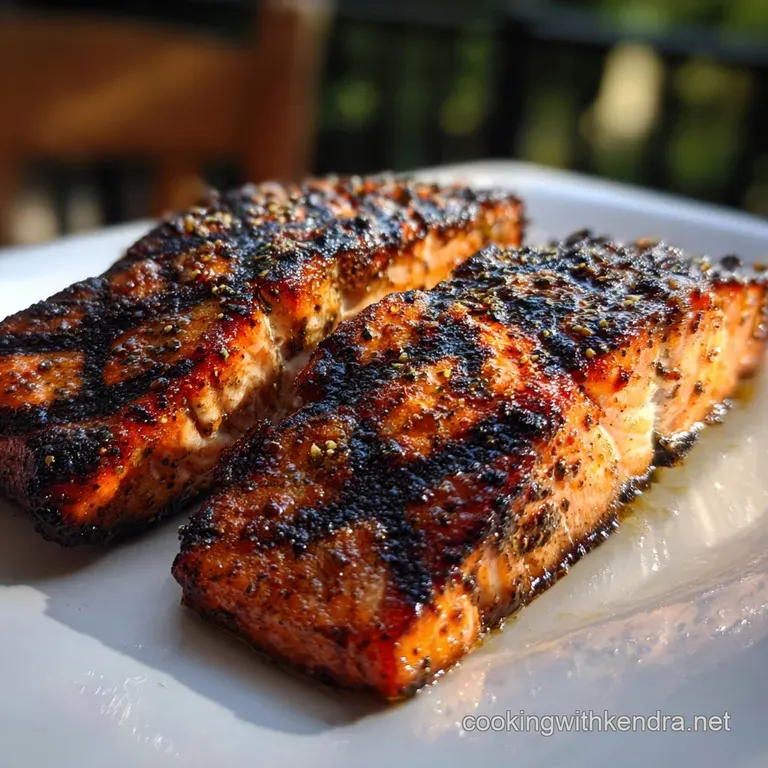
The most important tool for knowing how long to grill salmon is a reliable instant read thermometer. I used to guess by poking the fish, but that usually leads to dry results. A digital thermometer takes the anxiety out of the process.
You will also want a long handled fish spatula. These are thinner and more flexible than standard burger spatulas, allowing you to slide underneath the skin without tearing it. If you are using a gas grill, make sure your grates are scrubbed clean.
Any leftover residue from last night's chicken will act like glue for your salmon.
Finally,, have a small brush handy for the oil. Brushing the fish directly ensures every inch is protected. I prefer silicone brushes because they don't shed bristles and are much easier to clean after dealing with raw fish.
Precise Steps for Grilling Perfection
- Prep the fish. Pat the 4 center cut salmon fillets (6 oz each) bone dry with paper towels. Note: Moisture on the surface creates steam, which prevents a crisp sear.
- Oil the skin. Brush 1 tbsp (15 ml) avocado oil over the skin and flesh sides of the fillets.
- Season generously. Sprinkle 1 tsp (5 g) kosher salt and 0.5 tsp (2 g) coarsely cracked black pepper over the top.
- Heat the grill. Bring your grill to medium high heat (about 400 degrees).
- Placement. Lay the fillets skin side down on the grates. Close the lid.
- Initial Sear. Grill 6 minutes until the skin is charred and releases easily.
- The Flip. Carefully turn the fillets over using a fish spatula.
- Finish cooking. Grill 2-4 minutes until the internal temperature reaches 125°F.
- Char the lemon. Place the halved lemon cut side down on the grates for the final 2 minutes.
- Final touch. Remove fish, top with 2 tsp (10 g) butter and 1 tbsp (15 g) dill, and squeeze the charred lemon over everything.
When considering grilling salmon time, remember that the fish continues to cook even after you pull it off the heat. This is called carry over cooking. If you wait until it looks completely done on the grill, it will be overdone by the time it hits the table.
Fixing Common Salmon Problems
One of the most frequent issues is the fish sticking to the grates. This usually happens because the grill wasn't hot enough or the grates were dirty. If the fish doesn't want to move, give it another minute. It will naturally release once the skin has reached a certain level of crispness.
Managing Albumin Protein Secretions
You might notice white stuff oozing out of the fish while it cooks. This is albumin, a protein that stays liquid when raw but solidifies when heated. It is totally safe to eat, but usually indicates the fish is cooking a bit too fast or getting too hot.
Lowering the heat slightly or pulling the fish a minute earlier can help minimize this.
Preventing Sticky Grill Grates
If your fillets are tearing, your grates might be too cold. The metal needs to be hot enough to instantly sear the surface. Also, ensure you have oiled the fish itself. Oiling the grates is good, but oiling the fish is the real secret to a clean release.
| Problem | Root Cause | Solution |
|---|---|---|
| Dry/Chalky Texture | Overcooking | Pull fish at 125°F and let rest for 5 minutes. |
| Soggy Skin | Low Heat or Moisture | Pat skin bone dry and use 400°F grill temp. |
| Flaring Flames | Excess Oil or Fat | Trim hanging belly fat and use oil sparingly. |
Common Mistakes Checklist
- ✓ Pat the salmon completely dry (surface moisture is the enemy of a sear).
- ✓ Preheat the grill for at least 15 minutes before starting.
- ✓ Don't touch the fish for the first 5 minutes to let the skin crisp.
- ✓ Use a thermometer rather than timing by "feel" or sight alone.
- ✓ Clean your grill grates with a wire brush while they are hot.
Simple Flavor and Texture Variations
If you want a different experience, there are several ways to adapt this. For a smokier profile without the grill marks, you should try my Juicy Grilled Salmon recipe. It focuses on a lower, slower heat that yields an incredibly tender bite.
Grilling Salmon in Foil
If you are worried about the fish falling apart, you can wrap the fillets in heavy duty aluminum foil. This steams the fish in its own juices. You won't get the crispy skin, but it is a foolproof way to keep the meat moist. Add a splash of white wine and some garlic inside the packet for a Mediterranean vibe.
Using a Cedar Plank
To grill salmon on cedar plank, soak the wood for at least 2 hours first. Place the fish on the wood and set the whole thing on the grill. The wood protects the fish from direct flames and infuses it with a sweet, smoky aroma. This usually takes about 12-15 minutes at 400 degrees.
| Method | Time | Texture | Best For |
|---|---|---|---|
| Direct Grate | 8-10 mins | Crispy skin, smoky | Classic charred flavor |
| Foil Packet | 12-15 mins | Silky, steamed | Easy cleanup, no mess |
| Cedar Plank | 15 mins | Tender, woody | Dinner parties, depth |
Storage and Leftover Solutions
Grilled salmon is best served immediately, but leftovers are great for meal prep. Store your cooked fillets in an airtight container in the fridge for up to 3 days. I don't recommend freezing cooked salmon as the texture becomes quite grainy and mushy once thawed.
To reheat, avoid the microwave if possible. It turns the fish rubbery in seconds. Instead, place it in a pan over low heat with a splash of water and a lid, or eat it cold. Leftover salmon is a treasure for a Healthy Dinner Recipe the next night; just flake it over a big green salad or stir it into a cold pasta dish with some capers and lemon.
For a zero waste approach, don't toss those charred lemon halves. They can be squeezed into a container and kept in the fridge to brighten up a vinaigrette or even used to scrub your grill grates while they are still warm. The acidity helps cut through the grease.
Beautiful Plating and Serving Ideas
When it comes to presentation, keep it simple. A large wooden board or a white ceramic platter makes the coral color of the salmon pop. Lay the fillets slightly overlapping and scatter the fresh dill over the top. The contrast between the green herbs and the dark, charred skin looks professional without much effort.
I love serving this alongside grilled asparagus or a quick cucumber salad. The crunch of the cucumbers balances the buttery richness of the fish perfectly. If you have extra charred lemons, place them around the edges of the plate.
They aren't just for juice; they look rustic and inviting, signaling to your family that a fresh, home cooked meal is ready.
Remember that the butter should be the very last thing you add. You want your guests to see it slowly glistening and melting into the cracks of the fish. It provides that final layer of fat that makes every bite feel decadent.
Enjoy your meal, and don't be afraid to get your hands a little messy with those crispy skin bits!
Recipe FAQs
How long does it take salmon to grill on the grill?
8-10 minutes total for average fillets. Grill skin side down for 6 minutes, then flip and cook for an additional 2-4 minutes, or until the internal temperature reaches 125°F for medium rare.
Do you flip salmon on a grill?
Yes, you should flip salmon on the grill. After grilling the first side for about 6 minutes until the skin releases easily, carefully flip the fillet to cook the other side for another 2-4 minutes.
How long to grill salmon at 400 without foil?
About 8-10 minutes total. For a 1 inch thick fillet at 400°F, grill skin side down for 6 minutes, then flip and cook for another 2-4 minutes until it flakes easily and reaches an internal temperature of 125°F.
How many minutes per side for salmon?
Approximately 6 minutes per side for average fillets. Start with the skin side down for 6 minutes, then flip and grill the flesh side for 2-4 minutes until done. This ensures a crispy skin and perfectly cooked interior.
What's the best temperature to grill salmon?
Medium high heat, around 400°F. This temperature is ideal for achieving a crispy skin and a nicely seared exterior while keeping the inside moist and flaky. If you master controlling the heat here, you'll find similar temperature precision is key in our pan-seared flank steak recipe.
How do I know when grilled salmon is done?
Use an instant read thermometer or visual cues. The salmon is done when it flakes easily with a fork and the internal temperature reaches 125°F for medium rare or 130°F for medium. The flesh will be opaque but still moist.
Can I grill salmon on a cedar plank?
Yes, grilling salmon on a cedar plank is excellent. Soak the plank for at least 2 hours, then place the salmon on it and grill for about 12-15 minutes at 400°F. This method infuses the fish with a sweet, smoky aroma and keeps it very tender.
Grill Salmon Time
Ingredients:
Instructions:
Nutrition Facts:
| Calories | 402 kcal |
|---|---|
| Protein | 34.8 g |
| Fat | 27.2 g |
| Carbs | 1.2 g |
| Fiber | 0.3 g |
| Sugar | 0.1 g |
| Sodium | 585 mg |
