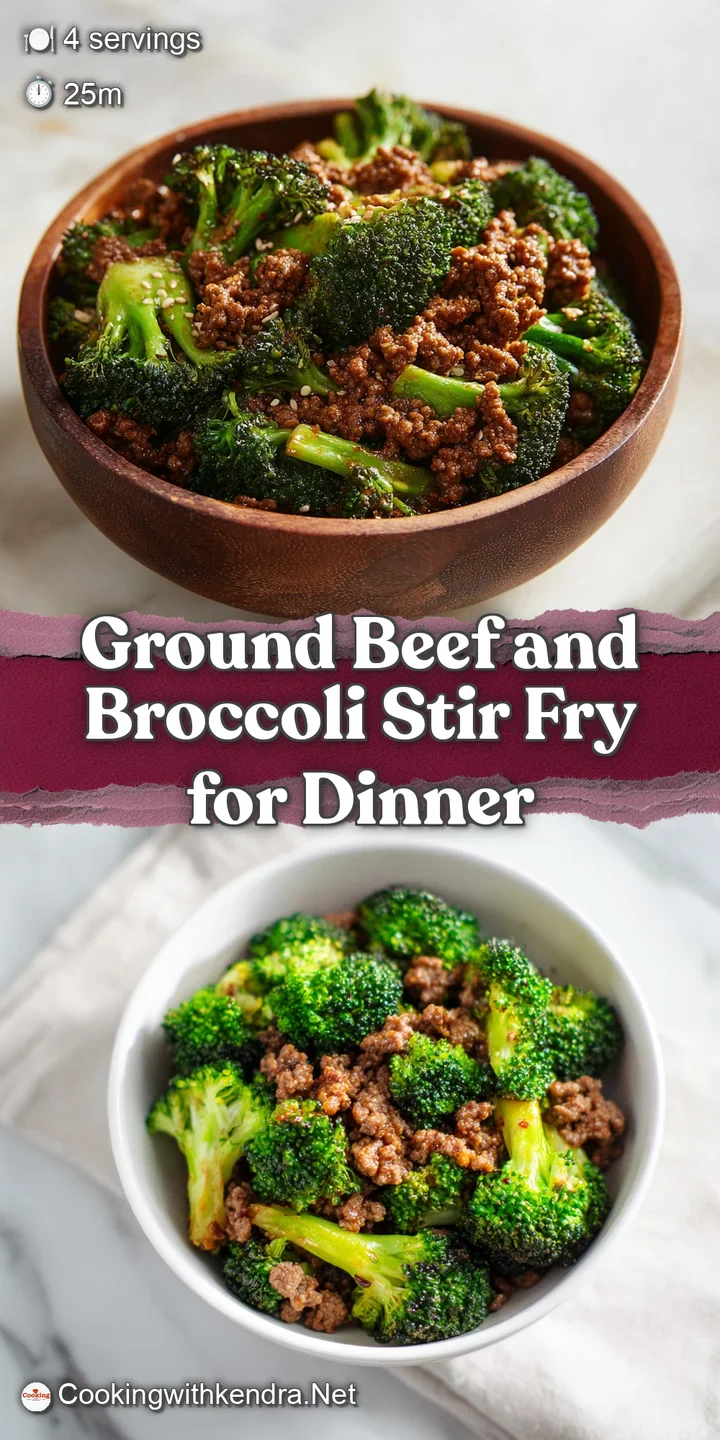
Ground Beef and Broccoli Stir Fry
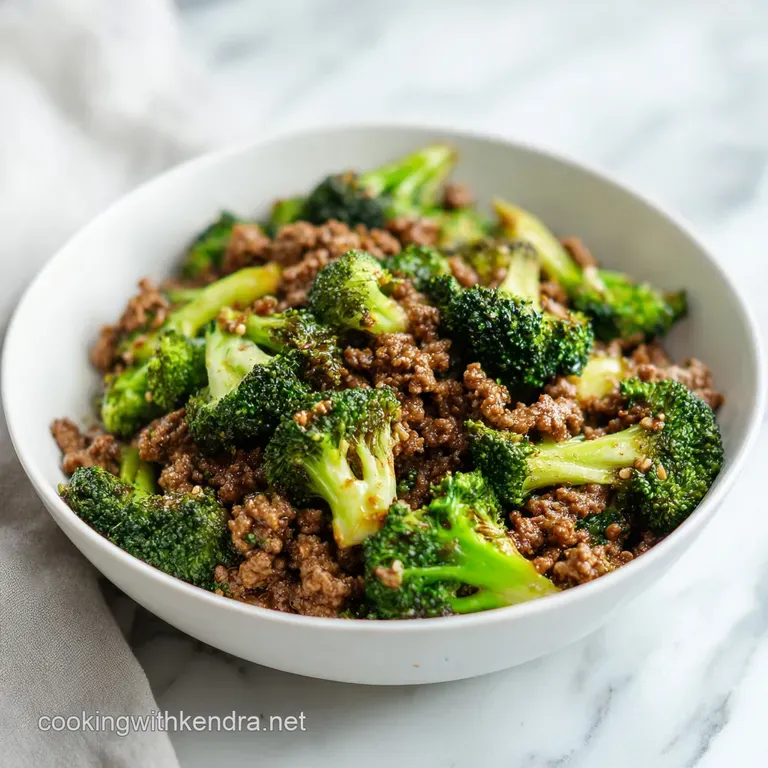
- Time: Active 10 minutes, Passive 15 minutes, Total 25 minutes
- Flavor/Texture Hook: Velvety, garlic forward sauce with crispy edged beef and snappy broccoli.
- Perfect for: Chaotic Tuesday nights, budget conscious meal prep, or beginner cooks.
- Master the Ultimate Beef and Broccoli
- Key Techniques for Success
- Essential Recipe Specifications
- Selecting Your Quality Elements
- Essential Kitchen Equipment
- The Quick Cooking Process
- Solving Common Cooking Problems
- Variations and Creative Swaps
- Freezing and Reheating Guide
- How to Serve and Enjoy
- Kitchen Myths and Truths
- High in Sodium
- Recipe FAQs
- 📝 Recipe Card
Master the Ultimate Beef and Broccoli
Imagine the sound of cold broccoli hitting a scorching hot pan - that sharp, energetic sizzle that tells you dinner is actually happening. Then comes the aroma: toasted ginger, frying garlic, and the deep, savory scent of browning beef.
I used to think I needed a thousand degree wok and expensive flank steak to get that restaurant style finish, but I was wrong. One night, after a long shift and with only a pound of ground beef in the fridge, I experimented.
The result was better than the original because every single cranny of the ground meat soaked up that glossy, ginger spiked sauce.
We have all been there, staring at a bunch of limp broccoli and wondering if it is worth the effort. Trust me on this: this version is the ultimate weeknight win. We are skipping the fussy slicing of raw meat and going straight for the flavor.
You'll get those crispy, caramelized bits of beef that feel like a treat, paired with broccoli that actually stays bright green and snappy instead of turning into mush. It is fast, it is affordable, and it honestly beats the local takeout place every single time.
This isn't just a "toss it in a pan" situation, though. We are going to use a few smart techniques to make sure the sauce is velvety and the meat doesn't just boil in its own juices.
You will learn how to build layers of flavor in a single skillet, starting with the aromatics and ending with a sauce that has just the right amount of shine. Let's get into the kitchen and make something your family will actually ask for twice a week.
Key Techniques for Success
Maillard Reaction: By letting the 1 lb lean ground beef (90/10) sit undisturbed in the hot pan for three minutes, we create a dark, flavorful crust through chemical browning. This adds a savory depth that raw simmered meat lacks.
Starch Gelatinization: The 1 tbsp cornstarch in our sauce mixture swells and thickens as it hits the boiling point in the pan. This creates that iconic, glossy coating that clings to every floret rather than pooling at the bottom of the bowl.
Steam Searing: We use the 1/4 cup beef broth to create a quick burst of steam in the pan. This cooks the 1 lb fresh broccoli florets through to the center while the high heat sears the outside, preserving the bright chlorophyll and "snap."
Emulsification Stability: The 1 tbsp toasted sesame oil is added at the end to provide a silkier mouthfeel. This fat helps bind the water based soy sauce and broth together for a more cohesive, rich sauce.
| Method | Time | Texture | Best For |
|---|---|---|---|
| Cast Iron Skillet | 15 minutes | Extra crispy beef edges | Maximum flavor development |
| Non Stick Wok | 12 minutes | Evenly tender broccoli | High volume cooking |
| Stainless Steel | 18 minutes | Deepest sauce fond | Experienced cooks |
Selecting the right method depends on your priorities for the night. If you want those little "shatter crisp" bits of beef, the cast iron is your best friend. However, a non stick wok is far more forgiving if you are worried about the cornstarch heavy sauce sticking to the pan.
Both will yield a fantastic result, but the cast iron version usually wins on the flavor front because it holds heat so consistently.
Essential Recipe Specifications
When we talk about 4 servings, we are looking at a generous bowl for each person. This recipe is designed to be balanced - you aren't just getting a bowl of meat. The 1:1 ratio of meat to vegetables ensures you feel full without that heavy, weighed down feeling that comes from purely protein heavy meals.
It is a smart way to stretch your grocery budget further while keeping the family happy.
The total time of 25 minutes is a real world estimate. That includes the ten minutes you'll spend mincing your 3 cloves of garlic and grating that 1 tbsp fresh ginger. If you are a fast chopper, you might even beat the clock.
The cooking happens very quickly once the pan is hot, so make sure all your sauce ingredients are whisked and ready before the first drop of 2 tbsp neutral oil hits the pan.
Understanding the "why" behind the lean beef is important too. Using 90/10 lean ground beef ensures you have enough fat for flavor and browning without ending up with a greasy sauce. If you use a higher fat content, like 80/20, you'll need to drain the excess liquid before adding your aromatics.
Keeping the fat in check allows the toasted sesame oil and soy sauce to really shine through as the primary flavor profile.
Selecting Your Quality Elements
| Ingredient | Science Role | Pro Secret |
|---|---|---|
| Ground Beef | Protein Base | Press it flat like a giant burger to maximize the sear before breaking it up. |
| Cornstarch | Thickening Agent | Always whisk into cold liquid first to prevent "slurry clumps" in your hot pan. |
| Fresh Ginger | Enzyme/Aromatic | Store it in the freezer and grate it while frozen for a snow like texture that melts in. |
The foundation of this dish is the 1 lb lean ground beef (90/10). It provides the structure and the savory punch. While some recipes call for expensive flank or skirt steak, the ground version is a budget smart move that actually improves sauce distribution. You will also need 1 lb fresh broccoli florets.
I highly recommend buying the whole heads and chopping them yourself into bite sized pieces; they hold their texture much better than the pre bagged "broccoli slaw" or frozen varieties.
For the sauce, we are using 1/3 cup low sodium soy sauce and 1/4 cup beef broth as our liquid base. The 2 tbsp brown sugar adds that essential hit of sweetness to balance the salt, while 1/4 tsp red pepper flakes brings a tiny bit of background warmth.
Don't skip the 1 tbsp fresh ginger or the 3 cloves of garlic; these aromatics are what separate a boring stir fry from one that smells like a professional kitchen.
If you find yourself missing an ingredient, don't panic. You can swap the brown sugar for honey or even maple syrup in a pinch. If you are out of beef broth, chicken broth or even a splash of water with a bit of extra soy sauce will work. The goal is to keep that balance of salty, sweet, and savory. For a different take on beefy comfort, you might also enjoy my Italian Beef Stew recipe for those colder nights.
| Original Ingredient | Substitute | Why It Works |
|---|---|---|
| Low Sodium Soy Sauce | Tamari | gluten-free and offers a slightly richer, darker color. |
| Beef Broth | Mushroom Broth | Adds an earthy umami boost that complements the beef perfectly. |
| Neutral Oil | Avocado Oil | Has a high smoke point which is vital for that initial over high heat sear. |
Essential Kitchen Equipment
You don't need a professional kitchen, but a large skillet is non negotiable. A 12 inch skillet provides enough surface area so the beef can brown rather than steam. If the pan is too small, the meat will release moisture and sit in a puddle, preventing those crispy edges we are looking for.
A cast iron skillet is my personal favorite because it retains heat like a champ, but a heavy bottomed stainless steel pan works wonders too.
A microplane or a fine grater is your best friend for the ginger and garlic. You want these aromatics to be almost paste like so they distribute evenly and don't leave you with a giant hunk of raw ginger in one bite.
You'll also need a sturdy spatula - something with a thin edge that can really scrape the "fond" (those little browned bits) off the bottom of the pan once you add the liquids.
Finally,, grab a small whisk and a bowl for your sauce slurry. Mixing the 1 tbsp cornstarch into the cold liquids before they hit the heat is the only way to guarantee a velvety, lump free finish. It seems like a small step, but it makes a massive difference in the final texture of the dish.
The Quick Cooking Process
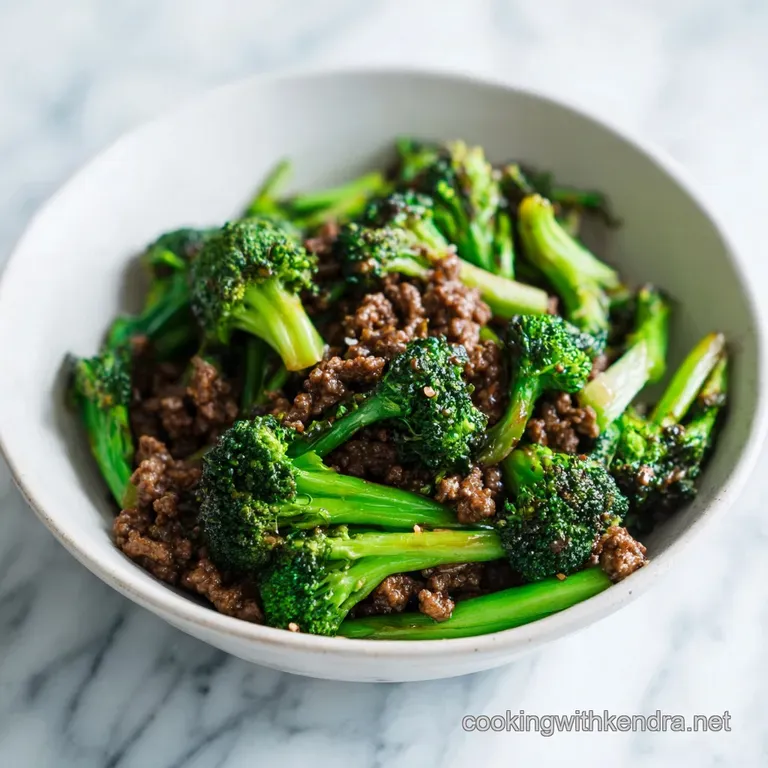
- Whisk the sauce. Combine 1/3 cup low sodium soy sauce, 1/4 cup beef broth, 2 tbsp brown sugar, and 1 tbsp cornstarch in a small bowl. Note: Mixing the starch into cold liquid prevents lumps later.
- Sear the beef. Heat 2 tbsp neutral oil in a large skillet over high heat until shimmering, then add 1 lb lean ground beef. Note: Press the meat down and don't touch it for 3 minutes.
- Crumble the meat. Once a dark crust has formed, break the beef into small pieces using a sturdy spatula. Cook 2 mins until no longer pink.
- Infuse the aromatics. Stir in 3 cloves minced garlic, 1 tbsp grated ginger, and 1/4 tsp red pepper flakes. Sauté 1 min until fragrant and toasted.
- Add the broccoli. Toss in 1 lb fresh broccoli florets and stir to coat in the beef fat and aromatics. Note: This initial sear on the broccoli adds a smoky depth.
- Steam the greens. Pour in 2 tbsp of water and immediately cover the pan with a lid for 2 minutes. Steam until broccoli is bright green.
- Thicken the sauce. Remove the lid and pour the soy sauce mixture over the beef and broccoli. Stir 2 mins until sauce is thick and glossy.
- Final flavor boost. Remove from heat and stir in 1 tbsp toasted sesame oil. Note: Adding this at the end preserves its delicate aroma.
- Garnish and serve. Sprinkle with 1 tbsp toasted sesame seeds and 2 thinly sliced green onions. Serve immediately while the steam rises.
Solving Common Cooking Problems
Correcting a Gummy Sauce Consistency
If your sauce turns into a thick, jelly like paste, it's usually because the heat was too high or there was too much cornstarch for the amount of liquid. This happens often if the beef broth evaporates too quickly during the steaming phase.
To fix it, simply whisk in an extra tablespoon or two of warm water or broth while the pan is still on low heat. The sauce should be pourable and shiny, not stiff.
Fixing Soggy Broccoli Texture
Nothing ruins a stir fry faster than mushy broccoli. This usually happens if the lid is left on for too long or if you use frozen broccoli without adjusting the time. If you realize the broccoli is getting soft but the sauce isn't thick yet, pull the broccoli out with tongs and set it aside while you finish the sauce.
Toss it back in right at the end just to coat. Next time, make sure your florets are uniform in size so they cook at the same rate.
Solving Excess Liquid Issues
If your beef looks like it is "boiling" in a pool of gray liquid, your pan wasn't hot enough or you overcrowded it. This liquid prevents the Maillard reaction from happening. If this happens, carefully drain the excess liquid into a bowl (don't throw it away, it's flavor!) and turn the heat up.
Once the pan is dry and searing again, you can add a splash of that liquid back in with your sauce mixture.
| Problem | Root Cause | Solution |
|---|---|---|
| Bland Flavor | Under seasoned beef | Add a pinch of salt to the raw beef before it hits the pan to build flavor from the base. |
| Burnt Garlic | Added too early | Ensure the meat is fully browned before adding garlic; it only needs 60 seconds to cook. |
| Thin Sauce | Starch didn't activate | The sauce must reach a bubbling simmer for the cornstarch to fully thicken the liquid. |
Common Mistakes Checklist
- ✓ Pat the broccoli florets completely dry after washing to ensure they sear instead of steam immediately.
- ✓ Let the ground beef sit undisturbed for a full 3 minutes to develop a deep, mahogany crust.
- ✓ Whisk the sauce slurry again right before pouring it in, as cornstarch tends to settle at the bottom.
- ✓ Use a large enough pan so the ingredients aren't stacked; they need room to touch the hot surface.
- ✓ Don't overcook the broccoli; it should have a "snap" when you bite into it.
Variations and Creative Swaps
If you want to stretch this meal even further, you can easily double the broccoli or add other vegetables like thinly sliced bell peppers or snap peas. Just remember that adding more vegetables might require an extra half batch of the sauce to keep everything properly coated. If you find yourself making this often, you might also like my Speedy Beef Broccoli recipe which uses a slightly different sauce profile for variety.
For those looking for a different starch base, this mixture is incredible when served over rice noodles instead of white rice. The sauce is thick enough to act almost like a pasta sauce. If you want a bit more crunch, try adding half a cup of roasted cashews or peanuts right at the end.
It adds a lovely fat content and a different texture that plays well with the soft beef and snappy greens.
When scaling down for one or two people, it is better to cook the full pound of beef and freeze half of the cooked meat before adding the broccoli. Ground beef freezes exceptionally well after it has been browned.
When you are ready for a quick lunch, just sauté some fresh broccoli, toss in the pre cooked beef, and add a fresh batch of sauce. This keeps the vegetables from getting soggy during the reheating process.
Freezing and Reheating Guide
This dish stays fresh in the fridge for up to 4 days when kept in an airtight container. The flavors actually deepen over time as the garlic and ginger infuse further into the beef. When reheating, I suggest using a skillet over medium heat with a tiny splash of water.
This helps loosen the cornstarch based sauce and prevents the beef from drying out. Avoid the microwave if possible, as it tends to turn the broccoli into a very soft, unappealing texture.
For freezing, this recipe is a total champion. You can freeze the entire finished dish for up to 3 months. However, the broccoli will lose some of its "snap" once thawed. To combat this, some home cooks prefer to freeze the cooked beef and sauce separately, then add fresh broccoli when they are ready to eat.
If you do freeze the whole meal, thaw it overnight in the fridge before reheating gently on the stovetop.
If you have leftover sauce but no meat, use it as a marinade for chicken or as a base for a quick vegetable stir fry the next day. The zero waste potential here is high. Even the broccoli stems can be peeled, sliced thin, and tossed into the pan with the florets for extra fiber and crunch.
Never throw those stems away; they are the sweetest part of the vegetable!
How to Serve and Enjoy
The classic way to serve this is over a bed of fluffy white jasmine rice or brown rice. The rice acts like a sponge, soaking up every drop of that ginger soy glaze. If you are looking for a lower carb option, cauliflower rice or even a big pile of sautéed cabbage works beautifully.
The savory beef provides enough "heft" that you won't even miss the grains.
I love to finish the plates with a heavy hand of garnishes. The 2 sliced green onions provide a fresh, sharp contrast to the rich sauce, while the 1 tbsp toasted sesame seeds add a nutty finish. If you like heat, a drizzle of sriracha or an extra pinch of red pepper flakes is always a good idea.
It is a dish that feels complete on its own, but a side of simple cucumber salad with rice vinegar can help cut through the richness of the beef.
Don't be afraid to experiment with how you plate it. Sometimes I’ll serve this inside large butter lettuce leaves for "beef and broccoli wraps." It’s a fun, interactive way to eat, especially for kids. However you serve it, make sure to get it to the table while it is still piping hot and the sauce is at its glossiest. For another crowd pleaser that uses similar pantry staples, check out The Classic Beef recipe for stuffed peppers!
Kitchen Myths and Truths
Many people believe that you must use a wok to get a "real" stir fry flavor. The truth is that a heavy bottomed skillet or a cast iron pan can actually produce better browning (the Maillard reaction) on a standard home stove because they have more contact with the heating element.
Most home burners don't get hot enough to properly heat the sides of a wok, leading to steaming rather than searing.
Another common misconception is that you should wash your meat before cooking. Please, don't do this! Not only does it spread bacteria around your sink, but adding moisture to the surface of the meat makes it impossible to get a good sear. The beef will end up gray and rubbery.
For the best result, take the beef out of the package and put it straight into the hot oil.
Finally, there's a myth that fresh ginger and jarred ginger paste are interchangeable. While the paste is convenient, it often contains vinegar or salt as a preservative, which can throw off the balance of your sauce. Fresh ginger has a bright, citrusy heat that provides the "zing" this recipe is known for.
If you can, always go for the fresh root it’s cheaper and the flavor is incomparable.
High in Sodium
1075 mg mg of sodium per serving (47% % of daily value)
The American Heart Association recommends limiting sodium intake to about 2,300mg per day for optimal health.
Tips to Reduce Sodium in This Recipe
-
DIY Broth Boost-30%
Replace the store-bought beef broth with homemade or a no-sodium version. This offers significant control over sodium content and flavor.
-
Soy Sauce Swap-25%
Opt for a sodium free soy sauce, or use a low-sodium version. Alternatively, try coconut aminos as a lower sodium substitute.
-
Meat Matters-20%
Ensure you're using fresh, unseasoned ground beef. Some ground beef products have sodium added during processing.
-
Spice It Up
Enhance the flavor profile with more fresh ginger, garlic, and red pepper flakes. These additions can help compensate for reduced sodium without sacrificing taste.
-
Dilute & Taste-15%
When adding the soy sauce and beef broth, start with less than the recipe calls for. Taste, and then add more to your preference. You may find you need less than the full amount.
-
Reduce portions of salty ingredients-15%
Start with 2/3 of the soy sauce and beef broth quantities specified in the recipe, tasting and adding more to reach your desired taste profile.
Recipe FAQs
What is the brown sauce on beef and broccoli?
It is primarily a soy sauce, broth, and sugar based glaze thickened with cornstarch. This mixture creates the iconic savory, glossy coating; the brown color comes mainly from the soy sauce and a small amount of brown sugar caramelizing slightly in the pan.
What is the secret to good beef and broccoli?
The secret is high heat searing for the beef and steam searing for the broccoli. You must let the ground beef sit undisturbed to develop a dark crust before breaking it up, which builds savory depth. Mastering this crucial heat control step is similar to how you control fat ratios when learning mastering the Maillard reaction.
What sauce is best for beef stir fry?
A sauce built on a balance of salty, sweet, and umami flavors, thickened with cornstarch, is generally best. Aim for low sodium soy sauce, beef broth for richness, brown sugar for balance, and fresh aromatics like ginger and garlic for brightness.
What goes best with beef and broccoli?
Steamed jasmine rice is the traditional and best pairing, as it soaks up the excess sauce perfectly. For a lower carbohydrate option, cauliflower rice or simple steamed cabbage works well as a base to carry the rich glaze.
Can I substitute flank steak for the ground beef?
Yes, but you must slice the flank steak thinly against the grain first. Using ground beef browns much faster and provides more surface area for the sauce to cling to, making it ideal for weeknight speed.
How do I keep the broccoli from turning mushy?
Add the broccoli to a very hot pan, quickly splash a tablespoon of water, and cover immediately for only 2 minutes. This uses steam to cook the insides while the high heat maintains a bright green exterior and a desirable "snap."
Can I prepare the sauce ahead of time?
Yes, whisking the sauce ingredients together up to 48 hours in advance is highly recommended. Store the mixed, unthickened sauce in the refrigerator, giving it a quick re-whisk just before you pour it into the hot pan to ensure the cornstarch is fully incorporated.
Ground Beef Broccoli Stir Fry
Ingredients:
Instructions:
Nutrition Facts:
| Calories | 395 calories |
|---|---|
| Protein | 26.4 g |
| Fat | 20.6 g |
| Carbs | 18.7 g |
| Fiber | 2.9 g |
| Sugar | 6.3 g |
| Sodium | 1075 mg |
