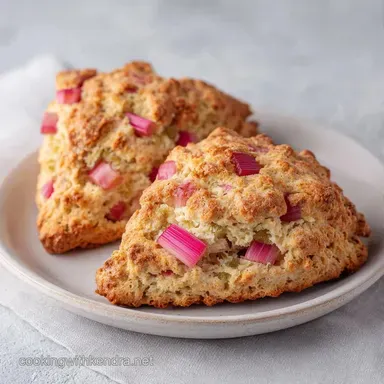
Healthy Low Fat Rhubarb Scones: Tender and Tart
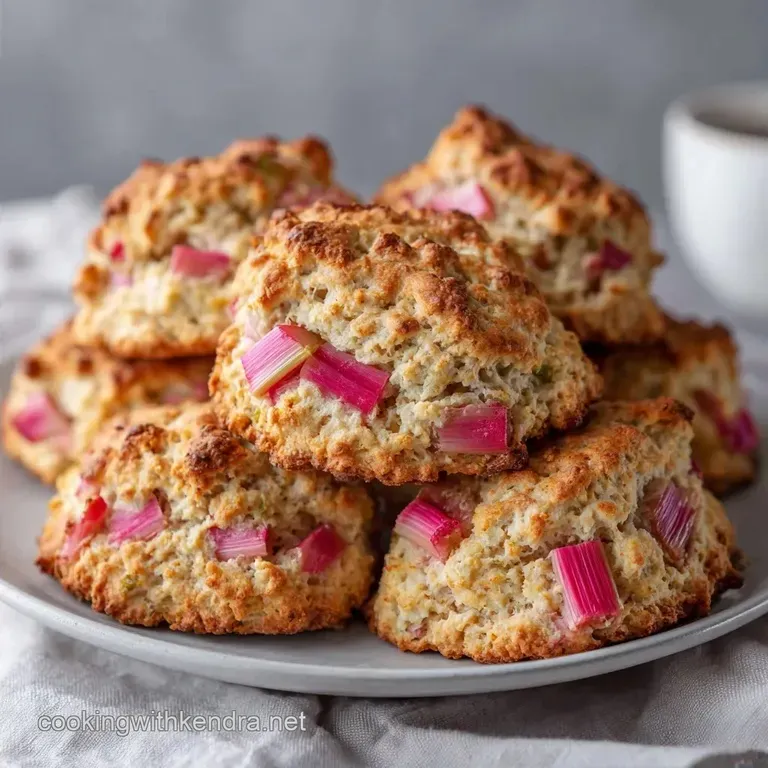
- Time: 15 min active + 20 min bake
- Flavor/Texture Hook: Tangy fruit pops with a tender, flaky crumb
- Perfect for: A rainy Sunday brunch or a cozy tea time
The smell of warm cinnamon and tart fruit hitting the air is the only way to know spring has actually arrived. For a lot of people, especially in British traditions, these kinds of bakes are about using what the garden gives you.
Rhubarb is one of those plants that feels like a nostalgic hug, reminding me of old tea trays and lace tablecloths.
I used to think you needed fancy equipment to get those high, flaky layers, but it really just comes down to temperature. These low fat rhubarb scones are surprisingly light and don't leave you feeling weighed down.
You can expect a scone that is tender on the inside with a slight crunch on the outside. The zing from the lemon glaze cuts right through the richness of the buttermilk, making every bite feel fresh.
Baking Tender Rhubarb Scones
When I first started making these, I overmixed the dough and ended up with something more like a hockey puck than a pastry. The trick is to keep everything cold and be gentle. You want those little bits of butter to stay intact so they melt in the oven, leaving behind tiny air pockets.
If you're looking for a different twist, you might like my sour cream version for an even richer crumb. But for a daily treat, this version hits the mark.
The beauty of Rhubarb Scones is how they balance the sharp acidity of the stalks with a sweet, sugary glaze. It's a contrast that just works, especially when the fruit has softened into jammy little pockets.
Why the Rise Happens
Cold Butter: Keeping the fat cold prevents it from blending into the flour. This creates steam during baking, which pushes the dough up.
Buttermilk Acidity: The acid in the buttermilk reacts with the baking powder. This produces carbon dioxide bubbles that make the scones light.
Fruit Maceration: Letting the rhubarb sit in sugar draws out moisture. This keeps the fruit tender without making the dough soggy.
| Method | Time | Texture | Best For |
|---|---|---|---|
| Oven Bake | 20 mins | Flaky & High | Traditional brunch |
| Skillet Fry | 8 mins | Dense & Crispy | Quick breakfast |
The Essential Ingredients
To get the texture right, you need to understand what the main components are doing. If you swap the buttermilk for regular milk, you'll lose that signature tang and some of the lift.
Ingredient Deep Dive
| Ingredient | What It Does | Best Swap |
|---|---|---|
| low-fat Buttermilk | Adds tang and lift | Plain yogurt thinned with milk |
| All purpose Flour | Provides structure | Whole wheat flour (denser result) |
| Cold Butter | Creates flaky layers | Chilled coconut oil (solid state) |
| Fresh Rhubarb | Adds tartness and moisture | Frozen rhubarb (thawed and drained) |
What You'll Need
You don't need a professional kitchen for this. A large mixing bowl and a sturdy spatula are the basics. If you have a pastry cutter, use it, but a fork works just as well for rubbing in the butter.
I suggest using parchment paper on your baking sheet. It prevents the bottoms from sticking and makes cleanup a breeze. Trust me, scrubbing burnt sugar off a pan is not how you want to spend your morning.
Putting It All Together
Right then, let's get into it. Make sure your butter is straight from the fridge. If it softens too much, your Rhubarb Scones will spread instead of rising.
Phase 1: Prepping the Fruit
Toss 120g diced rhubarb with 12g sugar and 1g cinnamon in a small bowl. Let this sit for 5-10 minutes. You'll see the rhubarb start to release its juices and look glossy.
Phase 2: The Fast Track Mix
Combine 250g flour, 65g sugar, 12g baking powder, and 3g salt. Use a fork to work 42g cubed cold butter into the flour. Stop when the mix looks like coarse crumbs with pea sized lumps remaining. This is your first precision checkpoint.
Pour in 180ml low-fat buttermilk and 5ml vanilla extract. Stir gently with a spatula just until the flour is moistened. Fold in the macerated rhubarb carefully. If you stir too much, you'll develop the gluten and the scones will get tough.
Phase 3: Shaping and Baking
Turn the dough onto a floured surface. Pat it into a circle about 1 inch (2.5cm) thick. This thickness is vital for a good rise. Slice the circle into 8 equal wedges.
Place them on your lined sheet and bake at 200°C for 20 minutes. You'll smell the cinnamon toastiness about 15 minutes in. Take them out when they are golden and have a firm top.
While they cool, whisk 60g powdered sugar with 15ml lemon juice. Drizzle this over the tops. The glaze should be silky and set quickly.
Chef's Note: To keep the edges sharp, use a very sharp knife or a bench scraper to cut the wedges. Don't twist the knife; press straight down to avoid sealing the edges of the layers.
Fixing Common Issues
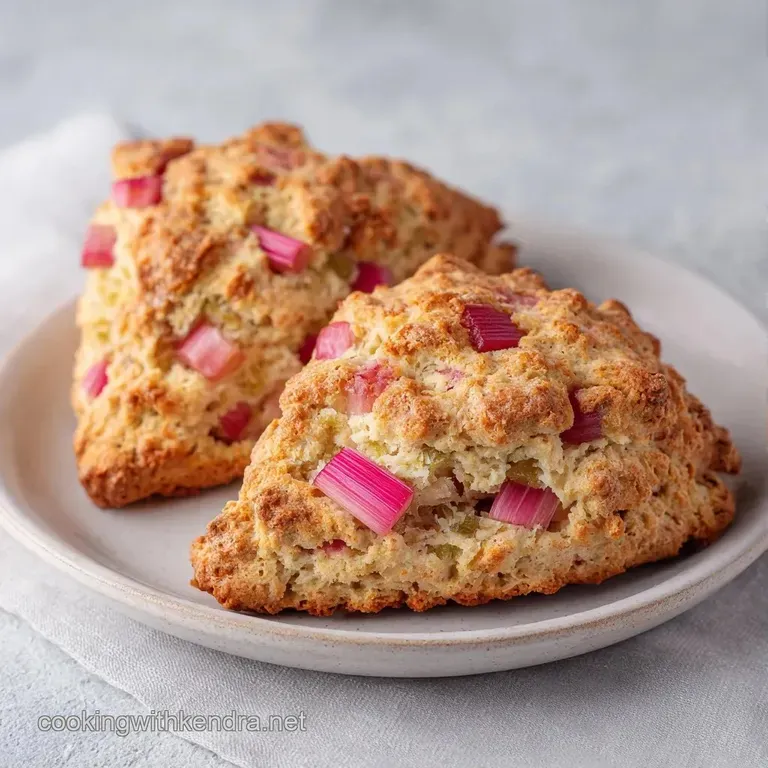
Even the best of us hit a snag. Usually, it's a temperature issue or a mixing error. If your Rhubarb Scones didn't turn out as expected, check the table below.
Troubleshooting Common Issues
| Issue | Solution |
|---|---|
| Why Your Scones Are Flat | If they didn't rise, your baking powder might be old or the butter was too warm. When butter melts before it hits the oven, you lose those steam pockets. |
| Why the Texture is Tough | Overmixing is the main culprit here. Stirring the dough until it's perfectly smooth actually ruins the lightness. Leave some lumps in the flour. |
| Why the Bottoms are Soggy | This happens if the rhubarb was too wet or the oven wasn't hot enough. Make sure the oven is fully preheated to 200°C before the tray goes in. |
Adapting The Recipe
You can easily tweak these to fit your diet. If you want something a bit more wholesome, try Greek yogurt scones for a protein boost.
For a Different Flavor
If you want an almond twist, add a drop of almond extract to the glaze. For a zesty orange profile, swap the lemon juice for fresh orange juice and add some grated zest to the dry ingredients.
For dairy-free Needs
You can use a vegan butter substitute and a homemade dairy-free buttermilk (milk plus a splash of apple cider vinegar). The texture stays remarkably similar.
For a Low Calorie Finish
Reduce the powdered sugar in the glaze by half and add a bit more lemon juice. You'll still get the zing without as much sweetness.
Changing the Fat
If you prefer fat rhubarb scones with full cream butter, just swap the low-fat version for salted butter. These fat rhubarb scones are richer but less tangy, making them feel more like a dessert.
Scaling the Batch
Making a double batch is easy, but don't just double everything blindly.
Going Up (2x): Increase the flour and buttermilk exactly. However, only increase the salt and cinnamon to 1.5x. Work in two separate batches to keep the butter cold; if the dough sits too long while you prep the second tray, it'll lose its lift.
Going Down (½): Use a smaller baking sheet. Since you'll likely be using half an egg or a small amount of buttermilk, whisk your liquids together first. Reduce the bake time by about 3-5 minutes and keep a close eye on them.
Decision Shortcut: Want it tangier? Add an extra teaspoon of lemon juice to the glaze. Want more crunch? Freeze your butter cubes for 10 minutes before mixing. Want it sweeter? Double the glaze amount.
Scone Myths
Some people think you have to chill the dough for an hour before baking. While it helps, it's not a requirement if your butter was cold enough during the mix. You can bake them immediately.
Another myth is that you need a food processor for the butter. A fork or a pastry blender is actually better because it's harder to over process the fat, which keeps the layers distinct.
Storage And Waste
Store your Rhubarb Scones in an airtight container at room temperature for 2 days. If you're keeping them longer, put them in the fridge for up to 5 days.
For the freezer, wrap each scone individually in foil and place them in a freezer bag. They'll stay good for 3 months. To reheat, pop them in a 180°C oven for 5-8 minutes. This brings back that "fresh baked" smell and crispness.
Zero Waste Tip: Don't throw away the rhubarb leaves if they are small and tender, but be careful as large ones can be toxic. Instead, save any leftover rhubarb stalks and simmer them with a bit of sugar and water to make a quick syrup for pancakes.
Serving Your Scones
These are best served warm. A classic tea pairing is an Earl Grey or a strong English Breakfast tea, which complements the tartness of the fruit.
If you're putting together a brunch platter, serve them with a dollop of clotted cream or a bit of salted butter. The warmth of the scone melts the butter instantly, soaking into the crumb.
Right then, that's how you handle Rhubarb Scones without the stress. Just keep your butter cold, your stirring gentle, and your oven hot. Enjoy!
Recipe FAQs
How to cook scones?
Bake at 400°F (200°C) for 20 minutes. Place the sliced wedges on a parchment lined baking sheet until they are golden brown.
Do scones have eggs in them?
No, this recipe is egg-free. It relies on the reaction between buttermilk and baking powder to create the lift.
What are scones best eaten with?
Fresh butter or clotted cream. These rich additions perfectly balance the tartness of the rhubarb and the lemon glaze.
Are scones more sweet or savory?
They can be both, but these are sweet. The combination of granulated sugar, cinnamon, and a powdered sugar glaze makes them a dessert style treat.
What is the ideal temperature for serving scones?
Warm or at room temperature. If you are reheating them from the freezer, use a 180°C oven for 5-8 minutes to restore the crisp edges.
How are scones made?
Cut cold butter into dry ingredients until coarse crumbs form. Stir in buttermilk and fold in diced rhubarb before baking. If you enjoyed the texture control here, see how we streamline the process in our food processor version.
Is it true that overmixing the dough makes scones fluffier?
No, this is a common misconception. Stirring the dough until it is perfectly smooth actually makes the scones tough; it is better to leave some lumps in the flour.
Healthy Rhubarb Scones 2