High Protein Scrambled Eggs: Cottage Cheese Method
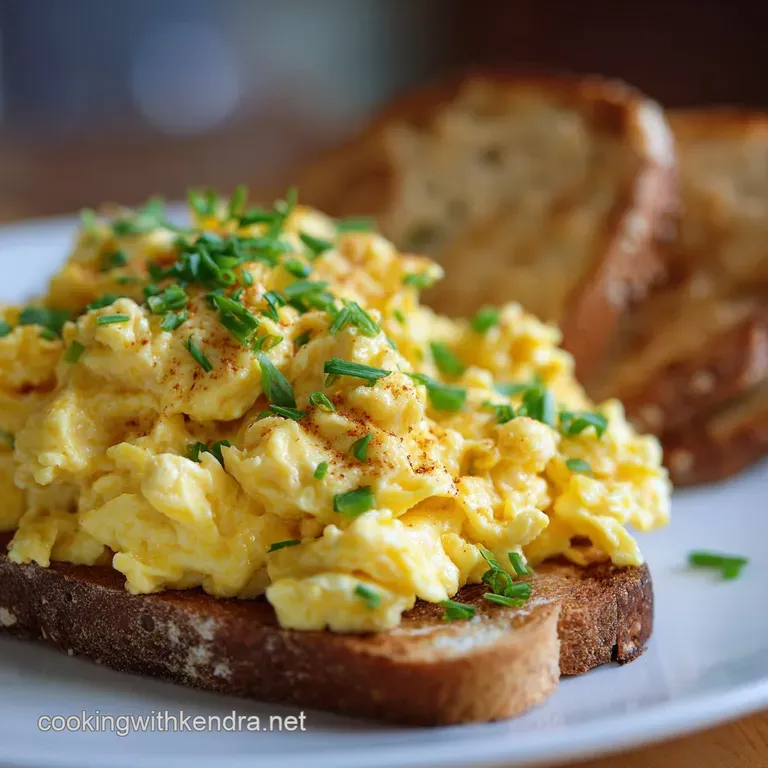
- The Ultimate Upgrade: Achieving High-Protein, Creamy Scrambles
- Culinary Science: Why Cottage Cheese Creates the Perfect Texture
- Essential Components for Your High Protein Scramble
- The High-Octane Method: How to Cook Your Protein Scrambled Eggs
- Expert Tips to Elevate Your Protein Scramble
- Storage Solutions: Meal Prepping Your High-Protein Breakfast
- Serving and Pairing Your High-Protein Power Breakfast
- Recipe FAQs
- 📝 Recipe Card
The Ultimate Upgrade: Achieving High Protein, Creamy Scrambles
Nothing beats the smell of good butter melting gently in a pan, signaling that breakfast is imminent. We are chasing that unbelievably glossy, fudgy texture today, not that sad, dry, rubbery stuff that haunts diner menus.
If your morning eggs aren't making you slightly emotional, you are definitely doing something wrong, friend.
This isn't just a comfort food; it's a metabolic lifesaver that keeps you energized. This entire operation takes less than ten minutes, and the massive protein boost means you stay feeling satisfied and sharp until well past noon.
Cheap, fast, and packed with serious fuel that is the holy trinity of successful morning cooking.
So how do we achieve these glorious, high protein scrambled eggs without resorting to chalky powders or weird additives? The secret weapon is surprisingly simple: cottage cheese. Let’s ditch the splash of skim milk and learn the high octane method that forever changed my breakfast game.
Culinary Science: Why Cottage Cheese Creates the Perfect Texture
Beyond Basic Eggs: What Makes This Scramble 'High Octane'?
Standard scrambled eggs are fine, but they often leave me foraging for snacks by 10 AM. We are using whipped cottage cheese to nearly double the protein per serving, turning a light meal into a true powerhouse breakfast. This focus on protein loading is absolutely crucial for anyone building muscle or managing cravings, making this a spectacular addition to your rotation of Healthy Breakfast Scramble Meal Prep .
The Creamy Secret: Introducing Whipped Cottage Cheese
Milk adds simple water, which can dilute the egg flavor and result in a thin final product. Cottage cheese adds structural protein and crucial fat. When you vigorously whip the cottage cheese curds into the eggs, the protein strands act like microscopic anchors.
They cling tightly to the moisture and fat during cooking, which results in that impossibly rich, fudgy final texture we're aiming for.
The Role of Emulsification in Ultra Creamy Eggs
Think of this process as forced emulsification. We are intentionally blending the dairy fat (from the butter and the cottage cheese) seamlessly into the egg yolks and whites before they hit the heat.
This technique prevents the mixture from separating or becoming watery, ensuring every gorgeous bite is uniformly creamy and decadent.
Protein Loading: Calculating the Boost Per Serving
A standard two-egg scramble offers about 12 grams of protein, tops. By integrating half a cup of cottage cheese, we immediately push that figure up into the healthy range of 28 to 30 grams per serving.
That massive jump is why these are often called high protein scrambled eggs for weight loss they simply keep hunger at bay much longer than other breakfasts.
Flavor Profile: Balancing Tanginess and Richness
Full fat cottage cheese provides a subtle, beautiful tang that cuts through the richness of the butter and egg yolks. The goal is to season it perfectly so the flavor is bright and complex, not just heavy. That little bit of acid is what makes these high protein scrambled eggs taste fresh and vibrant, not bogged down.
Essential Components for Your High Protein Scramble
The Dairy Choice: Full Fat vs. low-fat Cottage Cheese Notes
I absolutely swear by 4% full fat cottage cheese for achieving the best possible results. The higher fat content significantly contributes to the final velvety, mouth coating texture.
You certainly can use low-fat, but you might need to add an extra splash of melted butter to compensate for the lost richness and potential dryness.
Handling Egg Quality: What Grade Works Best?
Use the freshest eggs you can get your hands on, ideally free range or organic. high-quality eggs have richer yolks, which translates directly into deeper flavor and a sunnier color. I once tried this with old eggs and the flavor was muted and the texture fell flat. Good eggs matter!
Salt and Pepper: Mastering the Timing of Seasoning
Always salt your egg mixture before cooking. Salting helps tenderize the protein strands and ensures the seasoning is integrated evenly throughout the scramble, rather than just sitting on the surface. Freshly cracked black pepper goes in the bowl, too, for maximum impact.
Swaps and Substitutions for Dietary Needs
While the core recipe relies on cottage cheese, you have options if you're out or have specific dietary constraints.
| Ingredient | Substitute Option | Why it works |
|---|---|---|
| Cottage Cheese | Plain Greek Yogurt (Full Fat) | Adds tang and protein, may require less whisking. |
| Butter | Ghee or Avocado Oil | Ghee adds a lovely nutty flavor; Oil works great for dairy-free needs. |
| Chives | Finely Chopped Fresh Dill or Scallions | Dill works beautifully with the creamy texture, or use the green parts of scallions for a gentle onion flavor. |
The High Octane Method: How to Cook Your Protein Scrambled Eggs
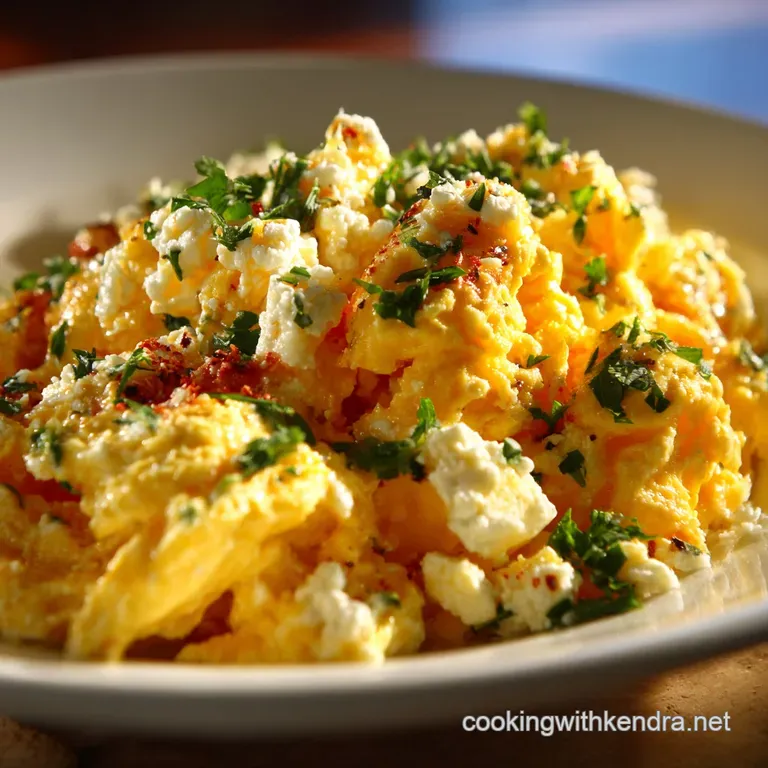
Prep Step: Whipping the Eggs and Cottage Cheese to Smoothness
In your mixing bowl, combine the 4 large eggs, ½ cup of cottage cheese, salt, pepper, and chives. Now, whisk vigorously for a full minute. You don't need a blender, but you must break down those curds until the mixture is uniform and pale yellow. The smoother the base, the creamier the result.
The Importance of Heat Control: Why Medium Low is Non-Negotiable
This is the most critical step that separates decent eggs from phenomenal ones. Place your non-stick pan over medium low heat and I mean low . Add your tablespoon of cold unsalted butter. Wait patiently until the butter is fully melted and foamy but shows no sign of browning.
The Low and Slow Technique for Maximum Creaminess
Pour the entire high protein scrambled eggs mixture into the prepared pan. Do not touch it for the first 30 seconds. Allow the edges to just start setting. Then, using a rubber spatula, gently push the cooked edge from the sides toward the centre, tilting the pan so the runny raw egg flows underneath.
Continue this slow, gentle push and fold motion around the pan.
The Final Fold: Achieving the Perfect Curd Size
Keep stirring and folding until the eggs are creamy, soft, and still look slightly wet they should have a beautiful gloss. This is when you remove the pan from the heat immediately.
The residual heat will finish the cooking process, ensuring your curds remain soft, delicate, and never rubbery.
Expert Tips to Elevate Your Protein Scramble
Chef’s Note: If you want that gorgeous, sunny yellow color without impacting flavor, add a tiny pinch of ground turmeric to the egg mix before whisking. It’s my little trick for professional looking scrambles.
Mistake #1: Preventing Grainy Texture in the Pan
The most common failure point is grainy texture, which is caused by high heat. When proteins (especially cottage cheese) hit high heat, they seize up instantly and force out moisture, leaving you with dry curds and watery residue.
Fix It: Stick rigidly to medium low heat and make sure you keep the eggs moving gently but consistently.
When to Add the Butter (And the Cold Pan Trick)
Adding the fat after the pan is hot can lead to instant scorching, which impacts flavor and color. Starting with the butter cold allows the pan to heat slowly and evenly, giving you maximum control over the cooking rate before the eggs ever go in.
Resting and Serving Immediately for Peak Texture
Scrambled eggs wait for no one! They continue cooking off-heat, so scoop them onto warmed plates right away. Waiting even a minute can take them from glossy perfection to slightly overcooked.
Storage Solutions: Meal Prepping Your High Protein Breakfast
Refrigerator Lifespan: How Long Do Cooked Eggs Last?
Cooked [High Protein Scrambled Eggs] store surprisingly well if sealed properly. Place them into an airtight container right after they cool slightly. They will last perfectly for 3 to 4 days in the fridge. This makes them truly ideal for your busy weekday meal prep!
The Freezing Question: Is It Worth It?
Can you freeze cooked scrambled eggs? Yes, technically. Should you? In my opinion, absolutely not. Freezing fundamentally alters the protein structure, making them spongey and sad upon reheating. For freezer friendly breakfasts, choose something like my Pizza Dough Recipe Easy: High Hydration for a Puffy Crust or a baked breakfast casserole instead.
Best Methods for Reheating Without Drying Out
If you must reheat your scramble, use gentle heat. The microwave is your enemy here! I recommend reheating them gently in a non-stick pan over low heat with a tiny splash of milk or even a small pat of butter. Stir constantly for about two minutes until just warmed through.
Serving and Pairing Your High Protein Power Breakfast
These richly protein packed eggs are incredibly filling, so they pair best with crisp, contrasting textures and fresh flavors.
- Bread Base: Serve your scramble piled high atop a slice of toasted sourdough. A little crispness adds fantastic contrast to the creamy eggs.
- Green & Fresh: A side of sliced avocado, a dash of flaky salt, and a generous squeeze of fresh lime juice cut through the richness beautifully.
- Hearty Side: For a proper, stick-to-your ribs meal, serve alongside a couple of slices of thick cut bacon or even some leftover, lean protein from my Chefs Perfect Roasted Chicken High Heat for Crispy Skin Juice recipe.
- Spice Kick: A generous drizzle of your favorite hot sauce is non-negotiable for me it just completes the dish.
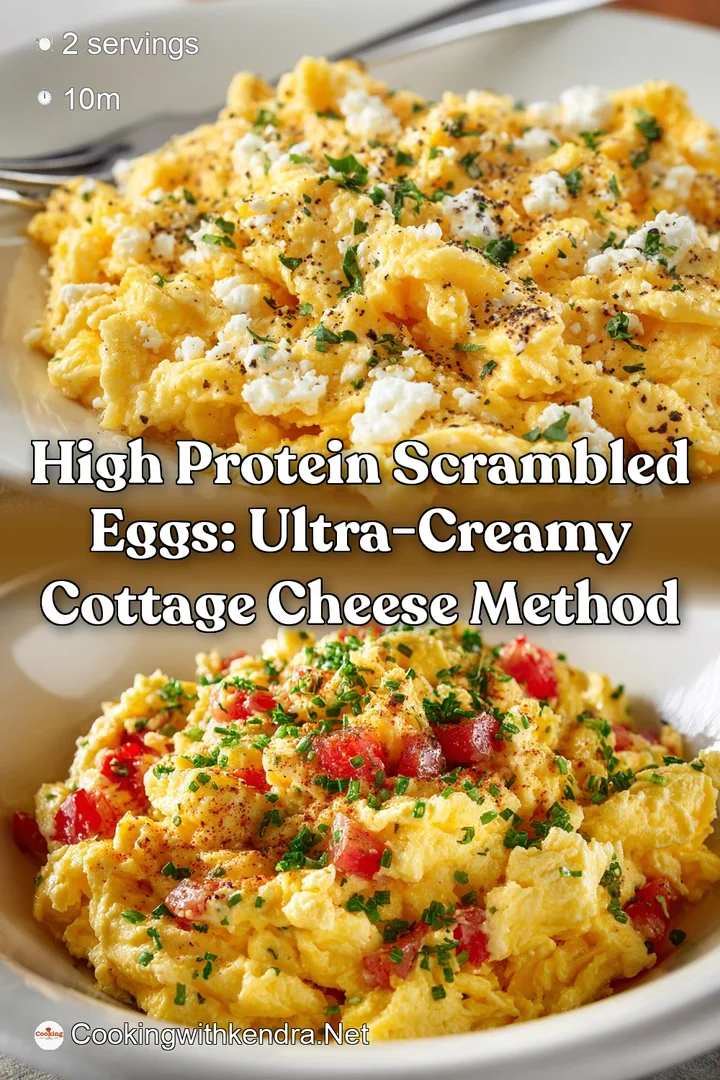
Recipe FAQs
Why did my High Octane Scramble turn out watery or slightly curdled?
This usually occurs if the cottage cheese was not fully blended into a smooth liquid before mixing with the eggs, or if the heat was too high. Ensure the cottage cheese is completely whipped until lump free, and always cook the eggs low and slow, folding them gently rather than stirring rapidly.
Can I use Greek yogurt or sour cream instead of cottage cheese for the protein boost?
Greek yogurt tends to be much tangier and thinner than blended cottage cheese, which may alter the overall flavor significantly. If substituting, use the full fat plain variety and reduce the quantity slightly to avoid an overly sour or runny result. Sour cream is excellent for richness but offers less protein.
My scramble ended up dry and rubbery. What steps can I take to ensure creaminess next time?
Dryness is the classic sign of overcooking. To prevent this, pull the eggs off the heat slightly before they look fully set, as they continue to cook due to residual heat (carryover cooking). Using a non-stick pan and adequate butter also helps trap moisture.
Is it safe to meal prep or store leftover scrambled eggs?
Scrambled eggs are undeniably best eaten immediately, as their signature creamy texture deteriorates upon cooling and reheating. If necessary, store leftovers in an airtight container for up to two days, reheating very gently in a skillet over low heat with a tiny splash of milk or water to restore some moisture.
Should I salt the eggs at the beginning or wait until the end of cooking?
It is best practice to salt the eggs during the last minute of cooking, or immediately before hitting the pan. Salting the eggs too far in advance can prematurely draw moisture out of the mixture, sometimes resulting in a slightly tougher or less voluminous scramble.
How can I make this High Protein Scramble dairy-free?
To achieve a similar protein and texture profile without dairy, substitute the cottage cheese with a thick, plain, unsweetened cashew or almond based cream cheese alternative. For an extra protein boost, blend a small amount of unflavored plant based protein powder into the substitute before mixing it with the eggs.
What are the best fresh herbs to fold into this specific scramble?
Given the richness from the cottage cheese, bright, sharp herbs work best to cut through the flavor. Finely chopped fresh chives, dill, or tarragon are ideal choices. Always fold the herbs in during the final seconds of cooking or just after plating to ensure they retain maximum color and fragrance.
High Protein Scrambled Eggs Secret
Ingredients:
Instructions:
Nutrition Facts:
| Calories | 237 kcal |
|---|---|
| Protein | 18.1 g |
| Fat | 14.4 g |
| Carbs | 2.5 g |
