Homemade Hot Sauce: Silky and Vibrant
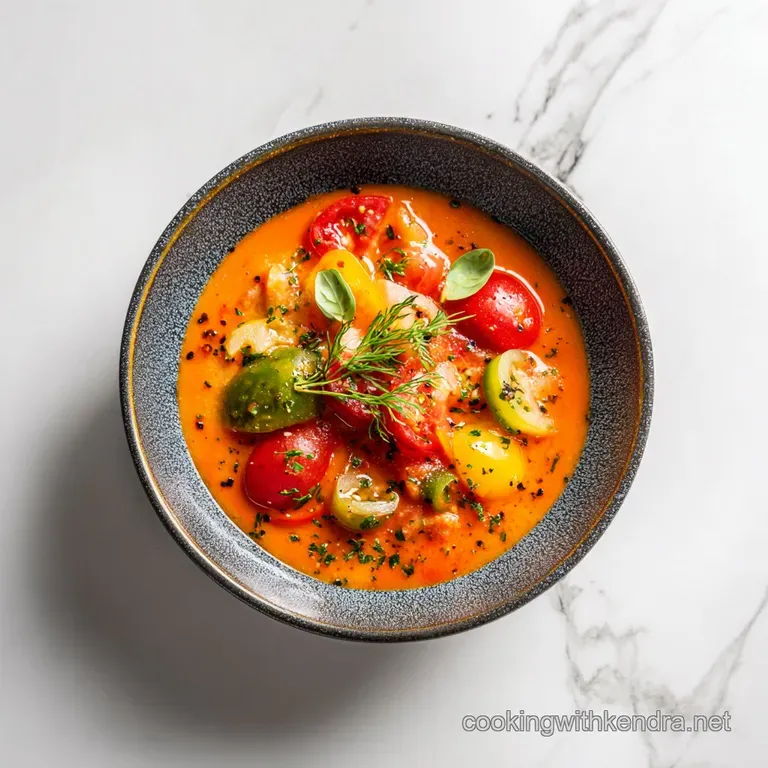
- Time: Active 10 minutes, Passive 15 minutes, Total 25 minutes
- Flavor/Texture Hook: Vibrant, zingy, and velvety smooth
- Perfect for: Busy home cooks, spicy food fans, and last minute gifting
- Create a Simple Homemade Hot Sauce Recipe
- Why This Fast Method Works
- Sauce Specs and Key Numbers
- Selecting Your Pepper Base
- Minimal Tools You Need
- How to Cook It Properly
- Fixing Common Sauce Mistakes
- Different Ways to Swap Ingredients
- Storing and Using Your Sauce
- Best Dishes for This Sauce
- Myths
- Recipe FAQs
- 📝 Recipe Card
Create a Simple Homemade Hot Sauce Recipe
Forget everything you have been told about needing a dusty cellar and three months of fermentation to make a decent bottle of fire. There is a common myth that unless your peppers have been bubbling in a crock for a season, the flavor will be thin or one dimensional.
Honestly, that is just not true for the everyday home cook who wants a punchy condiment for Tuesday night tacos. You don't need a science degree or a massive time commitment to get that zingy, bright heat we all crave.
The first time I tried making this, I expected a watery mess that looked nothing like the stuff in the green capped bottles. Instead, my kitchen filled with this sharp, sinus clearing aroma that smelled better than anything from a factory. The trick isn't time, it is how you handle the acidity and the emulsion.
By simmering the peppers briefly, you soften the cell walls and let the capsaicin mingle with the vinegar, creating a balanced heat that hits the front and back of your palate.
We are going for a sauce that is velvety and bright red (or green, depending on your mood). It is thick enough to coat a spoon but fluid enough to dash over eggs. Because we are using minimal tools and a straightforward simmer, you can go from whole peppers to a bottled masterpiece in exactly 25 minutes.
No waiting, no weird mold concerns, just pure, spicy joy.
Why This Fast Method Works
Cell Wall Breakdown: Simmering for 10 minutes softens the tough skins of the peppers, allowing the flavor compounds to release into the liquid.
Acid Stabilization: Adding the apple cider vinegar at the end of the simmer preserves its bright "zing" while ensuring the sauce has a safe pH level for storage.
High Speed Suspension: The xanthan gum acts as a microscopic net that traps the pepper solids and vinegar together, preventing that annoying watery separation.
Honey Balance: A tiny amount of honey doesn't make the sauce sweet but acts as a bridge that rounds out the sharp edges of the vinegar and heat.
| Method | Time | Texture | Best For |
|---|---|---|---|
| Quick Simmer | 25 minutes | Silky and bright | Weeknight batches |
| Fermented | 3-4 weeks | Tangy and funky | Advanced hobbyists |
| Raw Blend | 5 minutes | Chunky and fresh | Immediate salsa use |
This table shows why the simmer method is the sweet spot for most of us. You get the professional texture of a fermented sauce without the month long commitment, which is a win for any busy family kitchen.
Sauce Specs and Key Numbers
| Component | Science Role | Pro Secret |
|---|---|---|
| Chili Peppers | Heat source | Use red ones for a classic vibrant color |
| Apple Cider Vinegar | Preservative | Always check for 5% acidity for safety |
| Xanthan Gum | Emulsifier | A tiny bit goes a long way for silkiness |
| Sea Salt | Flavor enhancer | It draws out the natural sweetness of the peppers |
When you are looking at these ingredients, think of them as a team. The peppers bring the noise, but the vinegar and salt are the stage crew that makes the performance actually happen. If you've ever made a rich classic au jus recipe, you know how important that salt balance is for depth.
Precision Temperature Control
You want a steady boil to start, then a gentle simmer. If the liquid evaporates too fast, your sauce will be pasty instead of pourable.
Fast High Speed Blending
A full 60 seconds of blending is non negotiable. This isn't just about chopping; it is about creating a permanent emulsion.
Balancing Sweet and Salt
The honey and sea salt work together to tame the wild heat of the habaneros, making the sauce complex rather than just painful.
Selecting Your Pepper Base
For this hot sauce recipe, you need 0.5 lb of fresh chili peppers. If you want a sauce that makes your ears ring, go for straight habaneros. If you prefer something that the whole family can enjoy without a gallon of milk on standby, jalapenos are your best friend.
I usually mix them to get a over medium heat sauce that works on everything from eggs to pizza.
The liquid base is just as important as the peppers. We use 1 cup of apple cider vinegar and 0.5 cup of filtered water. The vinegar provides the tang and ensures the sauce stays fresh in the fridge.
For the aromatics, 0.5 cup of roughly chopped white onion and 3 cloves of smashed garlic provide the savory backbone that prevents the sauce from tasting like plain spicy vinegar.
Do not skip the 0.25 tsp of xanthan gum. It might sound like a lab ingredient, but it is actually a natural fiber. Without it, your sauce will separate into a layer of red sediment and clear liquid within ten minutes of sitting on the table.
We want that professional, velvety look that stays consistent from the first drop to the last.
| Original Ingredient | Substitute | Why It Works |
|---|---|---|
| Apple Cider Vinegar | White Vinegar | Sharper bite, very clean flavor |
| Honey | Maple Syrup | Adds a slightly woody, autumnal note |
| Habaneros | Fresnos | Lower heat but retains the bright red color |
Using white vinegar is a great budget move, though you lose a bit of the fruitiness that apple cider vinegar provides. If you decide to go with Fresnos, the sauce will be much milder, similar to a gourmet sriracha.
Minimal Tools You Need
You don't need a fancy fermentation kit for this. A non reactive saucepan is the most important tool. Stainless steel or enamel coated pans are best because they won't react with the high acid content of the vinegar.
Avoid unlined aluminum or cast iron, as they can give your sauce a metallic, "off" taste that ruins the batch.
A high speed blender is the other must have. While a standard food processor can work, it won't give you that perfectly smooth, commercial style texture. If you are using a regular blender, you might need to strain the sauce through a fine mesh sieve afterward to remove any stubborn bits of pepper skin or seeds.
Finally, grab some gloves. Handling 0.5 lb of hot peppers is no joke. The capsaicin stays on your skin even after washing with soap, and one accidental eye rub can ruin your entire afternoon. Trust me, I have made that mistake exactly once, and it was enough to make me a lifelong glove advocate.
How to Cook It Properly
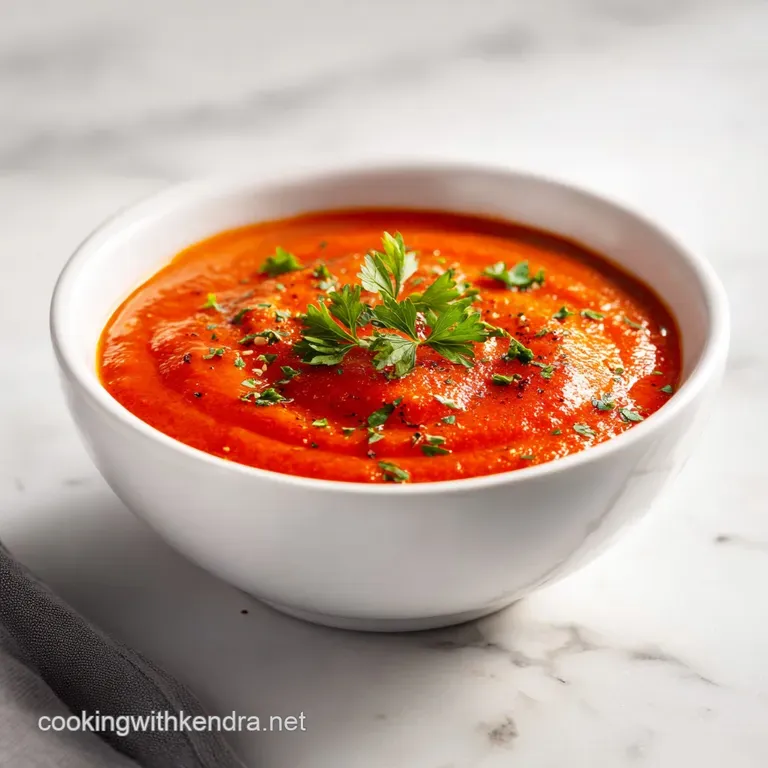
- Put on your gloves and de stem the peppers. Note: Leave the seeds in for maximum fire.
- Add the peppers, onion, garlic, salt, and water to your saucepan.
- Bring the mixture to a rolling boil over medium high heat.
- Reduce the heat and simmer for 10 minutes until the onions look translucent.
- Pour in the apple cider vinegar during the final 2 minutes of simmering.
- Turn off the heat and let the mixture sit for 2 minutes to cool slightly.
- Pour the warm mixture carefully into your blender.
- Add the honey and the xanthan gum to the blender jar.
- Blend on low, then increase to high for 60 seconds.
- Pour the sauce into sterilized bottles until they are nearly full.
| Fresh Peppers | Shortcut/Dried | Resulting Difference |
|---|---|---|
| Whole Habaneros | Dried Chili Flakes | Fresh has a fruity, bright finish |
| Smashed Garlic | Garlic Powder | Fresh provides a much deeper aroma |
| Fresh Onion | Onion Powder | Fresh adds body and natural sweetness |
Fixing Common Sauce Mistakes
The "Pepper Cough" Effect
If you boil peppers in a poorly ventilated kitchen, you will essentially pepper spray yourself. The steam carries the capsaicin into the air. Always turn on your exhaust fan or crack a window before the liquid starts to bubble. It makes the whole process much more pleasant for everyone in the house.
Sauce Is Too Thick
Sometimes, if you simmer too long, too much water evaporates. If the sauce looks more like a paste than a pourable liquid after blending, just add a tablespoon of filtered water at a time while the blender is running. It will loosen up instantly without ruining the flavor balance.
Bitter Aftertaste
This usually happens if the garlic burns or if the peppers were slightly under ripe. You can fix this by adding a tiny pinch more honey or a splash more vinegar. The acid and sugar work together to mask bitterness, much like how you balance a velvety chicken pasta recipe with a little extra cheese or lemon.
| Problem | Root Cause | Solution |
|---|---|---|
| Separation | No xanthan gum | Whisk in a tiny pinch of thickener |
| Too Spicy | Seeds were left in | Add more onion and vinegar to dilute |
| Dull Color | Overcooking peppers | Simmer exactly 10 minutes, no longer |
Common Mistakes Checklist:
- ✓ Always wear gloves when handling 0.5 lb of peppers to avoid skin burns.
- ✓ Ensure you use a non reactive pan like stainless steel to prevent metallic flavors.
- ✓ Don't add the vinegar too early; it can lose its punch if boiled too long.
- ✓ Blend for the full 60 seconds to ensure the xanthan gum is fully hydrated.
- ✓ Sterilize your jars in boiling water before filling to ensure a long shelf life.
Different Ways to Swap Ingredients
If you find yourself without some of the basics, don't panic. This is a very forgiving recipe. You can use white sugar instead of honey, or even a splash of orange juice for a citrusy kick that pairs beautifully with habaneros.
The main goal is to keep the ratio of liquid to solids roughly the same so the texture stays consistent.
If you want a smoky version, you can roast the peppers under the broiler for 5 minutes before putting them in the saucepan. This chars the skins and adds a deep, campfire flavor that is incredible on grilled meats.
Just make sure to peel off the largest blackened bits if you want a perfectly smooth sauce.
For a milder crowd, you can swap half of the hot peppers for red bell peppers. This keeps that vibrant red color but drops the heat level significantly. It is a great way to make a "table sauce" that everyone from the kids to the grandparents can enjoy during a family dinner.
Storing and Using Your Sauce
Once your sauce is bottled, it needs to live in the fridge. Because we aren't using industrial preservatives, the cold environment keeps the flavors fresh and the acidity stable. It will stay good for up to 3 months, though it usually disappears much faster than that in my house.
Always use a clean spoon or a pour top bottle to avoid introducing bacteria into the jar.
You can also freeze this sauce if you made a huge batch. Use an ice cube tray to freeze small portions, then move them to a freezer bag. This is perfect for when you just need a "flavor bomb" to drop into a pot of chili or a stew.
It will stay fresh in the freezer for up to 6 months without losing its fiery personality.
Don't throw away the scraps! If you decide to strain your sauce for an ultra clear finish, the leftover pepper pulp is gold. Spread it thin on a piece of parchment paper and dehydrate it in a low oven (about 170°F or 75°C) until it is brittle.
Grind it up, and you have a custom "hot sauce powder" that is incredible on popcorn or as a dry rub for ribs.
Best Dishes for This Sauce
This sauce is a total workhorse. It is obviously great on tacos and eggs, but I love stirring a spoonful into a bowl of creamy mac and cheese. The acidity cuts right through the heavy dairy and makes the whole dish feel lighter and more exciting.
It is also the secret ingredient for the best chicken wings you will ever have just whisk it with some melted butter.
I also use it as a finishing touch for roasted vegetables. A quick drizzle over roasted cauliflower or sweet potatoes adds a zing that wakes up the natural sugars in the veggies. It is also surprisingly good in a bloody mary if you like your brunch with a side of heat.
If you're serving a big family meal, put a bottle of this on the table next to a hearty casserole. It provides that hit of fresh acid that many baked dishes lack. Whether you are spice obsessed or just looking for a way to use up a garden harvest, this 25 minute method is the most reliable way to fill your pantry with liquid gold.
Decision Shortcut: If you want a classic Buffalo style, use all jalapenos and add 2 tbsp melted butter after blending. If you want tropical vibes, swap the 0.5 cup water for pineapple juice and use habaneros.
If you want maximum shelf life, ensure your vinegar is exactly 5% acidity and double check your jar sterilization.
Myths
One big myth is that you must remove every single seed to have a "professional" sauce. In reality, a high speed blender will pulverize those seeds into the emulsion, adding extra heat and body. Unless you are going for a clear, translucent sauce, leaving them in saves time and increases the capsaicin punch.
Another misconception is that hot sauce gets hotter the longer it sits. Actually, the heat usually mellows slightly over the first few days as the vinegar and honey fully integrate with the peppers.
If your sauce feels a bit too "angry" right out of the blender, give it 24 hours in the fridge to find its balance.
Many people think you need to add a lot of sugar to balance the heat. This is a mistake that leads to a syrupy, candy like sauce. The 1 tsp of honey in this recipe is just enough to provide "flavor glue" without making it sweet. Trust the peppers and the vinegar to do the heavy lifting.

Recipe FAQs
How to make your own hot sauce?
Combine peppers, onion, garlic, salt, and water in a saucepan, then boil and simmer for 10 minutes. Stir in the apple cider vinegar during the final 2 minutes, then blend the warm mixture with honey and xanthan gum for 60 seconds until a smooth emulsion forms.
What are the ingredients in hot sauce?
The base consists of 0.5 lb of fresh chili peppers, 3 cloves of garlic, 0.5 cup of white onion, 1 cup of apple cider vinegar, 0.5 cup of filtered water, 1 tsp sea salt, 1 tsp honey, and 0.25 tsp xanthan gum.
Can you have hot sauce with CKD?
No, you should consult your healthcare provider first. Individuals with Chronic Kidney Disease must closely monitor their intake of sodium and potassium, which are present in the peppers and salt used in this recipe.
Is hot sauce good for diabetics?
Yes, it is generally acceptable in moderation. Since this sauce contains only 5 kcal and minimal honey per serving, it typically does not significantly impact blood glucose levels, though you should always verify with your personal dietary plan.
Is it true that I should use a food processor instead of a blender for this sauce?
No, this is a common misconception. A high speed blender is required to create a smooth, silky emulsion with the xanthan gum; if you enjoyed mastering the stable emulsion technique here, you will find it crucial for achieving the correct final consistency.
How long does this hot sauce last in the refrigerator?
It remains fresh for up to 3 months. Always store the sauce in sterilized glass containers and use a clean spoon or pour top to prevent introducing bacteria.
How to make the sauce milder?
Remove the seeds and white pith from the peppers before cooking. This simple preparation step significantly reduces the capsaicin concentration while maintaining the base flavor profile of the recipe.
Homemade Hot Sauce Recipe
Ingredients:
Instructions:
Nutrition Facts:
| Calories | 5 kcal |
|---|---|
| Protein | 0.1 g |
| Fat | 0.1 g |
| Carbs | 1 g |
| Fiber | 0.2 g |
| Sugar | 0.5 g |
| Sodium | 66 mg |
