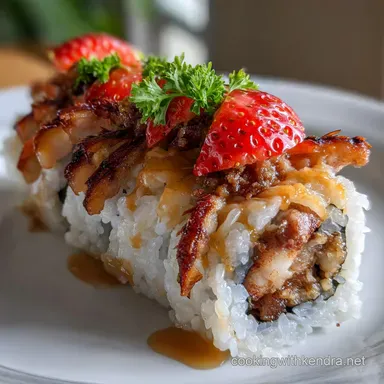
Spider Roll Sushi with Soft Shell Crab

- Total45 Mins
- Servings6
- Calories774 kcal
- Time: 15 min active + 15 min cooking + 15 min resting
- Flavor & Texture: Crunchy, salty, and rich
- Perfect for: A dynamic dinner party or Asian Fusion night
Spider Roll Sushi
Why is it that some restaurant rolls have a crunch that lasts until the very last piece, while home attempts often turn soggy? The answer isn't a professional fryer, it's the batter. Using sparkling water and keeping it ice cold creates a shell that crackles when you bite into it.
This dish is a showstopper because of the visuals. The crab legs poke out from the rice like spider legs, making it a stunning centerpiece for any table. You get a mix of hot, fried seafood and chilled, fresh vegetables in every mouthful.
Expect a bit of a process with the rice and the frying, but the result is a high-end experience. This version keeps the crab light and airy, avoiding the heavy, greasy feel of some commercial rolls.
How the Crunch Stays
- Cold to Hot Shock: Mixing ice cold sparkling water with 375°F oil creates an immediate sear. This locks in the crab's moisture and builds a light, airy crust.
- Hot Rice Seasoning: Folding vinegar into steaming rice lets the grains absorb the acid. This ensures a consistent tang without making the rice gummy or wet.
| Fry Method | Time | Texture | Best For |
|---|---|---|---|
| Deep Fry | 2-3 min/side | Shattering, even | Maximum crunch |
| Shallow Fry | 4-5 min/side | Heavier, denser | Limited oil |
Recipe Specs
This recipe is designed for those who want restaurant quality results at home. The key is timing, especially with the rice and the oil temperature.
- Internal Crab Temp: 145°F (63°C)
- Oil Temperature: 375°F (190°C)
- Rice Cooling: Room temperature (approx. 15 mins)
The Building Blocks
| Ingredient | Role | If You Don't Have It |
|---|---|---|
| Short-grain rice | Structural base | Calrose or sushi rice (approximation) |
| Soft shell crab | Main protein | Large shrimp (requires more frying time) |
| Sparkling water | Air bubbles for crust | Seltzer or club soda |
| Nori | Binding agent | No direct substitute |
For the Rice
- 2 cups (400g) short-grain sushi rice
- 2½ cups (600ml) water
- 3 tbsp (45ml) rice vinegar
- 1 tbsp (12g) granulated sugar
- 1 tsp (6g) salt
For the Crispy Crab
- 6 (3 oz / 85g each) soft shell crabs, cleaned and patted dry
- ½ cup (65g) cornstarch Why this? Absorbs moisture for better batter adhesion
- ¾ cup (95g) all-purpose flour
- ¾ cup (180ml) ice cold sparkling water Why this? CO2 creates a lighter, crispier fry
- 1 cup (240ml) vegetable oil
For the Roll Fillings
- 2 (7 oz / 200g) ripe avocados, sliced into strips
- 1 (6 oz / 170g) English cucumber, julienned
- 6 sheets (30g) nori seaweed, half-sheets
For the Signature Sauce
- ¼ cup (60g) Kewpie mayonnaise Why this? Richer and tangier than standard mayo
- 1 tbsp (15g) Sriracha
- 1 tsp (5ml) lemon juice
Essential Gear
You don't need a commercial kitchen, but a few specific tools make the assembly much easier. A bamboo rolling mat is non-negotiable for getting that tight, professional shape. For the crab, a wire cooling rack is better than paper towels, as it prevents the bottom from steaming and getting soft.
Use a digital thermometer to hit that 375°F oil mark exactly.
The Cooking Process
1. Preparing the Rice Base
Wash the sushi rice under cold water until it runs clear. Mix the rice and water in a pot and bring it to a boil; then, put the lid on and cook on low heat for 15 minutes. While the rice is still steaming, gently stir in the salt, sugar, and rice vinegar using a slicing technique to keep the grains intact.
Allow the rice to reach room temperature. If this is your first time making a spider roll sushi recipe, keep in mind that crushing the grains leads to a gummy, sticky texture.
2. Frying the Soft Shell Crab
Combine the all-purpose flour and ice-cold sparkling water, whisking until just blended. It's okay to leave a few small lumps, so avoid overmixing. Coat each piece of soft shell crab in cornstarch before dipping it into the chilled batter. Bring vegetable oil in a deep pan up to 375°F (190°C).
Fry the crabs in small batches for 2–3 minutes per side until the crust reaches a dark golden hue and the internal temperature hits 145°F (63°C). Let them drain on a wire rack. To ensure the spider roll sushi fried element stays crispy, maintain the oil's temperature between batches.

3. Assembling the Roll
Set a half-sheet of nori atop a bamboo rolling mat. Spread a thin, uniform layer of the seasoned rice over the nori, leaving a 1-inch gap at the top edge. Place one fried crab piece across the middle of the rice, then add strips of avocado and julienned cucumber.
Using the mat, roll it tightly with consistent pressure to keep the spider roll sushi soft shell crab firmly in place.

4. The Precision Cut
Clean a sharp chef's knife with a damp cloth. Cut the roll in half, then into quarters to get 4 portions per roll.

5. The Final Touch
In a small bowl, combine the lemon juice, Sriracha, and Kewpie mayonnaise. Drizzle the mixture over the cut rolls before plating. For those professional, thin lines of sauce, I recommend using a squeeze bottle.
Quick Fixes
If your roll is falling apart, you likely didn't apply enough pressure during the rolling phase or used too much rice. The rice should be a thin layer, not a thick mound. For the crab, any sogginess usually comes from oil that wasn't hot enough, which causes the batter to soak up grease instead of searing.
Solving Soggy Batter
When the oil is too cold, the batter doesn't set instantly. This leads to a heavy, oil logged crust rather than a crisp shell.
Fixing Loose Rolls
Overfilling the roll with avocado or cucumber can prevent the nori from sealing. Keep your fillings centered and tight.
Stopping Rice Clumping
Using warm rice can melt the nori or make the roll mushy. Always wait until the rice hits room temperature.
| Problem | Fix |
|---|---|
| Soggy crab | Increase oil to 375°F and use a wire rack |
| Roll unravels | Use less rice and apply firmer pressure with the mat |
| Rice is gummy | Use a slicing motion to fold in vinegar, don't stir |
Pairing Suggestions

This roll has a lot of richness from the fried crab and velvety avocado, so you need something acidic to cut through it. A side of pickled ginger and wasabi is standard, but a chilled miso soup with extra scallions works well.
For a drink, an iced green tea or a sparkling yuzu drink provides the brightness needed to balance the fried elements.
Keeping It Fresh
Store the rolled sushi in a sealed box in the refrigerator for up to 24 hours. Keep in mind that the rice will firm up and the crab will lose its crunch in the fridge.
To revive the texture, do not use a microwave, as it will make the rice rubbery. Instead, carefully remove the crab if possible, or reheat the crab in an air fryer until its internal temperature reaches 165°F (74°C) on a thermometer. This brings back the crispness without overcooking the avocado.
Sushi does not freeze well because the rice grains crystallize and the avocado turns brown.
Dietary Adaptations
To make this gluten-free, substitute a 1:1 gluten-free flour blend for the all-purpose flour. Continue using cornstarch for the dredge as usual. The result is slightly denser, though it remains perfectly crunchy.
To add some heat, tuck a thin slice of fresh jalapeño inside the roll with the cucumber. For a different flavor profile, try using pickled daikon radish instead of cucumber for a sharper, more vinegary bite.
Because Kewpie mayo provides the necessary structure for the sauce, switching to a vegan alternative may alter the tang; I recommend stirring in an additional teaspoon of lemon juice to balance it out.
Good to Know
What is in a spider sushi roll?
Fried soft shell crab, avocado, and cucumber. These are rolled with seasoned sushi rice and nori, then topped with a spicy Kewpie mayonnaise sauce.
How many calories are in a spider roll sushi?
One serving contains 774 kcal. This is primarily due to the deep-fried crab and the mayonnaise-based drizzle.
How to ensure the rice has a glossy, professional finish?
Fold in the seasonings while the rice is still hot. Use a gentle slicing motion to incorporate the vinegar and sugar without mashing the grains.
Is it true the rice must be hot when adding seasonings?
Yes, hot rice absorbs the seasonings more readily, which helps avoid a gummy texture. Steaming rice absorbs the seasonings more effectively, which prevents the final texture from becoming gummy.
Spider Roll Sushi with Soft Shell Crab